How to Keep a Grill Clean
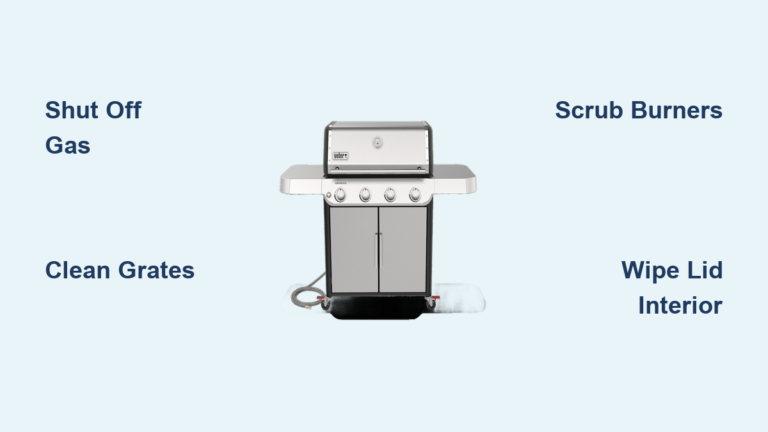
Nothing ruins a backyard cookout faster than a dirty grill. Sticky grates, clogged burners, and rusted exteriors don’t just look bad. They affect performance, flavor, and safety. But cleaning your grill isn’t about making it sparkle like new. It’s about smart maintenance: removing harmful buildup while preserving the seasoned layer that makes grilling better. Whether you use charcoal or gas, a clean grill cooks more evenly, lasts longer, and keeps flare-ups under control. In this guide, you’ll learn exactly how to keep a grill clean with step-by-step protocols for every part, from grates to grease trays, and avoid the most common mistakes that shorten your grill’s life.
Preheat to Clean the Grates
Burn Off Residue Before Scrubbing
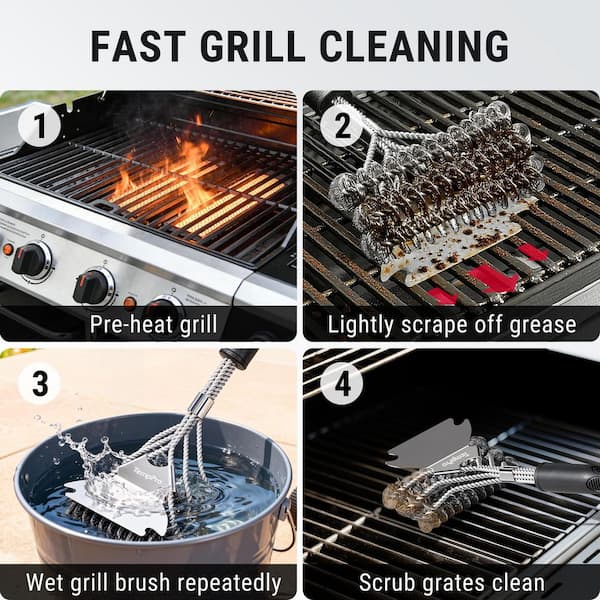
Turn your grill on high for five minutes before cleaning. The intense heat loosens stuck-on food and carbonizes grease, making it easier to remove. This works for both gas and charcoal models. Once hot, grab your grill brush and go over the grates thoroughly. The thermal cycle breaks down residue so you don’t have to scrub as hard.
Use the Right Brush Safely
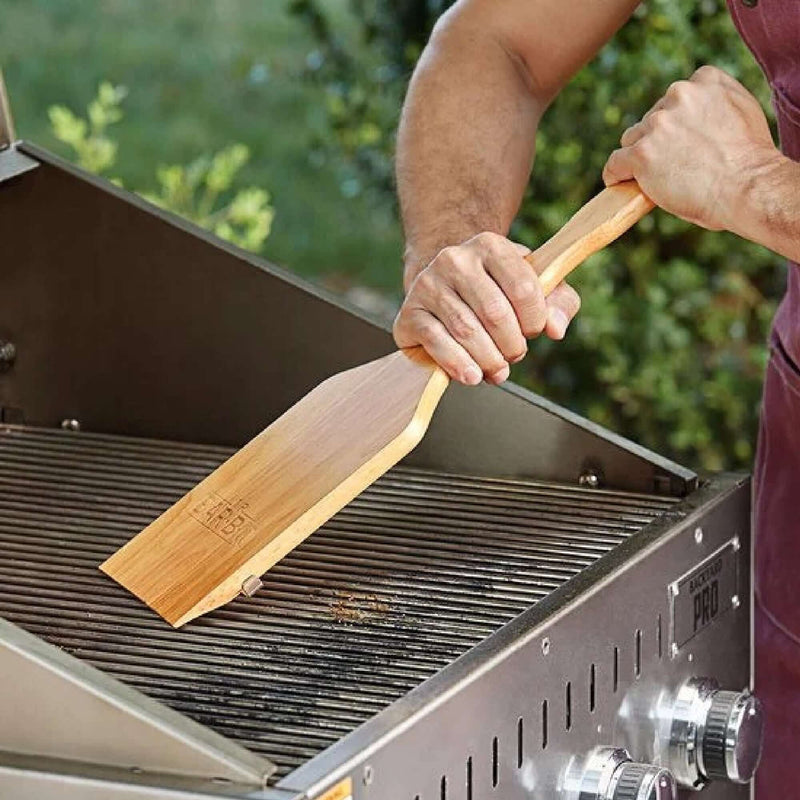
Always inspect your grill brush before use. Loose wire bristles can break off, stick to the grate, and end up in your food, creating a serious health hazard. Opt for a brush with firm bristles or a brass scraper, and replace it every season or sooner if bristles loosen. For extra safety, consider a bristle-free grill cleaner like a wooden scraper or coiled rope tool.
Oil Grates After Cleaning
After brushing, lightly oil the grates to prevent rust and sticking. Dip a paper towel in vegetable oil and use long-handled tongs to wipe it across the hot surface. Don’t drench it, just a thin layer. If your food is already oiled (like marinated chicken or steak), this step may be unnecessary. Over-oiling causes flare-ups, so apply sparingly.
Empty Ash After Every Use
Prevent Cement-Like Buildup
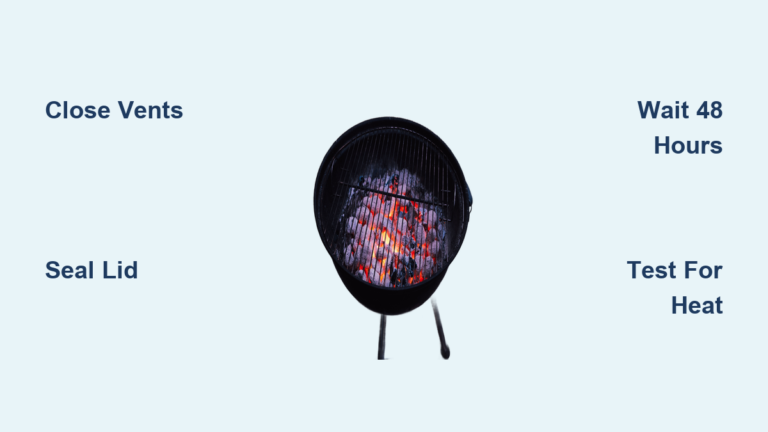
Leaving ash in your grill is one of the worst mistakes you can make. Ash absorbs moisture and turns into a concrete-like sludge that clogs air vents and corrodes metal. Always remove ash while the grill is still warm but not blazing hot. Use the One-Touch Cleaning System if your model has one, or manually scoop debris into a metal bucket.
Store Ash Safely
Use a dedicated, heat-resistant metal bucket to collect ash and coals. Keep it outdoors and dry. Never store warm coals in plastic bins or near combustibles. Wait 48 hours before disposing of ash in the trash to ensure all embers are fully extinguished. Using lump charcoal instead of briquettes reduces ash volume significantly, making cleanup easier.
Preserve Interior Seasoning
Don’t Over-Clean the Cookbox
The inside walls and lid of your grill should not be stripped clean. That black, sticky layer is seasoning, made of polymerized oil and smoke that improves heat retention and flavor. Think of it like a cast-iron skillet. Wipe away loose debris with a dry towel, but don’t scrub the interior unless it’s excessively thick or flaking.
Scrape Carbon from Lid
Once a month or seasonally, remove built-up carbon from the underside of the lid. Let the grill cool completely, then use a metal scraper or putty knife to gently chip away heavy deposits. Avoid using water or chemicals inside the cookbox. They can strip the seasoning and promote rust.
Clean Gas Grill Components Properly

Maintain Flavorizer Bars and Deflectors
On gas grills, Flavorizer bars and heat deflectors protect burners and vaporize drippings into flavor. These collect grease and debris fast. Remove them and scrape off buildup with a putty knife. For stubborn residue, soak in warm, soapy water, then rinse and dry before reinstalling.
Clear Burner Tube Ports
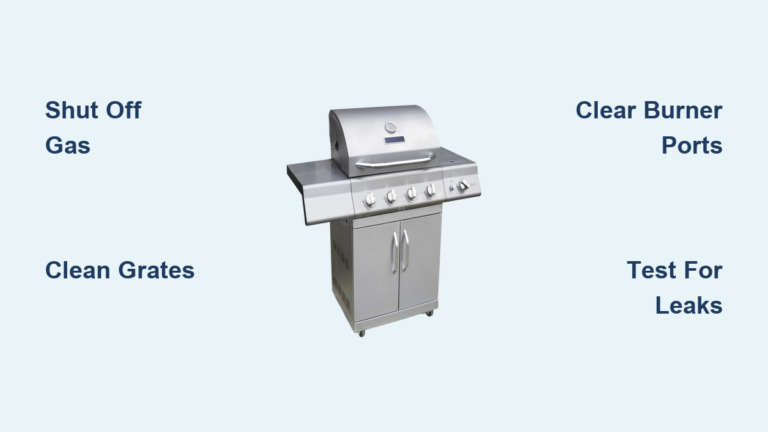
Clogged burner ports lead to uneven flames or weak ignition. Use a soft brass brush or pipe cleaner to gently brush across the ports, not down the length of the tube. Brushing lengthwise can push debris deeper or damage the burner. Avoid poking with wires, which can enlarge ports or damage the ignition electrode nearby.
Manage Grease and Drip Pans

Prevent Overflow and Fire Hazards
Grease buildup is a fire risk. After each use, check the slide-out grease tray. Scrape hardened drippings into a disposable aluminum drip pan, then wipe the tray clean. Replace the drip pan regularly, especially before every cookout. A full tray can overflow, causing dangerous flare-ups or attracting pests.
Clean the Catch Pan Frequently
The catch pan sits beneath the grease tray and collects residual oil. If your model has one, empty and clean it monthly. Use a degreaser or warm, soapy water. Never let grease accumulate. Just ¼ inch can ignite under high heat.
Protect the Exterior Monthly
Wipe Down Stainless Steel and Enamel
Clean the outside of your grill about once a month. Use a microfiber cloth with a cleaner formulated for your grill’s finish. For stainless steel, use a stainless-specific polish to prevent water spots and rust. For porcelain enamel, avoid abrasive pads. Use a non-scratch cleaner to maintain the glossy surface.
Clean Side Tables and Handles
Side shelves collect spills, sauces, and dust. Wipe them down with a damp cloth and mild detergent. For sticky residue, use a degreaser, but rinse thoroughly. Dry all surfaces to prevent water stains or corrosion. Keeping the exterior clean improves appearance and helps spot early signs of rust or wear.
Perform Leak Checks on Gas Grills
Inspect Hoses and Connections
Before turning on your gas grill, visually check the hose for cracks, brittleness, or abrasions. A damaged hose can leak propane, creating a serious hazard. Replace it immediately if you see any signs of wear.
Test for Gas Leaks
Turn on the gas supply but keep burners off. Mix dish soap with water and apply it to all connections: hose, regulator, tank valve, and burner manifold. If bubbles form, you have a leak. Do not light the grill. Turn off the gas, tighten connections, or replace faulty parts. If the leak persists, call a professional.
Cover Your Grill Always
Stop Rust Before It Starts
A grill cover is non-negotiable for outdoor grills. Uncovered grills exposed to rain, snow, and humidity can develop rust in as little as two months. A fitted, weather-resistant cover blocks moisture and UV damage, extending your grill’s life to six years or more, even on budget models.
Store Properly in Winter
Before winter storage, give your grill a full clean: empty ash, replace drip pans, and wipe down all surfaces. Remove the propane tank and store it upright outdoors. Keep the grill in a dry, covered area if possible, but always use the cover. Never store a grill with ash inside. Moisture will cause internal corrosion.
Avoid Common Cleaning Mistakes
Don’t Use Oven Cleaner Inside
While some grillers swear by oven cleaner, it’s not recommended. Harsh chemicals can damage porcelain coatings, strip seasoning, and leave toxic residues if not rinsed perfectly. Stick to mechanical cleaning (scraping, brushing) for interior surfaces. Save chemical cleaners for the exterior only.
Don’t Scrub the Bowl Walls
Scrubbing the inside of the cookbox removes the seasoning layer, which helps regulate temperature and enhance flavor. Unless there’s flaking debris or excessive buildup, leave the walls alone. A light wipe with a dry towel is enough after each use.
Don’t Ignore Bristle Safety
A loose wire bristle from a worn grill brush can end up in your food and cause internal injury. Always check your brush before each use. If bristles are bent, broken, or coming loose, replace it immediately. Consider switching to a safer alternative like a nylon brush, wooden scraper, or pumice stone.
Schedule Seasonal Deep Cleans

Do a Full Tune-Up Twice a Year
Even with regular maintenance, your grill needs a deep clean every six months. Spring and fall are ideal. Disassemble grates, burners, Flavorizer bars, and grease management systems. Soak metal parts in warm, soapy water. Scrub off carbon buildup, inspect for rust, and replace worn components.
Reassemble and Test
After cleaning, reassemble all parts and run the grill on high for 15 minutes to burn off any residue. Check for even flame distribution, proper ignition, and no gas leaks. This ensures your grill is ready for peak cooking season.
Frequently Asked Questions About How to Keep a Grill Clean
How often should I clean my grill grates?
Clean your grill grates before every use by preheating on high for five minutes and brushing off residue. A deep scrub with oil afterward is recommended, though light oiling is unnecessary if your food is already oiled. This routine prevents buildup and extends grate life.
Should I clean my grill after every use?
Yes, perform light maintenance after every use: brush the grates, empty ash if applicable, and check the grease tray. Deep interior cleaning and component disassembly should only happen monthly or seasonally to preserve the protective seasoning layer.
Is it safe to use oven cleaner on a grill?
No, oven cleaner is not recommended for grill interiors. Harsh chemicals can damage porcelain coatings, strip the beneficial seasoning layer, and leave toxic residues. Use mechanical methods like scraping and brushing for interior surfaces, and reserve chemical cleaners for the exterior only.
How do I remove rust from grill grates?
Remove light rust by scrubbing with a grill brush or steel wool, then re-seasoning with a thin coat of oil. For heavy rust, replacement may be necessary. Prevent future rust by oiling grates after cleaning and always using a fitted grill cover.
Can I wash my grill grates in the dishwasher?
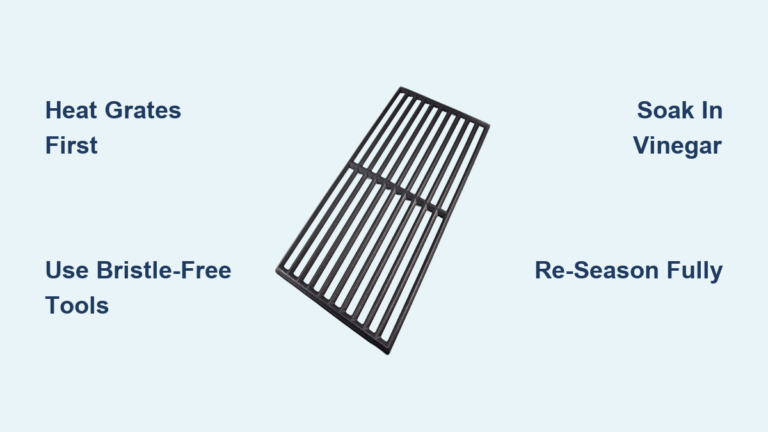
It depends on the material. Stainless steel and porcelain-enameled grates are generally dishwasher safe, but check your manufacturer’s guidelines. Cast iron grates should never go in the dishwasher, as moisture will strip the seasoning and cause rapid rusting.
What is the best brush for cleaning a grill?
The best brush has firm bristles and a long handle for safety. However, bristle-free options like wooden scrapers, coiled rope tools, or pumice stones eliminate the risk of loose wire bristles ending up in your food. Inspect any brush before each use and replace it seasonally.
Key Takeaways for Keeping Your Grill Clean Year-Round
Keeping a grill clean isn’t about perfection. It’s about smart, consistent maintenance. Clean the grates after every use, empty ash and grease immediately, and protect your investment with a cover. Preserve the seasoning inside, but keep fuel pathways clear. With just a few minutes of effort after each cookout, you’ll extend your grill’s life, improve performance, and enjoy safer, tastier meals for years. Start with a simple post-cook routine today: brush the grates while warm, empty the ash, and check the grease tray. Your grill (and your taste buds) will thank you.