How Often to Clean a Grill: Quick Steps
If you love grilling, you know the satisfaction of a perfectly seared steak or smoky ribs. But without proper care, your grill can become a breeding ground for bacteria, a fire hazard, and a source of off-flavors. Knowing how often to clean a grill is essential for safety, performance, and the longevity of your equipment.
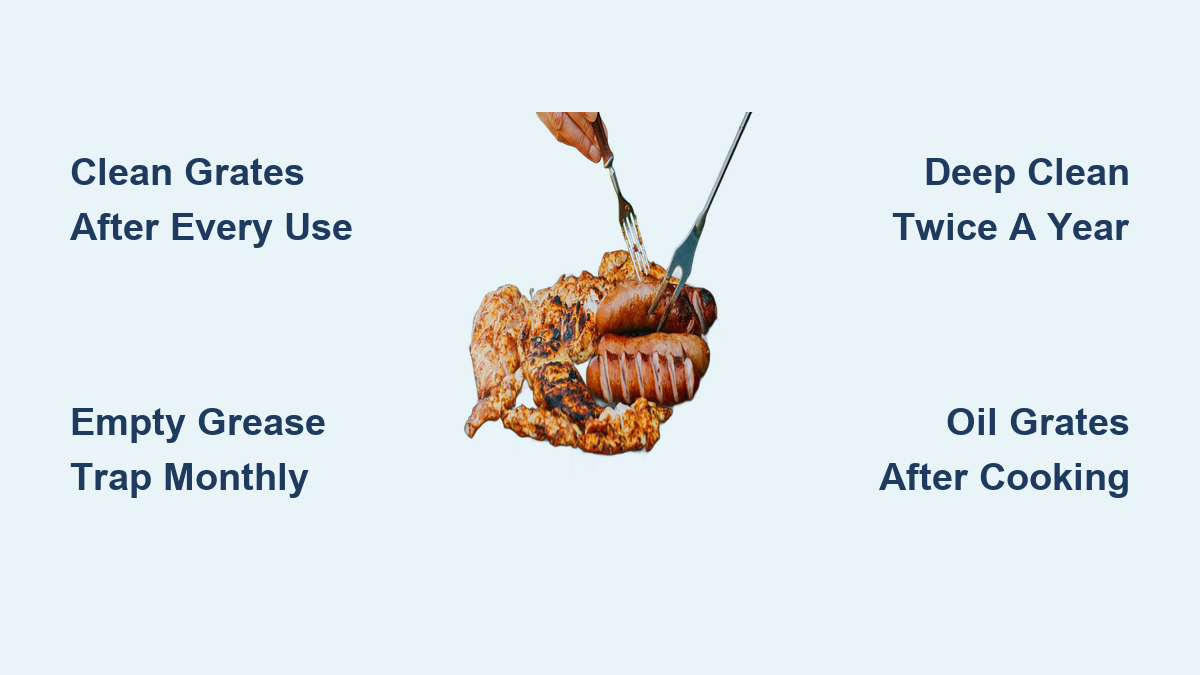
Most experts agree on a simple framework: clean your grates after every cook, deep clean your grill 1–2 times a year, and inspect grease traps monthly. The exact schedule depends on your grill type, how often you cook, and your environment. A few minutes of consistent maintenance now saves hours of scrubbing later and prevents serious health and safety risks.
In this guide, you will learn exactly when and how to clean every part of your grill, what happens if you skip it, and pro tips to make upkeep faster and more effective.
Clean Grates After Every Use
Scrub While Warm for Easy Removal
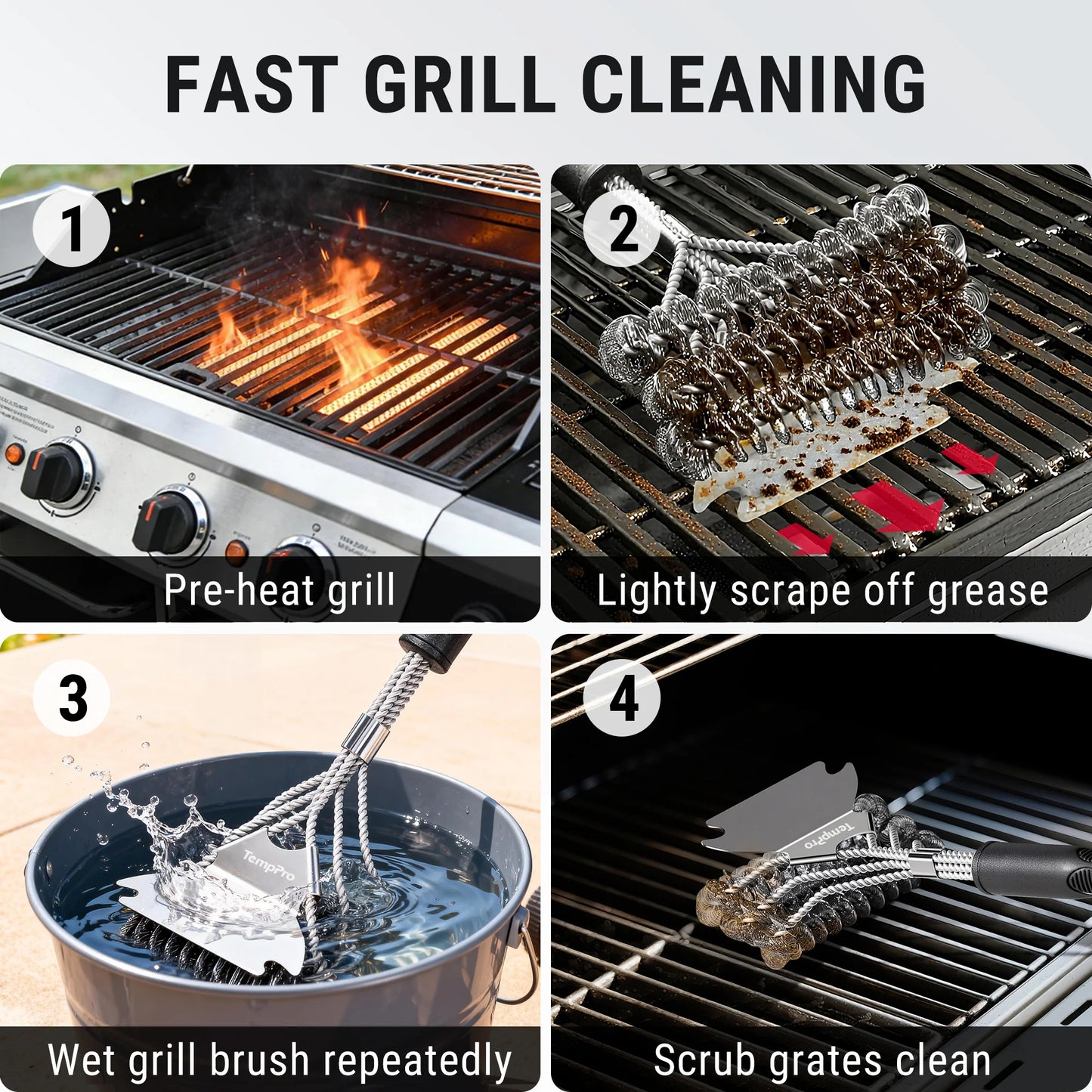
The golden rule of grill maintenance is to clean the grates after every cook. Wait until they are cool enough to touch but still warm, about 10–15 minutes after cooking. At this temperature, food residue is loose enough to scrape off easily without posing a burn risk.
Use a stiff stainless steel brush or one with a built-in scraper. Scrub in the direction of the grilling lines to remove stuck-on particles. This prevents buildup that leads to flare-ups and bacterial growth.
Pro Tip: Never use a wire brush on a cold grill. Debris hardens and becomes much harder to remove.
Oil New or Coastal Grills After Each Cook
Oiling is not just for cooking. For new grills, oil the grates after every use to build a non-stick seasoning layer. In coastal or humid areas, do the same to prevent salt moisture from causing rust.
Use a high-smoke-point oil like canola or grapeseed on a folded paper towel held with tongs. Wipe evenly across the warm grates after brushing. If storing the grill for more than three days, oil it before covering.
Season Grates for Long-Term Protection
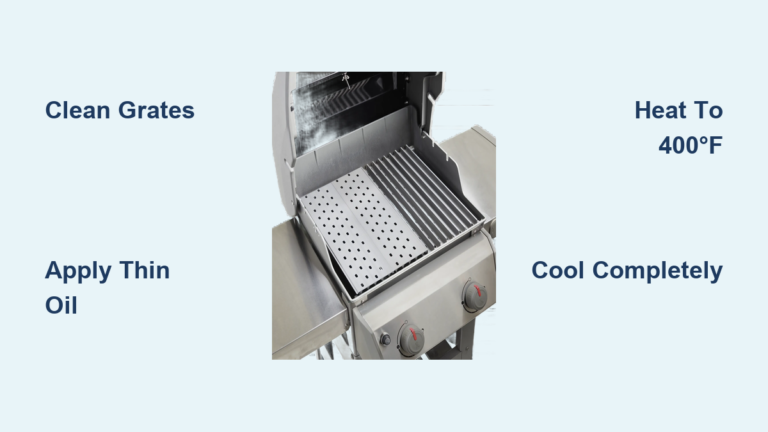
To establish a durable seasoning on a new grill:
- Fire up the grill.
- Coat grates and lid with oil.
- Let it bake on low heat for 30–45 minutes.
- Turn off and let cool completely.
- Repeat 3–4 times.
This creates a carbonized barrier that resists rust and makes future cleanings easier.
Maintain Heat Deflectors Every 3–4 Uses
Remove and Wash with Soapy Water
Heat deflectors, also called flavorizer bars, sit above gas burners and shield them from grease. Over time, they accumulate charred drippings that block heat flow and cause uneven cooking.
Clean them every 3rd or 4th cook:
- Remove once the grill is cool.
- Soak in warm, soapy water.
- Scrub with a nylon brush or fiber pad. Avoid wire brushes if the coating is delicate.
- Rinse and dry thoroughly before reinstalling.
Warning: Moisture left on deflectors leads to rust and premature failure.
Inspect for Damage and Replace if Needed
Check for warping, cracks, or heavy pitting. Damaged deflectors can restrict gas flow or create hot spots. Replace them if more than 25% of the surface is compromised.
Empty Grease Traps Monthly
Prevent Flare-Ups and Fires
Grease buildup is the leading cause of grill fires. Even if your drip tray is not full, accumulated fat can ignite when heated.
Check the grease cup, pan, or tray monthly, especially if you cook fatty meats like burgers or ribs. Replace disposable liners immediately when full and keep spares on hand.
For permanent trays:
- Scrape out old grease with a putty knife.
- Wash with hot, soapy water.
- Dry completely before reinserting.
Critical: Never leave a grill unattended during use, especially if grease levels are high.
Deep Clean Twice a Year
Perform Full Disassembly at Season Start and End
A deep clean should happen at least once a year, but twice is better. Do it:
- At the start of grilling season to remove off-season corrosion.
- At the end to prevent pests and moisture damage.
This applies to both gas and charcoal grills.
Step-by-Step Deep Cleaning Process
- Turn off and disconnect gas for gas models.
- Remove grates, deflectors, burners, and lids.
- Scrape interior walls and lid to remove carbon flakes. This is normal buildup, not peeling paint.
- Soak metal parts (except burners) in warm, soapy water. Use a nylon scrub pad.
- Clean gas jets by poking holes with a thin wire or small nail to clear blockages.
- Inspect burners for corrosion, cracks, or clogs. Replace if damaged.
- Scrape out all grease and ash from the bottom chamber.
- Dry every component completely. Use compressed air if needed.
- Reassemble and ensure all parts are aligned.
- Re-season grates and oil interior surfaces to protect against rust.
Time Estimate: 1.5–3 hours, depending on grill size and buildup.
Charcoal vs. Gas: Different Needs

Clean Charcoal Grills After Each Use
Charcoal grills produce ash, which must be removed after every cook once fully cooled. Use a metal bucket with a lid for safe disposal. Never use plastic.
Steps:
- Let grill cool completely.
- Open bottom vents to dump ash.
- Wipe out remaining dust with a dry brush.
- For models like the AKORN, remove ceramic components 1–2 times a year to clear side ash.
Note: Lump charcoal produces less ash than briquettes, making cleanup easier.
Gas Grills Need Annual Burner Checks
Gas grills require special attention to internal components:
- Burners: Inspect annually for rust, blockages, or uneven flames.
- Gas jets: Clean with a wire to maintain consistent ignition.
- Hoses and connections: Check for cracks or leaks using a soapy water test.
Annual professional cleaning is recommended for gas grills to ensure safety and peak performance.
Protect the Exterior Twice a Year
Wipe and Oil, Not Hose Down
Avoid hosing down your grill. Water causes rust if not dried immediately. Instead:
- Use a damp cloth to wipe exterior surfaces.
- Apply spray oil or stainless steel polish to repel moisture and UV damage.
Clean the outside twice a year, or more often in harsh climates.
Pro Tip: Cover your grill after every use, but only when it is completely dry. Trapped moisture under a cover causes more rust than exposure.
Why Skipping Cleaning Is Dangerous
Risk Grease Fires and Flare-Ups
Old grease ignites easily, especially near burner tubes or in drip pans. A single flare-up can lead to an uncontrolled fire, particularly if the grill is near structures or overhanging trees. Regular cleaning reduces this risk significantly.
Invite Bacteria and Foodborne Illness
Leftover food particles harbor pathogens like E. coli, Salmonella, and Listeria. These survive high heat and can contaminate your next meal. Cleaning grates after each cook kills most bacteria through heat and physical removal.
Ruin Food Flavor and Texture
Carbonized gunk transfers old, burnt flavors to fresh food. You might taste last week’s chicken on tonight’s salmon. Buildup also creates hot spots, leading to uneven cooking and dry, over-charred results.
Adjust for Your Environment
Coastal? Oil After Every Cook
Salt air accelerates corrosion. If you live near the ocean or in a humid climate:
- Oil grates after every use.
- Clean the exterior more frequently.
- Use a high-quality, waterproof cover.
Even occasional coastal exposure demands extra care.
Store Properly Off-Season
End-of-season maintenance is critical:
- Perform a full deep clean.
- Dry completely.
- Apply oil to all metal surfaces.
- Cover with a ventilated, weatherproof cover.
This prevents rust, pests, and mold during winter months.
Use the Right Tools
Match Tools to Components
| Component | Best Tool | Cleaning Agent | Frequency |
|---|---|---|---|
| Grates | Stainless steel brush | None (dry) or oil | After every cook |
| Heat Deflectors | Nylon brush or scrub pad | Warm soapy water | Every 3–4 uses |
| Gas Jets | Thin wire or small nail | None | Annually |
| Ash Pan | Metal bucket | None | After every charcoal use |
| Grease Cup | Replacement liner | N/A | Replace when full |
| Exterior | Cloth + oil | Oil or polish | Twice a year |
| Interior Lid | Grill brush | Spray oil (after scrape) | Twice a year |
Avoid wire brushes on coated deflectors and never use bleach or harsh chemicals.
Hire Pros for Annual Deep Cleans
Get Expert Results with Steam Cleaning
Professional grill cleaning services offer:
- High-pressure steam to dissolve baked-on grease.
- Metal brush attachments for tough buildup.
- Burner inspection and minor repairs.
- Protective coating that repels water and UV rays.
This is worth the investment if you lack time, tools, or confidence tackling a full teardown.
Best Time to Schedule: Spring, before peak grilling season.
Avoid Common Cleaning Mistakes
Don’t Rely on the “Burn-Off” Method
Some grillers turn burners to high before cooking, hoping to incinerate residue. While heat sanitizes, it does not remove physical gunk or grease in trays. You still need manual cleaning.
Don’t Clean with Water Without Drying
Hosing your grill may seem efficient, but trapped moisture causes rust in hinges, burners, and internal components. If you use water, dry every part thoroughly before storage.
Don’t Confuse Carbon with Peeling Paint
Flaking black material on the inside of the lid is carbon buildup, not paint failure. Scrape it off. This is normal and expected.
Frequently Asked Questions About Grill Cleaning Frequency
How often should you clean grill grates?
Clean grill grates after every cook. Wait until they are cool enough to touch but still warm, then scrub with a stainless steel brush. This prevents food buildup, bacterial growth, and flare-ups.
How often should you deep clean a grill?
Deep clean your grill 1–2 times per year. Perform one at the start of grilling season and another at the end. Gas grills should be deep cleaned at least once annually, with professional cleaning recommended for optimal safety.
How often should you empty the grease trap on a grill?
Check the grease trap monthly and replace disposable liners as soon as they are full. If you cook fatty meats frequently, inspect it more often to prevent dangerous flare-ups and grease fires.
Is it safe to clean a grill with water?
Water can be used on removable parts, but avoid hosing down the entire grill. If water contacts internal components, dry everything thoroughly before storage to prevent rust and corrosion.
What happens if you never clean your grill?
Skipping grill cleaning increases the risk of grease fires, bacterial contamination from pathogens like E. coli and Salmonella, and poor-tasting food. It also shortens your grill’s lifespan through rust and component damage.
How often should you oil grill grates?
Oil grates after every cook if the grill is new or located in a coastal or humid environment. For established grills in dry climates, oiling after every other cook is sufficient to maintain protection.
Key Takeaways for Knowing How Often to Clean a Grill
Understanding how often to clean a grill transforms a dreaded chore into a simple routine. Brush grates after every cook, inspect grease traps monthly, and deep clean twice a year. Adjust your schedule based on grill type, usage frequency, and climate. Use the right tools for each component, always dry metal parts thoroughly, and never confuse carbon flakes with peeling paint.
Your next step is simple: set a recurring reminder on your phone for monthly grease trap checks and mark your calendar for a full deep clean at the start and end of grilling season. With consistent care, your grill will deliver safe, flavorful meals for years and look great doing it.