
How to Grill Fish in Foil
Grilling fish in foil is the ultimate solution for tender, flavorful seafood with zero mess. If you’ve ever tried grilling delicate fillets only to have them stick, tear, or dry out, this method fixes all that. By sealing fish in a foil packet, you create a mini-steam oven on the grill, locking in moisture, infusing bold flavors, and protecting the fish from direct heat. Whether you’re using a gas or charcoal grill, camping with a campfire, or even baking in the oven, this foolproof technique works across settings and skill levels.
You’ll get restaurant-quality results without the stress. The fish cooks evenly, stays flaky and moist, and cleanup is as simple as tossing the foil. This guide walks you through every step: choosing the right fish, prepping it properly, building flavor-packed packets, sealing them tight, and cooking to perfection. Plus, you’ll learn how to avoid common mistakes like sogginess, sticking, or dryness, and even how to add a crispy finish if desired.
Choose the Best Fish for Foil Packets

Not all fish behave the same on the grill, but foil makes even the most delicate options safe to cook. The key is matching your fish to the method.
Pick Delicate or Hearty Varieties
Delicate white fish like cod, flounder, tilapia, porgy, and sole are ideal for foil. They flake apart easily and benefit from the gentle steaming environment. Without foil, these often fall apart on the grates.
Hearty fish like salmon, tuna, mackerel, and red snapper also shine in foil. While they can handle direct grilling, wrapping them boosts moisture and deepens flavor infusion, especially when marinated.
Use Fillets or Whole Fish
Foil packets work for fillets and whole fish alike.
- Fillets: Easy and fast. Place skin-side down for stability.
- Whole fish: Score the flesh deeply (1 inch apart) on both sides to help heat and seasoning penetrate. Gut and scale it first.
Smaller whole fish like perch, crappie, or porgy are perfect for camping or family meals. Larger ones like salmon or sea bass serve multiple people.
Prep Fish for Maximum Flavor
Skipping prep leads to soggy or bland results. A few smart steps ensure your fish turns out juicy and flavorful.
Dry and Season Thoroughly
Start by patting the fish dry with paper towels. Removing surface moisture prevents a watery packet and helps seasonings stick.
Season both sides with salt and pepper. Don’t be shy; fish needs proper seasoning to taste great.
For extra flavor, brush with:
- Olive oil
- Melted butter
- Lemon juice
- Spiced marinade
Score Whole Fish
If using a whole fish, score the flesh diagonally about 1 inch apart down to the bone. This allows heat and marinade to reach the thickest parts, ensuring even cooking.
Build a Flavor-Packed Foil Packet

The magic of foil grilling is in the sealed environment. What you add inside transforms simple fish into a gourmet meal.
Use the Right Foil Size and Type
Use heavy-duty aluminum foil. It resists tearing when folded and holds up to heat.
Cut sheets 5–6 inches larger than the fish on all sides (about 10″ x 10″ for average fillets). This gives you room to fold and seal tightly.
Grease the Foil Properly
Lightly grease the dull side of the foil (the side facing up) with oil, butter, or cooking spray. This prevents sticking.
Or, place lemon slices or veggies under the fish to act as a natural rack.
Layer Ingredients for Best Results
Build your packet in this order:
- Aromatics on the bottom: Lemon slices, onions, or fresh herbs.
- Vegetables (if using): Thinly sliced zucchini, bell peppers, asparagus, or tomatoes.
- Fish on top: Place it skin-side down if applicable.
- Top with more flavor: More lemon, garlic, butter pats, or fresh dill.
For Old Bay tilapia, toss veggies in butter and seasoning first, then layer under the fish.
For Caribbean whole fish, stuff the cavity with a spiced herb paste before wrapping.
Add Liquid for Steam
A splash of liquid creates steam that cooks the fish gently. Add one or more of:
- Lemon juice
- White wine
- Fish or vegetable broth
- Dry sherry
Just 1–2 tablespoons is enough. Don’t flood the packet.
Seal the Foil Packet Tightly
A loose seal means dry fish. A tight seal means juicy, steamed perfection.
Fold Like a Pro: Tent or Pouch Method
Tent Method (Recommended):
1. Place fish in center.
2. Bring long sides up and fold down tightly in ½-inch pleats.
3. Crimp short ends closed.
This creates a loose tent that allows steam to circulate without escaping.
Pouch Method:
1. Bring opposite corners together.
2. Twist and fold the top edge twice.
3. Fold ends inward and double-fold.
Either way, ensure no gaps. Steam should stay trapped.
Double Up for Safety
For whole fish or long cook times, use double-layer foil. Place one sheet on top of another before assembling. This prevents leaks and adds stability when moving.
Skip the Holes
Some suggest poking vents, but don’t do it. Holes let steam escape, which dries out the fish. Keep the packet fully sealed unless you want a drier texture.
Cook on the Grill with Indirect Heat
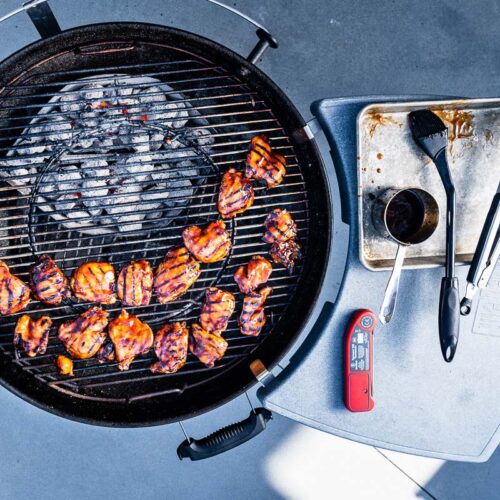
Where you place the packet matters. Direct flame burns foil and overcooks fish fast.
Use Indirect Heat on Gas Grills
- Preheat one side of the grill on high (lid closed) for 10–15 minutes.
- Turn off burners on the other side.
- Place packets on the cool side (indirect zone).
- Close the lid. This traps heat and circulates steam.
- Cook 10–15 minutes depending on thickness.
A 1-inch fillet takes about 12 minutes. Thicker cuts or whole fish need 15–20 minutes.
Set Up Charcoal for Even Cooking
- Light lump charcoal in a chimney starter (20 minutes).
- Push coals to one side for indirect heat.
- Add soaked wood chips (like cherry) for smoke flavor.
- Place packets over the empty side.
- Close the lid and cook 10–20 minutes.
Avoid placing packets directly over flames.
Try It Beyond the Grill
No grill? No problem.
- Oven: 400°F (200°C) for 15–20 minutes.
- Campfire: Place on a grate near, not in, flames.
- Propane burner: Works great for camping.
Check for Doneness the Right Way
Don’t guess. Test it. Overcooked fish turns rubbery.
Look for Visual and Texture Clues
- Flesh turns opaque (no translucent spots).
- Flakes easily with a fork.
- Pulls away from bones (for whole fish).
Use a Thermometer
Insert an instant-read thermometer into the thickest part.
Target temp: 145°F (63°C).
This is the USDA standard for safe, perfectly cooked fish.
Check the Packet Shape
A puffed, steam-filled packet means it’s working. If it’s flat, the seal failed and your fish may be dry.
Finish with Crispy Skin (Optional)
Foil-steamed fish is tender but lacks crunch. Here’s how to fix that.
Broil or Grill Open
- Remove from heat and carefully open the foil (watch for steam!).
- Switch to broil (oven) for 3–5 minutes.
- Or, move to direct grill heat briefly. Just enough to crisp the top.
Keep a close eye. Fish burns fast.
Try a Light Coating
Before wrapping, dust the skin with:
- Flour
- Cornstarch
- Panko breadcrumbs
This helps form a light crust when finished over direct heat.
Avoid Common Pitfalls When Grilling Fish in Foil
Even small errors can ruin your meal. Here’s how to dodge them.
Prevent Sticking
- Grease the foil well.
- Use lemon slices or veggies as a barrier.
- Never skip drying the fish.
Stop Dryness
- Don’t overcook. Use a timer.
- Seal tightly. No steam leaks.
- Follow the thickness rule: 10 minutes per inch of thickness.
Fix Sogginess
- Pat fish dry before seasoning.
- Don’t add too much liquid.
- Use thin veggie slices. They release less water.
Avoid Uneven Cooking
- Use indirect heat only.
- Don’t open the packet early. You’ll lose heat and steam.
Store and Reheat Safely
Leftovers? Handle them right.
Refrigerate Promptly
Store cooled fish in an airtight container.
Lasts 2–3 days in the fridge.
Reheat Without Drying Out
- Oven: 350°F in foil for 8–10 minutes.
- Air fryer: 4 minutes at 350°F.
- Microwave: Cover with damp paper towel in 30-second bursts.
Never Freeze in Foil
Do not freeze cooked fish in foil. The texture turns mushy.
If freezing, transfer to a sealed container and use within 1 month.
Try These Flavor Variations for Foil-Grilled Fish
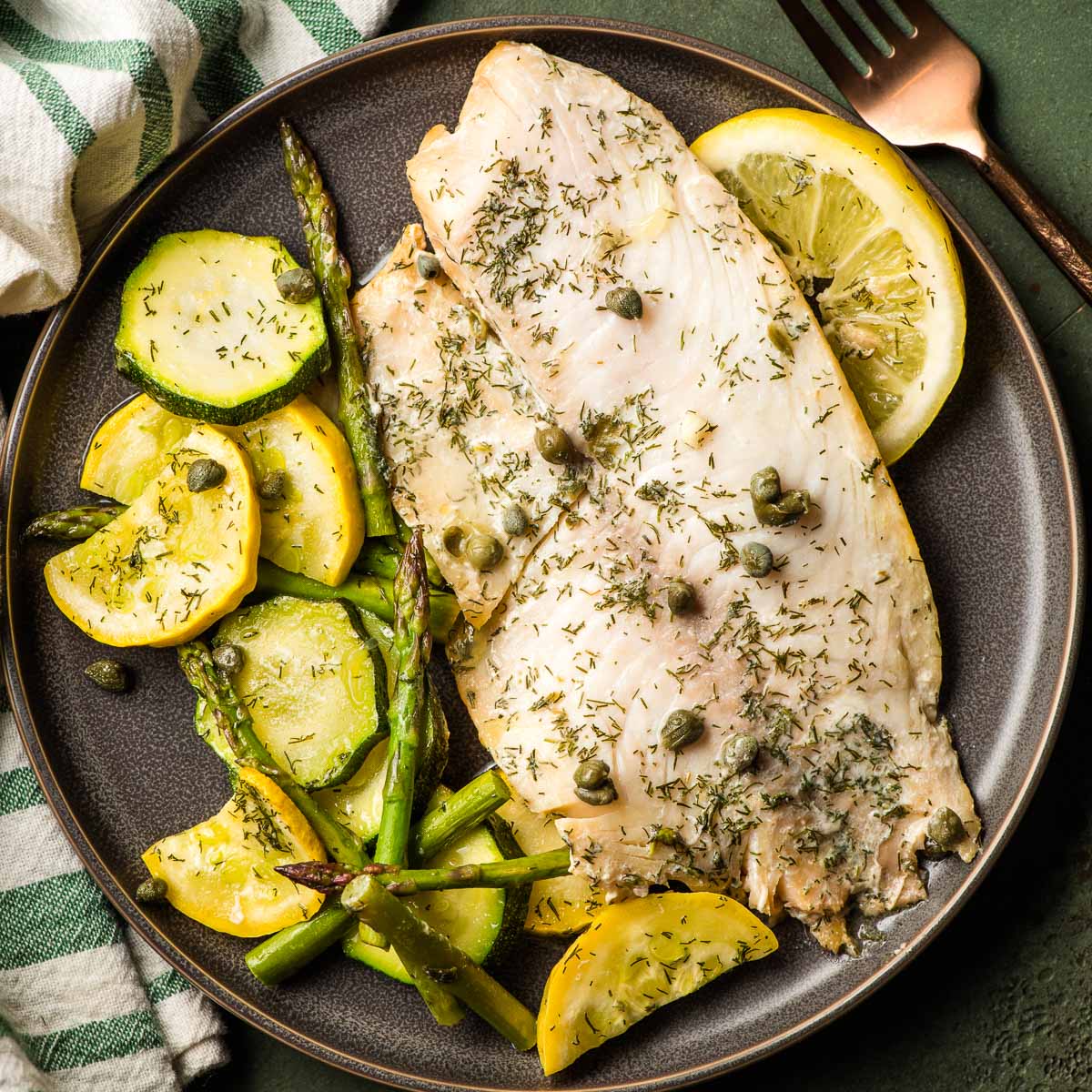
Mix it up with global-inspired profiles.
Classic Lemon Butter
- Drizzle fillets with melted butter.
- Top with lemon slices, dill, salt, and pepper.
- Cook 12 minutes.
Simple, bright, and always a hit.
Old Bay Tilapia with Veggies
- Toss zucchini, squash, and onions in butter and Old Bay.
- Layer on foil, top with tilapia.
- Drizzle with remaining butter.
- Grill 10–12 minutes.
A family favorite with bold, savory flavor.
Caribbean Whole Fish
- Blend ginger, garlic, onions, peppers, cilantro.
- Simmer with oil, thyme, paprika, and pepper.
- Brush on fish, stuff cavity, wrap tight.
- Cook 15–20 minutes.
Big flavor, perfect for summer feasts.
Frequently Asked Questions About How to Grill Fish in Foil
How long does it take to grill fish in foil?
Most fish fillets take 10–15 minutes over indirect heat. Thicker cuts or whole fish need 15–20 minutes. The general rule is about 10 minutes per inch of thickness.
What is the safe internal temperature for grilled fish?
The FDA recommends an internal temperature of 145°F (63°C). Check with an instant-read thermometer inserted into the thickest part of the fish.
Should you flip foil packets while grilling?
No. Leave the packet sealed so steam stays trapped inside. Flipping risks breaking the seal and losing moisture.
Can you use regular foil instead of heavy-duty foil?
Heavy-duty foil is strongly recommended because it resists tearing during folding and handling. Standard foil can puncture and leak, which dries out the fish.
Why does my fish come out soggy in foil?
Soggy fish usually means excess moisture on the surface before wrapping. Pat the fish completely dry with paper towels, avoid adding too much liquid, and slice vegetables thinly so they release less water.
Can you reuse foil after grilling fish?
No. Discard the foil after cooking for food safety reasons. Reusing foil that held raw or cooked fish risks bacterial contamination.
Key Takeaways for Perfect Foil-Grilled Fish Every Time
Grilling fish in foil is reliable, beginner-friendly, and delivers moist, flaky results with minimal cleanup. Use heavy-duty foil, seal the packet tightly, and always cook over indirect heat to avoid burning.
Follow the 10–15 minute rule for fillets and 15–20 minutes for whole fish. Test doneness with a fork or thermometer (target 145°F). Pat fish dry before seasoning, grease the foil well, and skip the vent holes to lock in steam.
Fire up the grill, pick your favorite fish, and try one of the flavor variations above. Your best seafood dinner is just one packet away.