Fix Weber Grill Not Getting Hot
Nothing is more frustrating than firing up your Weber grill only to find it struggling to reach cooking temperature. A Weber grill not getting hot enough is one of the most common complaints among grill owners, and the cause is usually simpler than you think. The good news is that most heating problems can be fixed in minutes without calling a repair technician.
In this guide, you will learn the most common reasons your Weber grill fails to reach its target temperature of 500–550°F. You will also get a step-by-step reset procedure to restore full heat output and practical maintenance tips to prevent future issues.
Why Your Weber Grill Suddenly Stops Reaching High Temperatures
Since 1995, every Weber propane regulator has included a built-in safety device designed to shut off gas flow if it detects a sudden surge that suggests a leak. When you light the grill too quickly, this device mistakes the normal gas rush for a leak and restricts flow to roughly 10% of normal volume. This restricted state is called Bypass Mode, and it is the number one reason a Weber grill not getting hot stays cold.
You can recognize bypass mode by these signs:
- The grill maxes out at 200°F or 300°F no matter how long you preheat
- The burners fail to ignite at all
- The problem appeared suddenly after a lighting attempt, even though the grill worked fine before
The 30-Second Reset Procedure That Fixes Most Weber Grill Heating Problems
Before replacing any parts, run this reset sequence. It clears bypass mode and restores full gas flow in nearly every case.
- Open the grill lid completely.
- Turn every control knob (including side burners) to the OFF position.
- Slowly open the propane tank valve.
- Wait at least 30 seconds before lighting. This pause is critical because it lets pressure equalize gradually and pushes the safety device into the open position.
- Turn the burner knob to START/HIGH and press the igniter immediately.
- Light all main burners, set them to HIGH, close the lid, and preheat for 10 to 15 minutes.
Pro Tip: In cold weather, extend the waiting period beyond 30 seconds. Low temperatures slow pressure equalization, and rushing this step is the most common reason the reset fails on the first try.
Success check: Your grill should hit 500–550°F after preheating. If it does, the bypass is cleared and the system is healthy.
How to Diagnose Fuel Supply Problems on a Weber Grill

If the reset procedure does not solve the problem, your fuel supply is the next place to investigate.
Check Your Propane Tank Level
Low propane causes weak pressure and low heat, even when the tank is not empty. If you are unsure how much gas remains, swap the tank or refill it before troubleshooting anything else.
Inspect the Regulator and Hose for Damage
A mechanically faulty regulator will keep your Weber grill not getting hot even after a successful reset. Look for these warning signs:
- The grill stays below 300°F despite a full tank and proper lighting
- Visible cracks, kinks, or wear on the hose
- Loose or damaged connections between the tank and grill
If you spot damage, replace the entire hose and regulator assembly. Regulators are consumable parts that typically need replacement every few years.
Cleaning Burner Tubes to Restore Heat Output
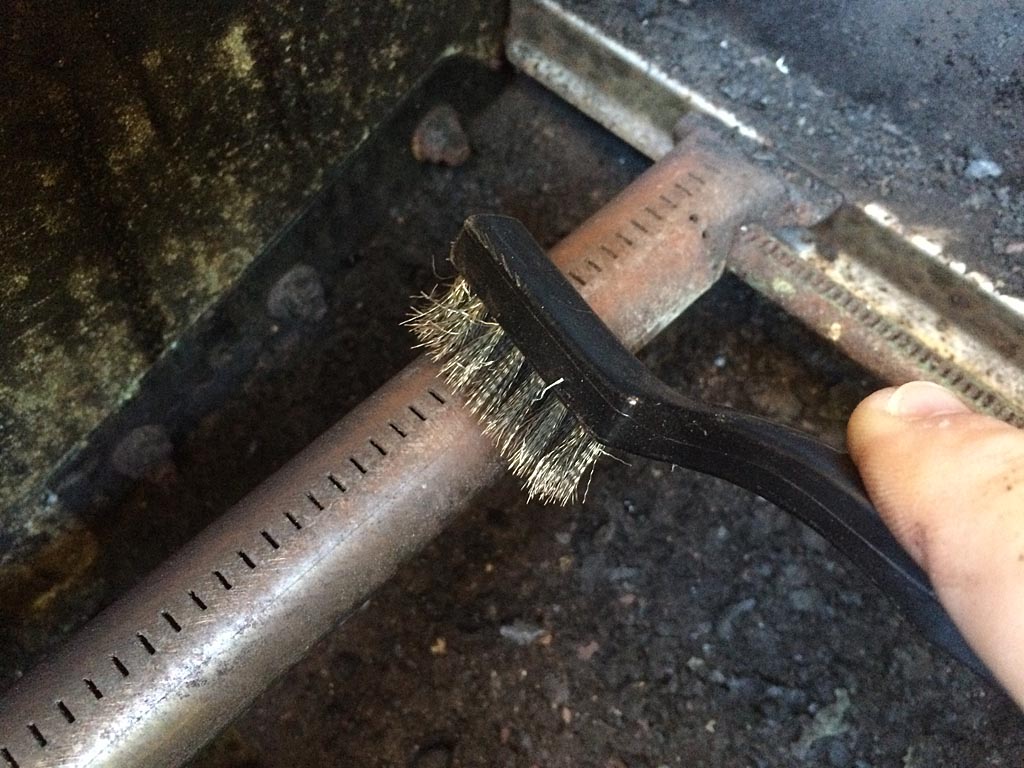
Burner tubes clog over time with spider webs, insect nests, grease, and rust flakes. These blockages choke off gas flow at the ports and prevent the grill from reaching high temperatures.
Step-by-Step Burner Cleaning Process
- Remove the burner tubes from the firebox.
- Scrub the inside and outside with a wire brush and soapy water.
- Inspect every port along the tube and clear any clogs with a small pin or wire.
- Reinstall the tubes, making sure they align properly with the gas valves.
Don’t Forget the Flavorizer Bars and Firebox
Grease and debris on the flavorizer bars reduce heat reflection and trap cold air around the burners. Clean the firebox thoroughly, and replace any rusted-through bars with stainless steel replacements for better heat performance.
Fixing Burner Tube Damage and Assembly Errors
Replace Damaged Burner Tubes
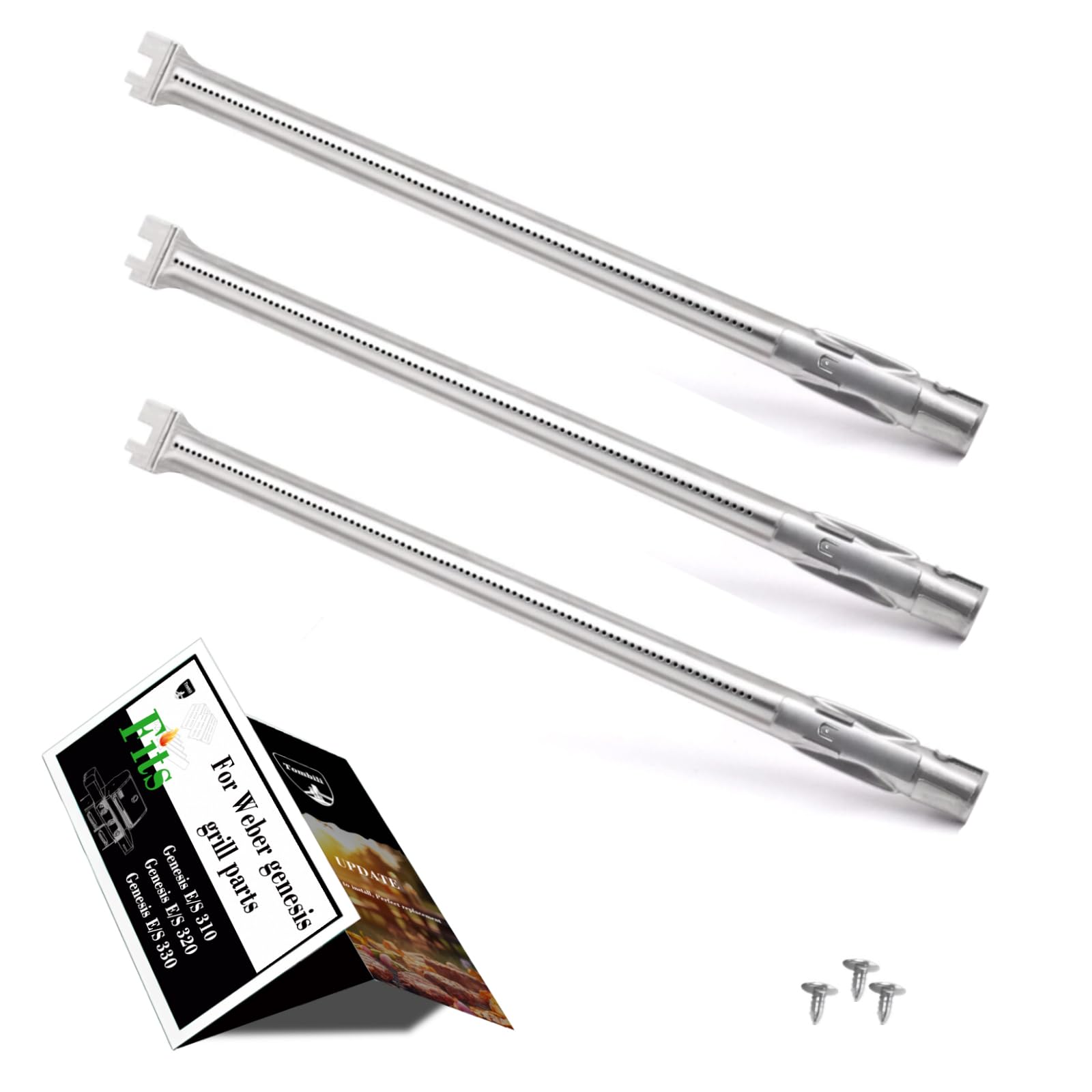
Holes, cracks, and corrosion in burner tubes break up the flame pattern and drop internal pressure. If you see visible damage, swap out the tubes right away. This single fix often brings a Weber grill not getting hot back to full strength.
Correct Misaligned Control Knobs
A confusing but real issue is when turning the left knob lights the right burner. This happens when the control panel or manifold was installed incorrectly, usually at the factory or during setup. The fix requires disassembling the control panel and realigning it to match the burner layout.
Verify Your Knob Settings
This sounds obvious, but confirm that every knob is set to HIGH, not Medium or Low. Lower settings will naturally cap your maximum temperature well below 500°F.
Environmental Factors That Make a Weber Grill Not Get Hot
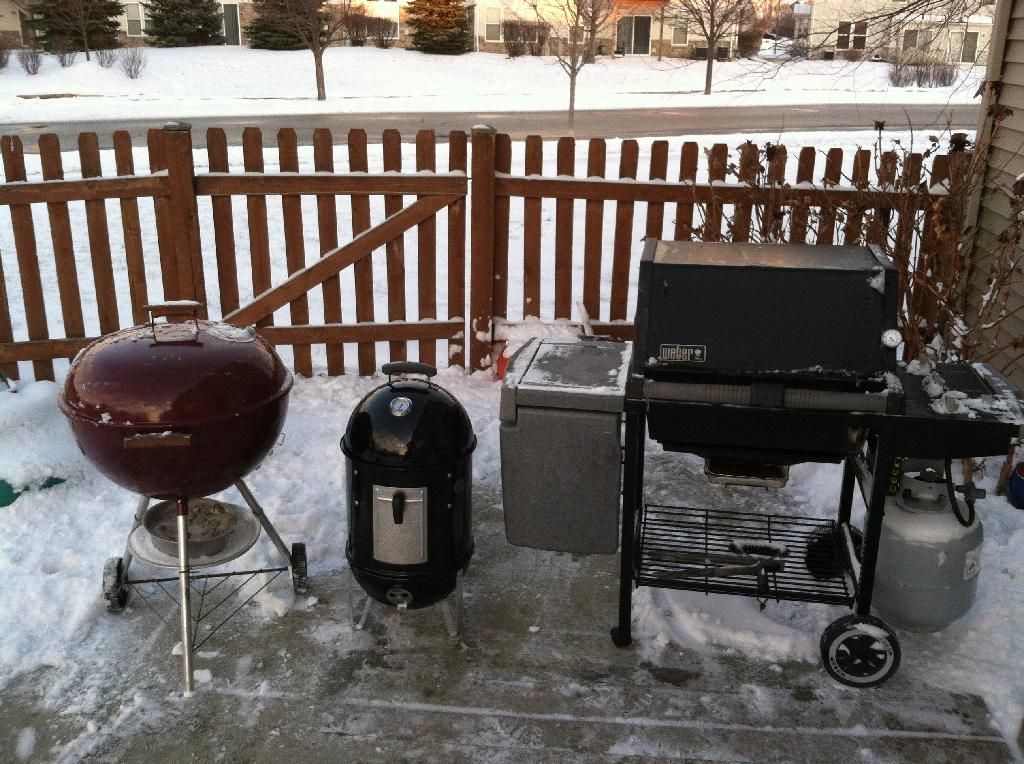
Sometimes your grill is fine and the environment is the problem.
Cold Weather Slows Propane Vaporization
Low ambient temperatures reduce propane pressure and slow the regulator’s equalization process. Always extend your preheat time and the 30-second wait during winter grilling.
Wind Steals Heat From the Grill Body
Strong gusts strip heat from the grill surface and prevent it from reaching target temperatures. Set up a windbreak or move the grill to a sheltered spot when conditions are breezy.
Your Lid Thermometer Might Be Lying to You
Built-in lid gauges are often inaccurate, especially on older models. Place a high-quality instant-read thermometer directly on the cooking grate to verify the real internal temperature. If your instant-read shows 500°F but the lid gauge reads 300°F, the grill is working perfectly and the gauge needs replacement.
Frequently Asked Questions About Weber Grill Heating Problems
Why does my Weber grill not get hotter than 300°F?
The most common cause is Bypass Mode, a safety feature in the regulator that restricts gas flow to about 10% of normal volume. Perform the 30-second reset procedure with the lid open and all knobs off to restore full flow.
How long should I wait before lighting my Weber grill after turning on the propane?
Wait at least 30 seconds after opening the tank valve. This allows pressure to equalize gradually and prevents the regulator’s safety device from triggering Bypass Mode. In cold weather, wait even longer.
Can a dirty burner cause low grill temperatures?
Yes. Spider webs, grease, and debris inside burner tubes block the ports and restrict gas flow. Remove the tubes, scrub them with a wire brush and soapy water, and clear every port before reinstalling.
How do I know if my Weber regulator is bad?
If your grill stays below 300°F even after a successful bypass reset and with a full propane tank, the regulator is likely faulty. Inspect the hose for cracks or kinks and replace the entire regulator assembly if needed.
What temperature should my Weber grill reach on high?
A properly functioning Weber gas grill should preheat to 500–550°F on HIGH within 10 to 15 minutes with the lid closed. Verify this with an instant-read thermometer rather than relying on the lid gauge.
Does cold weather affect Weber grill performance?
Yes. Cold temperatures slow propane vaporization and pressure equalization in the regulator. Allow extra wait time during the lighting sequence and extend your preheat to compensate.
Final Thoughts on Fixing a Weber Grill Not Getting Hot
When your Weber grill fails to reach cooking temperature, start with the bypass mode reset before replacing any parts. This 30-second procedure solves the majority of heating complaints and costs nothing to try. If the reset does not work, work through fuel levels, burner obstructions, and component damage in that order.
Your next step: Run the bypass reset on your next cook. Open the lid, turn all knobs off, open the tank valve, wait 30 seconds, then light on HIGH. In most cases, you will be back to 500°F grilling within 15 minutes.