
How to Grill Lamb Shoulder Chops
You love the rich, bold flavor of lamb but don’t want to pay a premium for tender cuts like loin or rib chops. Enter lamb shoulder chops: affordable, flavorful, and surprisingly juicy when grilled right. But here’s the catch: they’re tougher by nature, packed with connective tissue that demands proper prep. Skip the marinade or overcook them, and you’ll end up with dry, chewy meat. Do it right, and you’ll serve restaurant-quality chops with a smoky crust, tender interior, and deep herbal aroma.
The secret? Three non-negotiables: marinate overnight, use a two-zone fire, and pull at 135°F. Unlike leaner cuts, shoulder chops thrive on acid and time. A blend of garlic, rosemary, lemon, and olive oil breaks down fibers and infuses bold taste. Then, precise grilling, starting over indirect heat and finishing with a sear, locks in moisture. Finally, let them rest. This guide walks you through every step: choosing the best chops, building the perfect marinade, mastering heat control, and serving with sides that balance the richness. Whether you’re using gas or charcoal, feeding four or cooking for two, you’ll get juicy, flavorful results every time.
Choose the Right Shoulder Chops

Look for Ideal Thickness
Pick lamb shoulder chops that are 1 to 1¾ inches thick. This range gives you control, enough mass to avoid drying out, but not so thick they take forever to cook. Many store-bought chops, especially from warehouse retailers, are only ¾ inch thick, which means faster grilling but less margin for error. Thinner chops can go from rare to well-done in under two minutes. Always check thickness before buying. If one end is much thicker than the other, the meat will cook unevenly, with thin parts drying out while thick sections stay undercooked.
Check Meat and Fat Quality
Fresh lamb should have light pink to deep red, finely textured meat with smooth, white fat. Avoid grayish meat or yellow fat, which are signs of age or poor storage. Since shoulder chops come from a working muscle, they naturally have more marbling and connective tissue. That’s good for flavor, but it means proper prep is essential. These chops often include part of the shoulder blade, making them blade or round bone cuts. Don’t worry, since the bone adds flavor during grilling, but trim any large fat caps if they’re over ¼ inch thick to reduce flare-ups.
Compare Cuts: Shoulder vs. Loin
Loin chops are tender, lean, and grill quickly with just salt and oil. Shoulder chops are the opposite: flavorful but tough without help. Shoulder chops require marination; loin and rib chops don’t. If you skip the marinade on shoulder meat, you’ll taste the gaminess without tenderness to balance it. But for the price, shoulder wins: it’s significantly cheaper than loin or rib, making it ideal for feeding a crowd or weeknight meals. Just remember: more flavor, more prep.
Build a Flavor-Packed Marinade
Use Acid and Oil for Tenderizing
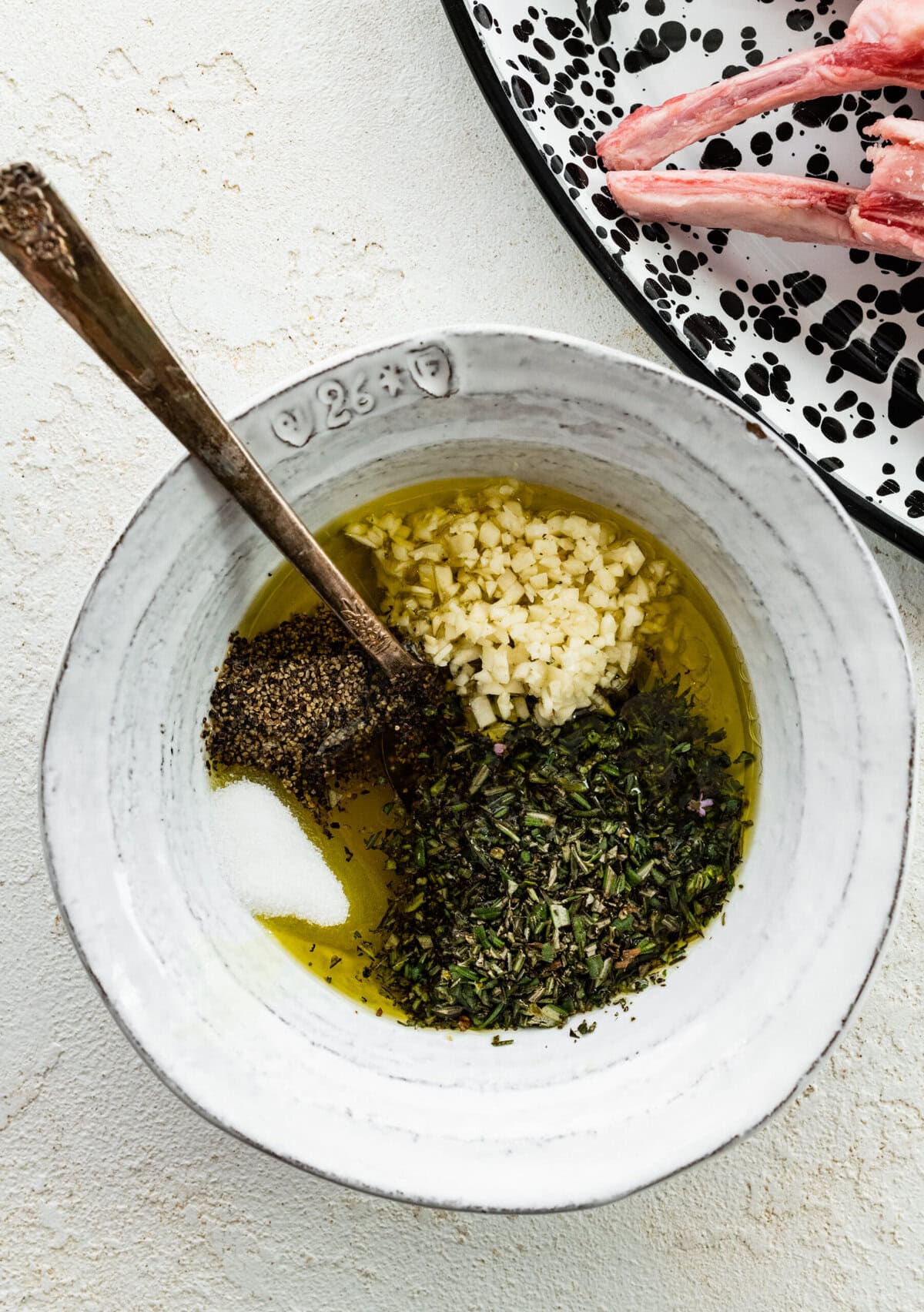
Marination isn’t just about taste, it’s science. Shoulder chops need acid to break down proteins and oil to carry flavor and retain moisture. The best marinades combine both. Lemon juice is the top choice for acid, reacting with meat fibers to soften them. Soy sauce adds umami and salt, while vinegar (from soy or other sources) deepens the effect. Olive oil coats the meat, preventing dryness and helping herbs stick. Never marinate in metal; use glass, ceramic, or food-safe plastic bags to avoid chemical reactions.
Pair Herbs and Aromatics Right
Lamb loves bold flavors. Rosemary is the classic match, with its piney sharpness cutting through richness. Oregano and thyme add earthiness, while dill and mint bring brightness (especially in Greek-style recipes). Fresh garlic is essential; minced or pureed, it penetrates deep. Avoid dried rosemary unless crushed finely, since it won’t blend well. For heat, add cayenne, red pepper flakes, or black pepper. A spoon of Dijon mustard helps emulsify the marinade and adds tang. Skip strong spices like curry powder unless you’re aiming for a fusion twist.
Mix One of These 3 Proven Recipes
Garlic-Rosemary Paste (Simple & Bold)
Combine 4 minced garlic cloves, 2 tbsp chopped rosemary, 2 tbsp olive oil, 1 tsp salt, ½ tsp black pepper, and a pinch of cayenne. Mash into a paste. Rub it all over the chops. Works in 30 minutes, but best after 8+ hours. This is your go-to for steakhouse-style flavor.
Greek Herb Marinade (Bright & Fresh)
Whisk ½ cup olive oil, zest and juice of 1–2 lemons, 2 tbsp each oregano, dill, and mint, 3 minced garlic cloves, ½ tsp red pepper flakes, 1 tsp salt, and ½ tsp pepper. Pour over chops in a bag. Marinate 1–24 hours. The lemon lifts the fat, making it feel lighter.
Soy-Cilantro Blend (Savory & Umami)
Mix ¼ cup olive oil, ¼ cup soy sauce, 2 tbsp lemon juice, ¼ cup chopped cilantro, and 1 tsp Dijon mustard. Reserve ⅓ cup to brush on vegetables. Marinate lamb in the rest for 1 hour minimum. Discard used marinade, and never reuse unless boiled.
Marinate Like a Pro
Never Skip the Overnight Soak
While 30 minutes adds flavor, overnight marination (8–24 hours) transforms texture. Acid and enzymes work slowly, so short soaks won’t tenderize deeply. For shoulder chops, time is your ally. Place the bag flat in the fridge so the marinade covers all surfaces. Rotate once if possible. Don’t go beyond 24 hours, since over-marinating can make meat mushy, especially with strong acids like lemon.
Keep It Cold and Safe
Always marinate in the refrigerator, never at room temperature. Bacteria grow fast on raw meat above 40°F. Use a leak-proof container or zip-top bag to avoid spills. If you plan to baste with marinade, set aside a portion before adding meat. Once it touches raw lamb, it’s unsafe unless boiled for two minutes first.
Bring to Room Temp Before Grilling
Pull chops from the fridge 30 minutes before grilling. Cold meat cooks unevenly, with the outside burning before the inside warms up. Letting them sit ensures a better sear and juicier center. Pat dry with paper towels right before grilling. Wet surfaces steam instead of sear, so remove excess marinade for crisp grill marks.
Set Up the Grill Correctly

Use a Two-Zone Fire (Best Method)
This is the number one trick for juicy chops. Two-zone grilling means one side of the grill is hot (direct heat), the other is medium (indirect). It gives you control: cook through gently on indirect, then sear on direct.
- Gas Grill: Preheat all burners on high for 15 minutes. Then, turn one burner to high (sear zone), others to medium (cooking zone).
- Charcoal Grill: Pile coals on one side. When covered in gray ash, you’re ready. Spread them unevenly for varied heat.
Oil the grates right before adding meat. Use tongs and a folded paper towel dipped in oil.
Adjust for Thin or Thick Chops
If your chops are ¾ inch, skip indirect heat. Sear directly over medium-high for 2–3 minutes per side. For 1-inch or thicker, use two-zone. Start on indirect for 3–4 minutes per side, then move to direct for 1–2 minutes to crisp the outside. Thin chops cook fast, so check temp early.
Grill Vegetables at the Same Time
While lamb rests, grill sides. Use the reserved marinade (if set aside) or oil to coat eggplant, onions, or bell peppers. Place them on the medium-heat side. Cook 8 minutes, turning halfway. They’ll soak up smoky flavor and finish just as the meat rests.
Cook to the Right Temperature
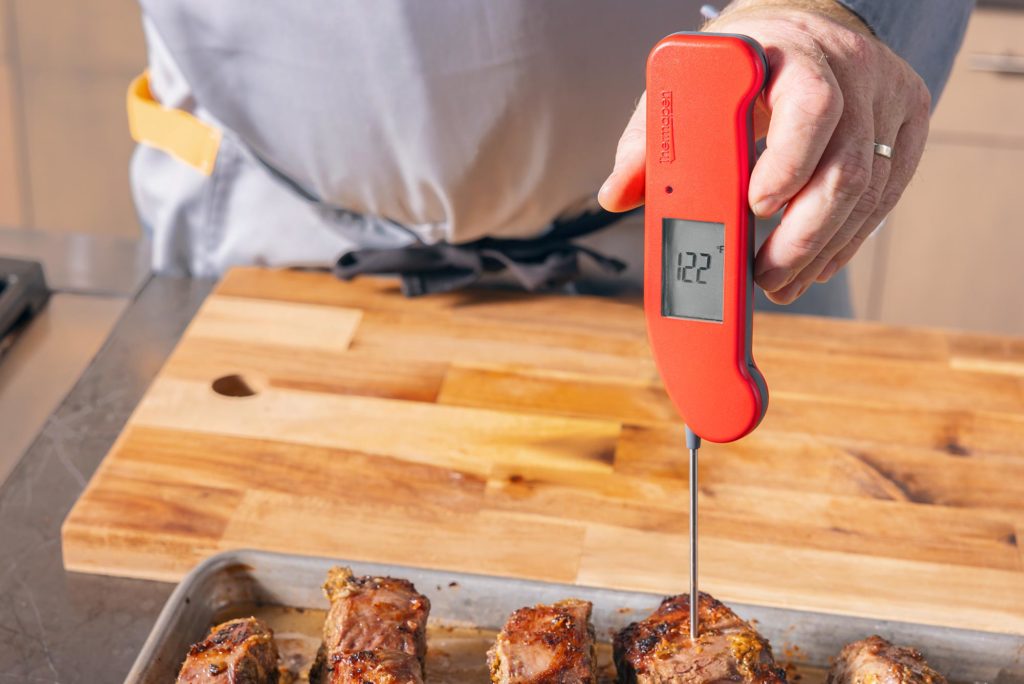
Use a Meat Thermometer (No Guessing)
Color and touch aren’t reliable. Shoulder chops vary in thickness and fat. The only way to nail doneness? Instant-read thermometer. Insert into the thickest part, avoiding bone.
- Rare: 120°F–125°F (very red center)
- Medium-Rare: 130°F–135°F (warm red, juiciest)
- Medium: 140°F–145°F (pink center, USDA safe)
- Well-Done: 150°F+ (dry, tough, avoid)
Remove chops 5–10°F below target. Carryover cooking will raise the temp while resting.
Follow Time Estimates (But Verify)
For ¾-inch chops at medium-high:
– Medium-rare: ~4.5 minutes (flip once)
– Medium: ~8 minutes
For 1-inch+ chops:
– Medium-rare: 6–7 minutes total
– Medium: 8–10 minutes
Thicker chops? Use two-zone: indirect first, then sear. Flip only once to build crust.
Rest and Serve Right

Let Chops Rest 5–10 Minutes
This is non-negotiable. Resting lets juices redistribute. Cut too soon, and all that moisture leaks out. Place chops on a plate, loosely tent with foil. Don’t wrap tightly, since steam softens the crust. Wait at least 3 minutes, better 5–10. The internal temp will rise 5–10°F during this time.
Slice Against the Grain (If Serving Chopped)
For extra tenderness, slice meat against the grain, perpendicular to the muscle fibers. This shortens the fibers, making each bite easier to chew. Works great for lamb burgers or grain bowls.
Plate with Complementary Sides
Balance the richness of lamb with bright, fresh, or starchy sides:
– Grilled veggies: Eggplant, zucchini, bell peppers
– Salads: Spring orzo with peas and asparagus, Greek salad
– Starches: Couscous, Moroccan rice, scalloped potatoes
– Dips: Tzatziki, hummus, garlic yogurt
Squeeze fresh lemon wedges over the top to brighten every bite.
Fix Common Grilling Mistakes
Stop Flare-Ups Fast
Fat dripping causes flames. Instead of spraying water (which spreads grease), move chops to the indirect zone until flames die. Trim large fat pieces beforehand. Never press down on the meat, since it squeezes out juice.
Avoid Dry, Tough Meat
Overcooking is the enemy. Never grill shoulder chops well-done. They lack the fat to stay juicy. Stick to medium-rare or medium. If meat is tough, it likely wasn’t marinated long enough. Overnight is best.
Know When It’s Done (Without a Thermometer)
If you don’t have a thermometer, use the hand test:
– Press the meat. Medium-rare feels like the fleshy part of your palm when you touch your thumb to your middle finger: firm but springy.
– Rare is softer; well-done is very firm.
But really, buy a thermometer. It’s the best $10 you’ll spend.
Store and Reuse Leftovers Safely
Keep Cooked Lamb 3–4 Days
Store leftovers in an airtight container in the fridge. They’ll last 3–4 days. Reheat gently: slice and warm in a skillet over low heat with a splash of water or broth. Avoid microwaving, since it toughens the meat.
Use Cold Chops in Salads
Leftover grilled lamb shines in cold dishes. Chop and toss into a grain bowl, Greek salad, or pita wrap. The flavor deepens overnight.
Freeze Raw Marinated Chops
You can freeze raw marinated chops for up to 3 months. Thaw overnight in the fridge before grilling. Don’t cook from frozen, since texture suffers.
Frequently Asked Questions About Grilling Lamb Shoulder Chops
Do lamb shoulder chops need to be marinated?
Yes. Shoulder chops contain more connective tissue than loin or rib cuts, so marination is essential to break down fibers and add moisture. A minimum of 30 minutes adds flavor, but 8 to 24 hours delivers the best tenderness.
What is the best internal temperature for lamb shoulder chops?
Aim for 130°F to 135°F for medium-rare, which keeps the meat juicy. The USDA recommends at least 145°F for medium. Remove chops 5–10°F below your target to account for carryover cooking during resting.
How long should I grill shoulder chops?
For ¾-inch chops, grill about 4–5 minutes total for medium-rare. For 1-inch or thicker chops, expect 6–10 minutes using a two-zone method. Always verify with a thermometer rather than relying on time alone.
Can I grill lamb shoulder chops on a gas grill?
Absolutely. Preheat all burners on high for 15 minutes, then set up two zones by leaving one burner on high and turning the others to medium. Sear on the hot side, then finish on the cooler side for even cooking.
What’s the difference between shoulder chops and loin chops?
Loin chops are lean, tender, and grill quickly without marination. Shoulder chops are tougher, more flavorful, and significantly cheaper, but they require marinating and more careful cooking to stay tender.
How do I prevent flare-ups when grilling lamb?
Trim excess fat before grilling and use a two-zone fire so you can move chops away from flames when fat drips. Never press down on the meat, and avoid spraying water on flare-ups, which spreads grease.
Key Takeaways for Grilling Juicy Lamb Shoulder Chops
Grilling lamb shoulder chops comes down to three habits: marinate long, grill smart, and rest fully. An overnight soak in acid, herbs, and oil transforms this affordable cut into something tender and bold. A two-zone fire gives you control over searing and cooking without drying out the meat. Pulling at 135°F and resting for 5–10 minutes locks in juices for every bite.
Your next step is simple. Pick up a thick shoulder chop, mix the garlic-rosemary paste tonight, and let it marinate while you sleep. Tomorrow, fire up the grill, follow the two-zone method, and pull the chops at temperature. Serve with grilled vegetables and a squeeze of lemon. You’ll turn a budget cut into a meal that rivals any steakhouse.