How to Clean a Grill Rescue Brush
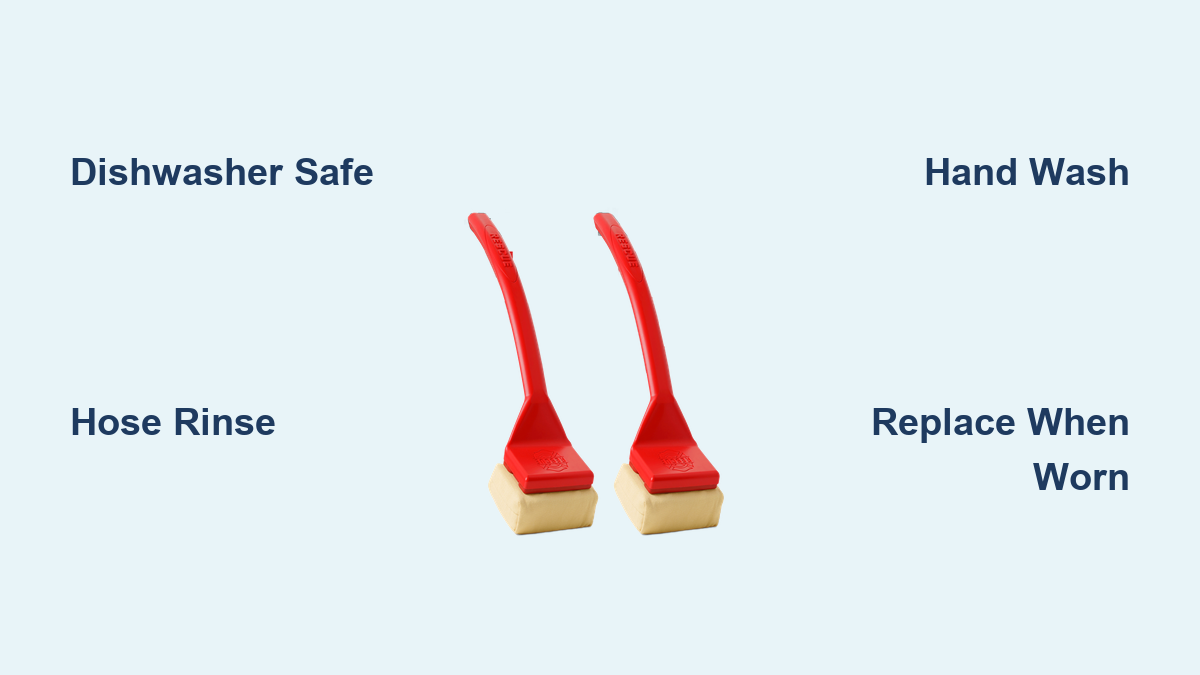
Your Grill Rescue brush takes a beating every time you grill. Char, grease, and carbon buildup coat the cleaning head, leaving it looking rough after just a few uses. The good news is that cleaning a Grill Rescue brush is straightforward and requires nothing more than soap and water. Despite the grimy appearance, the brush is engineered to stay functional long after it loses its bright yellow color.
This guide walks you through three proven cleaning methods, how to remove and replace the head, and what to expect as your brush ages. You will learn that permanent staining is normal, performance matters more than appearance, and proper care can extend a single head well beyond 100 uses.
Dishwasher Cleaning Method

The dishwasher offers the easiest deep-clean, especially when your brush head is caked with stubborn residue.
Safe for High Heat Cycles
The cleaning head is built from heat-resistant materials that survive direct contact with flaming grill grates. A standard hot dishwasher cycle will not melt, warp, or damage the fibers. Place it on the top rack and run it like any other item.
Pre-Rinse Before Loading
A quick rinse under hot tap water before loading helps prevent grease from spreading inside your dishwasher. This step is optional but recommended after cleaning a heavily soiled grill.
Run a Normal Cycle
Once loaded, use these settings:
– Regular dishwashing detergent
– Standard or heavy wash setting
– High-pressure spray and heat do the work
Inspect the head after the cycle. Most grease and residue will be gone, though some staining will remain.
Hose Rinse Technique
The garden hose method is fast, effective, and popular enough to earn the nickname “firefighters’ favorite.”
High-Pressure Spray Works Best
Attach a spray nozzle and direct a strong stream at the brush fibers. The water force knocks loose built-up grease and char particles without any scrubbing.
Add Soap for Sanitizing
Apply mild dish soap to the head before rinsing. Work it in gently with your fingers to lift stubborn grime. Avoid abrasive pads or scrubbing tools that could damage the fibers.
Rinse Thoroughly
Flush the head completely after soaping. Leftover soap can transfer to food during future grilling, so ensure all suds are gone before storing or using the brush again.
Hand Washing Instructions
When you lack a dishwasher or outdoor hose access, hand washing in a sink works just as well.
Use Mild Soap and Warm Water
Fill a basin with warm water and a small amount of gentle dish soap. Submerge the cleaning head and agitate it by hand. No vigorous scrubbing is needed.
Gentle Motion Is Enough
Swirl, squeeze, and release the fibers, similar to washing a delicate garment. The fibers are designed to release debris easily, so light motion dislodges grease effectively.
Final Rinse Is Critical
Drain the soapy water and rinse under clean running water until no bubbles remain. Squeeze out excess water and shake off droplets before air drying.
Remove the Cleaning Head

Detaching the head gives you full access for deeper cleaning or replacement.
Locate the Side Locking Clips
Two spring-loaded clips on the sides of the handle secure the head. They are clearly visible and easy to press.
Press and Pop Off
Follow these steps:
1. Grip the handle firmly in one hand
2. Press inward on both clips simultaneously with your thumbs
3. Apply steady pressure until the head releases with a pop
For better leverage, press one clip with your thumb while using the fingers of your other hand to push the base of the head forward.
Reattach or Replace as Needed
Align the head with the handle and push until the clips snap back into place. If the original head is worn beyond function, replacement heads are available through retail and online channels.
What Not to Do
Some cleaning ideas seem logical but are unsafe or counterproductive.
Never Use Harsh Chemicals
Avoid oven cleaners, degreasers, bleach, or industrial solvents. These can degrade the fibers and leave toxic residues that may contaminate food. Only use soap and water.
Do Not Lick the Brush
Grill Rescue’s official FAQ jokingly references users licking the head clean and explicitly warns against it. Ingesting accumulated grill residue poses health risks and defeats proper hygiene.
Skip the Power Washer
While the brush withstands heat and grill pressure, high-powered pressure washers may damage the fiber structure or dislodge components. Stick to garden hose pressure only.
Expect Staining, Not Failure

A dirty-looking brush does not mean it is broken.
Discoloration Is Permanent
The bright yellow head darkens over time due to heat exposure and grease absorption. This is unavoidable and does not affect performance.
Grease Stains Won’t Wash Out
Even after thorough cleaning, dark spots and streaks remain. This is normal. The product is engineered for function, not aesthetics.
Function Over Appearance
As long as the fibers are intact and flexible, the brush works as intended. Judge readiness by performance, not color.
Cleaning Frequency Guidelines
How often you clean is entirely up to you. There is no mandatory schedule.
Clean After Every Use
Ideal for frequent grillers or those prioritizing sanitation. Keeps grease buildup minimal and extends head life.
Every 5 to 10 Uses
Balances effort and effectiveness. Most users fall into this range, cleaning when visible gunk accumulates.
Only When Replacing
Some users never clean the head, opting to replace it when performance declines. This works, though regular cleaning may stretch each head’s lifespan.
Lifespan and Replacement Signs

Know when it is time to swap out the old head.
Typical Life: 25 to 100 Uses
Most users replace the head within this range, depending on grill type, heat level, and residue volume.
Maximum Life: Over 600 Uses
With proper care and light-duty use, some heads exceed 600 cleanings, proving extreme durability.
Replace Only When Function Fails
Do not replace because it looks bad. Look for these signs:
– Fibers breaking or falling out
– Reduced scrubbing effectiveness
– Inability to remove fresh buildup
Until then, keep using it, even if it is black with age.
Safety and Material Facts
Understanding the brush’s design ensures safe, effective use.
Heat-Resistant by Design
The material survives direct contact with red-hot grates, making hot water rinses and dishwasher cycles completely safe.
Food-Safe Cleaning Only
Since the brush touches cooking surfaces, only food-safe cleaners like dish soap should be used. No chemicals that could transfer to food.
Durable but Cosmetically Fragile
While the fibers resist heat and pressure, they absorb stains permanently. Expect like-new performance, not a like-new look.
Frequently Asked Questions About Grill Rescue Brush Cleaning
Can I put my Grill Rescue brush in the dishwasher?
Yes. The cleaning head is heat-resistant and safe for dishwasher cycles. Place it on the top rack and use regular detergent. Some staining will remain after washing, which is normal.
How do I remove the cleaning head from the handle?
Press inward on the two spring-loaded clips located on the sides of the handle. Use your thumbs to press both clips simultaneously until the head pops off. To reattach, align and push until the clips snap into place.
Why does my Grill Rescue brush look stained even after cleaning?
Permanent discoloration is expected. The yellow fibers absorb grease and carbon over time, and these stains will not wash out completely. This does not affect cleaning performance.
How long does a Grill Rescue cleaning head last?
Typical lifespan ranges from 25 to 100 uses. With proper care and lighter-duty cleaning, some heads exceed 600 uses. Replace only when fibers break or scrubbing effectiveness declines.
What cleaning products should I avoid on my Grill Rescue brush?
Never use oven cleaners, degreasers, bleach, or industrial solvents. These can damage the fibers and leave toxic residues. Use only mild dish soap and water.
Does the Grill Rescue brush come with a warranty?
No standard manufacturer’s warranty is included. Optional extended coverage is available for separate purchase. Contact Grill Rescue support directly for issues not addressed in standard documentation.
Final Maintenance Tips for Your Grill Rescue Brush
Keep your Grill Rescue brush performing at its best with these habits. Always air-dry the head upright or on a rack after cleaning. Avoid enclosing it in a drawer or case while damp to prevent mold or odor. Store the brush in a dry, ventilated area, since humidity accelerates fiber breakdown over time. Consider stocking up on replacement heads so you can rotate them or swap in a fresh one when the current head feels sluggish.
Your Grill Rescue brush is built for war, not for showroom shine. Cleaning it is quick, safe, and essential for hygiene, but never about restoring its color. Use the dishwasher, hose, or sink with soap and water. Remove the head when needed. Replace only when performance drops, not when it looks used. With the right care, one head can last hundreds of cleanings, proving that function always trumps appearance.