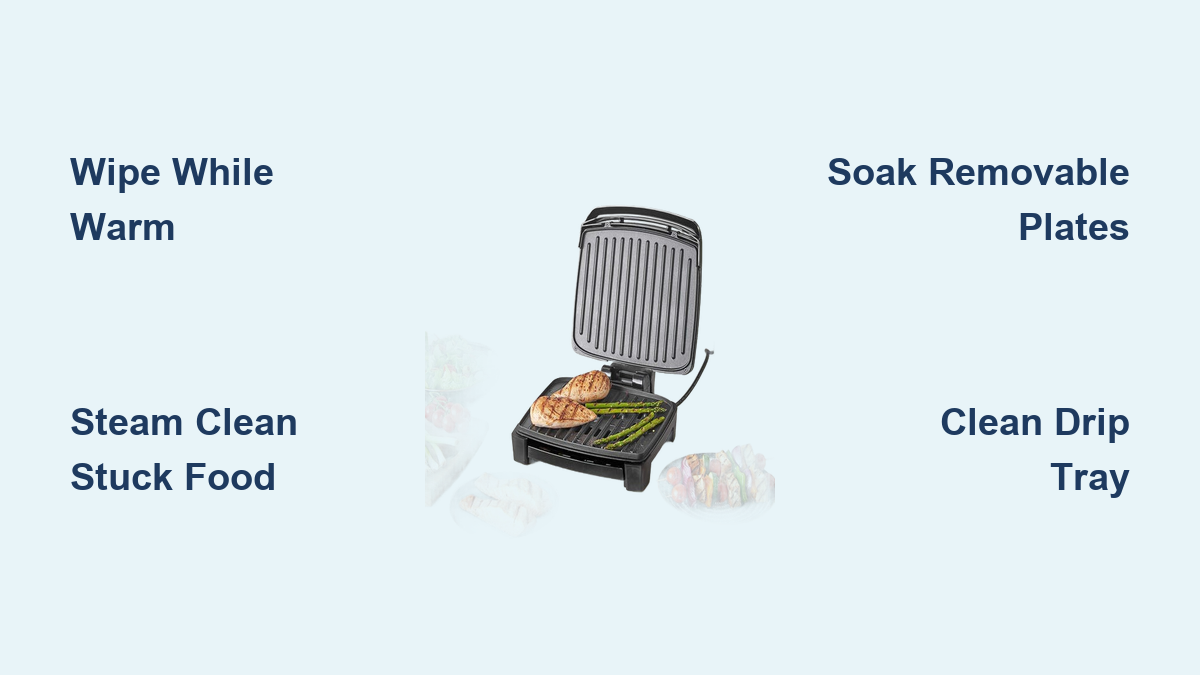
How to Clean a George Foreman Grill
Cleaning your George Foreman grill doesn’t have to be a chore if you know the right techniques. Whether you’re dealing with light grease after a quick breakfast or stubborn residue from last night’s steak dinner, proper cleaning keeps your grill cooking efficiently and extends its lifespan. The key is acting quickly while the unit is still warm and using the correct tools to avoid damaging the non-stick surface. This guide breaks down the safest, most effective ways to clean your grill based on your model type and mess level.
Ignoring cleanup leads to built-up gunk that’s harder to remove later and can even pose a fire risk over time. Plus, leftover grease affects the taste of your food. With the right routine, like a quick wipe while warm or a steam clean for stuck-on bits, you’ll spend less time scrubbing and more time enjoying healthy meals. You’ll also learn how to maintain removable plates, clean the drip tray, and protect the non-stick coating for long-term performance.
Warm Wipe for Daily Cleaning

The fastest way to keep your grill in top shape is the warm wipe method, ideal for everyday use when food residue is fresh.
Wipe While Slightly Warm
After cooking, unplug the grill and let it cool just enough to handle safely, about 5 minutes. The surface should still be warm, not hot, to help loosen grease. Never immerse the unit in water or run it under the tap, as this can damage internal wiring.
Use a damp paper towel, soft cloth, or non-abrasive sponge to wipe both cooking plates. The residual heat softens oils and food bits, making them easy to remove without scrubbing. For models with fixed plates, this is your go-to maintenance step.
Avoid Tearing on Plate Edges
Be careful when wiping the lower plate. Small nubs along the edge can tear paper towels. If this happens often, switch to a reusable microfiber cloth or a non-scratch sponge. These are gentler and won’t snag, reducing cleanup frustration.
Pro tip: Do this immediately after eating. Delaying allows residue to harden into a crust that requires much more effort to remove later.
Steam Cleaning for Stubborn Residue
When a simple wipe isn’t enough, steam cleaning lifts baked-on food safely without harsh scrubbing.
Use Wet Paper Towels to Generate Steam
If food is stuck, reheat the unplugged grill slightly or leave it plugged in for a minute to warm up, but never clean while actively powered. Soak a thick paper towel in water and wring it out well. Too much water can drip into the unit.
Place the damp towel on the lower plate, close the lid, and let it sit for 30–60 seconds. The heat creates steam that softens grime. Use tongs to reposition the towel and repeat as needed to cover all areas.
Remove Loosened Debris Gently
After steaming, open the lid and wipe away the softened residue with a dry or slightly damp paper towel. Repeat the process if necessary. For extra grip, use a soft sponge, but never a steel wool pad or abrasive scrubber. These scratch the non-stick coating.
This method works on both fixed and non-removable plate models, making it a powerful fix when residue won’t budge.
Deep Clean Removable Plates
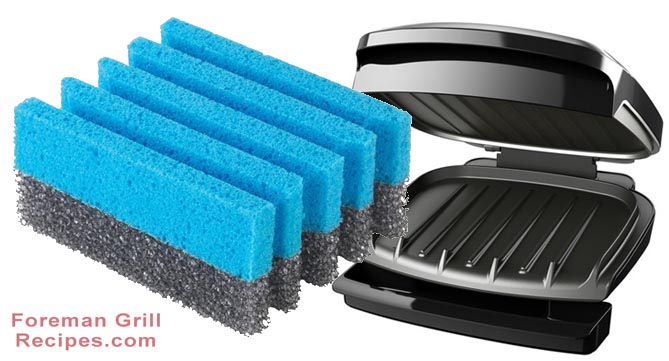
For heavy buildup, removing the plates allows a more thorough clean, provided your model supports it.
Check Plate Removability First
Not all George Foreman grills have removable plates. If unsure, consult your manual or assume they’re fixed. Forcing removal can damage locking mechanisms. On compatible models, unlock and lift the plates straight off.
Never submerge the main unit in water, even a few seconds can cause electrical failure.
Soak and Hand Wash Plates
Fill a sink with warm, soapy water and soak the plates for 10–15 minutes. This loosens stubborn grease and charred bits. Use a soft sponge or cloth to gently wipe the surface. Avoid dishwashers unless the manual explicitly says plates are dishwasher-safe, as most aren’t.
For extra cleaning power, make a paste of baking soda and water. Apply it to tough spots and let it sit for a few minutes before wiping clean.
Dry Completely Before Reassembly
After washing, dry plates and drip tray thoroughly with a towel, then air-dry for a few minutes. Moisture in crevices can lead to rust or electrical issues. Reattach plates only when completely dry.
Maintain the Drip Tray Regularly

The drip tray catches grease and prevents messes, but it needs cleaning to avoid odors and clogs.
Empty and Wash After Use
Slide out the drip tray, usually at the front, and discard collected grease. Wash it with warm, soapy water and a soft brush. For lingering smells, soak it in soapy water for 10 minutes or wipe with a vinegar-dampened cloth.
If your tray is metal, avoid harsh chemicals. If plastic, don’t expose it to extreme heat or abrasive pads.
Clear the Drain Channel
Grease flows from the plates into the tray through a small channel. Check this path regularly, as built-up residue here can cause overflow. Wipe it clean with a cotton swab or damp cloth.
A clogged drain leads to messy leaks during cooking, so keep it clear for hassle-free grilling.
Clean the Exterior Safely
The outer shell and housing collect splatters and fingerprints. Clean them without risking damage.
Wipe with Damp Cloth Only
Use a slightly damp microfiber cloth to wipe the exterior and inside housing. Never spray water directly onto the unit. For sticky spots, dampen the cloth with a drop of dish soap.
Avoid soaking any part of the main unit, since moisture inside can short-circuit the electronics.
Tackle Grease with Baking Soda
For greasy buildup on the body, mix baking soda with a little water to form a paste. Apply it with a soft sponge and gently rub the affected area. Wipe clean with a damp cloth.
This natural solution cuts through grime without damaging plastic or painted surfaces.
Prevent Damage During Cleaning
Protect your grill’s performance by avoiding common mistakes that harm the non-stick coating.
Never Use Metal Utensils or Scrubbers
Metal tongs, spatulas, or scouring pads scratch the non-stick surface. Once damaged, food sticks more easily and cleanup becomes harder. Stick to wooden, silicone, or plastic tools.
Even light scratches degrade the coating over time, so be consistent with safe tools.
Skip the Cooking Spray
Aerosol sprays leave a sticky residue that builds up over time and is tough to remove. They can also degrade the non-stick layer. Instead, lightly brush plates with oil using a silicone brush.
This gives the same non-stick benefit without the long-term damage.
Store Properly After Cleaning
How you store your grill affects its longevity and hygiene.
Dry Completely Before Storing
Always ensure plates, drip tray, and housing are fully dry. Trapped moisture encourages mold and odors, especially in warm environments.
Air-dry all parts on a rack or towel before reassembling or storing.
Keep Lid Open for Airflow
Store the grill with the lid open to prevent musty smells and moisture buildup. Closed units trap humidity, which can corrode internal parts over time.
If space is tight, close it only after confirming everything is bone-dry.
Wrap Cord Neatly
If your model has a detachable power cord, unplug and coil it gently. Avoid sharp bends or tucking it under pressure, which can damage the wires.
A damaged cord is a fire hazard, so handle it with care.
Prevent Future Buildup Easily

Reduce cleaning time with smart habits that protect your grill from day one.
Use Aluminum Foil as a Barrier
Line the plates with aluminum foil before cooking. It catches drips and prevents direct contact with food, making cleanup a one-wipe job.
Poke a few holes in the foil to allow fat to drain properly, just like the grill’s design intends.
Clean Immediately After Cooking
Wait only long enough to avoid burns, then clean. The longer you wait, the harder residue becomes. A 5-minute post-meal wipe saves 20 minutes of scrubbing later.
Make it part of your routine: eat, unplug, wipe, store.
Choose the Right Cleaning Tools
Stick to soft sponges, cloths, paper towels, and wooden or silicone utensils. Keep abrasive tools out of reach, even if they seem gentle, they can micro-scratch over time.
Invest in a non-scratch sponge dedicated to your grill for best results.
Frequently Asked Questions About Cleaning a George Foreman Grill
Can you put George Foreman grill plates in the dishwasher?
Most George Foreman grill plates are not dishwasher-safe. Unless your specific model’s manual explicitly states otherwise, hand wash them in warm, soapy water to protect the non-stick coating.
How do you remove stuck-on food from a George Foreman grill?
Use the steam cleaning method. Place a wet paper towel on the warm grill, close the lid for 30–60 seconds, then wipe away the loosened debris with a soft cloth or sponge.
Is it safe to clean a George Foreman grill with water?
You can use water on the cooking plates and drip tray, but never immerse the main electrical unit. Always wipe the exterior with a damp cloth only, never spray water directly onto it.
What should you not use to clean a George Foreman grill?
Avoid metal utensils, steel wool, abrasive scrubbers, and aerosol cooking sprays. These scratch the non-stick surface or leave sticky residue that’s hard to remove.
How often should you deep clean your George Foreman grill?
For regular users, a deep clean every 2–4 weeks works well. If you cook daily, consider a weekly deep clean of removable plates and the drip tray to prevent buildup.
Why does my George Foreman grill smell after cleaning?
Lingering odors usually come from grease trapped in the drip tray or drain channel. Soak the tray in soapy water and clear the channel with a cotton swab to eliminate smells.
Key Takeaways for Keeping Your George Foreman Grill Clean
Cleaning your George Foreman grill doesn’t require harsh chemicals or heavy scrubbing, just timing, the right tools, and a few smart habits. Wipe while warm for daily maintenance, use steam for stuck-on food, and deep clean removable plates monthly. Always avoid water exposure to the main unit, skip metal tools, and store with the lid open to prevent odors and moisture damage.
Start your next cleanup right after your next meal. Unplug the grill, wait 5 minutes, and do a quick warm wipe. Your future self will thank you when there’s no crusty residue to scrub.