How to Extinguish a Charcoal Grill Safely
You’ve just finished grilling the perfect steaks, and everyone’s heading inside with full bellies. But before you wrap up, one critical task remains: putting out the coals. Knowing how to extinguish a charcoal grill properly protects your family, home, and property from preventable fires and injuries.
The method you choose depends on your timeline, equipment, and whether you want to reuse the charcoal. This guide covers proven techniques, safety precautions, and disposal best practices so you can shut down your grill with confidence every time.
Close the Vents and Lid to Suffocate the Fire
Starve the Coals of Oxygen
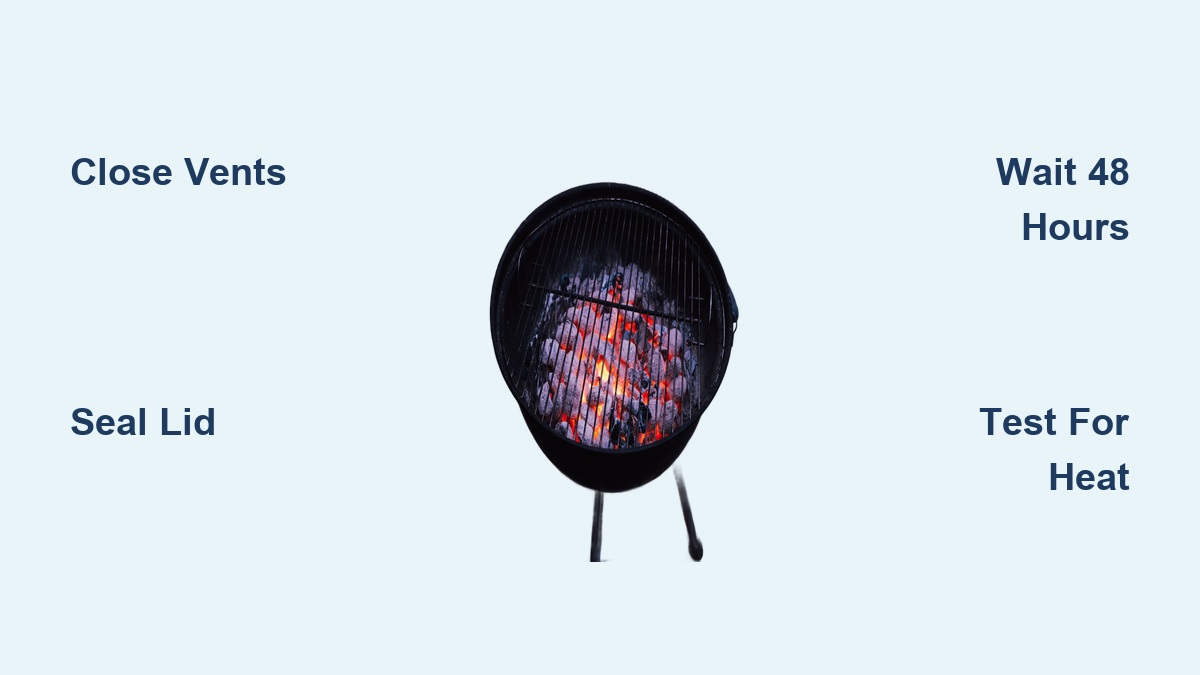
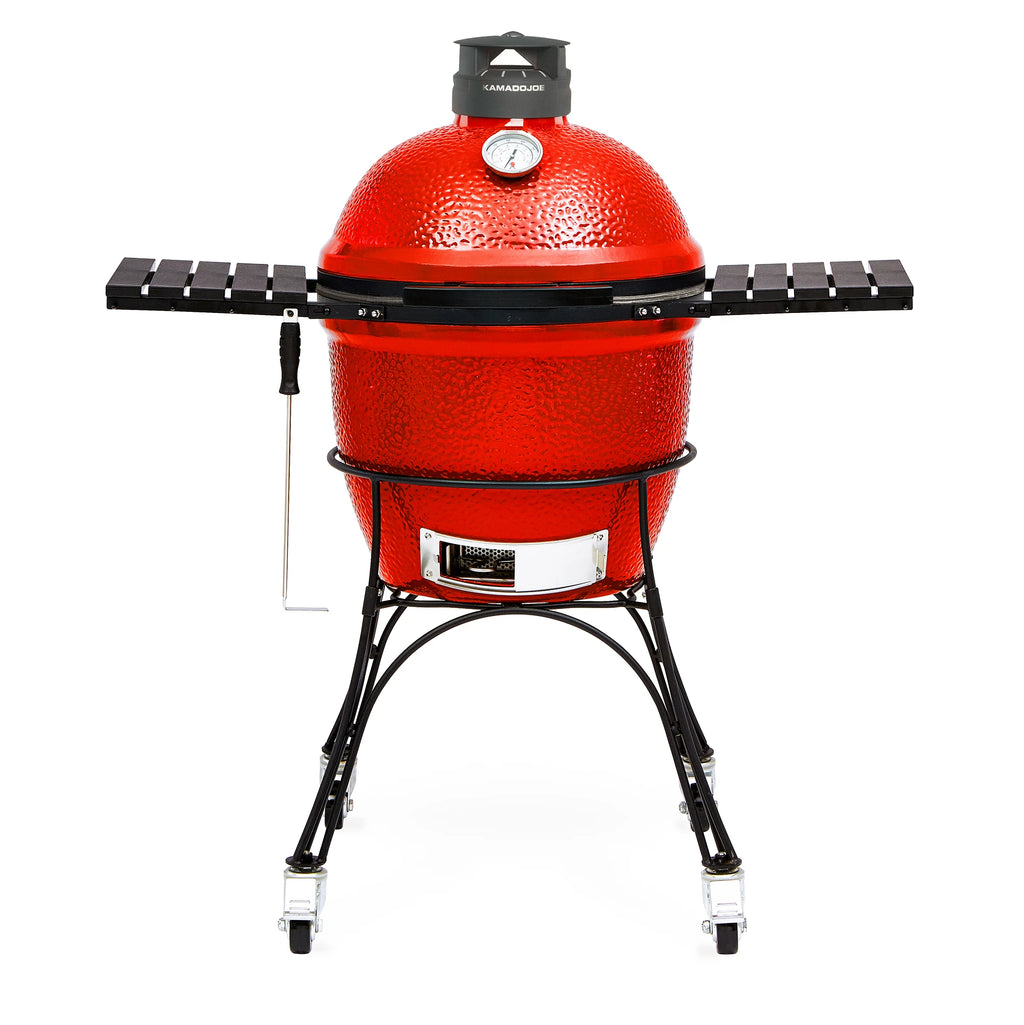
The safest and most recommended method for extinguishing a charcoal grill is suffocation. This technique works by cutting off the oxygen supply that fuels combustion. Start by closing all bottom air vents on the grill’s base. These vents feed the fire with fresh air, so shutting them removes its lifeline.
Next, close the damper on the lid completely. Make sure the lid fits snugly against the grill body to create an airtight seal. Even a small gap can allow enough oxygen to keep embers alive for hours. Once sealed, the coals will gradually lose heat and extinguish on their own without any mess or water.
This method preserves partially burned charcoal for future use, making it ideal when you don’t need to dispose of ash immediately.
Wait 48 Hours Before Handling
After sealing the grill, wait at least 48 hours before opening or handling the coals. Ash insulates heat extremely well, and embers can stay dangerously hot for days even when the surface appears cool. While some sources cite 12 to 24 hours as sufficient, the 48-hour rule eliminates any risk of dormant embers reigniting.
Keep the grill outdoors in a safe, open area away from structures, decks, and dry vegetation during this waiting period. Never bring a recently extinguished grill into a garage, shed, or enclosed space. Smoldering coals emit carbon monoxide, which can accumulate to lethal levels in confined areas.
Douse Coals with Water When Time Is Short
Avoid Steam Explosions
When you need to extinguish the grill immediately, such as at a park or after a quick cook, water dousing is the fastest option. However, it must be done with extreme caution. Never pour water rapidly onto hot coals. The sudden contact creates a violent steam explosion that releases scalding vapor and can launch hot ash into the air, causing serious burns or starting secondary fires.
Instead, wear heat-resistant gloves and slowly pour water over the coals while stirring with a metal tool. Use a spray bottle for light misting if only small embers remain. Stir continuously to expose hidden hot spots and ensure full saturation. Only proceed once hissing stops completely, as this confirms all embers are out.
Dispose of Wet Ash Properly
Once doused, the coals turn into a wet sludge that requires careful handling. Scoop the mixture using a metal shovel into a non-combustible container. Never use a plastic bin or bag for this step. If transporting, double-wrap the sludge in heavy-duty aluminum foil before placing it in a metal trash can. Avoid leaving wet ash in the grill, as moisture accelerates rust and corrosion on the metal components. Note that water-doused charcoal cannot be reused.
Reuse Partially Burned Charcoal
Transfer Coals to a Sealed Metal Container
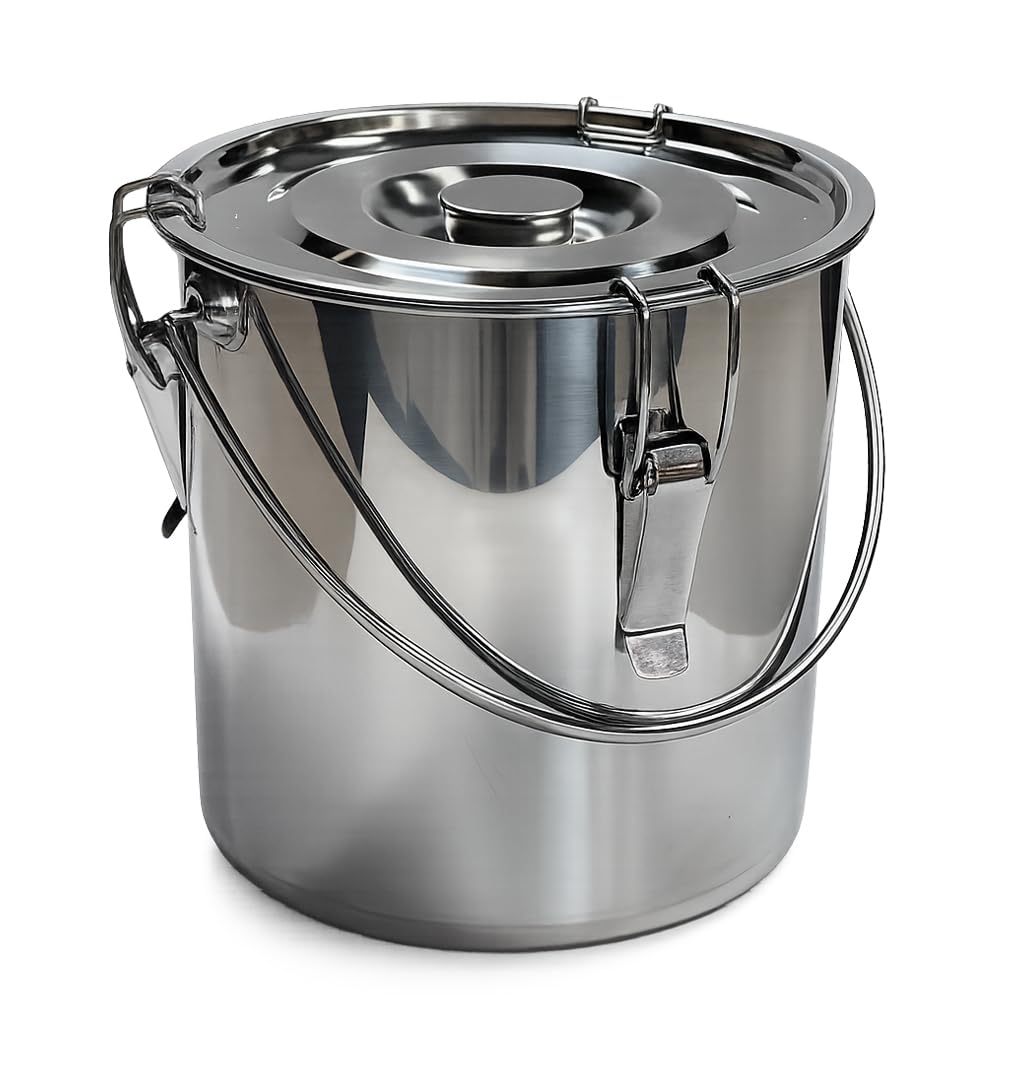
If you’re using high-quality lump charcoal or Binchotan, preserving unused fuel makes economic and environmental sense. The key is stopping combustion without water. While coals are still hot, use a fireplace shovel to transfer them into a metal container with a tight-fitting lid, such as a stainless steel pot or galvanized bucket. Avoid containers with plastic parts or coatings that could melt.
Seal the lid immediately. Without oxygen, the coals extinguish within minutes. Let the container sit undisturbed until fully cooled, typically 12 to 24 hours. Stainless steel or cast iron pots are preferred over galvanized options if you’re concerned about chemical reactions at high heat.
Dry and Store for Next Use
Once cold, open the container and spread the coals out to dry completely. Moisture leads to mold and makes lighting difficult later. Store dried coals in a dry, ventilated container or directly in the grill if protected from rain. Do not mix used coals with fresh ones during storage unless fully dry, as damp fuel won’t ignite properly and produces excess smoke.
Confirm Coals Are Fully Cold Before Disposal

Test for Hidden Heat
Never assume coals are safe just because they’ve stopped glowing. Ash can mask intense heat beneath the surface, so always verify the temperature before disposal. Use a gloved hand to hover over the ash without touching it. If you feel radiant heat, the coals are still active. For precise results, use an infrared thermometer to confirm the temperature is near ambient.
Visually inspect for any red or orange embers. Even a single glowing speck can reignite when exposed to air. This step is non-negotiable, as thousands of outdoor fires start each year from improperly cooled grill ash dumped in trash cans or on patios.
Avoid Premature Ash Removal
Even if the grill feels cool on the outside, internal components may retain heat. Wait until both the coals and the grill body reach room temperature before cleaning or covering. Removing ash too early risks burns and increases the chance of accidental contact with live embers.
Dispose of Ash Safely and Responsibly
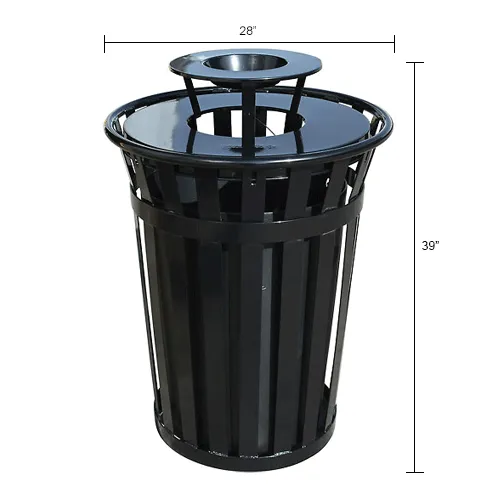
Wrap in Foil or Use a Metal Bin
Once confirmed cold, scoop the ash into a metal container with a lid or wrap it tightly in heavy-duty aluminum foil. This prevents accidental contact and contains any residual warmth. Place the wrapped package or container into an outdoor trash bin made of metal. Never use plastic bags or bins, even if the ash seems cold, as residual heat can melt plastic and ignite nearby materials.
For added safety, some grillers pour sand into a metal can, place cooled ash on top, then cover with more sand. This further insulates the material and prevents thermal transfer.
Never Compost or Dump on Ground
Used charcoal, especially briquettes, contains additives like binders, accelerants, and limestone that do not break down organically. Brands like Kingsford™ include ingredients that can alter soil pH and harm plants. Do not compost charcoal ash or use it as garden fertilizer. While wood ash from natural lump charcoal can be used sparingly in gardens, commercial briquettes are not safe for this purpose.
Also, never dump ash on the ground, wooden decks, or near dry grass. Even cold ash can contain reactive particles that may ignite under the right conditions.
Handle Park or Travel Grilling Scenarios
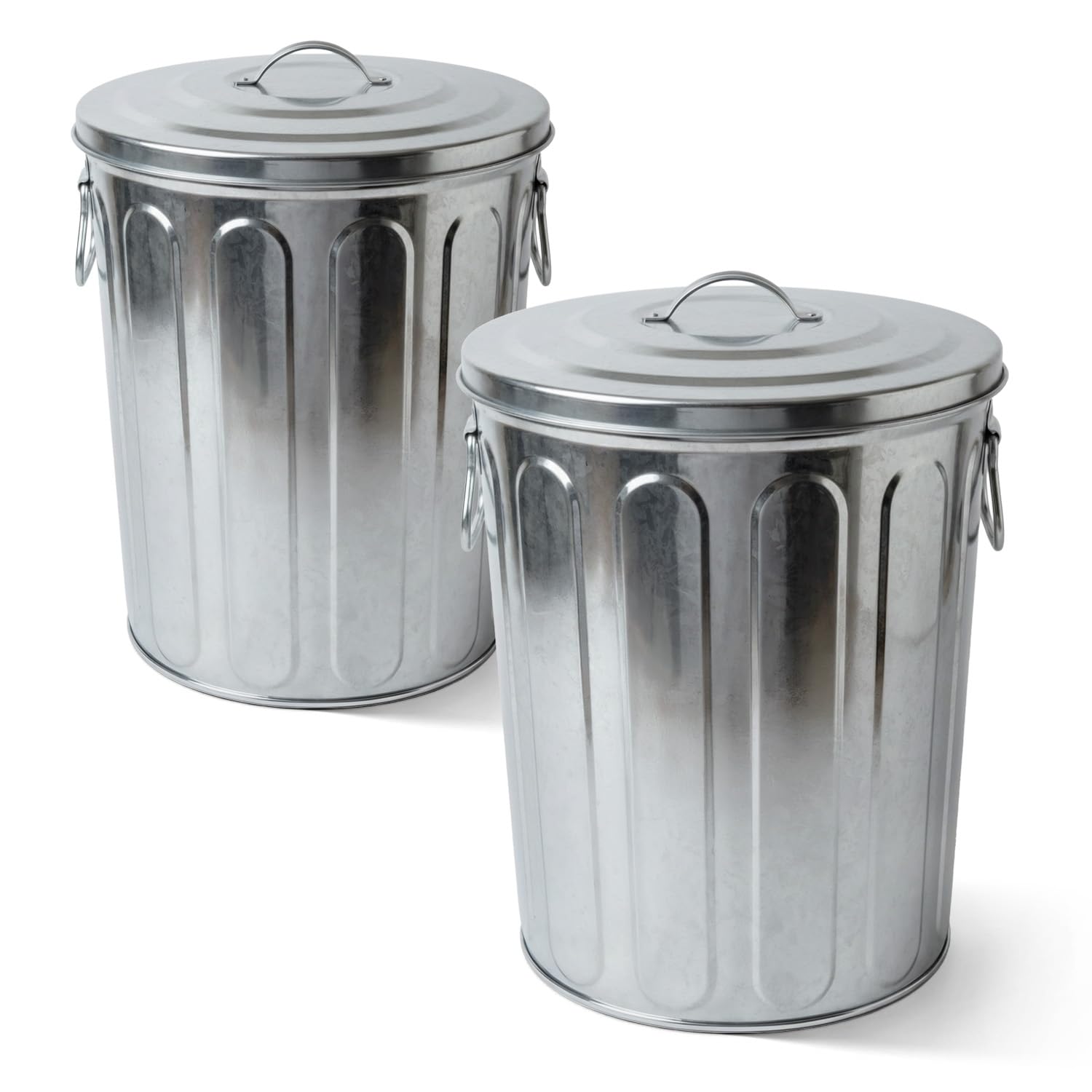
Pack Out Hot Coals Responsibly
Grilling at a park or campsite comes with unique challenges, including no permanent ash disposal, strict departure times, and limited tools. You can’t leave the grill to sit for 48 hours, so plan ahead. Bring a 5-gallon galvanized metal trash can with a lid and carefully transfer hot coals into it using a metal scoop. If water is available, slowly douse the coals inside the can, let them cool, then pour off excess water before transport.
Alternatively, use a disposable aluminum pan filled with water. Scoop coals directly into the pan, let them soak until cool, then dispose of responsibly. If allowed, double-wrap cooled sludge in foil and carry it home. Never leave coals in public grills, as they pose a fire hazard and violate most park regulations.
Use Foil Pouches for Emergency Snuffing
When no water or container is available, create a heavy-duty aluminum foil pouch large enough to hold all coals. Place hot coals inside, add a small amount of water to stop burning, then seal the pouch tightly. Let it cool completely on a non-flammable surface before handling. This method is messy but effective in emergencies. Avoid placing foil-wrapped coals in vehicle trunks or passenger areas until fully cold.
Prevent Common Safety Hazards
Avoid Carbon Monoxide Risks
Carbon monoxide is a silent killer that is odorless, colorless, and deadly. When coals smolder under a closed lid, they produce CO. Never bring a recently used grill indoors, even if the fire seems out. Even in a garage with the door open, CO can accumulate to dangerous levels. Always allow the grill to cool completely outside in open air before moving it near any structure.
Symptoms of CO poisoning include dizziness, nausea, and confusion. If suspected, seek fresh air and medical help immediately.
Stop Reignition from Insulated Ash
Ash is an excellent insulator, capable of keeping embers alive for up to 72 hours. This is why seemingly cold ash can reignite when disturbed or exposed to wind. Always follow the 48-hour suffocation rule. If using water, stir thoroughly to ensure all layers are saturated. Never store ash near combustible materials. A metal can stored on a concrete pad is the safest option.
Protect Your Grill from Damage
Cool the Grill Body Before Covering
A common mistake is placing a cover on a warm grill. Trapped heat damages fabric covers, causing them to melt or degrade. Worse, condensation forms inside, accelerating rust on steel components. After extinguishing the fire, open the vents and hang the lid on the side hook. This allows airflow to flush residual heat from the grill body.
Wait until the metal is cool to the touch, usually 30 to 60 minutes, before applying the cover. This simple step extends your grill’s lifespan and prevents moisture buildup.
Maintain Vents and Clean Regularly
Clogged vents prevent proper oxygen control, making it harder to extinguish the fire and increasing burn time. After each use, once the grill is cold, clear ash from the bottom vents using a brush or compressed air. Avoid using water to clean the interior while hot, as thermal shock can warp metal and moisture promotes corrosion. Regular maintenance ensures reliable performance and safer shutdowns every time.
Frequently Asked Questions About Extinguishing a Charcoal Grill
How long does it take for charcoal to burn out completely?
When using the suffocation method, charcoal typically requires at least 48 hours to cool completely. Some sources cite 12 to 24 hours as a minimum, but waiting the full 48 hours eliminates the risk of dormant embers reigniting.
Can I pour water on hot charcoal to put it out faster?
Yes, but only if you pour it slowly while stirring continuously. Pouring water rapidly creates a dangerous steam explosion that can cause severe burns and scatter hot ash. Always wear heat-resistant gloves and stand upwind when using this method.
Is it safe to leave charcoal in the grill overnight?
Yes, the suffocation method is designed for this. Close all vents and the lid tightly, then leave the grill undisturbed for at least 48 hours. Keep it outdoors in an open area away from structures and dry vegetation.
Can I put charcoal ash in my garden or compost?
No, standard briquettes contain additives like binders and limestone that do not break down organically and can harm soil chemistry. Never compost charcoal ash or use it as fertilizer. Wood ash from natural lump charcoal can be used sparingly, but commercial briquettes are not safe for gardens.
What should I do with coals at a park with no ash disposal?
Bring a 5-gallon galvanized metal trash can with a lid. Transfer hot coals into it using a metal scoop, then douse slowly with water if available. Alternatively, use a disposable aluminum pan filled with water to soak the coals until cool, then dispose of responsibly.
How do I know when coals are safe to throw away?
Verify cooling by hovering a gloved hand over the ash to check for radiant heat. Use an infrared thermometer for precise readings, and visually inspect for any red or orange embers. Only dispose of ash when it has reached ambient temperature with no visible glow.
Key Takeaways for Safely Extinguishing Your Charcoal Grill
Extinguishing a charcoal grill properly comes down to three priorities: cutting off oxygen, verifying complete cooling, and disposing of ash responsibly. The suffocation method remains the safest and cleanest option when time allows, while careful water dousing works for quick turnarounds. Always verify that coals are fully cold before disposal, and never use plastic bins or compost for ash. Your next step is simple: gather your heat-resistant gloves and metal tools now so you’re prepared the next time you finish grilling.