
How to Clean a Traeger Grill
If you own a Traeger pellet grill, knowing how to clean a Traeger grill properly isn’t just about keeping it looking good. It’s essential for performance, flavor, and safety. Over time, grease, ash, and food residue build up inside the grill, leading to inconsistent temperatures, flare-ups, and even fire hazards. A dirty firepot can clog the auger, while moisture in the hopper from uncleaned remnants may cause pellet swelling and feeding issues.
Regular cleaning preserves the integrity of your grill’s ceramic-coated grates and powder-coated exterior, ensures even heat distribution, and extends the life of your investment. This guide walks you through every step, from quick post-cook maintenance to seasonal deep cleaning, so your Traeger delivers restaurant-quality results every time.
After-Use Cleaning Routine
Cleaning immediately after each cook prevents stubborn buildup and makes deep cleans faster. The key is acting while components are warm, but not hot.
Scrape Grates While Warm
Once cooking ends, leave the grill on Smoke mode for 5–10 minutes to burn off excess residue. Then, use a hardwood grill scraper or nylon brush to remove stuck-on food from the grates. Never use a wire brush, as bristles can break off, damage the ceramic coating, and void your warranty. Focus on grooves where grease collects, then wipe both sides with a heavy-duty paper towel while still warm.
Replace Drip Tray Liner
Traeger grills use foil liners in the drip tray to catch grease. After every cook, remove and discard the used liner. This simple step prevents rancid odors, reduces flare-ups, and keeps the grease system functional. If you skip this, hardened grease will be much harder to remove later.
Wipe Exterior Spills
Use a damp cloth with mild soapy water to wipe down the lid, handle, and control panel. Avoid abrasive pads or oven cleaners that scratch the powder-coated finish. Cleaning small spills now prevents staining and corrosion over time.
Clean Grease System Every 5–10 Cooks
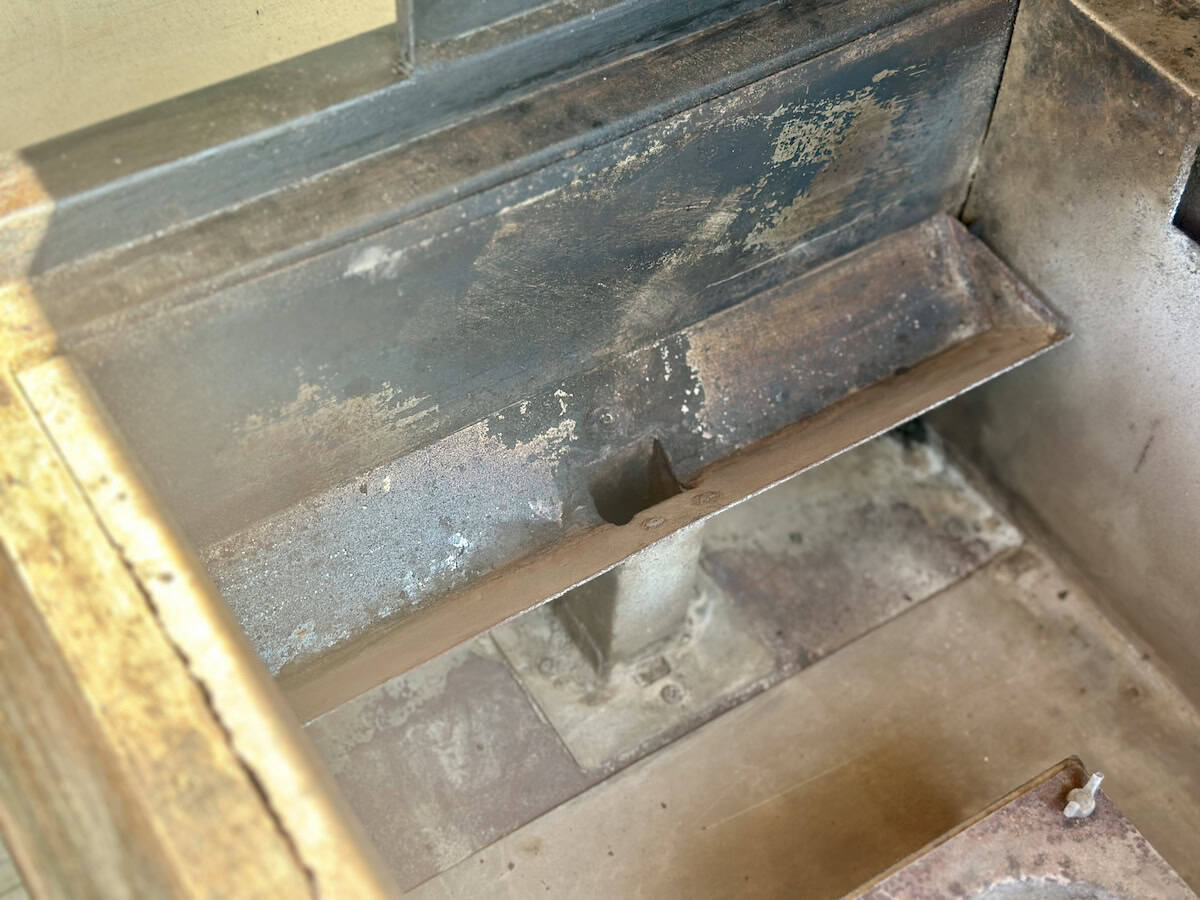
Grease buildup is the leading cause of flare-ups and smoke issues. Cleaning the entire grease pathway every few cooks keeps your Traeger safe and efficient.
Empty Grease Bucket
Locate the grease bucket beneath the grill and let it cool completely before removing. Pour cooled grease into a disposable container. Never pour it down the sink. Clean the bucket with hot, soapy water. For easier future cleaning, line it with aluminum foil before reinserting.
Clear Grease Drain Tube
Use a metal spatula or tongs to scrape built-up grease from the drain pan and tube. Do this while slightly warm (but not hot) for smoother removal. A blocked tube means grease pools inside, increasing fire risk. Check that the flow path to the bucket is clear.
Inspect Grease Channels by Model
- Pro Series: Clean chimney interior and side grease channels.
- Timberline/Ironwood: Clean the Grease Governor cap, Grease Tube, and Grease & Ash Keg.
- Woodridge: Use the EZ-Clean Keg, empty and replace after each use.
- Downdraft Models: Clear the internal downdraft system of soot and oil.
Deep Clean Firepot and Interior
Ash accumulation blocks airflow, disrupts combustion, and leads to poor temperature control. Vacuum the firepot and interior every 5–10 cooks or when WiFIRE alerts “Clean Grill.”
Remove Grates and Baffle
Take out the grill grates, heat baffle (also called a heat shield), and drip tray. These components sit above the firepot and must be cleared for full access. Set them aside for cleaning.
Vacuum Ash from Firepot
Wait until the grill is completely cold. Use a shop vacuum (never a household vacuum) to extract ash from:
- Inside the firepot
- Around the auger opening
- Under the heat shield
- The bottom of the firebox
Ensure no ash remains near the igniter or fan. Even small amounts can interfere with startup.
Clean Baffle and Drip Tray
Wash the heat baffle and drip tray with warm, soapy water or Traeger All Natural Cleaner. Grease often hides under the foil liner, so clean that area thoroughly. Dry completely before reinstalling.
Clean Grill Grates Thoroughly

While scraping after each cook helps, deep cleaning grates monthly removes carbonized residue and restores non-stick performance.
Spray and Soak with Degreaser
Apply an all-natural degreaser (like Traeger All Natural Cleaner or a mix of vinegar, water, and dish soap) to both sides of the grates. Let sit for 5–10 minutes to loosen stuck-on gunk.
Scrub with Safe Tools
Use a nylon brush or plastic putty knife to gently scrub the grates. For models like Pro Series, a hardwood scraper works well in the grooves. Avoid metal tools on Timberline or Ironwood grates, as they are not compatible.
Rinse and Dry Completely
If washing outdoors or in a sink, rinse off all cleaner residue. Dry grates with a towel or let air-dry fully. Moisture leads to rust, especially during storage.
Maintain Hopper and Auger
A clogged auger stops pellets from feeding, causing flameouts. Prevent this by keeping the hopper clean and dry.
Empty Old Pellets
Remove all remaining pellets from the hopper. Old or damp pellets degrade and expand, jamming the auger. Store unused pellets in a sealed container indoors.
Vacuum Hopper and Auger Tube
Use the shop vacuum to remove sawdust and fines from the hopper and the auger feed tube. These tiny wood particles are often overlooked but are a leading cause of clogs.
Wipe and Dry Interior
Wipe the hopper walls with a dry cloth. Never use water, as moisture causes pellets to swell. Ensure the hopper is fully dry before refilling.
Clean Exterior and Final Assembly
The outside of your Traeger takes abuse from weather, grease splatter, and UV exposure. A clean exterior protects the finish and maintains curb appeal.
Wipe Down with Mild Cleaner
Mix warm water with dish soap or use an all-natural degreaser. Spray the lid, sides, and control box, then wipe with a soft cloth. Avoid abrasive pads or steel wool that scratch the surface.
Avoid Chemical Damage
Never use oven cleaner, bleach, or ammonia-based products. They strip the powder coating and can damage electronic components near the controller.
Reassemble in Order
Reinstall components in reverse order:
- Heat baffle
- Drip tray with fresh foil liner
- Grease bucket (lined with foil if desired)
- Grill grates
Ensure everything sits flush, especially the baffle and firepot, to maintain proper airflow.
Season Grates to Prevent Rust
After cleaning, always season the grates to protect against moisture and improve cooking performance.
Apply High-Heat Oil
Use canola oil, Traeger Cast Iron Conditioner, or another high-smoke-point oil. Dip a paper towel in oil and, using tongs, rub it evenly over the grates.
Heat to Set Seasoning
Set the grill to Smoke or High for 15–20 minutes. This burns off excess oil and creates a protective layer that prevents rust and sticking.
Pro Tip: Season after every deep clean and before long-term storage.
Model-Specific Cleaning Tips
Different Traeger lines have unique features. Tailor your cleaning routine to your model.
Timberline and Ironwood Series
- Wooden scrapers are not compatible with these grates. Use only nylon brushes.
- Remove the Grease Governor cap and clean the tube monthly to prevent clogs.
- Empty the Grease & Ash Keg every 5–10 cooks and scrub with soapy water.
Woodridge with EZ-Clean Keg
- Enjoy one-step disposal. Just lift out the keg and replace. It is designed for mess-free cleanup.
- Ideal for frequent users who want minimal downtime.
Pro Series (Chimney Models)
- For chimney cleaning, push a cloth or paper towel through the chimney using tongs to remove soot.
- Focus on the upper grease channels near the lid.
Flatrock / Irontop Griddles
- Clean the flat cooktop after every use.
- Use the Flat Top Grill Essentials Kit with natural cleaner and seasoning oil.
- Scrape while warm, then re-season to maintain non-stick performance.
Troubleshoot Common Cleaning Issues
Even with regular care, problems arise. Here’s how to fix them fast.
Why Is My Traeger Flaring Up?
Grease buildup in the drain tube or drip tray is the likely cause. Empty the grease bucket, scrape the drain pan, and ensure the tube is clear. Replace foil liners after every cook.
Can’t Maintain Temperature?
Ash in the firepot restricts airflow. Vacuum the firepot and interior. Check that the fan and igniter are free of debris.
Auger Jamming?
Wet or old pellets expanded in the auger tube are the usual culprits. Empty the hopper, vacuum the auger path, and store pellets in a dry, sealed container.
Excess Smoke at Startup?
Old grease burning off or poor airflow may be to blame. Deep clean the grease system and firepot. Ensure vents aren’t blocked.
Prevent Rust and Extend Lifespan
Proper maintenance prevents corrosion and keeps your Traeger running like new for years.
Keep It Covered
Use a Traeger grill cover when not in use, especially in rain or snow. Moisture is the enemy of metal components.
Store Pellets Properly
Keep extra pellets in airtight bins. Exposure to humidity causes expansion and auger jams.
Clean Before Storage
If storing for weeks or months:
- Empty the hopper
- Vacuum the firepot and interior
- Clean and season the grates
- Cover the unit
Best Cleaning Agents and Tools
Using the right products protects your grill and warranty.
| Task | Recommended | Alternatives | Avoid |
|---|---|---|---|
| Grate Cleaning | Nylon brush, hardwood scraper | Plastic putty knife | Wire brushes |
| Degreasing | Traeger All Natural Cleaner | Vinegar + soap, lemon halves | Oven cleaner, bleach |
| Exterior Wash | Soapy water, soft cloth | All-natural spray | Scouring pads |
| Ash Removal | Shop vacuum | – | Sweeping, household vacuum |
| Seasoning | Canola oil, cast iron conditioner | Grapeseed, avocado oil | Olive oil (low smoke point) |
Pro Tip: Many users skip chemical cleaners entirely. Burning off residue on High for 30 minutes, then scraping with a plastic tool, works for light maintenance.
Frequently Asked Questions About Traeger Grill Cleaning
How often should I deep clean my Traeger grill?
You should perform a deep clean at least once per season. Between deep cleans, vacuum the firepot and clean the grease system every 5–10 cooks. WiFIRE-enabled grills send a “Clean Grill” notification every 35 cooks to help you stay on track.
Can I use a wire brush on Traeger grill grates?
No. Wire brushes are strictly prohibited because they damage the ceramic coating on grates and may void your warranty. Use a nylon brush, hardwood scraper, or plastic putty knife instead.
What should I do if my auger keeps jamming?
Auger jams usually result from wet or old pellets expanding inside the tube. Empty the hopper completely, vacuum out sawdust and fines from the auger path, and store all future pellets in a sealed, dry container to prevent moisture exposure.
Is it safe to pour Traeger grease down the sink?
Never pour grease down the sink or into gutters. Always let it cool completely, then pour it into a disposable container and throw it in the trash. For easier cleanup, line your grease bucket with aluminum foil before each cook.
Why does my Traeger produce excess smoke at startup?
Excess smoke typically comes from old grease burning off or restricted airflow. Perform a deep clean of the grease system and firepot, then check that all vents and the chimney are clear of debris.
Do I need to season my grill grates after every clean?
Yes. Seasoning after each deep clean creates a protective layer that prevents rust and improves non-stick performance. Apply high-smoke-point oil like canola or Traeger Cast Iron Conditioner, then heat the grill on Smoke or High for 15–20 minutes to set the seasoning.
Final Takeaways for Mastering Traeger Grill Care
Knowing how to clean a Traeger grill properly means better-tasting food, safer operation, and longer equipment life. Stick to a simple schedule: scrape grates and replace liners after every cook, vacuum ash and clean grease every 5–10 cooks, and perform a full deep clean seasonally. Use only approved tools and cleaners to avoid damaging surfaces or voiding your warranty.
With just 20–30 minutes of regular care, your Traeger will deliver consistent heat, rich smoke flavor, and years of reliable service. Start with a post-cook scrape tonight, set a reminder for your next deep clean, and enjoy the confidence that comes with a well-maintained grill.