How to Fix Gas Grill Not Lighting
Nothing ruins a weekend cookout faster than turning the knob, pressing the igniter, and hearing nothing but silence. If your gas grill isn’t lighting, you’re not alone. Ignition issues are the most common problem grill owners face. But before you call a technician or reach for a stick lighter every time, know this: most “broken” grills aren’t broken at all. More often than not, the issue is user error, a simple blockage, or a resettable safety feature.
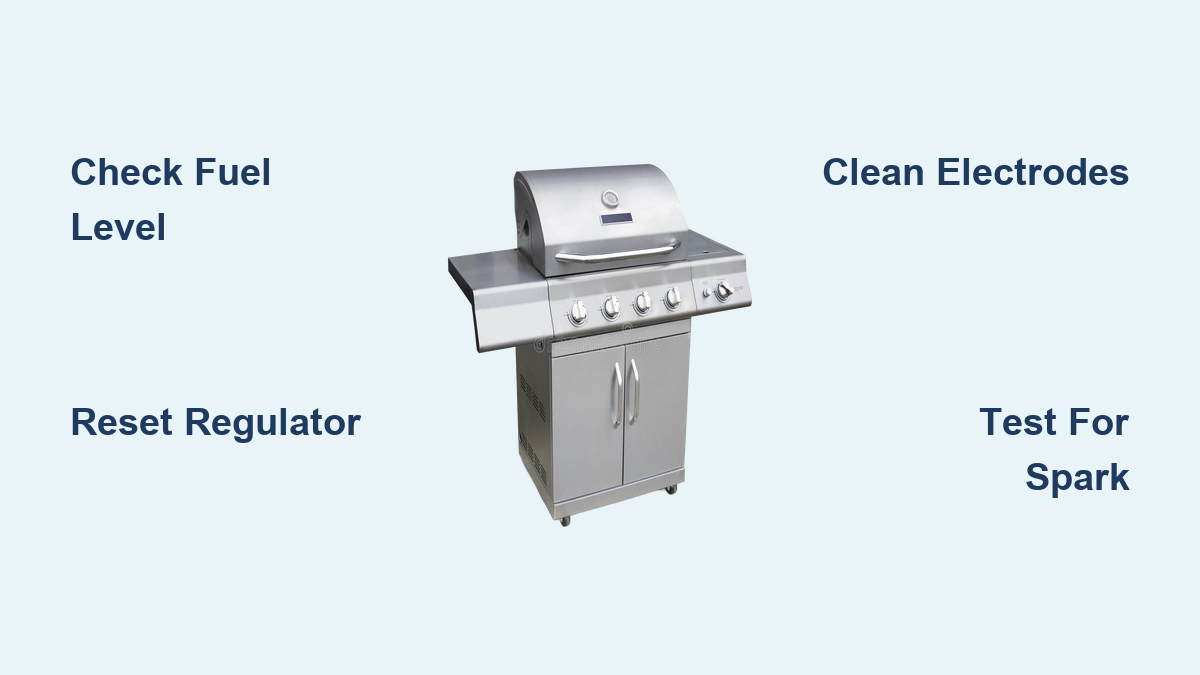
The good news? With a few systematic checks, you can diagnose and fix a gas grill not lighting in under 15 minutes. This guide walks you through proven troubleshooting steps, from fuel supply and regulator resets to spark checks and burner cleaning. You’ll learn how to distinguish between a dead battery and a clogged port, reset a tripped regulator, and safely test for gas leaks. Whether you have a basic propane model or a high-end natural gas grill, this step-by-step plan gets you back to grilling fast.
Verify the Correct Starting Procedure First
Follow the Ignition Sequence Step by Step
Many grills fail to light because users skip critical steps in the startup process. Gas flow must sync properly with spark timing. Follow this sequence:
- Keep the lid open. Never light with the lid closed.
- Turn on the propane tank slowly. A fast opening triggers safety shutoffs.
- Set all burner knobs to “High” or “Ignite” to prime the gas line.
- Press and hold the igniter and listen for sparks or a click.
If no flame appears after 5 seconds, turn everything off, wait one minute, and restart. Skipping the wait step is a top cause of failed ignition.
Hold the Knob for 5–10 Seconds
When you turn the burner knob to “Ignite,” hold it down for at least 5–10 seconds before pressing the starter. This allows gas to build pressure in the line. Without this delay, the spark may fire before gas reaches the burner, resulting in no ignition and wasted attempts.
This step is especially critical for grills with infrared burners or center-fed U-tube burners, which take longer for gas to travel through the entire tube. Rushing this step often tricks users into thinking the igniter is broken.
Check Fuel Supply and Tank Level
Confirm the Propane Tank Has Gas
An empty tank is the simplest and most overlooked reason a grill won’t light. Use one of these methods to verify fuel:
- Weigh the tank: A full 20-lb propane tank weighs about 37–38 lbs. If it’s under 20 lbs, it’s likely empty.
- Hot water test: Pour hot water down the side of the tank. Run your hand along it. Cool spots mean liquid propane remains; uniform warmth means it’s empty.
- Check usage history: If months have passed since the last refill or flames were sputtering recently, a refill is overdue.
Replace or Refill the Tank if Needed
If the tank is low or empty, replace it with a full one or take it to be refilled. Never attempt to repair or open a propane tank yourself. Once replaced, repeat the correct startup sequence: slow valve opening, open lid, ignite.
Reset the Gas Regulator
Why Regulators Trip into Bypass Mode
The gas regulator controls flow and prevents leaks. Open the tank valve too fast or turn on burners before the tank is open, and you can trigger bypass mode, a safety lock that cuts off gas flow.
Symptoms of bypass mode:
- No flame on any burner
- Very weak flame even on high
- Grill won’t reach cooking temperature
This is not a broken part. It’s a fixable safety response.
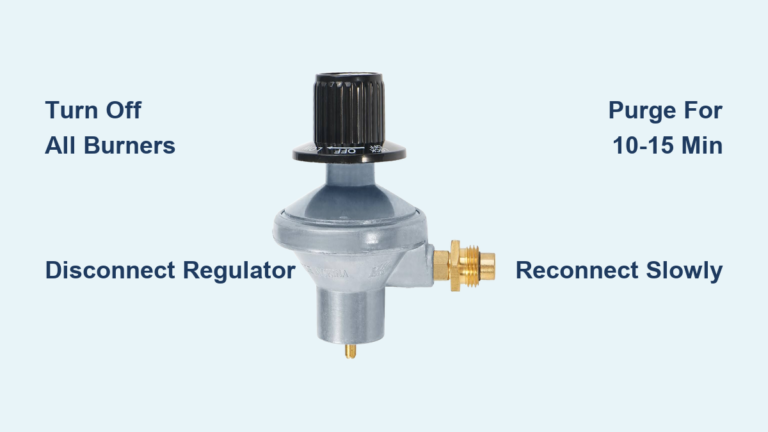
Perform a Full Regulator Reset
To reset the regulator and restore gas flow:
- Turn off the propane tank valve.
- Disconnect the hose from the tank.
- Open the grill lid.
- Turn all burner knobs to “High” and wait 2–5 minutes to clear residual gas.
- Turn all knobs to “Off.”
- Reconnect the hose to the tank.
- Slowly open the tank valve. Do not rush it.
- Try igniting the grill.
This process resets the diaphragm inside the regulator. If the grill lights now, the bypass was the culprit.
Replace a Faulty Regulator if Needed
If reset fails and you’ve confirmed the tank has gas, the regulator may be defective. Look for:
- Cracks in the hose
- Persistent low flame
- Difficulty maintaining heat
For natural gas grills, also check the appliance regulator near the gas line inlet. Replace any damaged regulator immediately. Do not attempt to repair it.
Inspect Ignition System Components
Identify Your Ignition Type
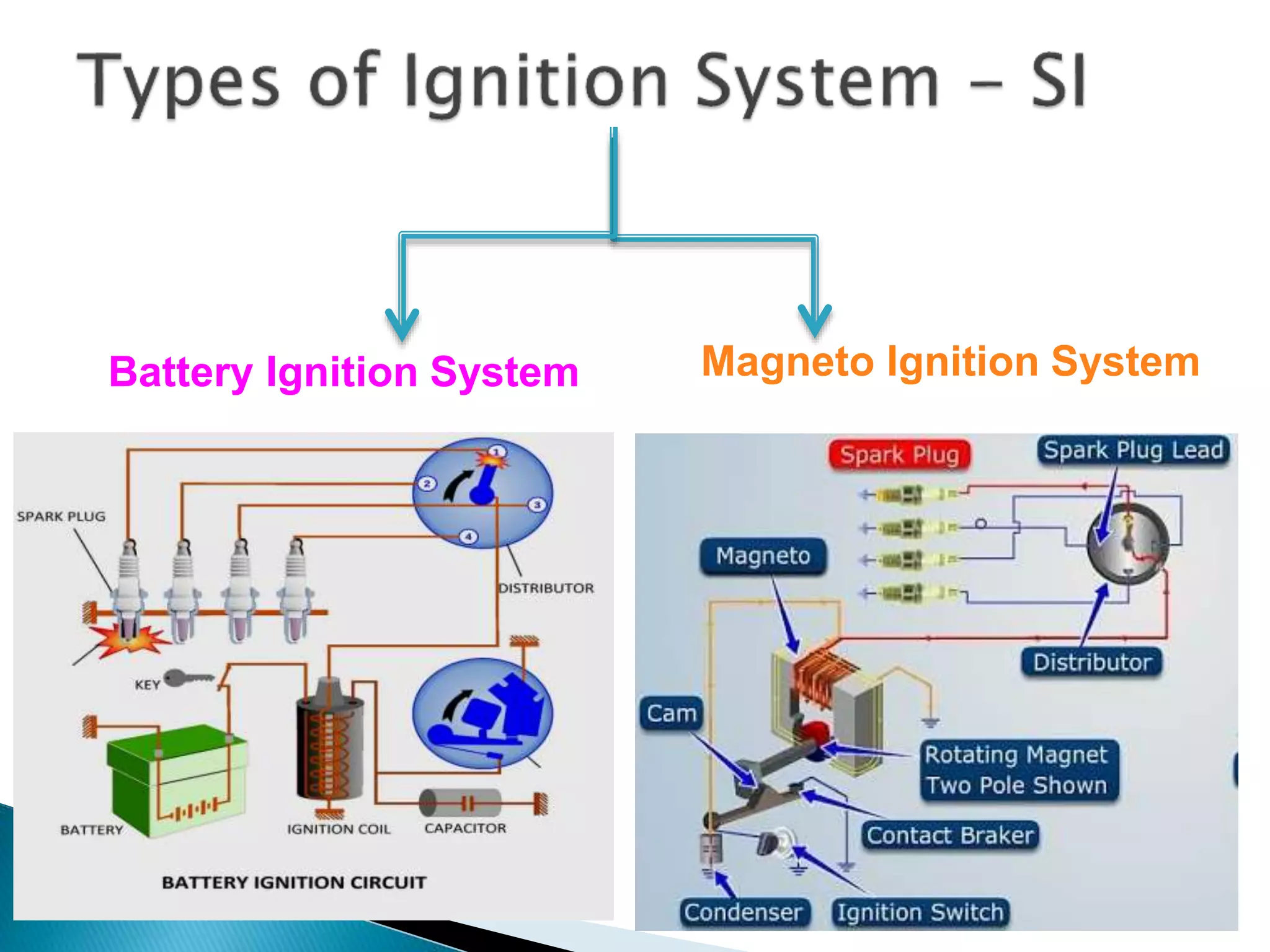
Not all igniters work the same. Know which type you have:
- Piezo spark: Push-button or rotary knob with a sharp “click.” Reliable and battery-free.
- Battery-powered: Uses AAA, AA, or 9V batteries. Prone to corrosion.
- Hot surface (HSI): Glowing wire instead of a spark. Needs external power.
Your diagnosis depends on which type you have.
Test for Spark or Glow
Open the lid and press the igniter. What do you see or hear?
| Observation | Likely Issue |
|---|---|
| No sound, no spark | Dead battery, broken module, wiring fault |
| Ticking sound, no spark | Weak battery or dirty electrode |
| Hard “snap,” no fire | Gas not reaching burner |
| Glowing wire, no ignition | Gas flow issue or clogged burner |
No spark? Move to the next steps.
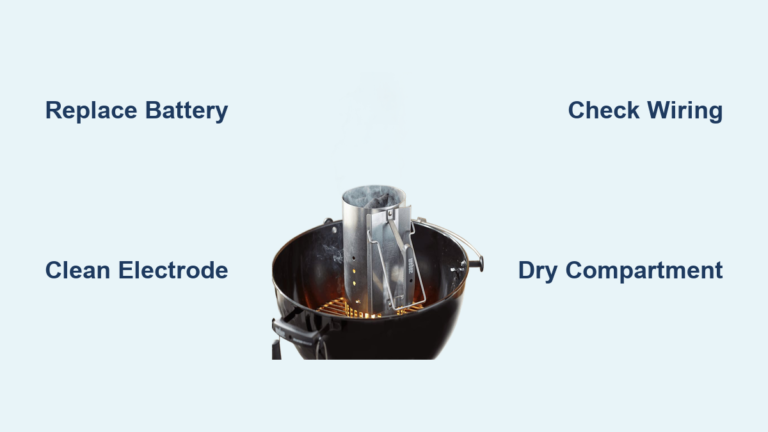
Replace or Clean the Battery
Remove and Inspect the Battery
For battery-powered igniters:
- Open the battery compartment.
- Remove the battery (AAA, AA, or 9V).
- Check for white or green corrosion on the terminals.
Corrosion is common if batteries are left in during winter. It breaks the circuit and kills the spark.
Clean Terminals and Install a New Battery
- Use a cotton swab dipped in rubbing alcohol to clean the terminals.
- Dry thoroughly.
- Insert a fresh battery, even if the old one seems okay on a test.
- Close the compartment and test the igniter.
Pro tip: Remove batteries during off-season storage to prevent future corrosion.
Check the Electrode and Wiring
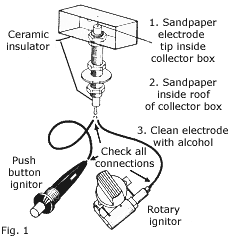
Inspect Spark Electrodes
Each burner has a small metal tip (electrode) near the gas port. Over time, it can fail due to:
- Grease buildup: Insulates the tip and prevents spark.
- Carbon deposits: Blocks the spark gap.
- Cracked ceramic: Disrupts the electrical path.
- Misalignment: Spark jumps to the wrong spot.
Clean and Adjust Electrodes
- Use a cotton ball with rubbing alcohol to wipe the metal tip and ceramic base.
- Inspect for cracks and replace if damaged.
- Use needle-nose pliers to gently bend the tip closer to the burner port.
– Ideal gap: 1/8 inch (3 mm).
– Too far means no spark. Too close means the spark grounds out.
Examine Ignition Wires
Check wires from the module to each electrode:
- Are they plugged in securely?
- Any fraying, cuts, or chew marks (rodents love these)?
- Disconnected or damaged wires stop spark delivery.
Replace frayed wires immediately. Exposed wiring is a fire hazard.
Diagnose Single vs. All Burner Failure
One Burner Won’t Light?
If other burners ignite fine, the problem is localized:
- Clogged burner port on that unit
- Disconnected wire to the electrode
- Damaged or misaligned electrode
Focus your cleaning and inspection on that specific burner.
No Burners Light?
If there’s no spark at any burner, the issue is systemic:
- Dead battery or faulty ignition module
- Tripped regulator
- Empty propane tank
- Master wiring failure
Work backward from fuel to spark: tank → regulator → gas flow → igniter → electrode.
Clean Burners and Gas Ports

Remove Grates and Flavor Bars
To access the burners:
- Turn off gas and let the grill cool.
- Remove cooking grates.
- Take out flavor bars (also called heat tents or flame tamers).
These protect burners but trap grease and debris.
Clear Burner Tubes and Ports
Inspect each burner tube:
- Look for spider webs, dirt, rust, or food debris.
- Use a pipe cleaner, wire brush, or compressed air to clear clogged ports.
- For stubborn blockages, run a straightened paperclip through each hole.
Pro tip: Even new grills can have manufacturing debris in the tubes. Clean before first use.
Clean All Burners, Not Just the Bad One
If one is clogged, others likely are too. Insects and grease spread fast. Clean every burner tube and port to prevent future issues.
Test the Orifice and Gas Valve

Light the Burner with a Stick Lighter
If the electrode sparks but the burner won’t light, test gas flow manually:
- Open the lid.
- Turn on the burner knob.
- Hold a long-reach grill lighter near the burner ports.
Result:
- Lights immediately → Ignition system issue (electrode or spark).
- Doesn’t light → Gas flow problem (clogged orifice, blocked tube, or faulty valve).
Clear or Replace a Clogged Orifice
The orifice is the small brass fitting where gas exits the valve. If blocked:
- Remove the burner.
- Use compressed air or a tiny wire to clear the hole.
- Do not enlarge the hole. It’s precisely sized.
If cleaning fails, replace the orifice or burner assembly.
Address Weather and Environmental Factors
Fight Moisture in Humid Conditions
Damp weather can short-circuit sparks:
- Wipe down electrodes with a dry cloth.
- Use rubbing alcohol to remove moisture from terminals.
- Store the grill covered but allow ventilation to prevent trapped humidity.
Overcome Cold Weather Ignition
Propane struggles in cold temperatures:
- Vapor pressure drops, reducing gas flow.
- Small clogs become big problems.
Solution: Bring the propane tank indoors 2–3 hours before grilling to warm it. Never store tanks inside. Only warm them temporarily.
Never use heat sources (like a torch) on the tank. It’s extremely dangerous.
Perform a Leak Test
Use Soapy Water to Find Leaks
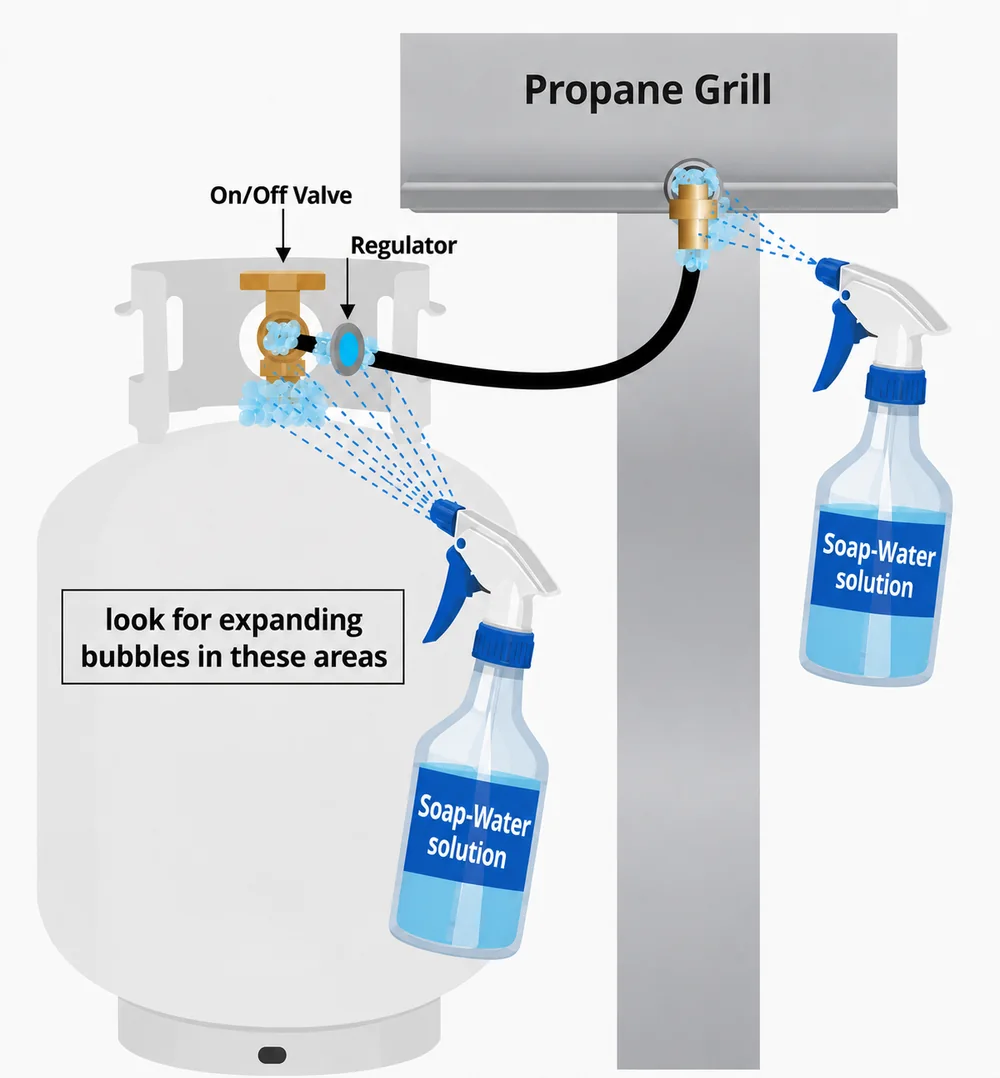
Before every season and after fixing gas issues:
- Mix dish soap and water.
- Apply to the regulator, hose, and connections.
- Slowly open the tank valve.
- Watch for bubbles. Bubbles mean a leak.
Respond to a Gas Leak
If bubbles form:
- Close the tank valve immediately.
- Do not ignite the grill.
- Replace the leaking part (hose, regulator, or fitting).
- Wipe off the soapy solution after testing.
Never use a flame to check for leaks.
Manual Lighting as a Backup
Light with a Grill Lighter Safely
When the igniter fails, use a long-reach stick lighter:
- Open the lid.
- Turn on the gas at the tank.
- Turn on one burner knob.
- Immediately hold the lighter to the burner port.
Safety first: Keep your face and body away from the grill. Flashbacks can happen.
Turn Off and Wait If It Doesn’t Light
If no flame appears in 5 seconds:
- Turn off the burner knob.
- Wait 1–2 minutes for gas to clear.
- Try again.
Never let gas build up with the lid closed.
Prevent Future Ignition Problems
Follow Seasonal Maintenance
Keep your grill ignition-ready:
- Clean electrodes every 2 months.
- Replace batteries annually or remove them in winter.
- Inspect burners at the start of each season.
- Check gas lines for cracks or kinks.
Protect from Animals and Debris
Rodents and insects love grills:
- Cover the grill when not in use.
- Install wire mesh over burner tubes if spider nests are common.
- Store in a garage or shed if possible.
Frequently Asked Questions About Gas Grill Ignition Problems
Why won’t my gas grill light even with a full propane tank?
A full tank with no ignition usually points to a tripped regulator in bypass mode, a dead igniter battery, or a clogged burner port. Try resetting the regulator by turning off the tank, disconnecting the hose, waiting 5 minutes, then reconnecting everything slowly.
How do I know if my grill regulator is bad?
Symptoms include very low flame even on high settings, the grill failing to reach cooking temperature, or no gas flow at all despite a full tank. If a regulator reset doesn’t restore normal performance, the regulator likely needs replacement.
Can I manually light my gas grill if the igniter is broken?
Yes. Open the lid, turn on the gas at the tank, turn on one burner knob, and hold a long-reach stick lighter to the burner port. Keep your face away from the grill. If it doesn’t light in 5 seconds, turn off the gas, wait, and try again.
How often should I clean my grill burners?
Clean burners at the start of each grilling season and any time you notice uneven flames or ignition problems. Inspect ports for spider webs, grease, and rust regularly, especially if the grill sits unused for long periods.
Why does my grill work in summer but not in winter?
Cold weather reduces propane vapor pressure, which lowers gas flow. Minor clogs that don’t matter in summer can cause total ignition failure in cold conditions. Bring the tank indoors 2–3 hours before grilling to warm it.
Key Takeaways for Fixing a Gas Grill That Won’t Light
A gas grill not lighting is rarely a dead-end problem. Most fixes take minutes and cost nothing. Start with fuel and procedure, then reset the regulator if needed. Check for spark, clean the burners, and test for leaks before assuming a major repair is required.
Your next step: Pick up rubbing alcohol, a fresh battery, and a wire brush. Run through the troubleshooting sequence in order, and you’ll likely have your grill firing again before the steaks hit the counter. Grill with confidence all season long.