How to Use a Smoker Box on a Gas Grill
You love the rich, smoky flavor of barbecue but you don’t own a dedicated smoker. No problem. With a smoker box, your gas grill can deliver authentic, slow-smoked taste in a fraction of the time. The trick is turning your high-heat grilling machine into a low-and-slow smoking oven. This method uses indirect heat and wood smoke to infuse meats like ribs, brisket, and turkey with deep, complex flavor without charring or drying them out.
Using a smoker box on a gas grill is simple once you understand the core principles: create a two-zone fire, control temperature, and manage smoke. Unlike charcoal smokers, gas grills lack natural airflow and insulation, so sealing leaks and choosing the right wood are critical. In this guide, you’ll learn how to set up your smoker box, select the best wood, maintain consistent smoke, and avoid common mistakes, all with step-by-step clarity. Whether you’re using a store-bought stainless steel box or a DIY foil pan, you’ll be smoking like a pro in no time.
Choose the Right Wood for Smoking
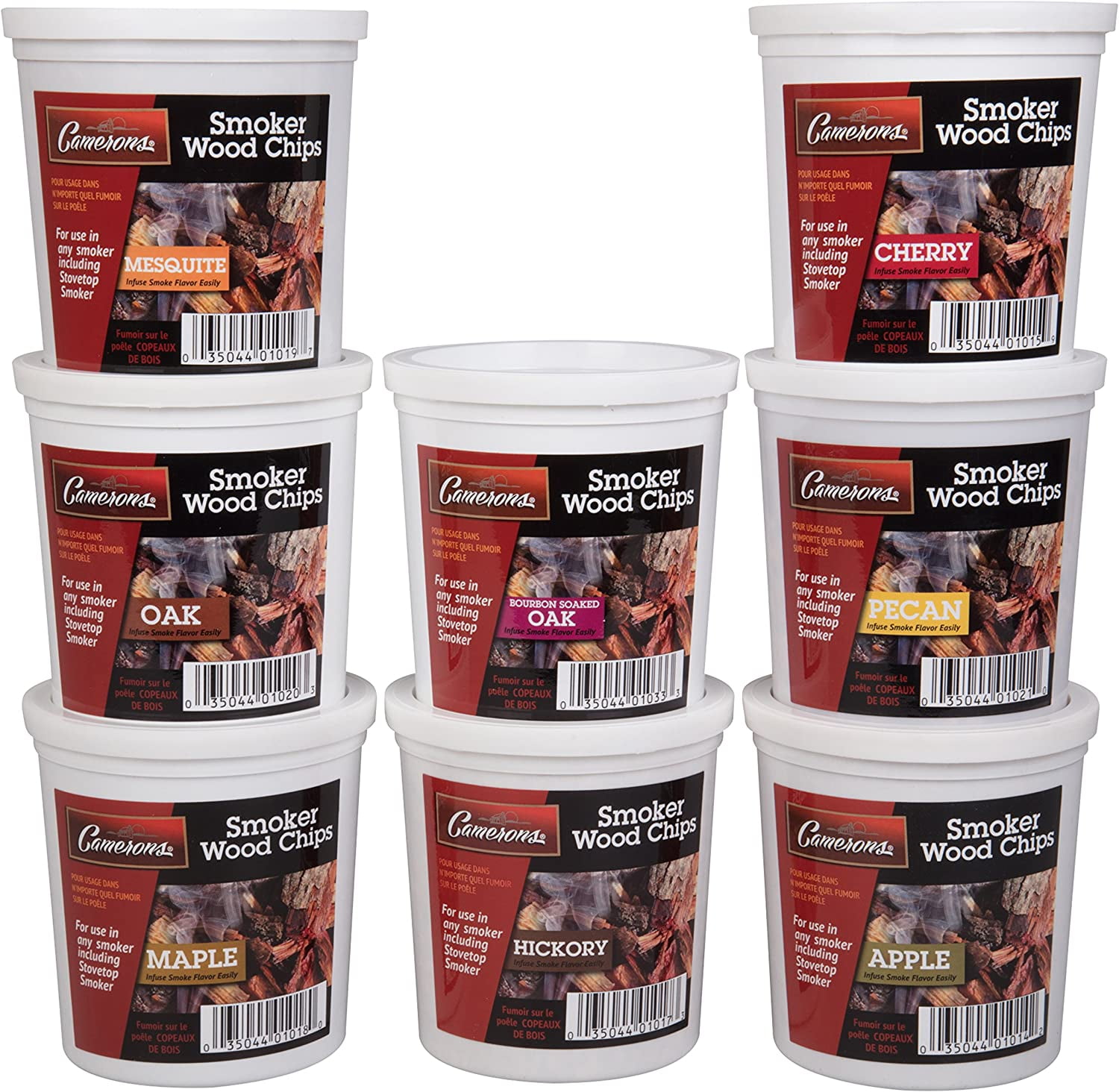
Match Wood to Meat Type
The wood you use defines your smoke flavor. Hardwoods like hickory and oak deliver bold, bacon-like notes ideal for beef and pork. Pecan offers a nutty richness that works well with game meats and poultry. Fruitwoods like apple and cherry provide milder, sweeter smoke, perfect for chicken, fish, and pork. Mesquite is strong and fast-burning; use it sparingly for short cooks like burgers or veggies, never for long smokes.
Avoid pine, cedar, or any coniferous wood, except when using soaked cedar planks for planking salmon. Resin in softwoods creates bitter, toxic smoke that ruins food and damages your grill.
Soak Chips or Go Dry?
Soaking wood chips in water for 30 to 60 minutes slows ignition and extends smoke time. This works best for built-in boxes or foil setups where flare-ups are a risk. Soaked chips smolder longer, producing steady smoke instead of flash-burning.
Dry chips ignite faster and start smoking immediately, which is great if you want quick flavor for steak or pizza. But they burn out fast. For low-and-slow cooks, soaked chips are recommended to maintain consistent smoke over 3 to 6 hours.
Avoid Overloading the Box
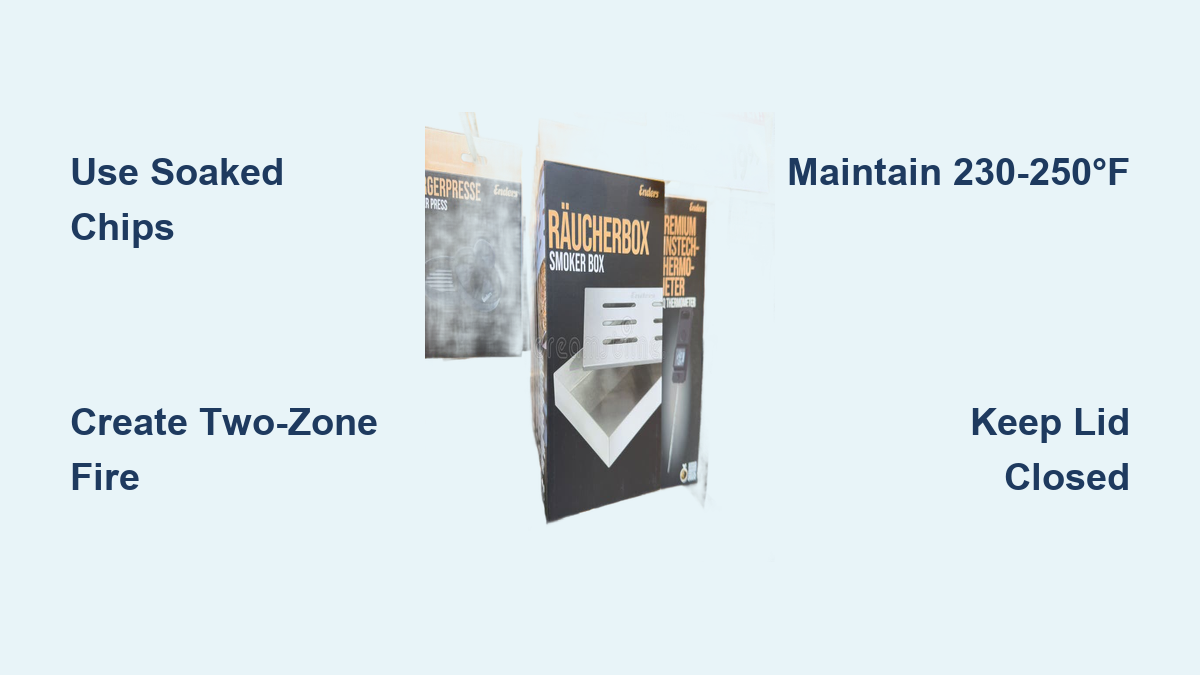
Fill your smoker box only halfway with wood chips. Overpacking restricts airflow, leading to poor combustion and bitter, white smoke. Spread the chips evenly so heat circulates properly. If using a foil packet, poke 4 to 6 holes in the top to let smoke escape without flame bursts.
Set Up a Two-Zone Fire

Light Only One Burner
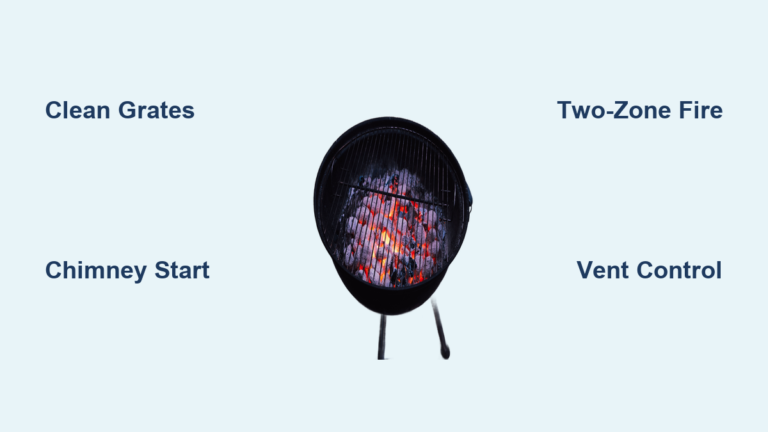
To create indirect heat, turn on just one burner, the one under where the smoker box will go. Leave all other burners off. This creates a hot zone for smoke generation and a cool zone for cooking. Place food on the cool side, away from direct flame, so it cooks slowly in smoke without burning.
If your grill has a side burner, use it for the smoker box. This keeps the main cooking surface free and improves smoke flow.
Position the Smoker Box Correctly
Place the smoker box directly over the lit burner, on the sear plate or cooking grate. For best results, elevate it slightly using an empty tuna can or heat-proof stand. This prevents direct flame contact, reducing the chance of ignition and promoting even smoldering.
Built-in smoker boxes go in designated locations. Follow your grill’s manual. Aftermarket boxes should sit securely over the heat source with vents or holes facing up.
Seal Air Leaks with Foil
Gas grills aren’t airtight. Smoke escapes through gaps, making it hard to maintain flavor and temperature. Use heavy-duty aluminum foil to seal edges around the lid, side vents, and gaps near the burners. This traps heat and smoke, mimicking a real smoker’s environment.
Start Smoking Step by Step
Preheat and Clean Grates
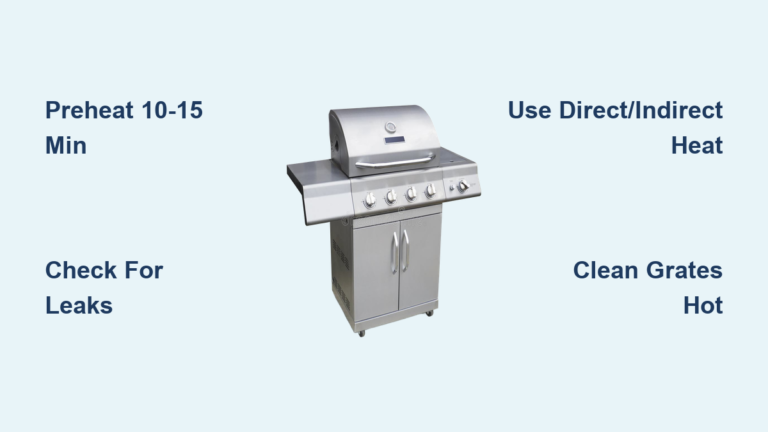
Turn the grill on high for 10 to 15 minutes with the lid closed. This heats the smoker box and burns off residue. After preheating, scrub the cooking grates with a stainless steel brush to prevent sticking.
Add Smoker Box and Wait for Smoke
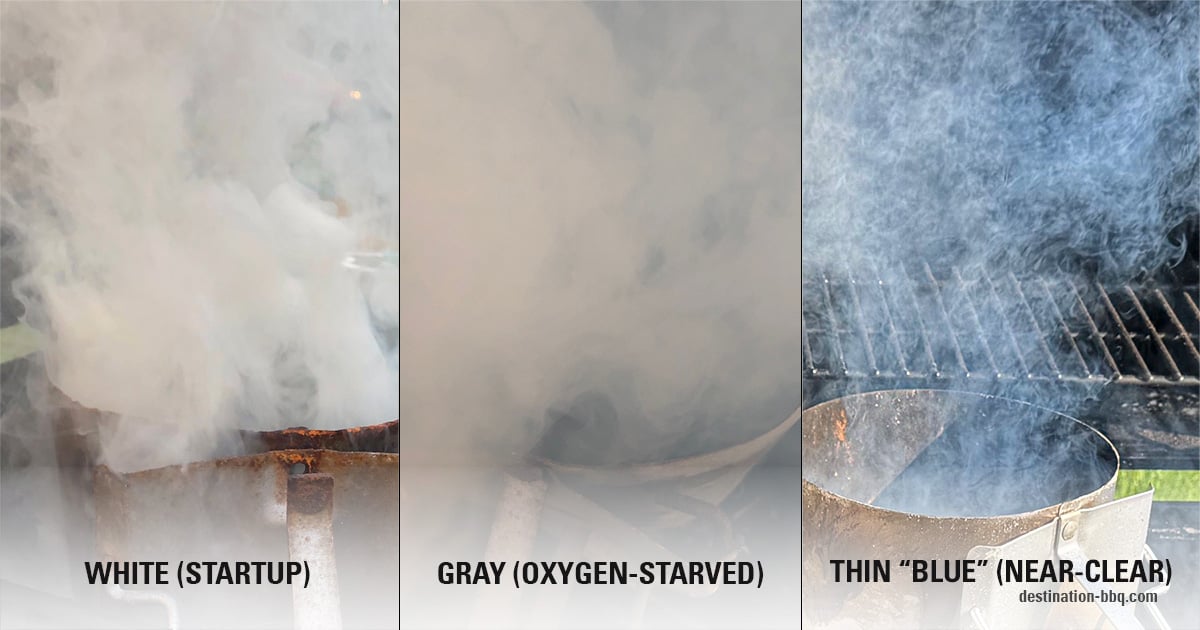
Place your prepared smoker box over the lit burner. Close the lid. Within 2 to 5 minutes, you should see thin, blue-gray smoke rising. This is clean, flavorful smoke.
If you see thick white smoke or flames, the wood is too dry or the heat is too high. Reduce the burner to medium-low immediately.
Adjust Heat to Low
Once smoke appears, lower the burner under the smoker box to medium or low. Target a grill temperature of 230°F to 250°F, which is ideal for low-and-slow smoking. Use a stand-alone oven thermometer placed near the food to monitor accuracy. Built-in gauges are often unreliable.
For temps below 250°F, turn off all main burners and run only the side or single dedicated burner under the smoker box.
Load Food on the Cool Side
Place meat in the center of the unlit side, never over direct heat. For ribs, use the upper warming rack if available. Close the lid quickly to trap smoke. Every time you open it, heat and smoke escape, extending cook time.
Maintain Smoke and Temperature

Replenish Chips Every 30 to 45 Minutes
Wood chips last 30 to 60 minutes depending on heat and type. Check every 30 minutes. If smoke thins or stops, add fresh soaked chips. Use tongs to open the smoker box or replace foil packets safely.
For long cooks (4+ hours), plan to reload 2 to 4 times.
Monitor Internal Meat Temperature
Use a remote probe thermometer to track meat doneness without lifting the lid. Key temps include:
– Pork butt/brisket: Wrap at 165°F, pull at 190°F to 205°F
– Chicken/turkey: Pull at 165°F
– Beef ribs: 190°F to 203°F for tender results
Avoid relying on time alone. Thickness and grill fluctuations affect cooking speed.
Manage the Stall with Foil
Large cuts like pork butt hit a “stall” around 165°F, where evaporation cools the meat and pauses temperature rise. To push through, wrap meat in foil (the “Texas Crutch”) with a splash of broth or butter. Return to the grill. The stall ends faster, and meat stays moist.
Cook Times for Popular Meats
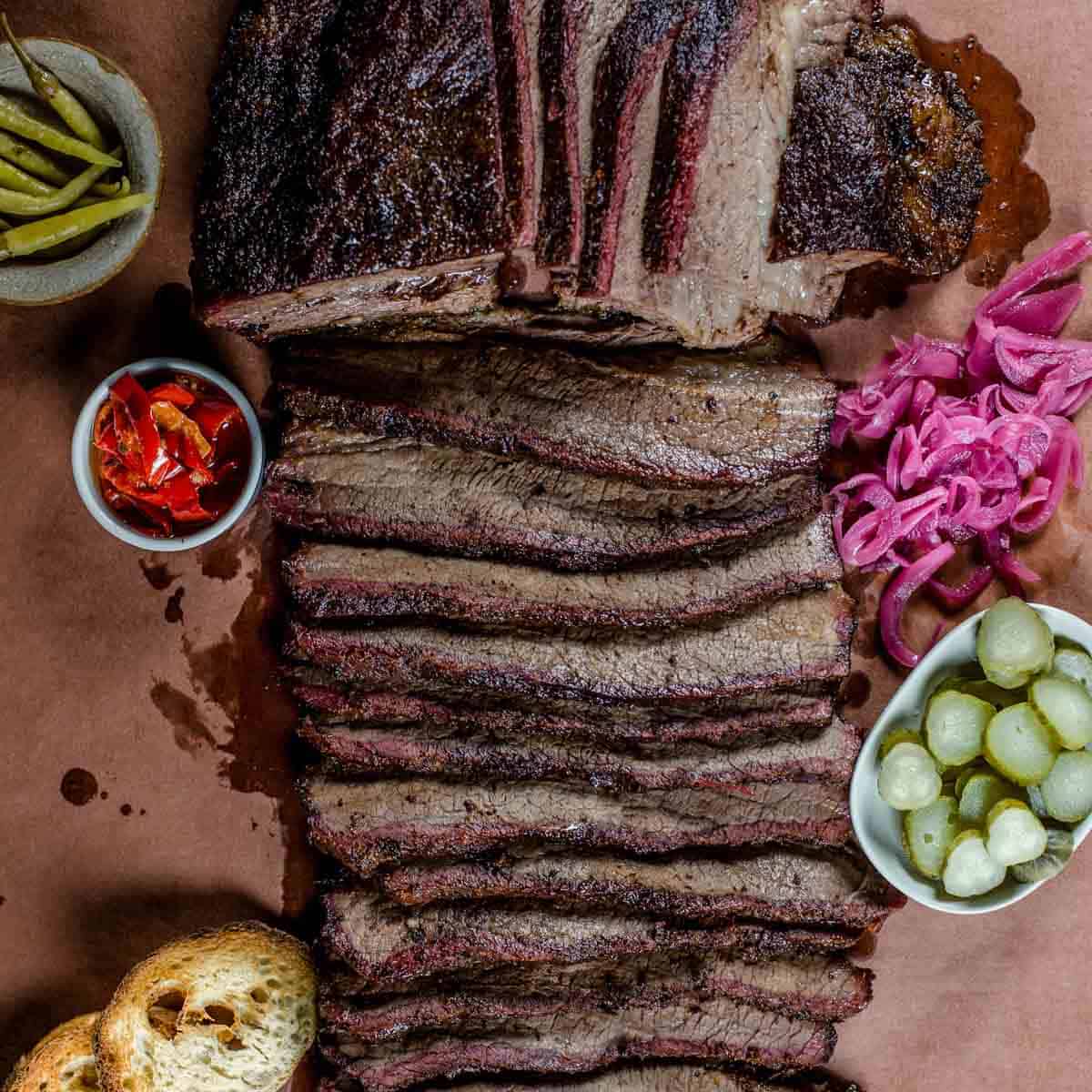
Pork Butt (5 to 7 lbs): 5 Hours
Smoke 3.5 hours at 230°F to 250°F. Wrap at 165°F internal temp. Finish 1.5 hours until 195°F. Rest 30 minutes before pulling.
Beef Brisket (6 lbs): 6 Hours
Smoke 4 hours. Wrap at 165°F. Finish 2 hours until 190°F. Rest wrapped in a cooler for 1 to 2 hours before slicing.
Beef Ribs: 5 to 6 Hours
Use the 3-2-1 method: 3 hours uncovered, 2 hours wrapped, 1 hour with sauce. Keep on warming rack over indirect heat.
Turkey Breast (1 lb): 2.5 Hours
No wrap needed. Smoke until internal temp hits 165°F. Rest 20 minutes in foil with butter for juicy results.
Fish and Delicate Meats
Use apple, peach, or cedar planks. Soak plank 1 hour, place over indirect heat, warm 5 minutes, then add fish. Close lid. Cook 20 to 30 minutes. The plank smolders slowly, infusing mild flavor without overpowering.
Fix Common Smoking Problems
Wood Catching Fire?
Flames mean heat is too high or chips are dry. Turn down the burner and elevate the smoker box. Use soaked chips for future cooks. If flames burst, close the lid. Oxygen starvation will kill the fire.
Weak or No Smoke?
Check if the smoker box is overfilled. Half-full is best. Ensure holes in DIY foil boxes aren’t blocked. Increase wood surface area by spreading chips evenly. Confirm burner is on low-medium. Too low won’t ignite smoldering.
Grill Running Too Hot?
Gas grills often overheat at low settings. Turn off main burners and run only the one under the smoker box. Seal all gaps with foil. Use a water pan on the cool side to add humidity and stabilize temperature.
Meat Turning Out Dry?
Likely causes include too much direct heat, no wrap, or overcooking. Always use a two-zone setup. Wrap large cuts in foil after 3 hours. Pull meat at the right internal temp. Don’t guess.
Clean and Maintain Your Equipment
Cool and Clean the Smoker Box
Let the smoker box cool completely before handling. Remove ash and debris with a brush or spoon. Rinse with warm water only, never soap. Soap residue absorbs into metal and taints future smokes. Dry thoroughly to prevent rust, especially on cast iron or steel boxes.
Keep the Grill in Top Shape
After every smoke session, scrape grates with a stainless steel brush while hot. Remove built-up ash from the bottom of the grill. Accumulated debris blocks airflow and causes flare-ups. Check burner ports for clogs monthly.
Pro Tips for Better Smoke Flavor
Control Smoke Intensity with Distance
The closer the food is to the smoker box, the stronger the smoke flavor. For subtle taste, place food on the far side of the grill. For bold flavor, position it nearer, but never directly above flames.
Blend Woods for Complex Taste
Mix woods to create signature profiles:
– Pecan + Apple: Balanced, nutty-sweet, perfect for pork
– Hickory + Cherry: Bold with a fruity edge, ideal for ribs
– Oak + Peach: Earthy with a soft finish, great for turkey
Start with equal parts and adjust to taste.
Never Use Softwoods
Pine, fir, spruce, and other coniferous woods contain resin and sap that produce acrid, chemical-tasting smoke. They can also coat your grill with sticky residue. The only exception is soaked cedar planks for salmon, which is a controlled planking method, not chip smoking.
Frequently Asked Questions About Using a Smoker Box on a Gas Grill
Do you need to soak wood chips before putting them in a smoker box?
Soaking wood chips for 30 to 60 minutes slows ignition and extends smoke time. This is recommended for long, low-and-slow cooks. Dry chips work for short sessions where you want immediate smoke.
Can you use a smoker box on any gas grill?
Yes, most gas grills can accommodate a smoker box. Use an aftermarket stainless steel box, cast iron box, or DIY aluminum foil pan. Built-in smoker boxes are available on some models. Follow your grill’s manual for placement.
How long does a smoker box last on a gas grill?
Wood chips typically last 30 to 60 minutes per load. For cooks longer than 4 hours, plan to replenish chips 2 to 4 times. Check smoke output every 30 minutes and add fresh chips when smoke thins.
What temperature should a gas grill be for smoking?
Aim for 230°F to 250°F for low-and-slow smoking. To achieve this, light only one burner under the smoker box and turn off all others. Use a stand-alone oven thermometer for accuracy since built-in gauges are often unreliable.
Is it safe to smoke meat on a gas grill?
Yes, smoking on a gas grill is safe when done correctly. Ensure adequate propane for long cooks, never use softwoods like pine, and keep the lid closed to maintain consistent temperature. Use a remote thermometer to monitor internal meat temps without lifting the lid.
Can you smoke ribs on a gas grill with a smoker box?
Absolutely. Use the 3-2-1 method: 3 hours uncovered, 2 hours wrapped in foil, and 1 hour with sauce. Place ribs on the warming rack over indirect heat and smoke at 230°F to 250°F for 5 to 6 hours total.
Key Takeaways for Smoking Success on a Gas Grill
Using a smoker box on a gas grill transforms quick grilling into authentic barbecue. Focus on three essentials: choose the right wood for your meat, maintain a strict two-zone fire, and keep the lid closed as much as possible. Replenish soaked chips every 30 to 45 minutes and trust your thermometer, not the clock.
Start with a simple recipe like turkey breast or pork butt to build confidence. Once you master temperature control and smoke management, experiment with wood blends and longer cooks. Your gas grill will become your go-to smoker for ribs, brisket, and beyond.