How to Use a Grill as a Smoker
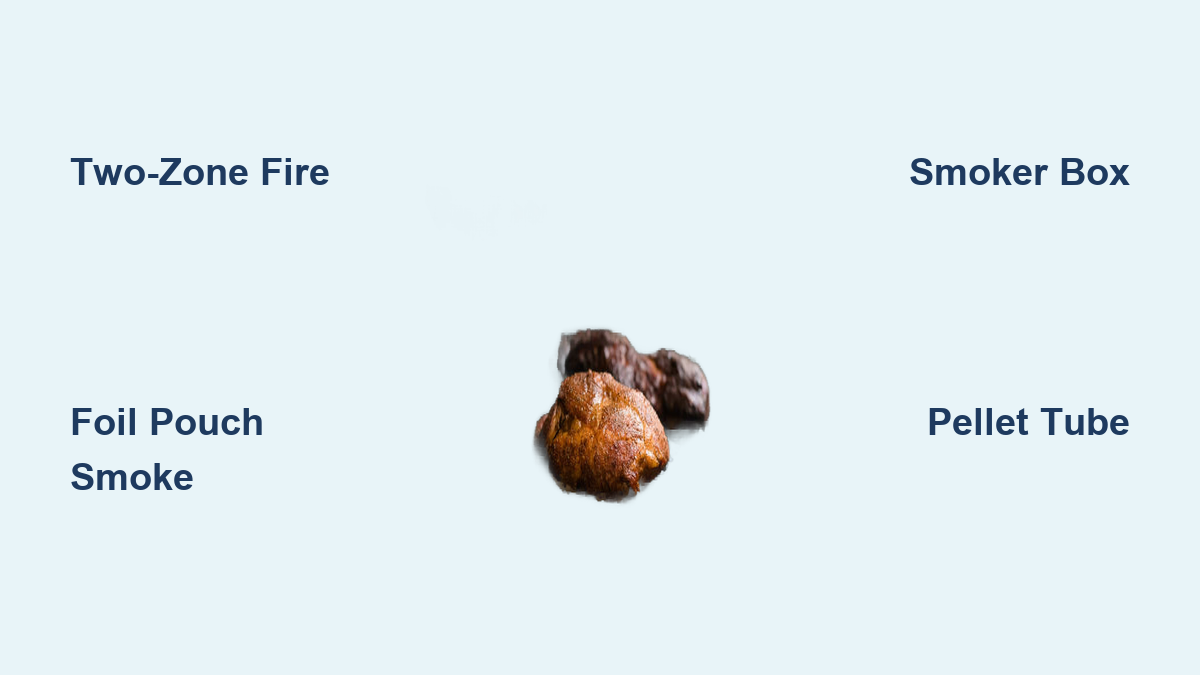
You don’t need a dedicated smoker to enjoy authentic barbecue flavor at home. With the right setup, any standard grill, propane, gas, or charcoal, can be transformed into a fully functional smoker. The secret lies in mastering indirect heat, generating clean smoke, and holding steady low temperatures for hours. This guide breaks down exactly how to use a grill as a smoker using proven methods like two-zone fires, foil pouches, smoker boxes, and pellet tubes.
By the end, you’ll have everything you need to smoke brisket, ribs, salmon, and even cheese without buying specialty equipment.
Build a Two-Zone Fire for Indirect Cooking
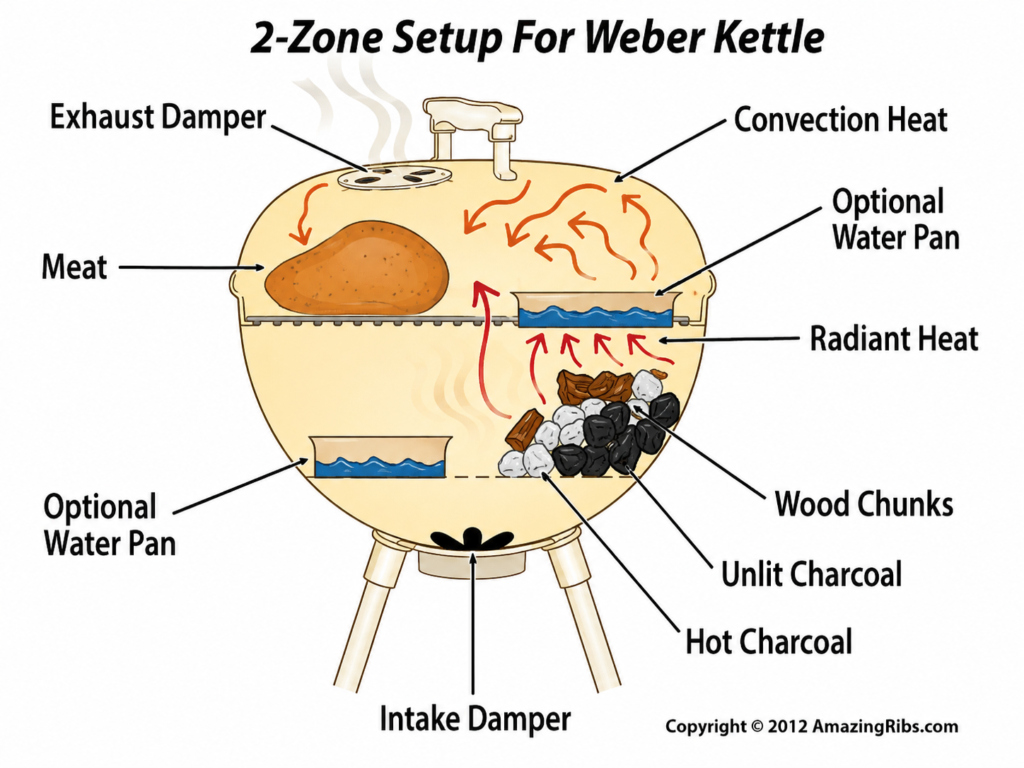
The foundation of grill smoking is creating a two-zone fire. This setup places hot coals or active burners on one side and leaves the other side cool, so food cooks by circulating heat rather than direct flame.
Configure Gas and Propane Burners
On a gas grill, light only one or two burners and leave the rest completely off. The unlit side becomes your cool zone.
- Four-burner grills: Light the left two burners and place food on the right.
- Three-burner grills: Light the far-left burner on high and the middle burner on medium or low. Keep the right burner off.
- Close the lid and let the grill stabilize at 225–250°F for 20–30 minutes before adding food.
Heat circulates around the meat while smoke flows across it, mimicking a real offset smoker.
Arrange Charcoal on One Side
For charcoal grills, dump lit briquettes on one half of the fire grate and place food on the opposite side.
- Use standard briquettes like Kingsford Original.
- Control airflow using the bottom and top vents.
- Open vents slightly to raise temperature, close them to lower it.
This method works exceptionally well in a Weber kettle and can sustain low temperatures for hours with proper vent management.
Generate Smoke with DIY Foil Pouches
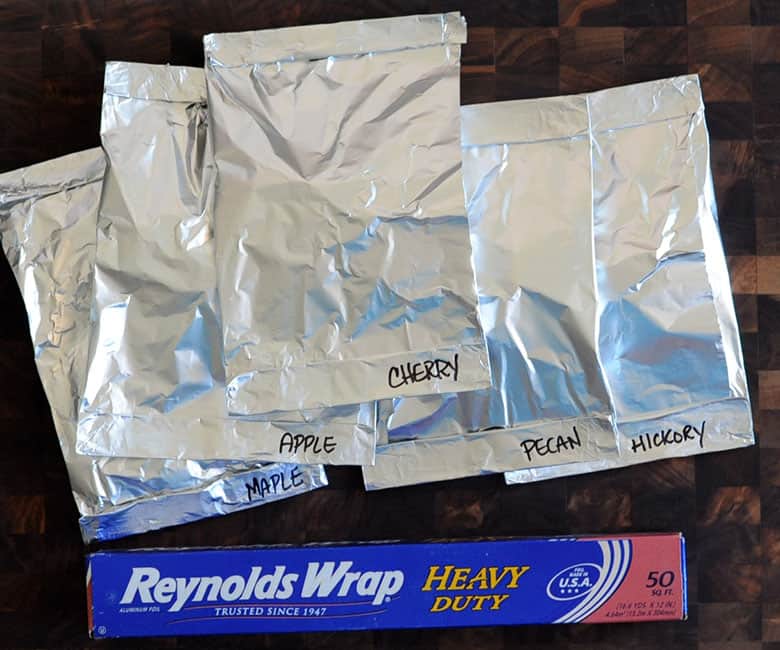
The cheapest and easiest way to add smoke on a gas grill is an aluminum foil pouch filled with wood chips. It requires no special tools and works within minutes.
Build a Smoke Pouch in 5 Steps
- Layer two sheets of heavy-duty foil, roughly 12×12 inches each.
- Place 2 cups of dry wood chips in the center.
- Fold the long sides up and crimp tightly. Roll the ends closed.
- Poke 6–8 small holes in the top with a fork.
- Place the pouch directly over a lit burner, beneath the cooking grate.
Dry chips smolder faster inside the sealed foil environment, producing clean smoke almost immediately.
A single pouch burns for about 45 minutes. Prepare extras in advance so you can swap them out without losing heat.
Skip the Soak for Foil Pouches
Wet chips take too long to heat through and may steam rather than smoke. Reserve soaked chips for direct-fire methods like charcoal grills or open smoker boxes.
Use a Smoker Box for Longer, Cleaner Smoke

A metal smoker box offers better heat control and longer burn times than foil pouches. You can buy one or build a simple version at home.
Choose Between Built-In and Aftermarket Boxes
- Built-in boxes sit over a dedicated burner. Fill with damp chips and adjust the burner to control smoke output.
- Aftermarket boxes are stainless steel and rest directly on the cooking grate. A hinged lid allows easy refilling during long cooks.
Fill the box halfway with soaked wood chips, then drain well. The moisture helps chips smolder slowly and steadily. Place the box over the heat source, and smoke will begin within 5–10 minutes.
Build a Budget Pan Smoker
If you don’t have a metal box, a small aluminum foil pan works just as well.
- Punch several holes in the bottom to let heat in.
- Fill halfway with soaked chips.
- Cover with a lid or a second sheet of foil.
- Place on the grate over an active burner.
This setup delivers 1–2 hours of consistent smoke at minimal cost.
Add Heavy Smoke with a Pellet Tube
For cold smoking or boosting smoke flavor, pellet tube smokers are the most effective option. They produce thick, consistent smoke with zero flare-ups.
Light and Deploy a Pellet Tube
- Fill the stainless steel tube with food-grade wood pellets, stopping 1 inch from the top.
- Light one end with a torch or lighter.
- Let it burn for 3–5 minutes until the pellets are fully ignited.
- Blow out the flame. The pellets will continue to smolder.
- Place the tube inside the grill and close the lid.
A single tube smolders for 2–4 hours, depending on pellet type and airflow. Pellet tubes work on gas, charcoal, and pellet grills alike.
Best for Cold Smoking
Because pellet tubes generate minimal heat, they are perfect for cold smoking applications.
- Keep grill temperatures below 80°F.
- Smoke in autumn or winter when ambient air is cool.
- Ideal for cheese, salmon, cured meats, and spices.
Pair with mild fruitwoods like apple or cherry for delicate foods.
Control Temperature with a Reliable Thermometer
Stable temperature is the single most important factor in successful smoking. Unfortunately, most factory lid gauges are unreliable and can be off by 50°F or more.
Replace the Built-In Gauge
Factory thermometers measure air at the top of the dome, not where the food actually cooks. Invest in a dual-probe thermocouple thermometer rated to at least 660°F.
- Probe 1: Clip near the meat to monitor ambient grill temperature.
- Probe 2: Insert into the thickest part of the meat to track internal doneness.
Place the ambient probe within 1 inch of the food surface. On smaller grills, keep it at least 1 inch from the wall to avoid false high readings from radiant heat.
Minimize Lid Openings
Every time you open the lid, you lose heat and smoke. Use your leave-in probes to monitor progress and only open the grill when adding wood or checking doneness.
Maintain Moisture with a Water Pan
Dry heat can ruin a long smoke by forming a hard bark too early. A water pan adds humidity and stabilizes grill temperature.
Set Up the Water Pan
- Use a disposable aluminum pan.
- Fill halfway with hot water.
- Place directly over the burners or coals in the hot zone.
As water evaporates, it creates steam that keeps meat surfaces tacky. This helps smoke adhere and prevents drying during extended cooks. Refill the pan if it runs low, especially on cooks longer than 6 hours.
Match the Right Wood to Your Food

Wood choice has a major impact on flavor. Each variety produces a distinct profile that pairs better with certain foods.
Best Wood Pairings for Smoking
- Hickory: Strong, bacon-like flavor. Best for pork, ribs, and brisket.
- Apple: Sweet and mild. Ideal for poultry, pork, and vegetables.
- Cherry: Fruity and slightly sweet. Perfect for turkey, ham, and salmon.
- Pecan: Nutty and mellow. Works well with beef, pork, and game meats.
- Mesquite: Very intense. Use sparingly and stick to beef.
Always use food-grade hardwood chips or pellets. Avoid softwoods like pine, and never use treated or construction lumber.
Understand Hot Smoking vs. Cold Smoking
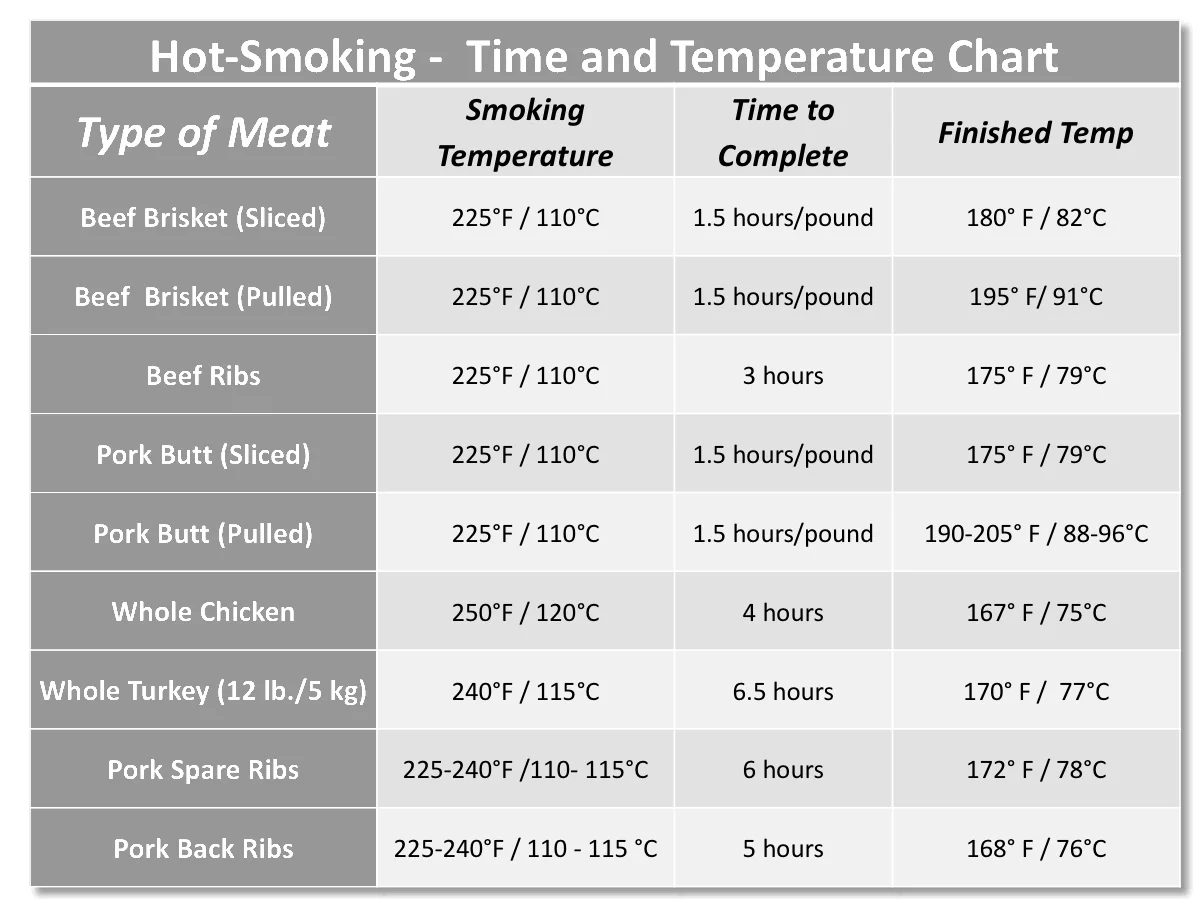
Smoking falls into two main categories, and choosing the right method depends on what you’re cooking.
Hot Smoking: Cook and Add Flavor
- Temperature: 180°F to 275°F.
- Goal: Fully cook the food while infusing smoke.
- Duration: 4–12 hours depending on cut and size.
- Best for: Brisket, ribs, pork shoulder, turkey, salmon.
Meat absorbs smoke during the first 2–4 hours. After that, the surface seals and stops taking on flavor.
Cold Smoking: Add Flavor Without Cooking
- Temperature: Below 80°F.
- Goal: Infuse smoke into cured or ready-to-eat foods.
- Duration: 1–12 hours.
- Best for: Cheese, lox, smoked salt, cured bacon.
Cold smoking requires cool weather and a pellet tube or small smoke generator. Never attempt it in summer heat.
Avoid These Common Smoking Mistakes
Small errors can undo hours of work. Watch out for these frequent pitfalls.
Opening the Lid Too Often
Lifting the lid releases heat and smoke, extending cook time and creating temperature swings. Trust your probes and resist the urge to peek.
Using the Wrong Wood
Softwoods and treated lumber release toxic chemicals. Always choose hardwood labeled for cooking.
Skipping the Rest
After smoking, let meat rest for 15–30 minutes before slicing. Tent loosely with foil to retain warmth. Cutting too early causes juices to spill out, leaving dry meat.
Smoke Different Foods with Confidence
Once your grill is dialed in, you can smoke nearly anything.
Brisket and Pork Shoulder
- Maintain 225°F throughout the cook.
- Smoke until internal temperature reaches 195–205°F.
- Wrap in foil or butcher paper at 165°F to power through the stall.
Ribs
- Smoke at 225°F for 3–4 hours.
- Use the bend test or a probe to check tenderness.
- Finish with sauce if desired.
Salmon
- Hot smoked: Cook at 225°F until internal temp hits 145°F.
- Cold smoked: Cure first, then smoke below 80°F for 2–6 hours.
Cheese
- Cold smoke at under 80°F for 1–4 hours.
- Use mild woods like apple or cherry.
- Chill cheese blocks before smoking to help them absorb flavor.
Frequently Asked Questions About Smoking on a Grill
Can you really smoke meat on a regular gas grill?
Yes. By setting up a two-zone fire and adding smoke with foil pouches, smoker boxes, or pellet tubes, a standard gas grill performs like a traditional smoker.
What is the best wood for beginners?
Apple and cherry are mild, sweet, and forgiving. They pair well with poultry, pork, and vegetables without overpowering the food.
How long does wood smoke take to flavor meat?
Meat absorbs the most smoke during the first 2–4 hours. After that, the surface sets and additional smoke has little effect.
Do I need to soak wood chips?
Soaking helps chips smolder longer when added directly to coals. For foil pouches placed over gas burners, dry chips work better and ignite faster.
Can I cold smoke on a grill in summer?
It is difficult. Cold smoking requires ambient temperatures below 80°F. Wait for autumn or winter, or run the smoke in a shaded, air-conditioned space with proper ventilation.
Is it safe to use a pellet tube on any grill?
Yes. Pellet tubes are safe for gas, charcoal, and pellet grills. Just make sure the pellets are food-grade and not heating pellets.
Final Takeaways for Smoking on a Grill
Mastering how to use a grill as a smoker comes down to three essentials: indirect heat, clean smoke, and steady temperature. Build a two-zone fire, generate smoke with foil pouches or a smoker box, and monitor everything with a reliable leave-in thermometer.
Start with a forgiving recipe like chicken thighs or pork shoulder, then work your way up to brisket as your confidence grows. With a little practice, your backyard grill will produce restaurant-quality barbecue without the cost of a dedicated smoker. Fire it up this weekend and taste the difference for yourself.