How to Use a Pit Boss Pellet Grill
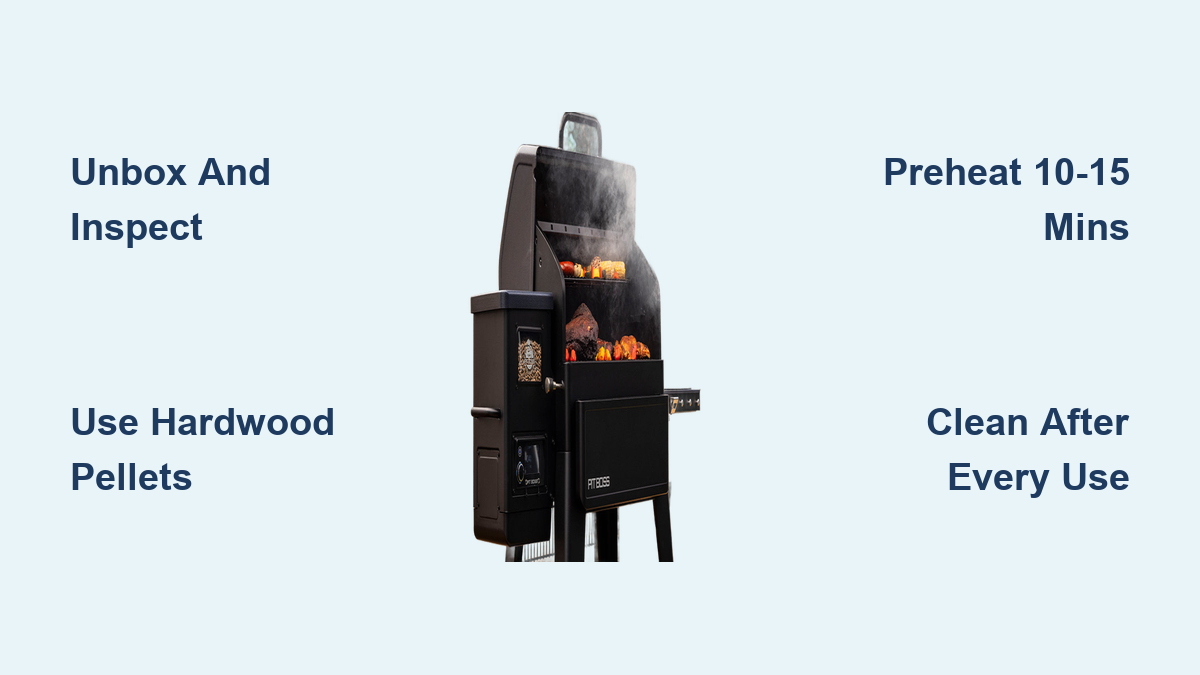
You’ve just unboxed your Pit Boss pellet grill, and the excitement is real. But before you toss on a steak or load in a brisket, learning how to use a Pit Boss pellet grill correctly is essential for safety, flavor, and long-term performance. Unlike traditional charcoal or gas grills, Pit Boss models blend electric convenience with authentic wood-fired taste, functioning more like a smart convection oven than an open-flame cooker.
Mastering your Pit Boss means understanding its startup sequence, fuel requirements, and temperature control system. Whether you’re smoking ribs low and slow at 180°F or searing a ribeye at 500°F, proper setup makes every cook better. This guide walks you through every step, from initial cleaning to advanced smoke-then-sear techniques, so you can cook with confidence from day one.
Unbox and Inspect Your Pit Boss Pellet Grill
Verify All Components Are Present
Before assembly, carefully unpack your grill and confirm every part is included. Key components to check:
– Cooking grates (usually upper and lower)
– Drip tray
– Fire pot
– Hopper
– Starter pellets (if provided)
– Power cord and control panel
If anything is missing or damaged, contact the retailer or manufacturer right away. Retail stores often offer in-person guidance on operation and pellet selection, so take advantage of that support if available.
Clean Before Your First Cook
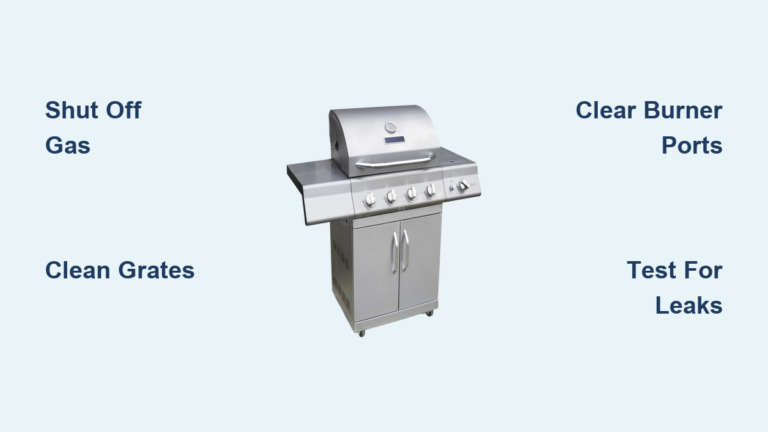
Wipe down the interior with a damp cloth to remove manufacturing oils, dust, and storage residue. Pay special attention to:
– Cooking grates – Prevents off-flavors
– Fire pot – Ensures clean ignition
– Drip tray and grease chute – Avoids future flare-ups
Avoid chemical cleaners. A simple water wipe is enough. This prep step guarantees your first cook starts fresh and safe.
Choose and Load the Right Pellets
Pick High-Quality Hardwood Pellets
Your Pit Boss requires 100% hardwood pellets. Avoid softwood, treated wood, or bargain blends. The best flavor options include:
– Oak – Medium smoke, highly versatile
– Mesquite – Intense, ideal for beef
Always use seasoned pellets. They burn cleaner, produce consistent heat, and deliver better flavor. Damp or low-grade pellets cause jams, poor combustion, and unpleasant tastes.
Fill the Hopper the Right Way
- Open the hopper lid.
- Pour pellets in until nearly full.
- Confirm the hopper is securely seated on the unit.
Critical rule: Never let the hopper drop below ¼ full. Running low pulls air into the auger tube, disrupting pellet flow and causing jams. Refill before it gets too low.
Follow the Safe Ignition Sequence
Start Your Grill Step by Step
Starting your Pit Boss the wrong way can cause ignition failure or dangerous gas buildup. Follow this exact order:
- Plug in the grill – Connect to a stable power source.
- Turn on the unit – Flip the power switch.
- Open the lid fully – Required for airflow and safety.
- Set to Smoke mode – Turn the dial to “Smoke” (around 180°F).
- Listen for ignition – The auger feeds pellets and the igniter sparks (about 1–2 minutes).
- Confirm fire – Once flames appear in the fire pot, close the lid.
- Set your cooking temperature – Adjust the control knob or digital setting.
Never close the lid during ignition. Trapped gases can cause flare-ups or a failed start.
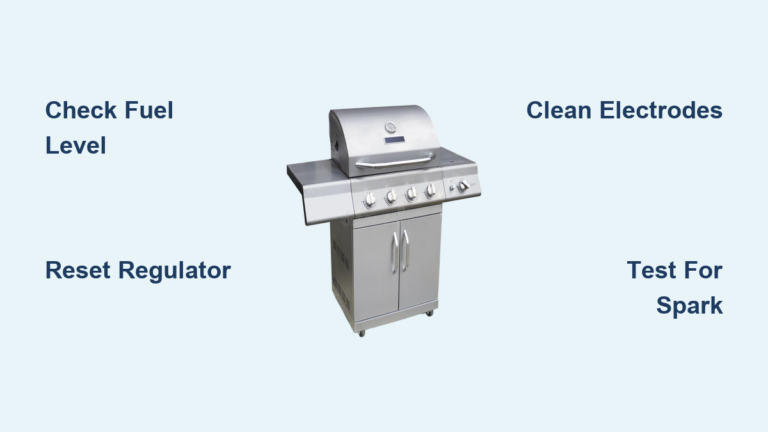
Troubleshoot If the Grill Won’t Light
If ignition fails:
– Check pellet level – Is the hopper at least ¼ full?
– Inspect the auger – Are pellets feeding into the fire pot?
– Clean the igniter – Ash or debris can block the spark.
If no spark occurs, turn off the unit, unplug it, and gently clean the igniter rod with a wire brush. Wait 5 minutes before trying again.
Preheat for the Best Results
Allow 10–15 Minutes to Heat Up
After closing the lid, let the grill preheat for 10 to 15 minutes before adding food. This step:
– Burns off residual oils from manufacturing
– Stabilizes internal temperature
– Ensures consistent pellet feeding
– Optimizes airflow for clean combustion
Use this time to season your meat and gather your tools.
Monitor Temperature Stability
Check the control panel or a reliable oven thermometer to confirm your set point. If temperature fluctuates wildly:
– Verify hopper level
– Clean fire pot and ash buildup
– Block wind from blowing into the exhaust on breezy days
Once stable, your grill is ready for cooking.
Master the Smoke Then Sear Technique

Add Smoke Flavor Like a Pro
For maximum smoke penetration and tender results, follow this advanced method:
- Set to Smoke (180°F) – Keep the lid closed.
- Add a water pan – Place a metal tray with water on the grate. This:
– Stabilizes temperature
– Adds humidity
– Helps smoke cling to the meat - Wait 6–7 minutes – Let the environment stabilize before adding food.
- Add meat – Place on the grate, away from direct flame.
- Cook low and slow – Run for 1–3 hours, depending on cut.
- Check tenderness – Use a probe; aim for fork-tender texture.
- Increase heat – Crank up to 350–500°F to finish, creating a bark or sear.
Treat Your Pit Boss Like an Oven
Once heated, your grill acts as a convection oven. Heat circulates evenly, so:
– No need to flip food constantly
– Use indirect heat for most smoking
– Place delicate items like fish on upper racks
Always monitor internal meat temperature with a probe. Rely on doneness, not time. A turkey breast might take 2.5 hours one day and 3 hours the next, depending on ambient conditions.
Clean and Maintain After Every Cook
Empty the Grease Tray Right Away
After each session:
– Remove and empty the drip tray
– Scrape off built-up grease
– Wash with warm, soapy water
Never leave grease inside. It’s a fire hazard and ruins flavor on future cooks.
Run a Weekly Burn-Off Cycle
Once a week (or after heavy use), perform a burn-off:
1. Turn the grill to High (450–500°F)
2. Close the lid
3. Let it run for 20–30 minutes
This incinerates leftover grease, ash, and residue on grates and interior walls.
Clean the Fire Pot Monthly
Ash builds up in the fire pot, blocking airflow and reducing efficiency. Steps:
1. Turn off and unplug the grill.
2. Wait until completely cool.
3. Remove grates and drip tray.
4. Pull out the fire pot (if removable) or use a shop vac.
5. Clear holes with a wire or small brush.
Clean fire pots ensure reliable ignition and steady heat.
Optimize Long-Term Performance

Manage Airflow and Combustion
Some Pit Boss models allow manual airflow adjustment. If yours does:
– Open vents slightly during smoke mode for better draft
– Close partially during high-heat grilling to retain heat
Balanced airflow equals a clean burn and better flavor.
Store Pellets Properly
Keep unused pellets in a sealed, dry container. Moisture causes swelling and jamming. Never store pellets in the hopper long-term if the grill sits idle.
Replace Worn Parts Promptly
Common wear items include:
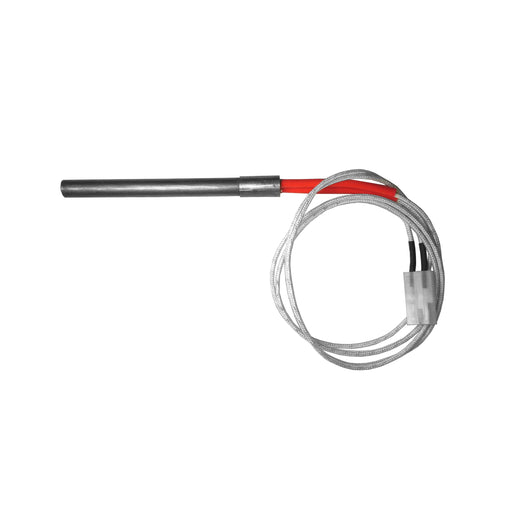
– Igniter rod – Replace if no spark appears after cleaning
– Hot rod – Heats the fire pot; wears out over time
– Auger motor – Replace if it clicks but doesn’t feed pellets
Order OEM parts directly from Pit Boss to guarantee compatibility.
Frequently Asked Questions About Pit Boss Pellet Grills
How long does it take to preheat a Pit Boss pellet grill?
Most Pit Boss models need 10 to 15 minutes to preheat fully. This burns off residue, stabilizes temperature, and ensures steady pellet feeding. Some low-and-slow smoke techniques use a shorter 6–7 minute window with a water pan, but a full preheat is recommended for most cooks.
Can I leave pellets in the hopper when not in use?
It’s best to store unused pellets in a sealed, dry container rather than the hopper. Moisture exposure causes swelling and auger jams. If you store pellets in the hopper long-term, you risk poor combustion and ignition issues.
What happens if my hopper runs empty mid-cook?
Running the hopper below ¼ full introduces air into the auger tube, which disrupts pellet flow and can cause jams. Always refill before the level drops too low to maintain consistent heat and avoid mechanical problems.
Do I need to clean the grill after every use?
You should empty and clean the grease tray after every cook to prevent fire hazards and flavor transfer. A full interior clean with a weekly burn-off cycle handles the rest of the maintenance.
What type of pellets should I avoid?
Avoid softwood, treated wood, or low-grade blended pellets. These produce inconsistent heat, cause jams, and create off-flavors. Stick to 100% seasoned hardwood pellets like hickory, oak, or mesquite for best results.
Key Takeaways for Using Your Pit Boss Pellet Grill

- ✅ Always start with the lid open to prevent gas buildup.
- ✅ Never run the hopper below ¼ full to avoid auger jams.
- ✅ Use only high-quality hardwood pellets for best flavor and performance.
- ✅ Preheat for 10–15 minutes before cooking.
- ✅ Clean the grease tray after every use for safety and flavor.
- ✅ Run a weekly burn-off to keep the interior clean.
- ✅ Think oven, not grill by controlling temperature, not flame.
With these steps, you’ll get consistent, flavorful results every time you fire up your Pit Boss. Whether you’re smoking a brisket or grilling burgers, this grill is built to deliver. The more you use it, the more you’ll appreciate its simplicity and power.
Now grab your pellets, fire it up, and start cooking.