How to Deep Clean Grill Grates
Nothing ruins a perfect barbecue faster than food sticking to grimy grates or tasting like old smoke and grease. If your grill grates are caked with carbon, rust, or sticky residue, it’s time for a deep clean. How to deep clean grill grates isn’t just about looks—it’s essential for food safety, even heating, and protecting your investment. Built-up gunk causes flare-ups, uneven cooking, and off-flavors, while rust can compromise the integrity of the metal.
The good news? With the right tools and techniques, you can restore your grates to peak performance in a few hours. This guide walks you through safe, effective, material-specific methods so you can grill with confidence.
Essential Safety and Setup Steps
Before touching your grates, safety comes first. A careless cleaning session can lead to injury, chemical damage, or ruined equipment.
Cool Down and Disconnect Fuel
Always let your grill cool completely before disassembly. For gas grills, shut off the propane tank and disconnect it. For charcoal models, ensure all coals are fully extinguished and cold. Never attempt to clean hot components unless using a warm-scrape method immediately after cooking.
Wear Protective Gear
Put on heavy-duty gloves to protect your hands from sharp edges, grease, and cleaning agents. If cleaning warm grates, use high-temperature gloves rated for 900°F–1200°F. Avoid chemical exposure by steering clear of oven cleaners, bleach, and caustic solvents. These can pit metal and leave harmful residues.
Prepare Your Workspace
Lay down a tarp or old trash bags to catch debris and dirty water. Set up two large plastic bins: one with warm, soapy water (use Dawn dish soap), and another with clean water for rinsing. Keep a trash can nearby for scrapings and used materials.
Choose the Right Method by Grate Material
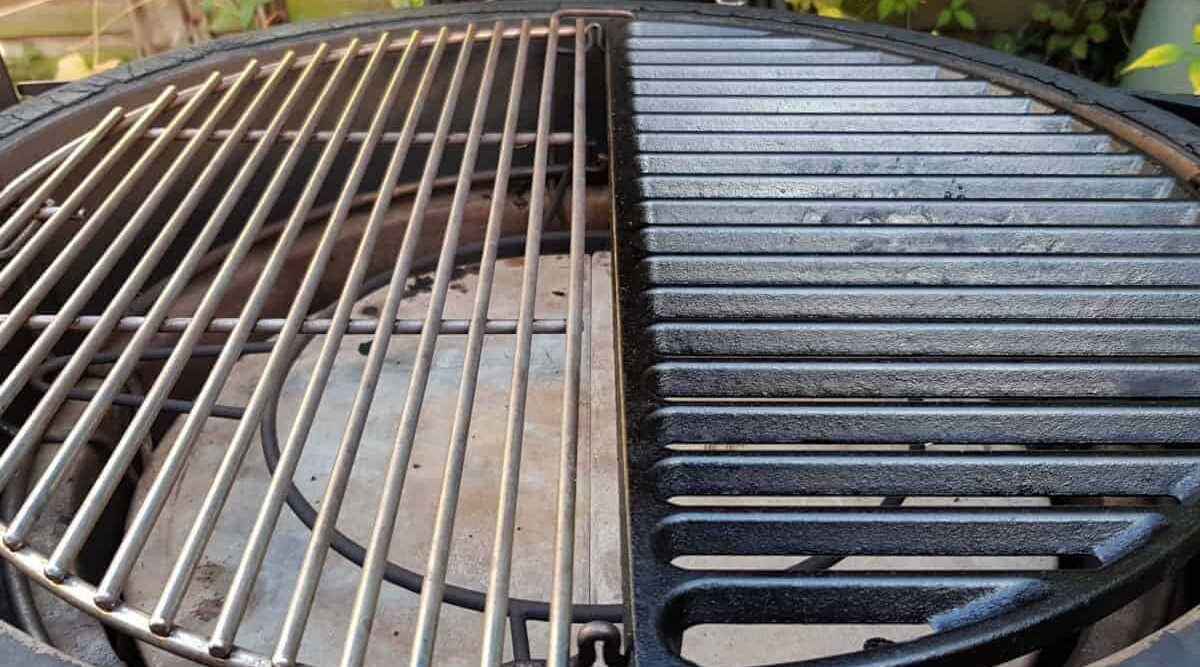
Different grates need different care. Using the wrong tool or cleaner can damage surfaces or shorten their lifespan.
Clean Stainless Steel Grates Safely
Stainless steel is durable but prone to carbon buildup over time.
Use Heat to Loosen Debris
Turn the grill on high for 15–20 minutes to burn off loose food particles. Let the grates cool slightly, just enough to handle, then scrub with a stainless steel brush or crumpled aluminum foil ball. This method avoids damaging the metal while removing most grime.
Soak for Stubborn Buildup
For heavy grease, remove the grates and soak them in a mix of hot water and dish soap for 6–8 hours (or overnight). Alternatively, use a vinegar-and-baking-soda solution (2 cups vinegar + 1 cup baking soda) to break down carbon. After soaking, scrub with steel wool or a non-scratch pad, rinse thoroughly, and dry completely.
Pro Tip: Don’t expect shiny-new results. Some discoloration is normal and doesn’t affect performance.
Recondition Cast Iron Grates Without Damage
Cast iron holds heat beautifully but rusts easily if not properly maintained.
Never Soak Overnight
Prolonged soaking strips seasoning and invites rust. Instead, scrape while warm after cooking. For deep cleaning, use a paste of baking soda, dish soap, and vinegar. Apply, wait 15 minutes, then gently scrub with a nylon brush.
Always Re-Season After Cleaning
Once rinsed and dried, coat the grates with vegetable oil using a paper towel. Place them back on the grill and heat on high for 30–45 minutes to polymerize the oil and restore the non-stick layer.
Remove Light Rust Quickly
Scrub surface rust with steel wool, rinse, dry immediately, oil, and reheat. If grates are deeply pitted or crumbling, replace them.
Protect Porcelain-Coated Grates
These grates resist rust but scratch easily, exposing metal to moisture.
Avoid Metal Brushes and Steel Wool
Wire bristles will chip the enamel, leading to rust spots. Use only nylon-bristled brushes, non-abrasive sponges, or soft cloths.
Use Baking Soda Paste for Stains
Mix equal parts baking soda and water into a thick paste. Apply to stained areas, wait 10–15 minutes, then gently scrub. Rinse and dry immediately. For extra stubborn spots, repeat, but never resort to harsh tools.
Warning: If the coating is already flaking, the grate is compromised and should be replaced.
Maintain Aluminum GrillGrates Properly
Aluminum grates conduct heat efficiently but are softer and heat-sensitive.
Never Exceed 850°F
High-heat burn-offs can warp or melt aluminum. Instead, scrape while warm using a straight scraper or coiled brush.
Clean the Valleys Thoroughly
The rail-and-valley design traps debris. Use a shaped aluminum foil edge or a “Grate Tool” spatula to shovel gunk out of the troughs. This prevents black residue from transferring to food.
Avoid Dishwashers and Caustic Cleaners
Never run aluminum grates through a dishwasher or use oven cleaner. These damage the anodized surface. Instead, soak in mild solutions like Simple Green or dish soap, then rinse and dry.
Best Deep Cleaning Techniques That Work
Choose the method that fits your grate type and level of buildup.
Soak Grates Overnight for Maximum Results
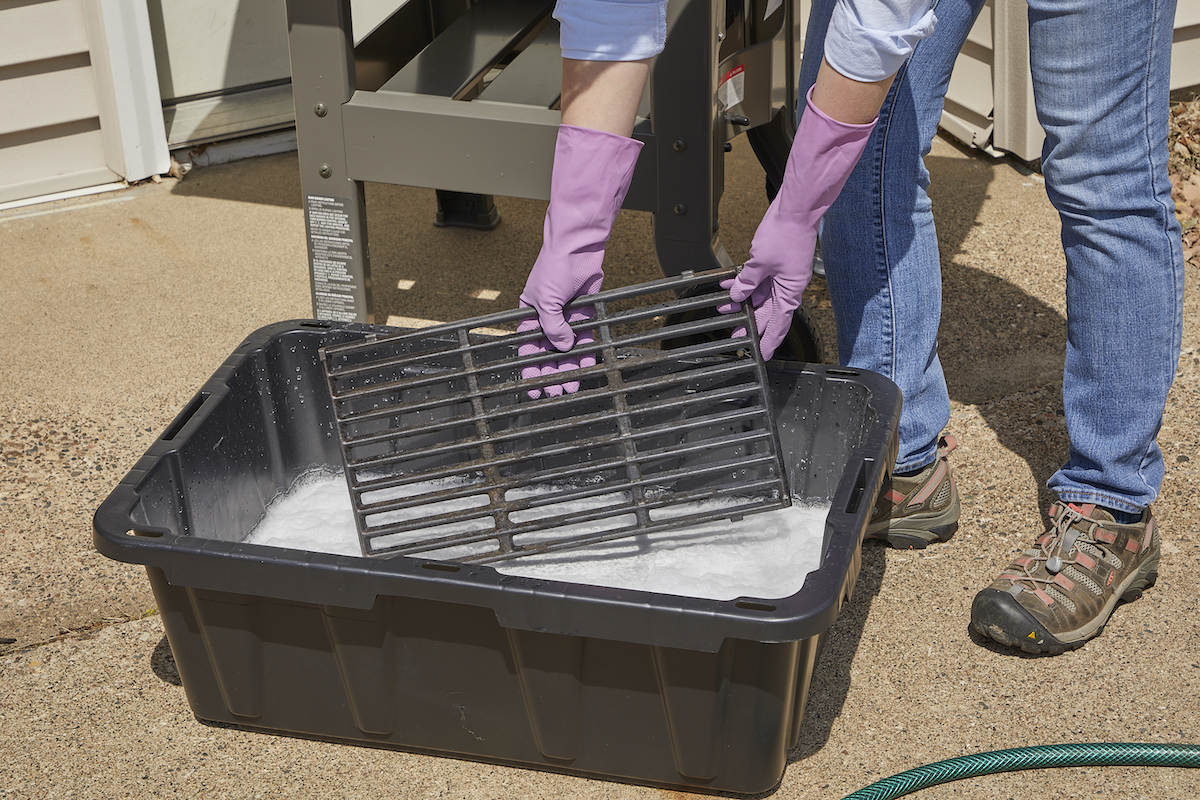
Ideal for stainless steel and non-porous grates with heavy grease.
Prepare the Soaking Solution
Fill a large bin with hot water and 1/2 cup dish soap. For tougher jobs, mix 2 cups white vinegar and 1 cup baking soda. This creates a degreasing reaction.
Submerge and Wait
Place grates fully underwater. Soak for at least 6 hours; overnight is best. Check in the morning. Most gunk will lift off with minimal scrubbing.
Rinse and Dry Immediately
After scrubbing, rinse under running water. Dry completely with a towel or air-dry in the sun to prevent rust.
Note: Do not soak cast iron or porcelain-coated grates.
Apply Baking Soda Paste for Targeted Cleaning

Great for spot treatment or when full soaking isn’t possible.
Make the Right Paste
For general cleaning, mix 1.5 cups baking soda with 0.5 cup water. For cast iron or heavy buildup, combine 1.5 cups baking soda, 0.25 cup dish soap, and 0.25 cup vinegar (it will foam).
Let It Sit, Then Scrub
Spread the paste over grates. Wait 10–30 minutes depending on grime. Scrub with an appropriate tool (foil ball for stainless, nylon brush for coated), then wipe or rinse clean.
Use Aluminum Foil to Scrub Without Damage
A cheap, effective alternative to wire brushes.
Crumple and Shape the Foil
Take a 2–3 foot sheet, crumple tightly into a ball. For valley cleaning (like on GrillGrates), flatten one edge to fit into grooves.
Scrub Rails and Valleys
Use firm pressure to scrub along the wires. The foil is abrasive enough to remove carbon but won’t scratch stainless or anodized aluminum.
Pro Tip: Replace the ball when it becomes too soft or dirty.
Try the Onion Trick for Light Maintenance
Not a deep clean, but great for in-between sessions.
Rub Hot Grates with Onion
Cut an onion in half, spear with a fork, and rub the cut side over hot grates. The acid and moisture help loosen light debris while adding a subtle seasoning.
Follow with Oil
Wipe with an oiled paper towel after to protect the surface.
When to Use High-Heat Burn-Off (And When Not To)
Burn-off works for some grates, but not all.
Safe for Stainless and Cast Iron
After cooking, crank the heat to high for 20–25 minutes. Residue turns to ash, which you can easily scrape off while warm.
Never Use on Aluminum Grates
Temperatures above 850°F damage aluminum. Stick to mechanical cleaning instead.
Clean the Entire Grill Interior
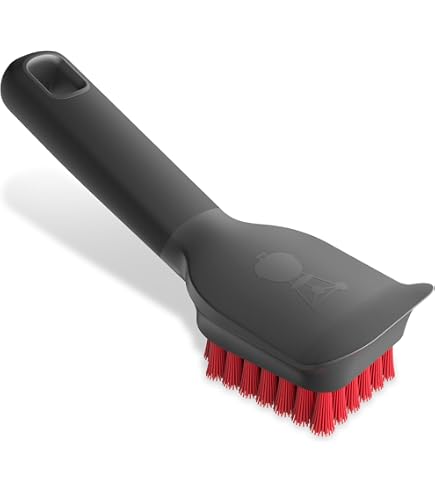
Grates are just one part. A full deep clean includes the cookbox, burners, and grease system.
Scrape Flavorizer Bars and Cookbox
Remove grates and scrape flavorizer bars (the metal deflectors over burners) and interior walls. Let debris fall into the grease tray below. Use a stiff brush or scraper, then wipe down with a damp cloth.
Clear Burner Tubes and Igniters
Inspect burner tubes for clogs. Gently clean with a wire brush or pipe cleaner. Ensure igniters are free of grease and debris to maintain reliable ignition.
Empty and Clean the Grease System
Remove the disposable drip pan and trash it. Scrape the grease tray, then soak in soapy water if needed. Rinse and replace the liner. A clogged system causes flare-ups and odors.
Wipe Down Exterior and Cabinet
Wash knobs, cabinet doors, and exterior surfaces with hot, soapy water. Remove cobwebs from inside the cabinet to deter pests.
Cleaning Hack: Spray a vinegar-baking-soda mix inside the cookbox, let sit 15 minutes, then wipe clean. Avoid oven cleaner.
Fix Common Grilling Problems Fast
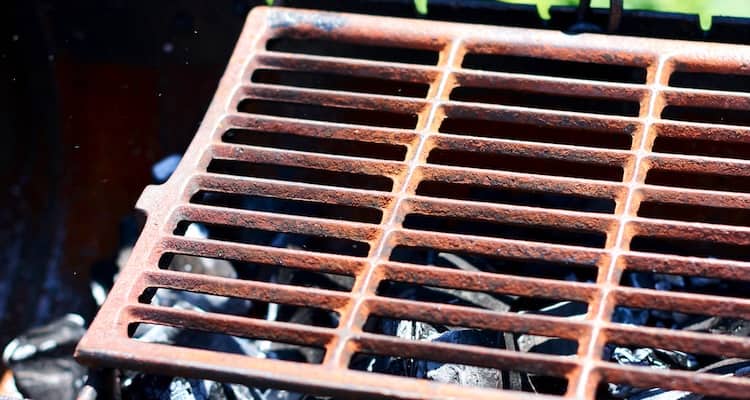
Remove Rust Before It Spreads
Light rust? Scrub with steel wool, rinse, dry, and re-season with oil. Deep pitting means replacement is needed. Don’t risk metal fragments in your food.
Stop Black Residue on Food
This usually comes from debris in grate valleys. Deep clean using the foil-edge method or a coiled brush. For GrillGrates, flip panels to flat-side up or clean valleys more frequently.
Break Down Stubborn Interior Grease
Apply a vinegar-baking-soda paste to greasy walls. Wait 20 minutes, then scrub. For extreme buildup, use a dedicated grill degreaser (spray only on cookbox, not burners).
Restore Cast Iron Seasoning
If seasoning is stripped, clean, dry, oil generously, and heat on the grill at high for 30–45 minutes. Repeat if needed.
Keep Grates Clean With Smart Habits
Scrape While Warm After Every Use
This removes 90% of debris before it hardens. Use a stiff brush or foil ball while grates are still warm, but not scorching hot.
Oil Grates After Cleaning
Once dry, rub a thin layer of vegetable oil on the surface with a paper towel. This prevents rust and improves non-stick performance.
Cover the Grill When Not in Use
A fitted cover shields grates from rain, dew, and dust. This prevents rust and reduces cleaning frequency.
Rotate GrillGrates Panels
Flip modular grates periodically. Some rail-up, some flat-up. This spreads wear and uses natural heat to self-clean surfaces.
Rinse Off All Cleaning Residue
Leftover soap or vinegar can damage metal and affect food flavor. Rinse thoroughly and dry completely before storage or use.
Never Do These 5 Things
Avoid these common mistakes to protect your grates and grill:
- Don’t use a dishwasher. Harsh detergents and moisture cause rust, especially on cast iron and aluminum.
- Never use oven cleaner. It is too caustic and will pit aluminum and strip seasoning.
- Avoid bleach. It corrodes all metal types and leaves toxic residues.
- Skip wire brushes on coated grates. Scratches porcelain, leading to rust.
- Don’t overheat aluminum grates. Prolonged temps above 850°F cause warping.
Frequently Asked Questions About Deep Cleaning Grill Grates
How often should I deep clean my grill grates?
You should deep clean your grill grates twice a year: once at the start of grilling season and once before winter storage. Additional deep cleans are recommended after heavy use or if flare-ups occur.
Can I use oven cleaner on grill grates?
No. Oven cleaner is too caustic and can pit aluminum, strip seasoning from cast iron, and damage porcelain coatings. Stick to dish soap, vinegar, and baking soda instead.
Is it safe to use a wire brush on porcelain-coated grates?
No. Wire brushes and steel wool will scratch and chip porcelain enamel, exposing the metal underneath to rust. Use only nylon-bristled brushes or soft sponges.
How do I remove rust from cast iron grates?
Scrub light surface rust with steel wool, rinse, dry immediately, then apply a thin coat of vegetable oil and heat the grill on high for 30–45 minutes to re-season. Replace grates that are deeply pitted or crumbling.
Can I put aluminum GrillGrates in the dishwasher?
No. Dishwasher detergents are too harsh for anodized aluminum and will damage the surface. Soak them in mild dish soap or Simple Green instead, then rinse and dry.
What’s the best way to clean the valleys on GrillGrates?
Use a crumpled piece of aluminum foil with a flattened edge or a specialized coiled brush to slide into the troughs and dislodge debris. This prevents black residue from contaminating your food.
Key Takeaways for Deep Cleaning Grill Grates
Deep cleaning your grill grates isn’t complicated, but doing it right matters. Match your cleaning method to your grate material: soak stainless steel and porcelain-coated grates, but never soak cast iron or aluminum. Use baking soda paste for targeted grime, aluminum foil for scrubbing without scratches, and high-heat burn-offs only on materials that can handle it.
Beyond the grates, clean the entire grill interior, including flavorizer bars, burner tubes, and the grease system, to prevent flare-ups and ensure even heating. Maintain your results by scraping after every use, oiling grates after cleaning, and covering the grill when not in use.
Your next step: Pick a method from this guide, gather your supplies, and schedule your deep clean before your next cookout. Consistent care means safer, better-tasting food and a grill that lasts for years.