
How to Grill Pollo Asado: Quick Steps
There’s something deeply satisfying about the sizzle of chicken hitting a hot grill, the air filling with citrus and smoke. Pollo asado captures that exact moment, transforming simple ingredients into bold, restaurant-worthy flavor right in your backyard. This Latin American classic balances tangy citrus, earthy achiote, and fire-kissed char in every bite.
In this guide, you’ll learn how to pick the best chicken cuts, build an authentic marinade from scratch, master two-zone grilling, and fix common mistakes that ruin texture. By the end, you’ll have everything needed to serve perfectly grilled pollo asado that rivals your favorite taqueria.
Pick the Best Chicken Cuts for Grilling
Choose Bone-In, Skin-On Dark Meat
Dark meat is the gold standard for pollo asado. Bone-in, skin-on thighs and leg quarters stay juicy over high heat, thanks to higher fat content and connective tissue. The skin crisps beautifully, sealing in moisture and adding rich texture. Skip skinless or boneless cuts unless absolutely necessary, since they dry out quickly under the intense grill heat.
Break Down a Whole Chicken for Better Value
Buying a whole fryer and cutting it yourself saves money and gives you more control. Split the bird into 8 pieces (two breasts, two wings, two thighs, two drumsticks), or spatchcock it by removing the backbone for even cooking. Peeling back the skin lets you season the meat directly, boosting flavor penetration. Save the backbone and wing tips for rendering into schmaltz, which makes an incredible finishing sauce.
Handle Chicken Breasts with Care
Breasts can work, but they need attention. Pound them to even thickness so they cook uniformly, and never marinate longer than 8 hours. Citrus acid breaks down proteins fast, leaving you with mushy exterior. Grill breasts over direct heat only until they reach 155–160°F, then let carryover heat bring them to a safe 165°F.
Build an Authentic Pollo Asado Marinade
Blend Citrus, Garlic, and Achiote
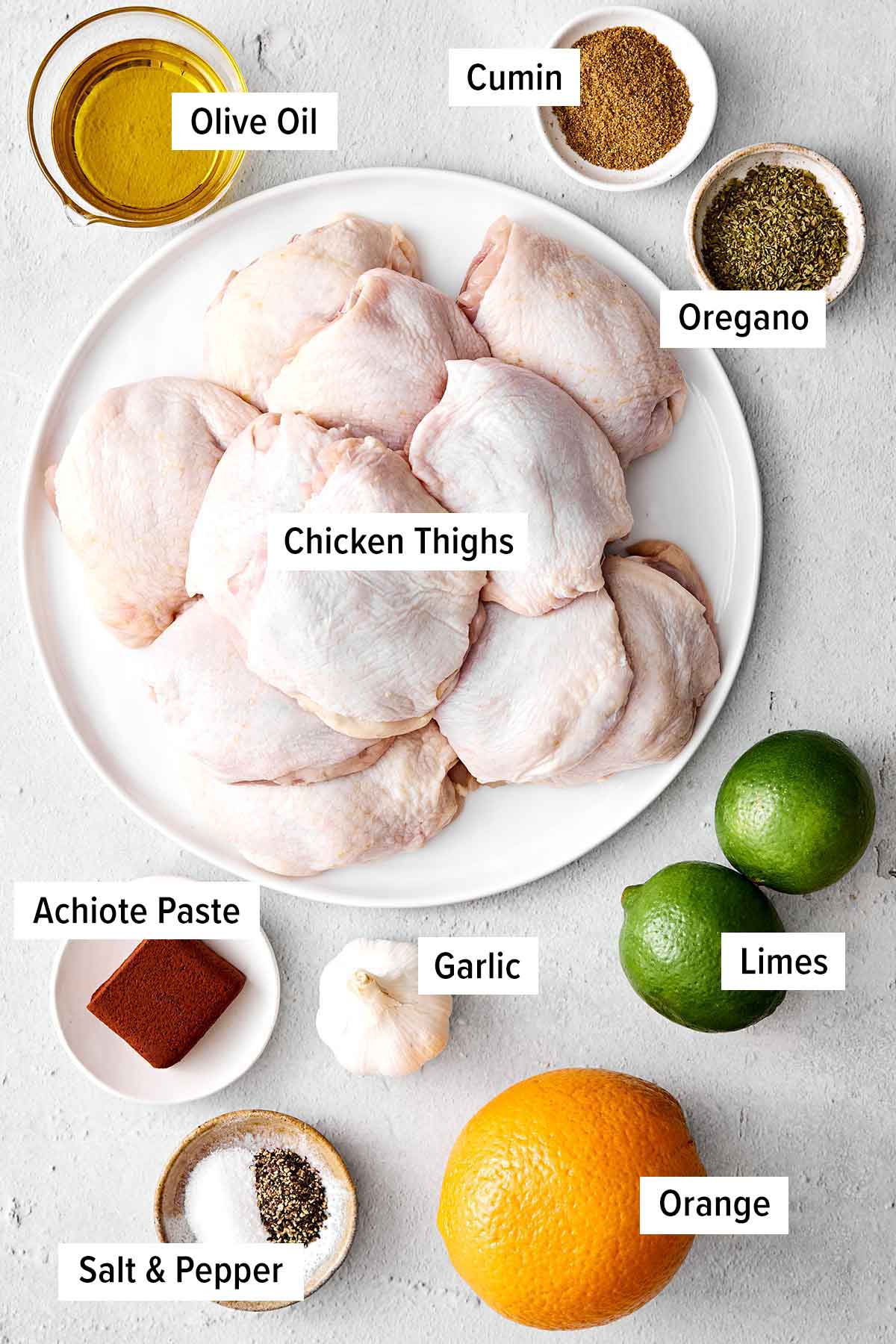
The marinade is where the magic happens. In a blender, combine ½ cup fresh orange juice, ¼ cup fresh lime juice, 4–8 peeled garlic cloves, ¼ onion, and 1 seeded jalapeño or Thai chile. Add 2.5 oz achiote paste, 1 tsp cumin, 1 tsp oregano, ½ tsp smoked paprika, 1 tsp salt, and 2 tbsp olive oil. Blend until completely smooth, about 1–2 minutes. The result should look like a thin, vibrant paste.
Char Your Aromatics First
For deeper, smokier flavor, char the garlic, onion, and chile in a hot skillet before blending. This step mimics traditional open-fire cooking and adds subtle complexity that raw aromatics can’t match. Blackened spots on the vegetables translate directly into bold flavor in the finished dish.
Make a Quick Achiote Substitute
Can’t find achiote paste? Mix 2 tbsp paprika, 1 tbsp white vinegar, 1 tsp oregano, 1 tsp garlic powder, ½ tsp cumin, ¼ tsp black pepper, ¼ tsp cinnamon, and ⅛ tsp cloves. While not identical, this blend captures the warm, earthy profile that defines authentic pollo asado.
Marinate Safely and Effectively
Reserve Marinade Before Adding Chicken
Pour the blended marinade over chicken in a large resealable freezer bag or non-reactive dish. Before the chicken goes in, set aside ½ cup of marinade in a separate container for basting or finishing sauce. Never reuse marinade that touched raw poultry unless you boil it vigorously for at least 2 minutes to kill bacteria.
Follow the Right Timing
Marinating windows matter. Dark meat needs 8–12 hours (up to 24 max) to absorb flavor without breaking down. White meat should stay in the marinade no longer than 8 hours. Always marinate in the refrigerator, never on the counter, to prevent bacterial growth.
Temper Before Grilling
Pull the chicken out 20–30 minutes before cooking to take the chill off. Room-temperature meat sears better and cooks more evenly. Shake off excess marinade before placing pieces on the grill to avoid flare-ups.
Set Up a Two-Zone Grill
Create Direct and Indirect Heat Zones
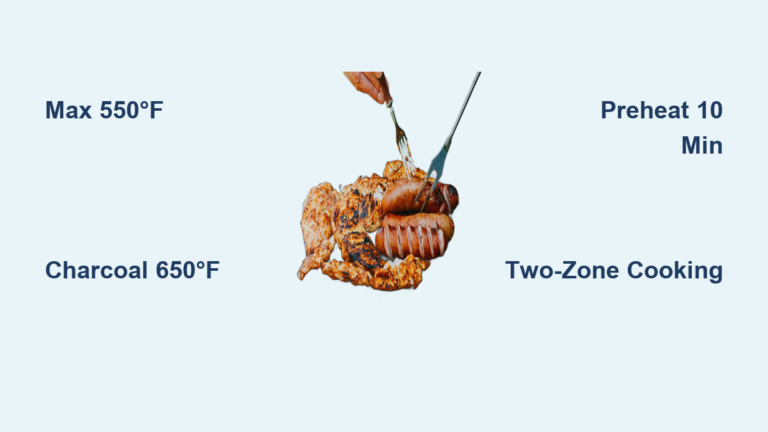
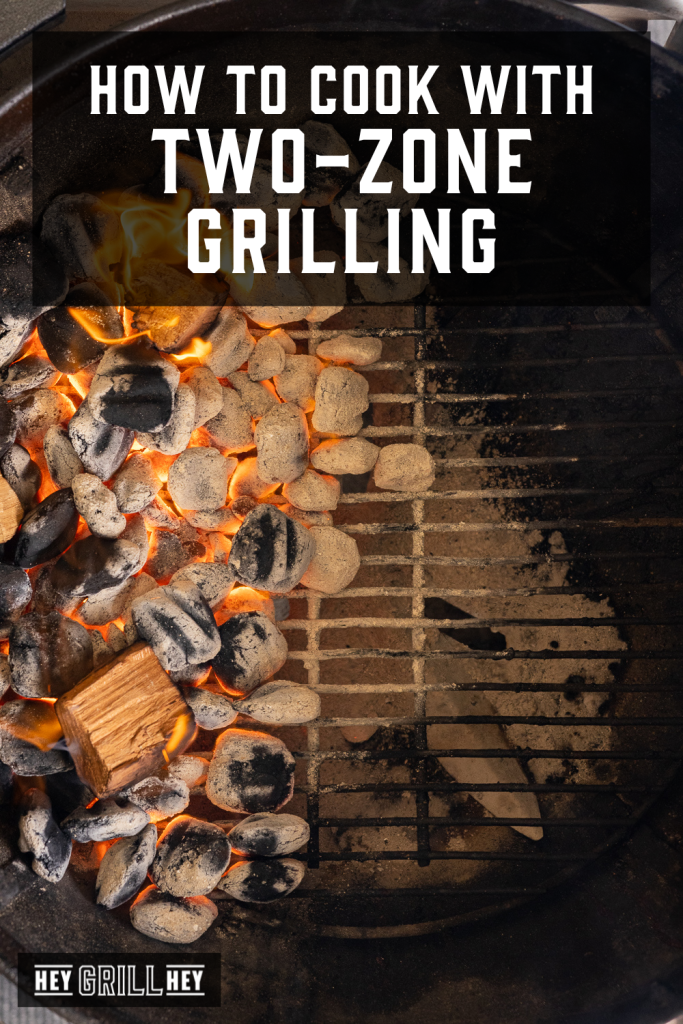
Two-zone grilling is the secret to perfectly cooked pollo asado. One side delivers high direct heat for searing; the other provides gentle indirect heat for finishing without burning.
- Charcoal setup: Pile lit coals on one side, leaving the opposite side empty.
- Gas setup: Turn on only half the burners (left side high, right side off).
Preheat the grill to 425–450°F with the lid closed for 10–15 minutes before adding chicken.
Choose the Right Fuel
Oak or hickory charcoal provides clean, classic smoke. Add mesquite sparingly for boldness, or fruit woods like apple and cherry for mild sweetness. Gas grills offer convenience and consistency, making them ideal for beginners who want predictable results. Skip lighter fluid entirely and use a chimney starter instead.
Prep the Grates for a Clean Sear
Scrub While Hot
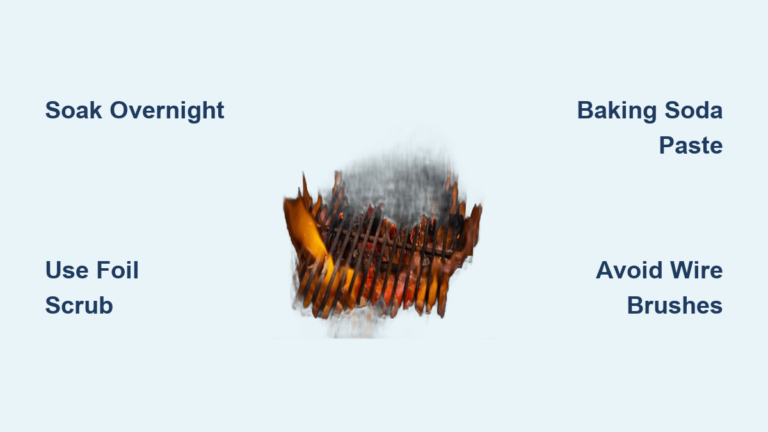
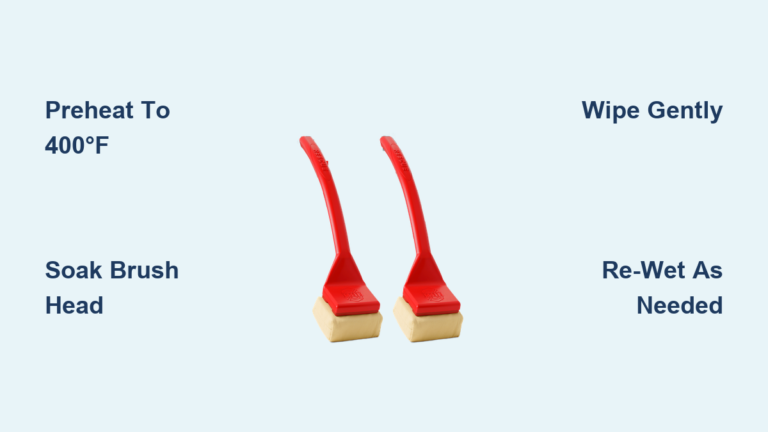
Clean grates prevent sticking and flare-ups. Scrub them with a wire brush while the grill is still hot. For a natural alternative, rub a cut onion over the grates. It cleans and seasons simultaneously, adding a subtle layer of flavor.
Grease with High-Smoke-Point Oil
Fold a paper towel, soak it in canola, vegetable, or avocado oil, and wipe the grates using tongs. Never use olive oil for this step. Its low smoke point causes burning, bitter flavors, and harmful compounds.
Grill the Chicken with Precision
Sear Skin-Side Down First
Place chicken skin-side down on the direct heat zone. Close the lid and sear for 5–10 minutes until golden brown and slightly charred. This renders fat, crisps the skin, and builds flavor through caramelization. Watch closely for flare-ups and move pieces to indirect heat if flames rise.
Flip and Finish Over Indirect Heat
Once seared, flip the chicken and transfer it to the cooler side of the grill. Cover and cook for 20–30 minutes, depending on size.
- Chicken breasts: Pull at 155–160°F.
- Thighs and legs: Cook to 170–175°F.
At 175°F, collagen in dark meat breaks down into gelatin, delivering fall-off-the-bone tenderness. Stopping at 165°F leaves dark meat chewy and tough.
Baste During the Final Minutes
During the last 10 minutes of cooking, brush on the reserved (uncontaminated) marinade or a finishing sauce. This adds gloss and layers of flavor. For a Texas-style twist, brush on apple-habanero barbecue sauce and top with a pat of butter.
Let the Chicken Rest
Wait 5–10 Minutes Before Cutting
Transfer grilled chicken to a clean plate or cutting board and let it rest for 5–10 minutes. This pause allows juices to redistribute throughout the meat. Cutting too soon causes moisture to spill out, leaving you with dry chicken. Cover loosely with foil to keep warm.
Explore Flavor Variations
Texas-Style Sweet Heat Glaze
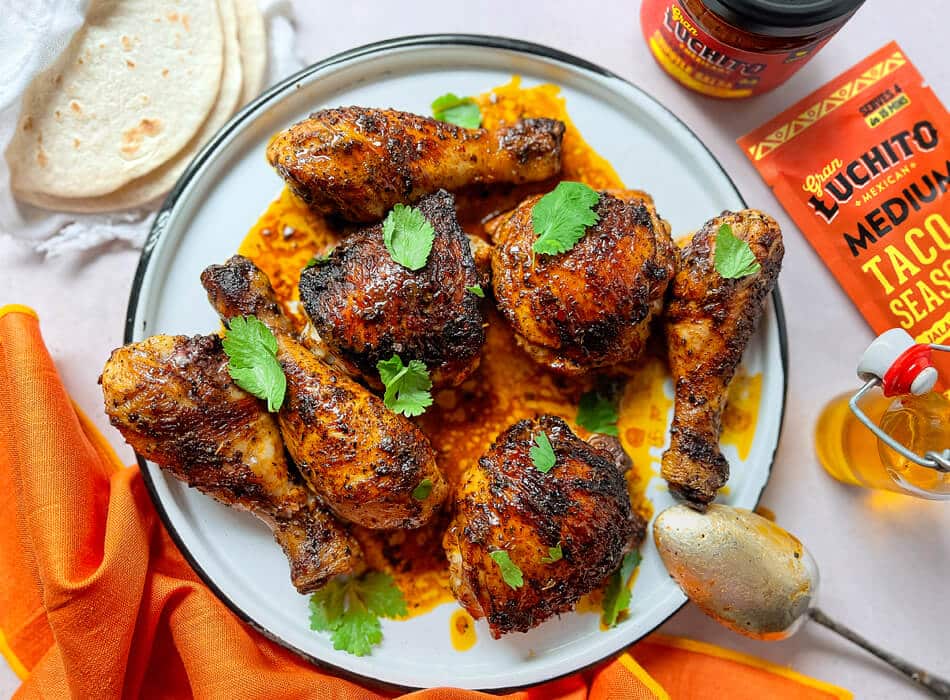
Build a bold finishing sauce by sautéing minced garlic, onion, and seeded habanero in ghee. Add ketchup, Worcestershire, apple cider vinegar, apple jelly, guajillo powder, cumin, brown sugar, and apple juice. Simmer for 20 minutes, then brush onto chicken during the final minutes of grilling.
Puerto Rican Sofrito Butter Injection
For deep, herby flavor, inject marinated chicken with melted salted butter mixed with ½ cup fresh sofrito (cilantro, culantro, garlic, onion, peppers). Use a flavor injector for even distribution, especially on large pieces or whole birds.
Texas Dry Rub Alternative
Skip the wet marinade and coat chicken with Parkay shortening, then apply a rub of 16-mesh black pepper, chili powder, and paprika. Let it sit for 5 minutes before grilling over oak or mesquite for a smoky Tex-Mex twist.
Serve with Traditional Sides
Build a Complete Plate
Pair pollo asado with warm corn or flour tortillas, cilantro lime rice, and refried or black beans. Add avocado crema, cotija cheese, and pickled red onions for extra brightness. Dice leftovers for tacos, burritos, or quesadillas throughout the week.
Add Fresh Accompaniments
Brighten the meal with pico de gallo (diced tomato, onion, jalapeño, cilantro, lime, salt), grilled elote, or mango pineapple salsa. For a Caribbean feel, serve with boiled yuca, green bananas, or arroz con gandules.
Store and Reheat Leftovers Safely
Refrigerate or Freeze Properly
Store cooked chicken in an airtight container in the fridge for up to 4–5 days. For longer storage, freeze it for 2–3 months. You can also freeze uncooked chicken in its marinade for up to 3 months. Thaw frozen chicken overnight in the refrigerator.
Reheat Without Drying Out
- Skillet: Medium-low heat with a splash of water or broth.
- Oven: 350°F for 10 minutes, covered with foil.
- Microwave: 30-second intervals, checking often.
Avoid high heat, which toughens the meat and steals moisture.
Fix Common Grilling Problems
Stop Mushy Texture
Over-marinating in citrus acid is the main culprit. Stick to a maximum of 12–24 hours for dark meat and 8 hours for white meat.
Prevent Dry or Tough Meat
Use a digital thermometer every time. Pull breasts at 160°F and dark meat at 175°F. Timing alone is unreliable due to variable grill temperatures and meat thickness.
Eliminate Sticking and Flare-Ups
Clean and oil grates properly with high-smoke-point oil. Shake off excess marinade before grilling and keep a spray bottle of water nearby for flare-ups.
Avoid Burnt Outside, Raw Inside
Use two-zone cooking. Sear first, then finish over indirect heat. Never cook large pieces entirely over high flame.
Boost Weak Flavor
Marinate for at least 4 hours. Make shallow cuts in thick legs or thighs to help the marinade penetrate. Always use fresh garlic, citrus, and real achiote paste for the best results.
Frequently Asked Questions About Pollo Asado
What is the best cut of chicken for pollo asado?
Bone-in, skin-on dark meat (thighs and leg quarters) is ideal. The higher fat content keeps the chicken juicy on the grill, and the skin crisps beautifully over high heat.
How long should I marinate pollo asado?
Marinate dark meat for 8–12 hours, with a maximum of 24 hours. White meat should marinate for no more than 4–8 hours. Longer times cause the citrus acid to break down proteins, creating a mushy texture.
What temperature should pollo asado be cooked to?
Chicken breasts should reach 165°F (pull at 160°F and let carryover heat finish the job). Dark meat should cook to 170–175°F so the collagen breaks down into gelatin, making it tender.
Can I make pollo asado without achiote paste?
Yes. Mix 2 tbsp paprika, 1 tbsp white vinegar, 1 tsp oregano, 1 tsp garlic powder, ½ tsp cumin, ¼ tsp black pepper, ¼ tsp cinnamon, and ⅛ tsp cloves. This substitute captures the warm, earthy flavor of achiote.
Can I bake pollo asado instead of grilling?
Absolutely. Preheat your oven to 400–425°F, arrange chicken on a lined baking sheet skin-side up, and bake for 25–40 minutes until internal temperatures are reached. Baste halfway through for extra moisture.
How do I store and reheat leftovers?
Refrigerate cooked chicken in an airtight container for up to 4–5 days, or freeze for 2–3 months. Reheat in a skillet with a splash of water, in a 350°F oven covered with foil, or in the microwave using 30-second intervals.
Final Thoughts on Grilling Perfect Pollo Asado
Grilling pollo asado comes down to three essentials: a balanced marinade, precise temperature control, and proper resting. Use bone-in dark meat for the juiciest results, respect marinating times to avoid mushy texture, and always rely on a thermometer instead of guesswork.
Fire up the grill, blend that vibrant marinade, and trust the process. Your next cookout is about to become legendary.