
Fix Traeger Grill Not Heating Up
You fire up your Traeger, set it to high, and wait for that perfect sear, only to realize the temperature won’t climb past 350°F. Or worse, it doesn’t ignite at all. A Traeger grill not heating up is a common frustration, but the solution is usually straightforward. The issue almost always boils down to one of three things: bad pellets, airflow blockage, or a failed component.
This guide cuts through the noise with a step-by-step, field-tested plan to diagnose and fix your grill, fast. Whether you’re dealing with a cold startup, weak flame, or capped temperatures, you’ll learn exactly what to check, how to test it, and when to modify or replace parts.
Check Pellet Quality First
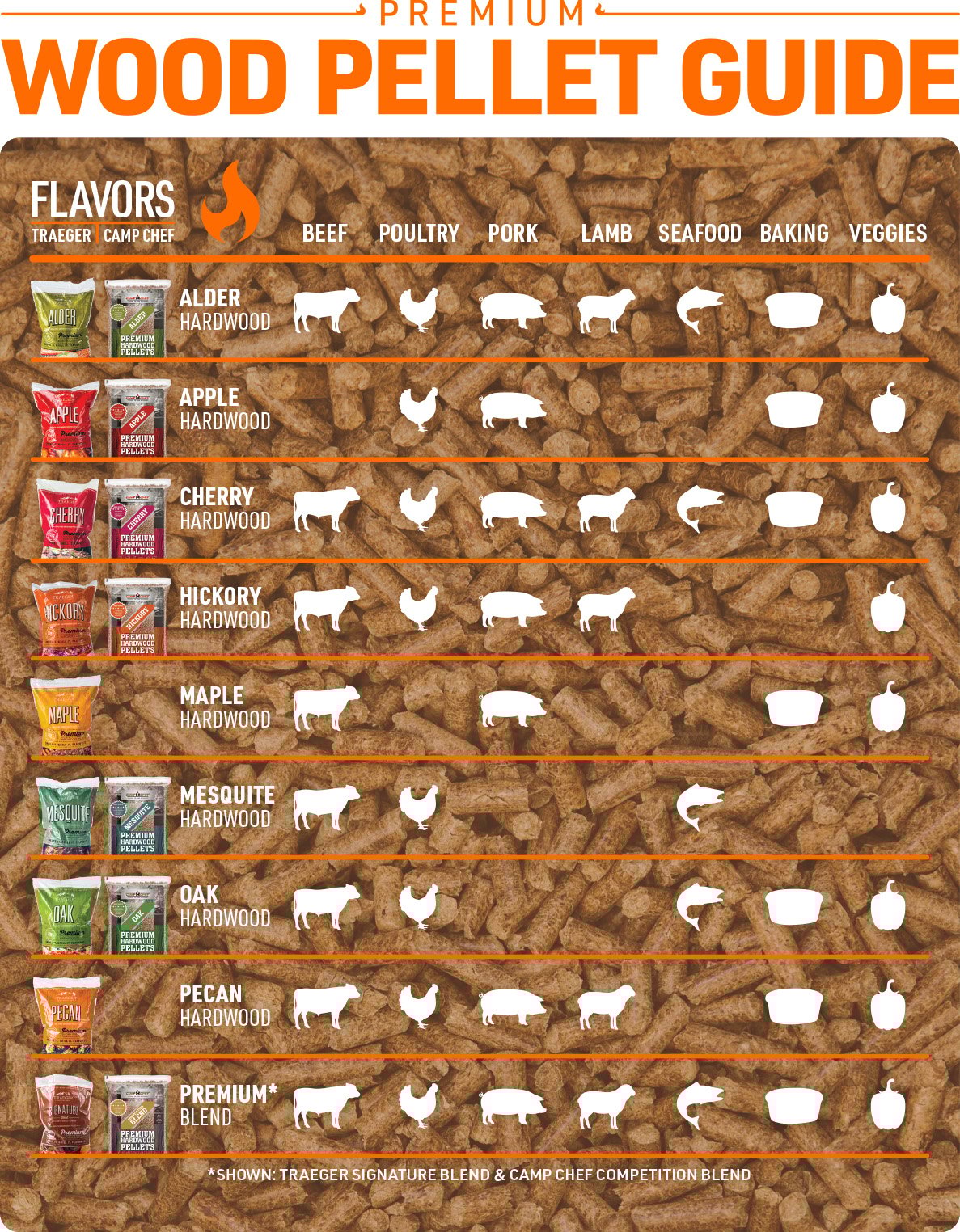
Before tearing into hardware, inspect your fuel. Poor-quality or damp pellets are the number one cause of heating problems.
Use Dry, High-Quality Pellets
Pellets must be dry, dense, and structurally sound. Good pellets are dark with a slight sheen and snap cleanly when broken, similar to a pencil. If they crumble, feel soft, or look faded, they’ve absorbed moisture and won’t burn efficiently.
Wet pellets swell and jam the auger, disrupting feed and preventing ignition. Even if the fire starts, damp fuel produces weak heat and excessive smoke.
Pro Tip: Replace pellets every 6 to 12 months. Never leave them in the hopper during humid or rainy seasons.
Try a Hotter-Burning Pellet Blend
If your Traeger lights but won’t exceed 375°F, the issue may be pellet composition. Traeger’s Signature blend runs cooler. Users report switching to Pit Boss Apple, Bear Mountain, or dense hardwood blends can push temps over 450°F.
Denser pellets burn hotter and longer. Experiment with non-Traeger brands known for high heat output to unlock searing capability.
Action Step: Empty the hopper, refill with fresh, high-density pellets, and run a smoke test.
Clean the Firebox and Remove Sawdust

Even a thin layer of sawdust under the auger can block airflow and kill heat.
Vacuum Sawdust Buildup
Fine dust accumulates every few cooks, especially during long smokes. It settles under the auger, around the firepot, and on the firebox floor, suffocating the flame.
Clean every 3 to 4 uses:
1. Turn off and cool the grill completely.
2. Remove grates, drip tray, and heat baffle.
3. Use a shop vac (or household vacuum with brush attachment) to pull out all debris.
4. Focus on the area under the auger, sides of the firebox, and around the firepot base.
Warning: Don’t force the auger out manually, as this can damage the igniter. Gently back it out only if accessible.
Clear the Firepot Air Holes
The firepot has small holes at the bottom that allow air to feed the flame. Ash and carbon buildup can block them.
Inspect and clean:
• Use long-handled tongs or a firepit poker to break up ash
• Shine a flashlight to ensure all holes are open
• Wipe the pot with a dry cloth
A clean firepot ensures the hot rod ignites pellets quickly and the draft fan sustains combustion.
Test the Hot Rod Igniter
No heat? The hot rod may not be firing.
Confirm the Igniter Is Working
The hot rod glows red during startup (4 to 5 minutes in Smoke mode) to ignite the pellets.
Test it:
1. Remove grates, drip tray, and baffle.
2. Set grill to Smoke mode.
3. Wait 2 to 3 minutes, then carefully place a hand near (not touching) the firepot.
4. Feel for radiant heat. If none, look for a red glow.
No heat? Check these:
• Frayed or disconnected wires at the controller
• Ash coating the rod (wipe clean with a soft cloth)
• For non-WiFIRE models: unplug and reconnect the purple and white wires at the control box to reset contact
If the rod still doesn’t glow after 5 minutes, replace it.
Inspect the Draft Induction Fan
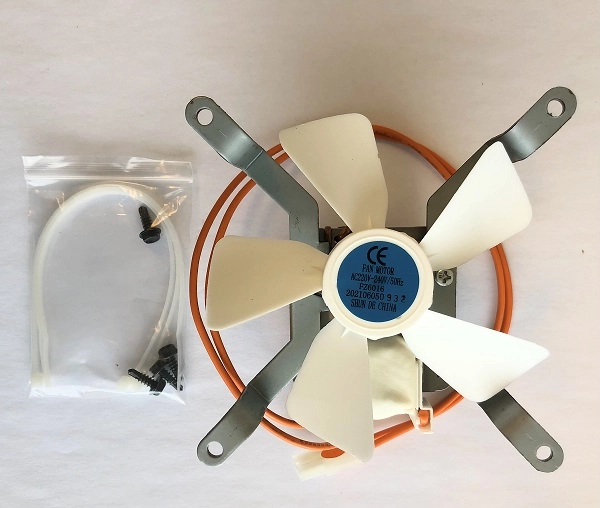
No airflow means no fire. The fan pulls oxygen through the firepot to ignite and sustain the flame.
Listen and Feel for Fan Operation
With the grill on, stand near the hopper. You should hear the fan spin up during startup.
Test airflow:
• Place a hand over the firepot. You should feel strong suction
• If no air, remove the hopper and inspect the fan
Common issues:
• Debris blockage: Grease, dirt, or spider webs clogging the blades
• Wires in the way: Loose wiring under the hopper can tangle the fan
• Motor failure: Fan doesn’t spin when powered
Fix it:
• Clean blades with a damp cloth
• Use zip ties to secure wires away from the fan path
• Manually spin the fan. If it’s stiff or seized, replace the motor
Verify Auger Function and Feed
No pellets in the firepot? The auger isn’t feeding.
Watch the Auger Cycle
In Smoke mode, the auger runs in cycles, typically 15 seconds on and 60 seconds off (varies by model).
Test it:
1. Remove grates and baffle.
2. Set grill to Smoke.
3. Look under the hopper. Motor should spin and move pellets.
4. Confirm pellets are dropping into the firepot.
If auger hums but doesn’t turn:
• Likely jammed by swollen, wet pellets
• Clear the auger tube manually or with compressed air
If motor is silent:
• Check power to the motor
• Inspect wiring connections
• If dead, replace the auger motor
Clean or Replace the Temperature Probe
A dirty or failing RTD probe tricks the controller into thinking the grill is hotter than it is, so it stops feeding pellets.
Diagnose Probe Issues
Symptoms include:
• Grill shows 350°F but fire looks strong
• Temp fluctuates wildly
• Fails to ramp up despite visible flame
Clean the probe:
• Locate the metal probe on the left side of the cooking chamber
• Wipe with a damp cloth
• For stubborn buildup, gently scrub with 0000-grade steel wool or a Scotch-Brite pad
• Do not bend or submerge
Pro Tip: A faulty probe rarely stops ignition. It usually causes incorrect readings, not no heat. If the fire is strong but temps cap, clean the probe first.
If cleaning fails, replace the RTD.
Adjust the Smoke Stack for Better Heat
The chimney cap position affects airflow, heat retention, and max temperature.
Tune the Stack Gap
The gap between the smoke stack and cap controls exhaust flow and internal pressure.
User-tested settings:
• For max heat (450°F+): Set cap 1/8″ open. This restricts exhaust slightly, trapping heat
• For stable smoke temps: 1″ gap allows freer airflow
Test both:
• Start with 1/8″ gap
• If grill overheats or smokes excessively, open wider
• In windy conditions, reduce the gap to prevent heat loss
Also, check for blockages. Spider webs, grease, or debris in the chimney can choke airflow.
Add Fire Bricks for Higher Temperatures
If your Traeger runs but won’t sear, add thermal mass.
Install Fire Bricks Under the Drip Tray
Fire bricks absorb and radiate heat, boosting stability and max temp.
How to install:
1. Remove grates, drip tray, and baffle.
2. Place 8 fire bricks (cost around $32) around the firepot base.
3. Ensure bricks don’t block firepot air holes or rise above the firepot rim.
4. Reinstall drip tray and baffle.
Results from users:
• Pro Series grill jumped from 350°F to 450°F+
• Reached 427°F in 10 minutes
• Recovered to 440°F in 2 minutes after lid opening
Safety: Never block airflow. Bricks should sit flat, low, and clear of the auger path.
Use a Cast Iron Griddle for Searing
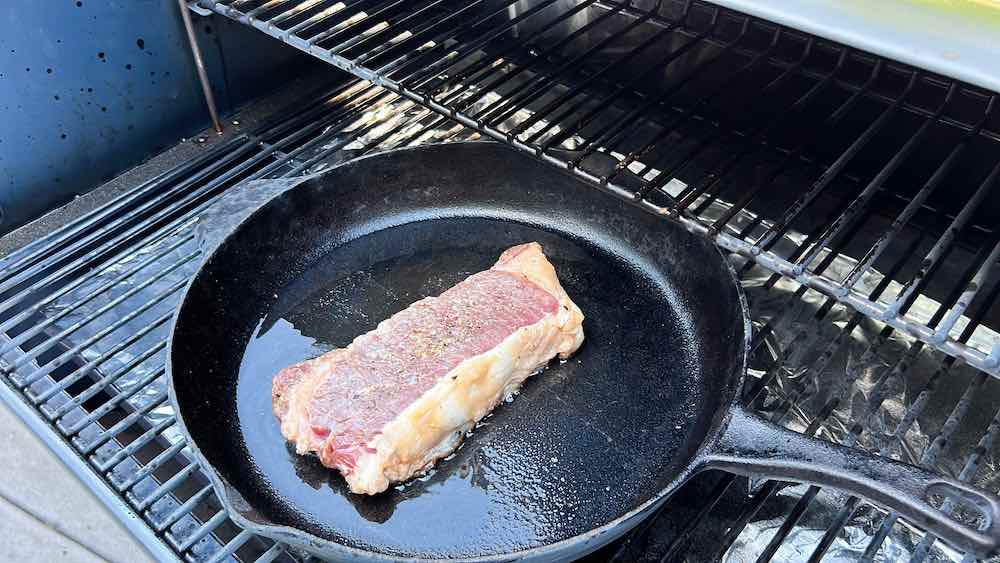
Direct radiant heat improves sear performance.
Place Griddle Below the Grates
Set a cast iron griddle or plate on top of the heat baffle (under the cooking grate).
Benefits:
• Adds thermal mass
• Radiates intense, even heat upward
• Enables steakhouse-style searing
Warning: Never run the grill without the heat baffle or griddle between the firepot and grate. Direct flame can warp grates or cause flare-ups.
Seal Heat With Lid Gaskets
Heat escapes through gaps in the lid seal, especially in wind or cold.
Add High-Temp Gaskets
Install fiberglass or silicone gaskets around the lid perimeter.
Why it helps:
• Reduces heat loss by up to 50°F in windy conditions
• Improves efficiency in cold weather (below 60°F)
• Helps maintain consistent temps
Check existing gasket:
• Look for cracks, brittleness, or missing sections
• Replace if damaged
Consider Environmental Factors
Your surroundings impact performance.
Combat Wind and Cold
Wind (5 to 10 mph) strips heat. Use a windbreak or relocate the grill. Cold ambient temps (50°F to 60°F) mean the grill works harder to heat up. Use fire bricks or an insulation jacket to retain heat.
Pro Tip: In winter, preheat with the lid closed for 15 to 20 minutes before cooking.
Follow the Troubleshooting Flowchart
Use this sequence to isolate the problem fast.
Step 1: No Ignition?
• Check pellets (dry? snapping?)
• Test hot rod (glowing?)
• Inspect fan (spinning? airflow?)
Step 2: Fire Starts, Then Dies?
• Clean firebox sawdust
• Clear firepot air holes
• Verify auger is feeding
Step 3: Won’t Exceed 375°F?
• Switch to high-heat pellet blend
• Clean RTD probe
• Adjust smoke stack gap
• Add fire bricks or griddle
Step 4: All Else Fails?
• Test control board signals
• Contact Traeger Support: 1-800-872-3437 (6 AM to 10 PM MST)
Prevent Problems With Routine Maintenance
Avoid future failures with simple habits.
After Every Cook
• Brush grates
• Check firepot for ash clumps
Every 3 to 4 Uses
• Vacuum firebox thoroughly
• Wipe down RTD probe
• Inspect auger feed
Seasonally
• Deep clean interior
• Inspect fan and wires
• Replace gaskets if cracked
Pellet Storage
• Store in a sealed, dry container
• Never leave in hopper long-term
Frequently Asked Questions About Traeger Grill Not Heating Up
Why won’t my Traeger grill heat up past 350°F?
This usually means your pellets are too cool-burning or your firebox has sawdust buildup restricting airflow. Switch to a denser hardwood blend like Pit Boss Apple or Bear Mountain, vacuum the firebox thoroughly, and clean the RTD probe. Fire bricks under the drip tray can also push temps past 450°F.
What causes a Traeger to fail to ignite at all?
The three main culprits are a dead hot rod, a failed draft fan, or wet/swollen pellets jamming the auger. Test the hot rod by feeling for heat in Smoke mode after 5 minutes. Listen for the fan spinning. Check pellets for a clean snap when broken.
How do I know if my Traeger hot rod is bad?
Set the grill to Smoke mode, wait 5 minutes, and look for a red glow at the firepot. No glow means the rod isn’t heating. Check for frayed wires or ash coating the rod. If it still won’t glow after cleaning and checking connections, replace it.
Can damp pellets really stop my Traeger from heating?
Yes. Moisture causes pellets to swell and crumble into sawdust, which jams the auger and prevents proper ignition. Even if the grill starts, damp pellets produce weak heat and excessive smoke. Always store pellets in a sealed container and replace any that feel soft or look faded.
How often should I clean my Traeger firebox?
Vacuum the firebox every 3 to 4 uses to prevent sawdust buildup under the auger and around the firepot. This is the most critical maintenance step for temperature stability. Also clean the firepot air holes and wipe the RTD probe during this routine.
Does wind affect Traeger temperature?
Yes. Winds of 5 to 10 mph can strip heat and prevent your grill from reaching high temps. Use a windbreak, relocate the grill, or install lid gaskets to reduce heat loss. In cold weather (below 60°F), preheat longer and consider adding fire bricks for thermal mass.
Key Takeaways for Fixing Your Traeger Grill
Start with pellets, then cleanliness, then components. Most fixes take under 30 minutes. For stubborn low-temp issues, fire bricks and pellet swaps unlock searing power without new hardware. Stay proactive and clean the firebox every few cooks, and your Traeger will run strong for years.
Next step: Pick the most likely cause from the troubleshooting flowchart above and run that diagnostic test today.