
How to Grill Picanha: Quick Steps
You’ve scored the prized picanha roast with its signature fat cap, and now you want to grill it like a true Brazilian churrascaria chef. Grilling picanha the right way delivers tender, beefy flavor wrapped in a crisp, golden crust that rivals any steakhouse. The secret is respecting the cut: keep that fat cap intact, score it properly, season simply with salt, and cook with precision. Skip the complicated marinades and fancy rubs. This cut thrives on technique, not complexity.
This guide walks you through every step, from picking the best roast at the butcher to slicing against the grain for maximum tenderness. You’ll learn three proven cooking methods, exact temperature targets, and the small details that separate good picanha from unforgettable picanha.
Pick the Best Picanha Roast
Identify the Cut Correctly
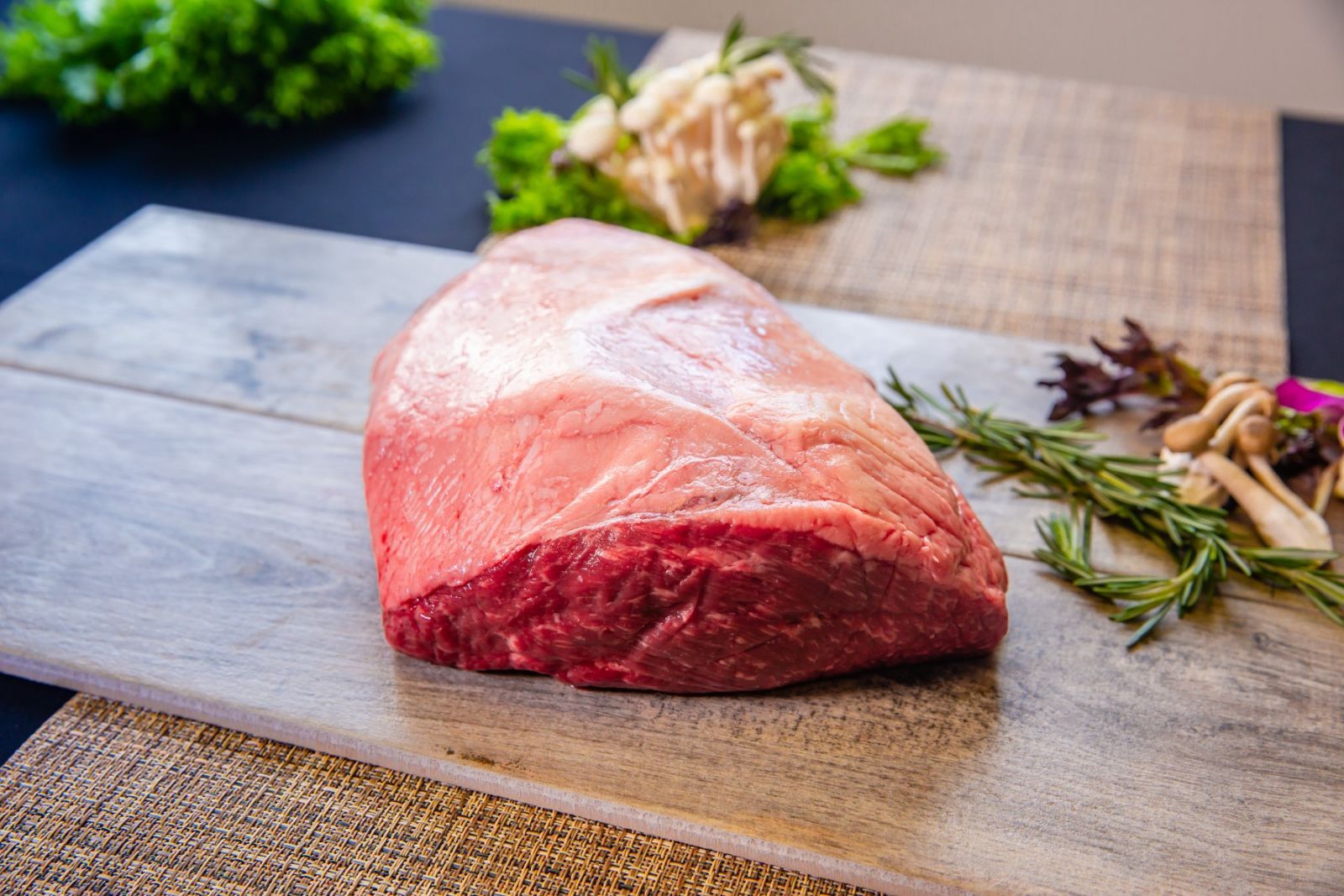
Picanha is the top sirloin cap, also called rump cap or coulotte in the U.S. It comes from the biceps femoris muscle near the rear of the cow. Many butchers confuse it with tri-tip, but picanha has one defining feature: a thick, continuous fat cap on one side. When shopping, ask specifically for “top sirloin cap with the fat cap intact.” Most American butchers trim this fat off by default, so speak up.
Look for Quality Markers
Aim for a roast weighing 2 to 4 pounds with a fat cap ¾ to 1 inch thick. USDA Prime or American Wagyu grades offer superior marbling and tenderness. While once hard to find, picanha is now available at specialty butchers, Brazilian markets, online retailers, and chains like Wild Fork. It’s a cost-effective luxury, often under $15 per pound, compared to skirt or hanger steak that can hit $20 per pound.
Prepare the Roast for the Grill
Score the Fat Cap Properly
Never remove the fat cap. Instead, score it deeply in a crosshatch pattern using a sharp knife. Make cuts about ¼ inch deep and ½ inch apart, slicing only through the fat, not into the meat. This helps the fat render evenly, prevents curling, and allows seasoning to penetrate. Scoring also makes it easier to fold the meat into a “C” shape for skewering later.
Season Simply and Early
Coarse kosher salt is your primary seasoning. Some cooks add coarse black pepper, but skip fresh garlic and herbs before grilling since they burn easily. Apply salt generously 40 to 60 minutes before cooking. This resting period lets the salt dissolve and reabsorb into the meat, acting as a natural brine. Pat the surface dry right before grilling for a better sear.
Bring to Room Temperature
Let the seasoned roast sit at room temperature for 30 to 60 minutes. Cold meat cooks unevenly, leaving you with an overcooked outside and raw center.
Set Up a Two-Zone Fire
Choose Your Fuel
Charcoal or wood delivers the authentic smoky flavor picanha deserves. Royal Oak lump charcoal burns hot and clean, while red oak chunks add smoke depth. In traditional Argentine asado, cooks burn wood down to white-hot embers before cooking. Gas and pellet grills work too, but aim to mimic that live-fire intensity.
Create Hot and Cool Zones
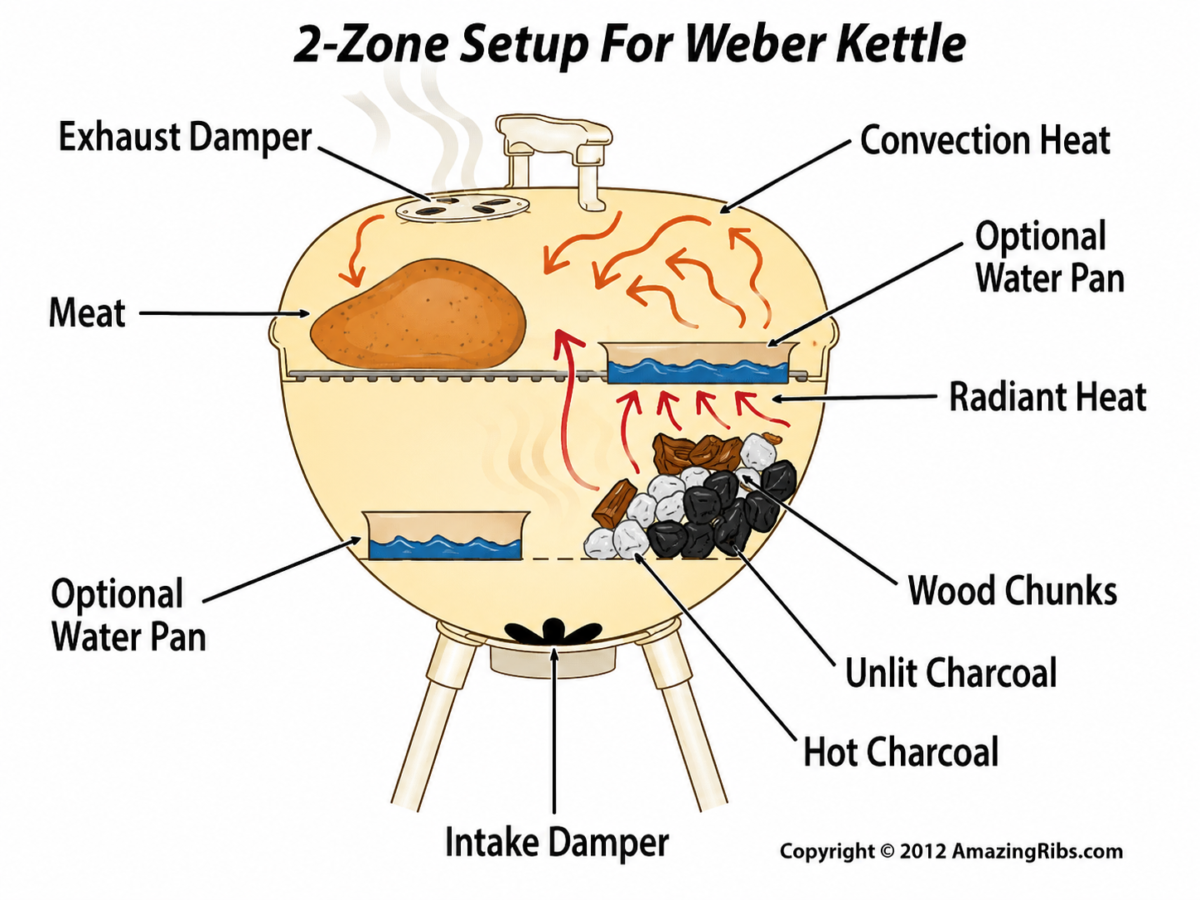
Set up a two-zone fire: one side blazing hot for searing (400 to 500°F) and the other cooler for indirect roasting (250 to 300°F). On a charcoal grill, pile coals on one side. For gas, light all burners for preheating, then shut off one side. Use the hand test to gauge temperature. Hold your palm 5 inches above the grate. If you can hold it for 7 to 9 seconds, you’re at searing heat. Ten to 12 seconds means medium-low.
Grill the Whole Roast (Traditional Method)
Sear All Sides
Place the roast fat-side down over high heat to start rendering the cap. Watch for flare-ups. Alternatively, sear meat-side down first for 3 to 5 minutes to build a crust. Flip and sear the other side until browned.
Roast Indirectly
Move the roast to the cooler side of the grill. Close the lid and cook for 20 to 40 minutes depending on size. A 3-pound cut needs about 30 minutes.
Hit the Right Internal Temperature
Pull the roast at 125 to 130°F for medium-rare. The temperature will rise 2 to 5°F during resting. Use a digital thermometer in the thickest part of the meat.
Crisp the Fat (Optional)
If the fat cap isn’t golden and crisp, return the roast to the hot zone for 1 to 2 minutes fat-side down just before finishing.
Rest Before Slicing
Let the roast rest for 10 minutes under loose foil. Cutting too soon spills the juices onto your cutting board instead of into your mouth.
Skewer for Churrasco Style

Slice With the Grain
Cut the roast into 1 to 1.5-inch-thick steaks, cutting with the grain. This seems backward, but it ensures the final bite is tender when you slice across the grain after cooking.
Fold Into a “C” Shape
Bend each steak into a “C” with the fat cap on the outside. The scored fat flexes without cracking.
Thread onto Metal Skewers
Skewer 2 to 3 folded steaks onto heavy-duty metal skewers, leaving ½ inch between pieces. Wooden skewers will burn and can’t support the weight.
Grill Over High Heat
Place skewers over 500°F heat. Sear for 5 to 7 minutes total, rotating frequently. For thicker cuts, sear first, then move to indirect heat with the lid closed.
Pull at 125 to 130°F
Check the largest steak with a thermometer. Rest 10 minutes before removing from skewers and slicing against the grain into ¼-inch strips.
Reverse-Sear for Precision

Cook Low and Slow
Place the whole seasoned picanha over indirect heat at 250 to 275°F. Cook until the internal temperature reaches 115 to 120°F.
Rest and Slice
Rest for 10 minutes, then slice into 1 to 2-inch steaks against the grain.
Sear to Finish
Return the steaks to high heat. Sear 1 to 2 minutes per side until you get a deep golden-brown crust.
Check Final Temperature
Pull at 130°F for medium-rare. Rest 5 minutes before serving.
Know Your Doneness
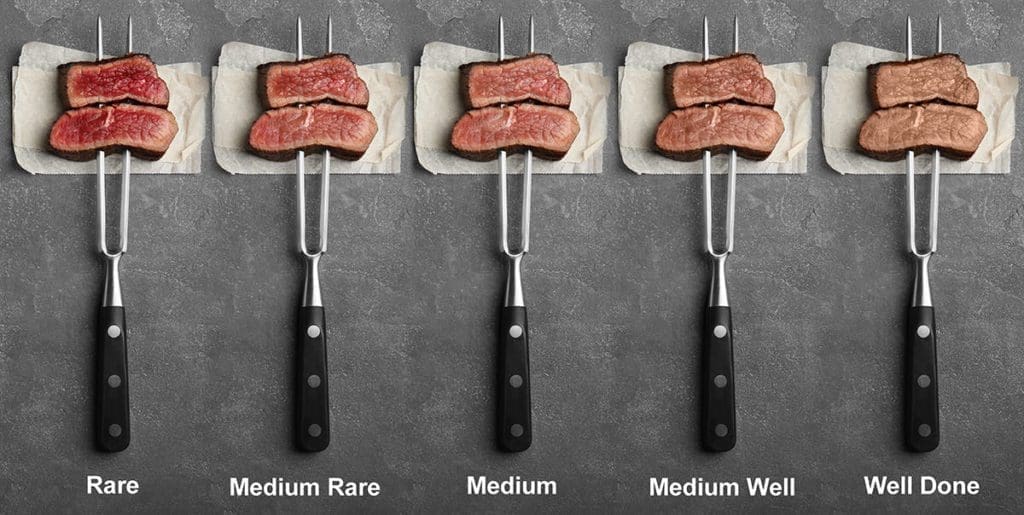
Use a Thermometer Every Time
Guessing leads to dry meat. A digital instant-read thermometer takes the guesswork out.
| Doneness | Pull Temp | Final Temp | Notes |
|---|---|---|---|
| Rare | 120°F | 125°F | Fat may stay chewy |
| Medium-Rare | 125–130°F | 130–135°F | Ideal balance |
| Medium | 135–140°F | 140–145°F | Fat renders fully |
| Medium-Well | 145°F | 150°F | Risk of dryness |
| Well-Done | 155°F | 160°F | Not recommended |
Render the Fat Fully
Cooking below 130°F final temperature may leave the fat cap under-rendered and chewy. Many experts recommend at least 135°F to ensure the cap melts into crisp, buttery goodness.
Slice and Serve Like a Pro
Always Cut Against the Grain
The grain runs lengthwise along the roast. Slice perpendicular to those fibers to shorten them and maximize tenderness. For the skewer method, the initial “with the grain” cut reverses when you slice the cooked steak.
Keep Slices Thin
Aim for ¼-inch-thick slices, similar to brisket. Thick cuts feel chewy even when cooked perfectly.
Serve Immediately
Picanha tastes best hot off the grill. The fat cap loses its crispness as it cools.
Pair With Classic Sides
Drizzle With Chimichurri
The bright, herbaceous kick of chimichurri (parsley, garlic, vinegar, oil) cuts through the richness. It’s the gold-standard pairing.
Add Horseradish or Garlic Butter
For extra zing, serve with horseradish sauce. If you used the butter-basted method, spoon the leftover garlic butter on top.
Keep Sides Simple
Let the beef shine. Try these pairings:
– Grilled bell peppers and onions
– Crusty bread or pão de queijo (cheese bread)
– Fresh green salad
– Polenta or grilled provolone
– Gratin potatoes for cooler months
Fix Common Grilling Problems
Stop Flare-Ups Fast
Fat dripping causes flames. Use grills with V-shaped grates to channel grease away. On Santa Maria grills, raise the grate height. Always keep a cool zone to move meat if flames erupt. Never let the meat char. Bitterness ruins flavor.
Avoid Chewy or Dry Meat
- Chewy texture: You sliced with the grain or undercooked. Aim for 130°F+ and cut across the grain.
- Dry meat: Overcooked or fat cap removed. Don’t exceed 145°F, and never trim the fat early.
- Tough fat: Poor scoring or not enough heat. Score ¼ inch deep and cook long enough for full rendering.
Use the Right Tools
- Metal skewers only. Wood burns.
- Digital thermometer with a probe for accuracy.
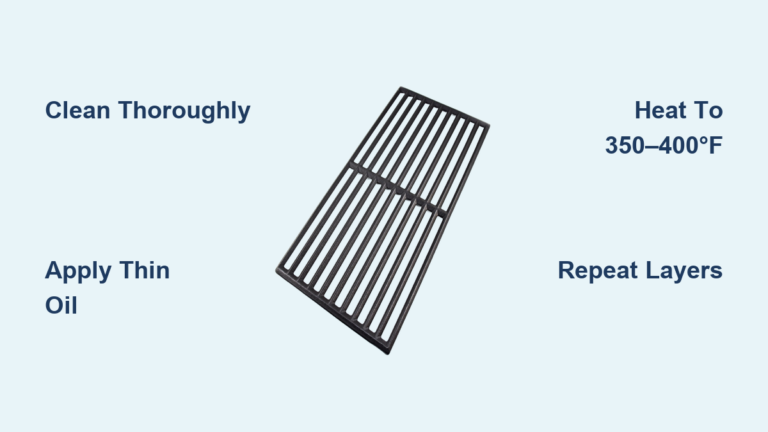
- Clean grates. Grease buildup causes flare-ups and uneven cooking.
Pro Tips for the Best Results
Buy USDA Prime or Wagyu When Possible
Higher marbling means juicier, more flavorful results. Worth the splurge for special occasions.
Never Skip the Rest
Ten minutes minimum. Resting redistributes juices throughout the meat. Cut too soon and they spill out.
Master the Fire, Not the Marinade
Picanha doesn’t need fancy sauces. Great flavor comes from fire, fat, and salt. Keep it simple.
Try Different Grill Types
- Argentine grill: Best control with adjustable grate height
- Drum smoker: Consistent low temperatures
- Kettle grill: Bank coals to one side
- Gas grill: Preheat all burners, then turn off one side
Frequently Asked Questions About Grilling Picanha
What is picanha and where does it come from?
Picanha is the top sirloin cap, also called rump cap or coulotte. It comes from the biceps femoris muscle near the rear of the cow and features a thick fat cap that bastes the meat during cooking.
Should I remove the fat cap before grilling?
No. Never remove the fat cap. It renders during cooking, basting the meat and creating a crisp, flavorful crust. Score it in a crosshatch pattern instead of trimming it off.
What is the best internal temperature for medium-rare picanha?
Pull the roast at 125 to 130°F. The temperature will rise 2 to 5°F during resting, landing at 130 to 135°F for perfect medium-rare.
Can I grill picanha on a gas grill?
Yes. Preheat all burners to high, then turn off one side to create an indirect heat zone. Sear over the hot side, then move to the cooler side to finish cooking.
How do I prevent flare-ups when grilling picanha?
Use a two-zone fire setup so you can move meat to a cooler area when flames erupt. V-shaped grates help channel grease away from the fire. Keep your grates clean before cooking.
How long should I let picanha rest before slicing?
Rest for at least 10 minutes under loose foil. This allows juices to redistribute throughout the meat. Cutting too soon causes those juices to spill out onto your cutting board.
Key Takeaways for Grilling Picanha Like a Pro
Grilling picanha is about technique, not complexity. Keep the fat cap intact, score it properly, season with salt, and cook to precise temperatures. Whether you choose the whole roast, skewer, or reverse-sear method, the result is the same: rich, beefy, juicy steak with a crisp golden crust.
Start by sourcing a quality 2 to 4-pound roast with a thick fat cap. Set up your two-zone fire, season simply with kosher salt, and pull the meat at 125 to 130°F for medium-rare. Rest for 10 minutes, then slice thin against the grain. Fire up your grill this weekend and taste what proper technique delivers.