
How to Grill Halibut: Quick Steps
Grilling halibut is one of the easiest ways to enjoy a restaurant-quality seafood meal at home when done right. Known as the “steak of seafood,” halibut has a firm, meaty texture that holds up beautifully on the grill, resisting flaking and sticking better than most delicate fish. Its mild, slightly sweet flavor makes it a perfect canvas for bold marinades, herb butters, and zesty glazes. But because halibut is very low in natural oils, it can dry out quickly if overcooked by even a few minutes.
In this guide, you’ll learn how to grill halibut to juicy perfection every time, whether you’re using fillets or steaks, gas or charcoal. We’ll cover essential techniques for preventing sticking, ideal cooking times by thickness, and six foolproof flavor profiles from lemony herb butter to spicy paprika rubs. You’ll also get pro tips on seasoning, flipping, and serving, backed by expert insights and real user feedback.
Prep Halibut for the Grill

Before lighting the grill, set your halibut up for success with smart preparation. Skipping these steps increases the risk of sticking, uneven cooking, or dryness.
Dry It Thoroughly
Moisture is the enemy of a good sear. Pat halibut fillets or steaks completely dry on all sides with paper towels. This step ensures crisp grill marks and prevents the fish from steaming instead of searing. Do this right before seasoning and grilling rather than letting it sit after drying.
Choose Fresh or Fully Thawed Fish
Never grill frozen halibut. It will cook unevenly, with the outside overcooking before the inside warms through. If using frozen, thaw it in the refrigerator overnight. Look for “Wild Alaskan” or “Flash Frozen” labels, which indicate firmer, higher-quality texture.
Oil the Fish and Grates
Brush both sides of the halibut lightly with high-heat oil like avocado or grapeseed oil to prevent sticking and enhance browning. Then prepare the grill: clean the grates, preheat, and use tongs to rub a folded, oil-soaked paper towel over the bars. This creates a non-stick surface better than spraying.
Season Just Before Grilling
Apply seasoning or marinade right before placing the fish on the grill. Salt can draw out moisture if left too long on lean fish. For butter-based sauces, a 5-minute rest helps flavor absorption without compromising texture.
Set the Right Grill Temperature
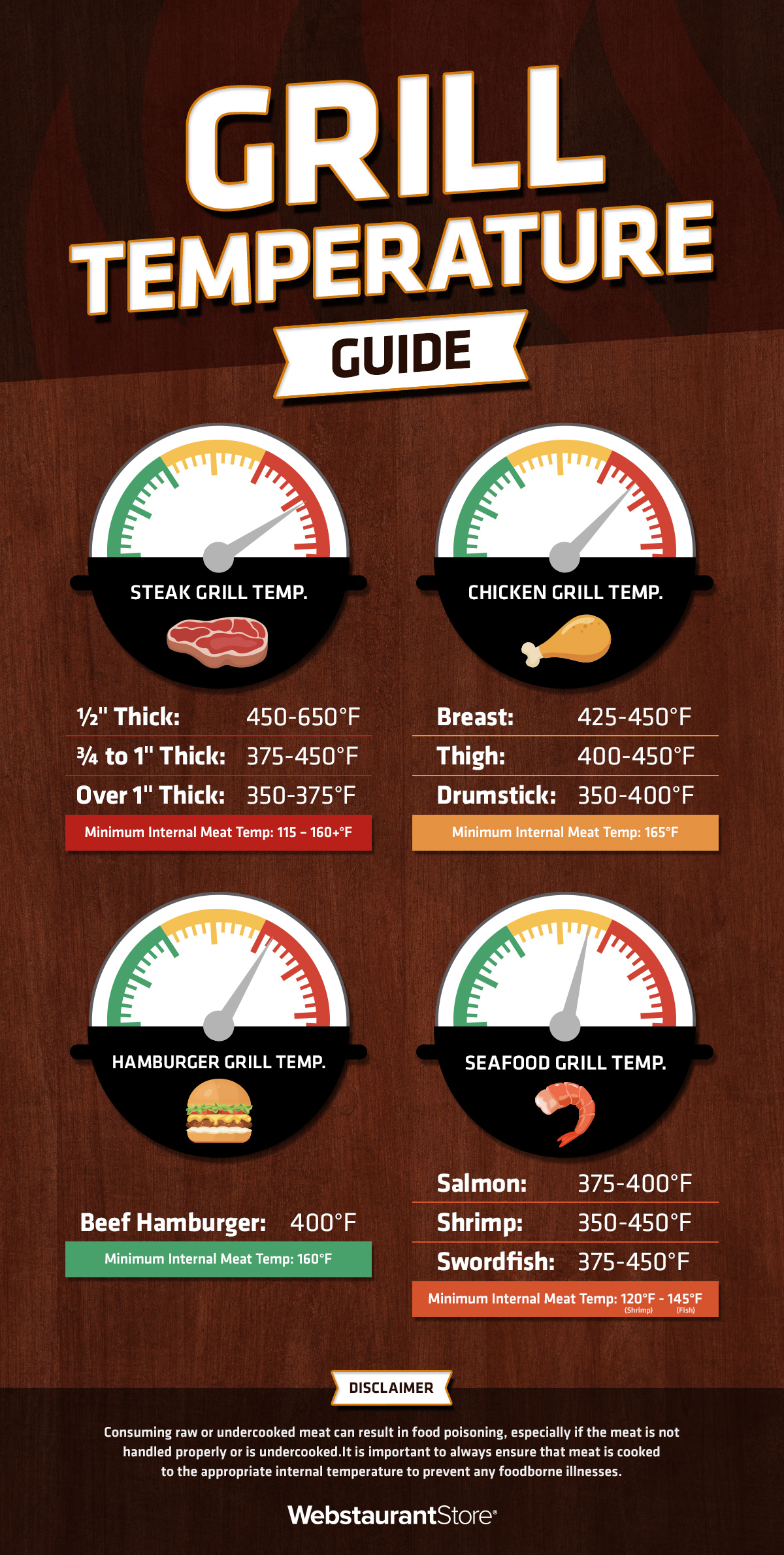
Halibut responds best to controlled heat. Too low and it sticks; too high and it dries out. Three main heat strategies work, so choose based on thickness and desired result.
Use Medium-High Heat (375–400°F)
This is the sweet spot for most halibut fillets (4–6 oz). Preheat the grill, oil the grates, and cook with the lid closed. Sear 5–7 minutes per side, undisturbed, until the internal temperature hits 145°F. This method balances a golden crust with a moist, flaky interior.
Try High Heat (525–575°F) for Fast Sear
For thick steaks or a bold char, crank the heat. Grill over direct high heat for 3–4 minutes per side, flipping once. Watch closely, as this method cooks fast and can dry out the fish if left too long. It is ideal for experienced grillers who want dramatic grill marks.
Apply Two-Stage Heat for Control
Start over medium-high heat for 2 minutes per side to sear. Then reduce to medium and cook 2 more minutes per side. This prevents charring while ensuring even doneness, making it perfect for beginners or thinner fillets.
Prevent Sticking and Flip Safely
Even firm halibut can stick if the grill isn’t hot enough or the fish is moved too soon.
Wait for Natural Release
Place halibut on a hot, oiled grate and do not move it. It will naturally release once a crust forms after 4–6 minutes. If it resists when you try to lift, give it more time. Forcing it will tear the flesh.
Use a Fish Spatula
A thin, wide, slotted fish spatula slides easily under the fillet and supports its full length. Flip only once. Halibut is firm enough to handle direct flipping on the grates without a basket.
Avoid Overcrowding
Leave space between pieces. Crowding lowers grill temperature and causes steaming, leading to soggy texture and sticking.
Master Cooking Time and Doneness
Timing varies by thickness, but doneness is best judged by temperature and texture rather than the clock.
Cook 4 Minutes Per Side (Rule of Thumb)
For average 1-inch fillets, expect about 4 minutes per side on medium-high heat. Thicker steaks may take 5–6 minutes per side. But always verify with a thermometer.
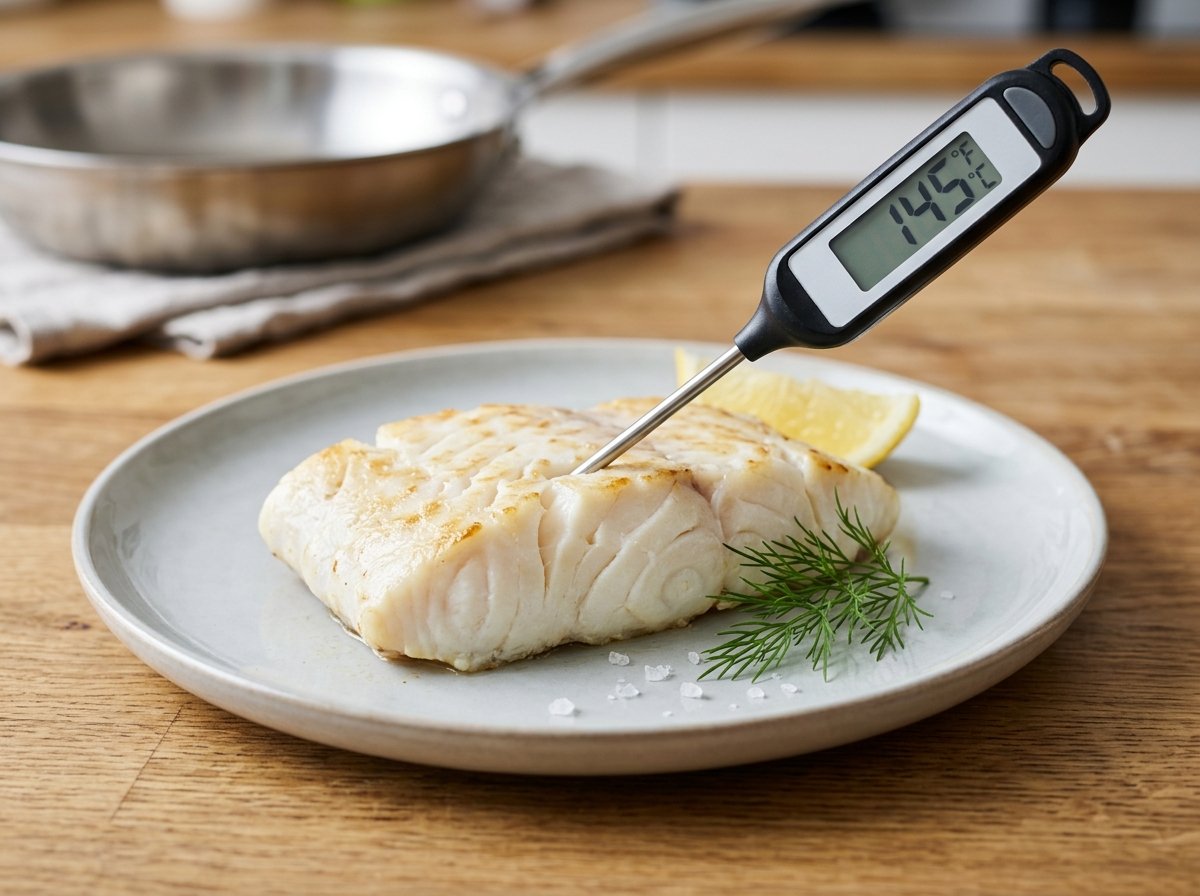
Target 145°F Internal Temperature
Insert an instant-read thermometer into the thickest part. Pull the fish at 145°F, which is the USDA standard. Carry-over cooking will add a few degrees after removal.
Check Visual and Texture Cues
Done halibut turns opaque white throughout and flakes easily with a fork. If it looks dry or resists flaking, it is undercooked. If it is tough and stringy, it is overdone.
Boost Flavor with Proven Marinades and Rubs
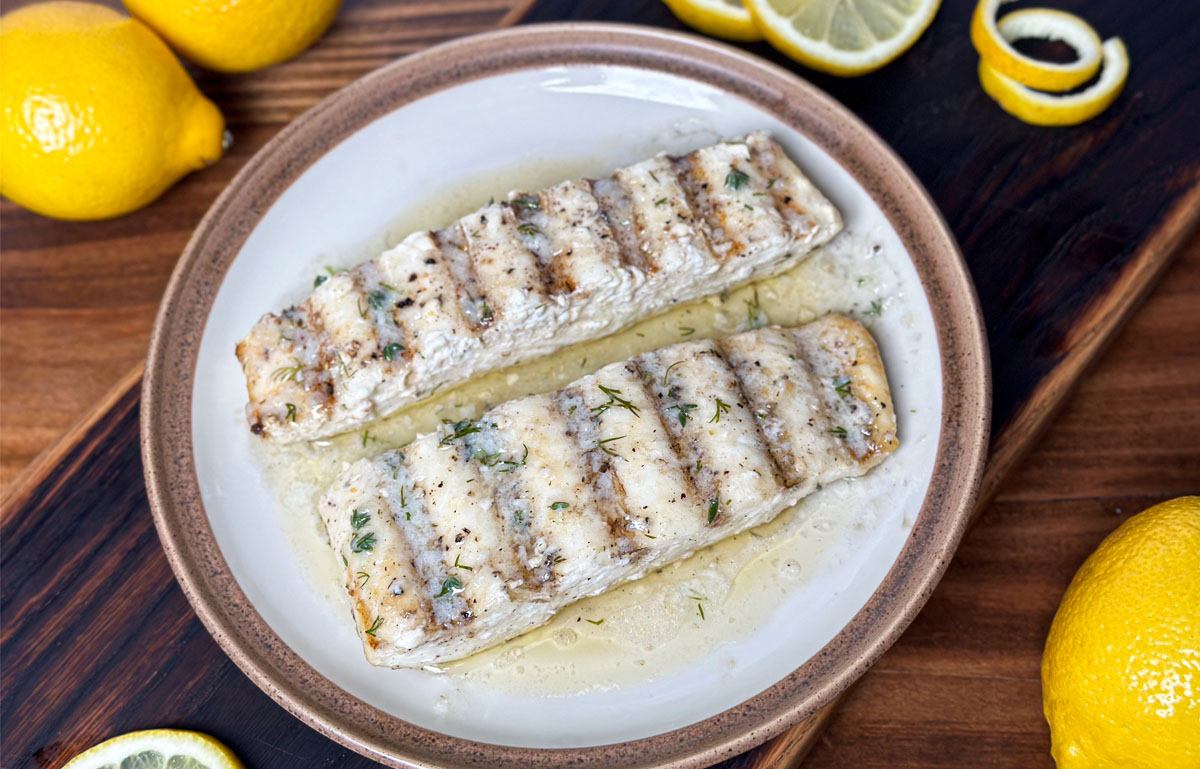
Halibut’s mild taste pairs beautifully with bold flavors. These tested combinations deliver restaurant-quality results.
Lemony Herb Butter (Classic)
Mix ¾ cup softened butter with 1 tbsp lemon juice, 1 ½ tsp onion powder, 1 ½ tsp dried parsley, ¾ tsp dill, ¼ tsp salt, and pepper. Spread over 1-inch steaks. Grill 5–6 minutes per side on medium heat. This rich and satisfying option is best for special occasions.
Garlic Thyme Butter (Fast and Flavorful)
Combine 4 tbsp melted butter, 3 minced garlic cloves, 1 tbsp fresh thyme, lemon juice, salt, and pepper. Toss 4 fillets in the mix. Grill 5–7 minutes per side at 375°F. Serve with lemon wedges for a simple, aromatic dish ready in under 15 minutes.
Lemon-Garlic-Parsley Marinade
Whisk 2 tbsp olive oil, juice and zest of 1 lemon, 3 minced garlic cloves, ¼ cup chopped parsley, ½ tsp salt, and pepper. Spoon over fillets. Grill 4–5 minutes per side on medium-high. This bright and fresh marinade is ideal for summer meals.
Salmoriglio Sauce (Southern Italian)
Let 1 minced garlic clove, 2 tbsp lemon juice, 2 tsp oregano, and red pepper flakes sit for 10–120 minutes. Just before serving, add fresh herbs and slowly whisk in olive oil to emulsify. Grill oiled fillets 2–4 minutes per side. Drizzle sauce on top for a tangy, herb-packed finish that pairs well with grilled vegetables.
Grilled Lemon and Caper Dressing
Grill 4 halved lemons (cut side down) for 4–6 minutes until charred. Squeeze juice from 2 halves into a bowl. Whisk with 3 tbsp olive oil, 1 tbsp capers, salt, and pepper. Season fish with onion flakes, dill, and sea salt. Grill 6–8 minutes total. Spoon dressing over fish and serve with grilled lemons for a briny, smoky, unforgettable dish.
Honey-Garlic Butter Glaze
Mix 2 tbsp melted butter, 1 tbsp honey, 1 grated garlic clove, and lemon zest. Spoon over seasoned fillets. Let sit 5 minutes. Grill on medium-high: cook 6 minutes undisturbed, flip, cook 5 more. The honey creates a caramelized crust, so avoid moving it early.
Warm Spice Rub (Paprika and Cumin)
Make a paste with 2 tbsp olive oil, 2 minced garlic cloves, lemon zest, ½ tsp smoked paprika, ½ tsp cumin, salt, and pepper. Coat fillets. Grill 2 minutes per side on high, then 2 more on medium. Earthy and bold, this rub is great with black bean salad or grilled corn.
Avoid Common Grilling Mistakes
Even seasoned cooks make these errors. Know them to avoid dry, stuck, or ruined fish.
Don’t Overcook by Minutes
Halibut goes from moist to dry in under 3 minutes past 145°F. Use a thermometer and remove it just as it hits temp.
Don’t Skip the Oil
Un-oiled fish sticks. Oil both the fish and the grill. The paper towel method is more effective than spray.
Don’t Move It Too Soon
Wait for the crust to form. If it sticks, it is not ready to flip. Patience prevents tearing.
Don’t Use Cold Fish
Cold fillets from the fridge cook unevenly. Let them sit at room temperature for 10–15 minutes before grilling, but no longer, to avoid bacterial growth.
Serve with Smart Pairings
Halibut’s versatility shines when paired with complementary sides and garnishes.
Best Side Dishes
• Grilled or roasted vegetables (asparagus, zucchini, bell peppers)
• Grain bowls with quinoa, brown rice, or farro
• Fresh salads (arugula with lemon vinaigrette, cucumber-tomato)
• Roasted potatoes or sweet potato fries
• Avocado slices or guacamole
Essential Garnishes
• Lemon wedges for brightness
• Fresh herbs (parsley, dill, chives)
• Extra sauce or dressing
• Grilled bread to soak up juices
Wine and Drink Pairings
• White wines: Sauvignon Blanc, Pinot Gris, Chardonnay (unoaked)
• Cocktails: Gin and tonic, citrus spritzers
• Non-alcoholic: Sparkling water with lemon, iced green tea
Store and Reheat Leftovers Right
Leftover grilled halibut can still be delicious if handled properly.
Refrigerate Within 2 Hours
Store in an airtight container for up to 3 days. Keep it whole or in large pieces to prevent drying.
Freeze for Later
Wrap tightly and freeze for up to 3 months. Thaw in the fridge before reheating.
Reheat Gently
Use 50% microwave power and cover with a damp paper towel. Heat just until warm, since high heat will make it rubbery. Alternatively, reheat in a skillet over low heat with a splash of broth or lemon juice.
Troubleshoot Grilling Problems
:max_bytes(150000):strip_icc()/__opt__aboutcom__coeus__resources__content_migration__serious_eats__seriouseats.com__recipes__20120626-212333-how-to-grill-fish-on-grill-e8d165ab4b724916a59a7e7a30af03de.jpg)
Even with care, issues can arise. Here’s how to fix them.
Fish Sticks to the Grill
Cause: Grates weren’t hot or oily enough, or fish was moved too early.
Fix: Clean and oil grates properly. Wait for natural release. Use a fish spatula.
Halibut Turns Out Dry
Cause: Overcooking past 145°F.
Fix: Use a thermometer. Remove at 143–145°F. The fish will finish cooking off the grill.
Fillet Breaks When Flipping
Cause: Too thin, under-seared, or flipped with a narrow spatula.
Fix: Ensure grill is hot. Use a wide spatula. Let it sear fully before flipping.
Frequently Asked Questions About How to Grill Halibut
What temperature should halibut be grilled at?
Medium-high heat (375–400°F) works best for most halibut fillets. For thick steaks wanting a bold char, high heat (525–575°F) is effective. Always aim for an internal temperature of 145°F.
How long do you grill halibut per side?
Plan for about 4 minutes per side for average 1-inch fillets on medium-high heat. Thicker steaks may need 5–6 minutes per side. Always verify with a thermometer.
How do you keep halibut from sticking to the grill?
Pat the fish dry, oil both the fillets and the grates, and avoid moving the fish until it releases naturally. A hot, well-oiled grate is essential for a clean flip.
Should halibut be grilled with the skin on or off?
Halibut is usually sold skinless. If skin is present, start skin-side up so the flesh side sears first. Most recipes work best with skinless fillets.
Can you grill frozen halibut?
No. Frozen halibut cooks unevenly, with the outside overcooking before the inside warms through. Always thaw in the refrigerator overnight before grilling.
What’s the best way to tell when halibut is done?
Use an instant-read thermometer and pull the fish at 145°F. Visual cues include opaque white flesh that flakes easily with a fork while remaining moist.
Final Tips for Grilling Halibut Every Time
- Use a meat thermometer since it is the only reliable way to avoid dryness.
- Grill fillets skinless side down first; they are usually sold skinless, but if skin is present, start skin-side up.
- Try cedar planks for extra flavor as an optional step that adds smokiness and prevents sticking.
- Pair with grilled fruit like peaches, pineapple, or citrus, which add sweetness that complements halibut’s mildness.
- Let it rest 2–3 minutes after grilling so juices redistribute.
Grilling halibut doesn’t have to be intimidating. With the right prep, heat, and timing, you’ll get a firm, flaky, flavorful result every time. Whether you’re serving it with a buttery glaze or a spicy rub, this “steak of the sea” deserves a regular spot on your summer menu. Fire up the grill and enjoy.