How Does a Traeger Grill Work
You’ve seen them on back patios, in backyard cook-offs, and maybe even on your favorite food show. The Traeger grill promises restaurant-quality results with the push of a button, including wood-fired flavor, perfect smoke rings, and juicy, tender meat every time. But how does a Traeger grill work? At first glance, it looks like a high-tech smoker, but inside, it’s more like a smart oven powered by wood. Unlike traditional grills that rely on gas or charcoal, a Traeger uses 100% hardwood pellets, automated systems, and precision temperature control to deliver consistent, hands-off cooking.
In this guide, you’ll learn exactly how the system turns wood pellets into heat and smoke, maintains exact temperatures for hours, and replaces multiple kitchen appliances, all while using less electricity than a light bulb. Whether you’re new to pellet grilling or looking to master your Traeger, this breakdown reveals the science and engineering behind the world’s best-selling wood-fired grill.
Core Components of the System

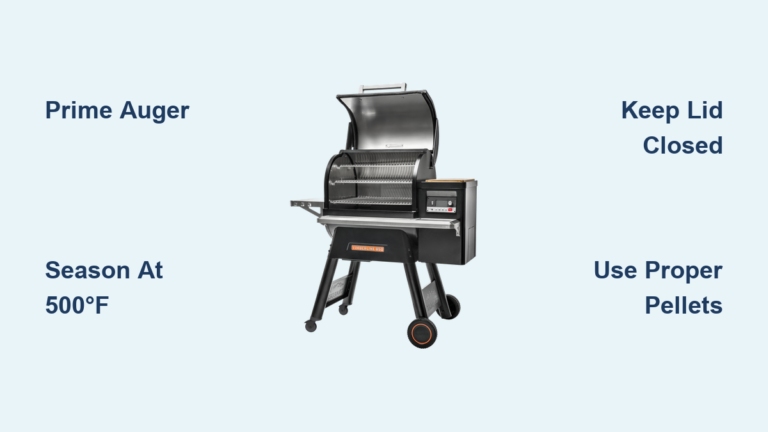
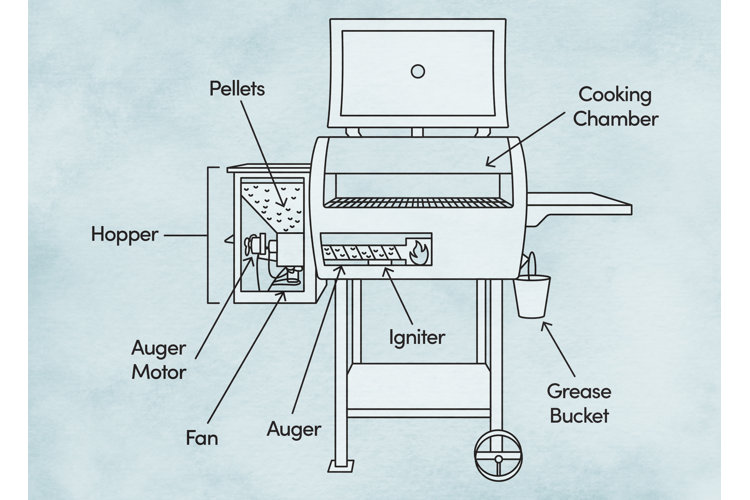
A Traeger grill is an integrated cooking system made up of precision mechanical and electronic components working in harmony. Each part plays a critical role in turning wood pellets into perfectly cooked meals. The key components include the hopper, auger, fire pot, HotRod igniter, RTD temperature probe, convection fan, and digital controller. Together, they automate the entire cooking process, from ignition to shutdown. Understanding how each piece functions helps explain why Traeger grills are so consistent and easy to use compared to traditional smokers or charcoal grills.
Wood Pellet Hopper and Fuel Delivery
The cooking process begins in the side-mounted hopper, which stores 100% all-natural hardwood pellets. These small, compressed cylinders are made from pure sawdust with no fillers or additives, ensuring clean, consistent combustion. The hopper acts as the fuel tank, typically holding enough pellets for up to 20 hours of continuous cooking, depending on the model and temperature setting. At the bottom of the hopper, a motorized auger rotates to push pellets toward the fire pot. The speed and duration of auger rotation are directly controlled by the digital thermostat, making it the primary method of temperature regulation.
Auger and Temperature Regulation
The auger is the heart of Traeger’s temperature control system. As the user sets a target temperature on the controller, say, 225°F for smoking brisket, the system calculates how many pellets per minute are needed to maintain that heat. If the internal temperature drops, the controller signals the auger to turn more frequently, delivering additional fuel to the fire. When the desired temperature is reached, the auger slows or pauses, reducing pellet flow and preventing overheating. This dynamic feed system allows for precise heat management across a wide range, from 165°F for delicate smoking to 500°F for searing steaks. Because pellet delivery is automated, there’s no need to manually adjust vents or add fuel mid-cook.
Ignition via the HotRod System
When you turn on a Traeger, the ignition process starts automatically. The electric HotRod, a glowing heating element located beneath the fire pot, activates and heats to red-hot temperatures within seconds. At the same time, the auger begins feeding pellets into the fire pot, where they make contact with the HotRod. After about 4 minutes, the pellets ignite, creating a stable flame. Once combustion is self-sustaining, the HotRod shuts off, and the fire continues burning on its own. This eliminates the need for lighter fluid, matches, or propane torches, making startup clean, consistent, and safe. The entire ignition phase uses about 300 watts of power, drawing from a standard household outlet.
Temperature Control and Automation

One of the biggest advantages of a Traeger grill is its ability to maintain a set temperature for hours without intervention. This “set-it-and-forget-it” functionality sets it apart from traditional smokers, which require constant monitoring and manual adjustments. Behind this convenience is a closed-loop feedback system that continuously monitors and adjusts the cooking environment.
Digital Controller as the Brain
The digital controller is the command center of every Traeger grill. Modern models feature either a basic dial or a WiFIRE-enabled touchscreen interface, allowing users to select temperatures in 5-degree increments across the full cooking range. Once a temperature is set, the controller takes over, managing the auger, fan, and ignition system without further input. It replaces the guesswork of traditional grilling by functioning like a convection oven. Set the temp, close the lid, and let the machine do the rest.
Real-Time Monitoring with RTD Probe
Inside the cooking chamber, a Resistance Temperature Detector (RTD) probe constantly measures the air temperature. Unlike basic thermocouples found on cheaper grills, RTD sensors offer laboratory-grade accuracy, typically within ±5°F. This real-time data is sent to the controller, which compares it to the user’s target setting. If the temperature falls below the set point, the system increases pellet delivery. If it rises too high, the auger slows down. This continuous adjustment creates a stable thermal environment ideal for long cooks like pulled ribs, or brisket.
Feedback Loop for Consistent Heat
The interaction between the RTD probe, digital controller, and auger forms a self-regulating feedback loop. Think of it like a home thermostat. When the room gets too cold, the furnace kicks on; when it’s warm enough, the system turns off. On a Traeger, this cycle happens automatically and repeatedly throughout the cook, ensuring minimal temperature fluctuation. This level of precision allows for even cooking across multiple racks of food and makes it possible to bake desserts like apple pie or pizza, tasks impossible on most traditional smokers.
Airflow and Convection Cooking
While fuel and temperature control are essential, airflow is what transforms a Traeger from a simple firebox into a full-functioning wood-fired convection oven. Proper oxygen supply and heat distribution are critical for consistent results, and the fan system plays a dual role in both combustion and cooking performance.
Role of the Convection Fan
From the moment the grill is powered on, a convection fan runs continuously. Its first job is to blow air directly into the fire pot, supplying oxygen to sustain combustion. Without this airflow, the fire would smolder or go out. But the fan does more than feed the flame. It circulates hot air and smoke evenly throughout the entire cooking chamber. This forced convection mimics the airflow inside a kitchen oven, eliminating hot spots and ensuring that food cooks uniformly, whether it’s on the top rack or the bottom.
Even Heat Distribution Across Grates
Because heat and smoke are actively circulated, temperature differences between the front, back, left, and right sides of the grill are minimal. This allows users to cook multiple items at once, like ribs, vegetables, and baked beans, without rotating pans or adjusting positions. The result is professional-level consistency, even for novice cooks. This evenness also enables baking and roasting applications, such as cookies, casseroles, or whole roasted turkey, which require stable, oven-like conditions.
Drip Tray and Flare-Up Prevention
Positioned between the fire pot and the cooking grates, the drip tray serves a crucial safety and performance function. It catches falling grease and juices, preventing them from dripping directly onto the flames. This design eliminates the sudden flare-ups common with gas and charcoal grills, which can char food or create dangerous flames. Instead, the fat vaporizes gradually, contributing to flavor without risk. The tray also helps shield the fire from wind and weather, improving overall efficiency and stability.
Fuel and Flavor Science
The magic of a Traeger doesn’t just come from automation. It comes from real wood. Unlike gas grills that rely on propane or electric units that use heating elements, Traeger grills use natural hardwood pellets as both fuel and flavor source. This dual-purpose design is what gives food that signature smoky taste, bark formation, and rich aroma.
Hardwood Pellets as Fuel and Flavor
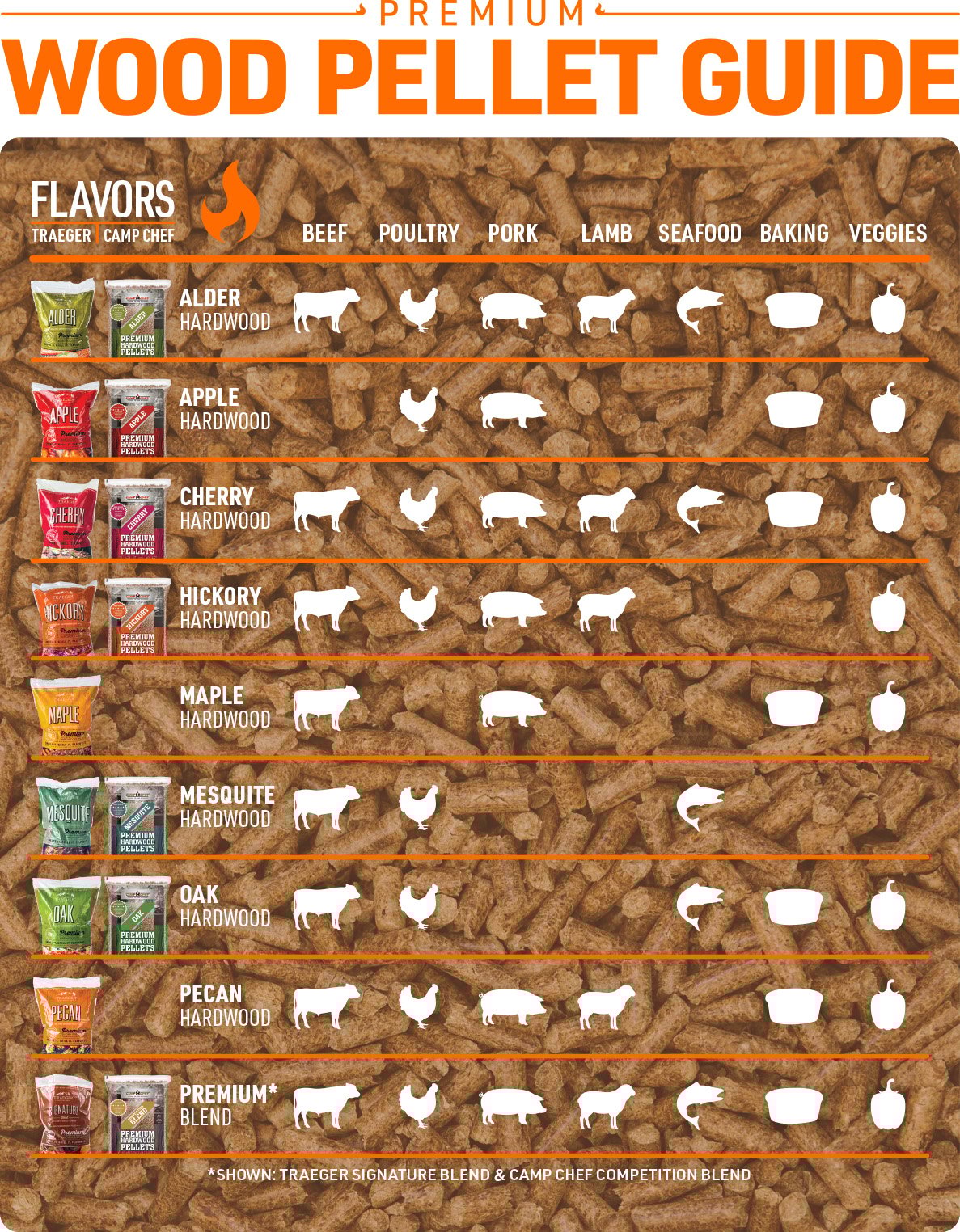
Traeger pellets are made from 100% compressed hardwood sawdust, with no binders, fillers, or artificial ingredients. When burned, they produce clean, consistent heat and authentic wood smoke. The brand offers various wood blends, each calibrated to burn efficiently in their grills. But beyond heat, the type of wood directly influences the flavor profile of the food. The smoke penetrates the surface of meats, poultry, fish, and vegetables, infusing them with nuanced notes that change based on the wood variety.
Wood Type and Cooking Pairings
Choosing the right pellet blend enhances the dish. Here are some popular pairings:
- Cherry and Apple: These fruitwoods deliver a mild, slightly sweet smoke, perfect for poultry, fish, and even desserts.
- Oak, Hickory, and Mesquite: These bold woods produce a strong, savory smoke ideal for beef, game meats, sausages, and hearty vegetables.
Because the smoke is generated continuously during the cook, even short grilling sessions add noticeable wood flavor, something gas grills can’t achieve without supplemental smoke boxes or chips.
Power Requirements and Efficiency
Despite running on wood, a Traeger grill requires electricity to operate. This may surprise some, but the electrical components are minimal and highly efficient. The grill plugs into a standard 110V outlet, making it suitable for patios, garages, or outdoor kitchens.
Startup vs. Sustained Power Use
During the first 4 minutes of operation, when the HotRod igniter is active, the grill draws about 300 watts of power. After ignition, power consumption drops dramatically to around 50 watts, less than a standard incandescent light bulb. This low draw powers only the auger motor, convection fan, and digital controller. The cooking heat itself comes entirely from burning wood, not electricity. This makes Traeger grills energy-efficient and safe for use with standard extension cords or outdoor outlets.
No Power, No Cook
Because the auger, fan, and igniter are electrically powered, the grill cannot function during a power outage. While some users have adapted with portable power stations or generators, the system is designed for reliable grid connection. Always ensure a stable power source before starting a long cook.
Cooking Versatility: 6-in-1 Functionality

One of the biggest selling points of a Traeger grill is its ability to replace multiple appliances. With a single unit, you can grill, smoke, bake, roast, braise, and barbecue, earning its reputation as a true outdoor kitchen centerpiece.
Grilling and Searing at High Heat
While known for low-and-slow smoking, modern Traeger models can reach 500°F, allowing for direct grilling and searing. Burgers, steaks, and vegetables get a flavorful char without flare-ups, thanks to the drip tray and controlled airflow. The convection system ensures even browning, while the wood smoke adds depth that gas grills can’t match.
Low-and-Slow Smoking Made Easy
Set the temperature to 180–250°F, load hickory or oak pellets, and let the grill do the work. The automated system maintains a steady smoke for 12+ hours, producing tender, fall-off-the-bone ribs, brisket with minimal effort. No need to babysit the fire or add wood chunks.
Baking and Roasting Outdoors
Yes, you can bake on a Traeger. The even convection heat allows for baking pizza, cobblers, bread, and casseroles. Roasting whole chickens, turkeys, or prime rib results in juicy interiors and crispy skins, all infused with subtle wood flavor. It’s like having a wood-fired oven in your backyard.
Smart Features: WiFIRE and App Control
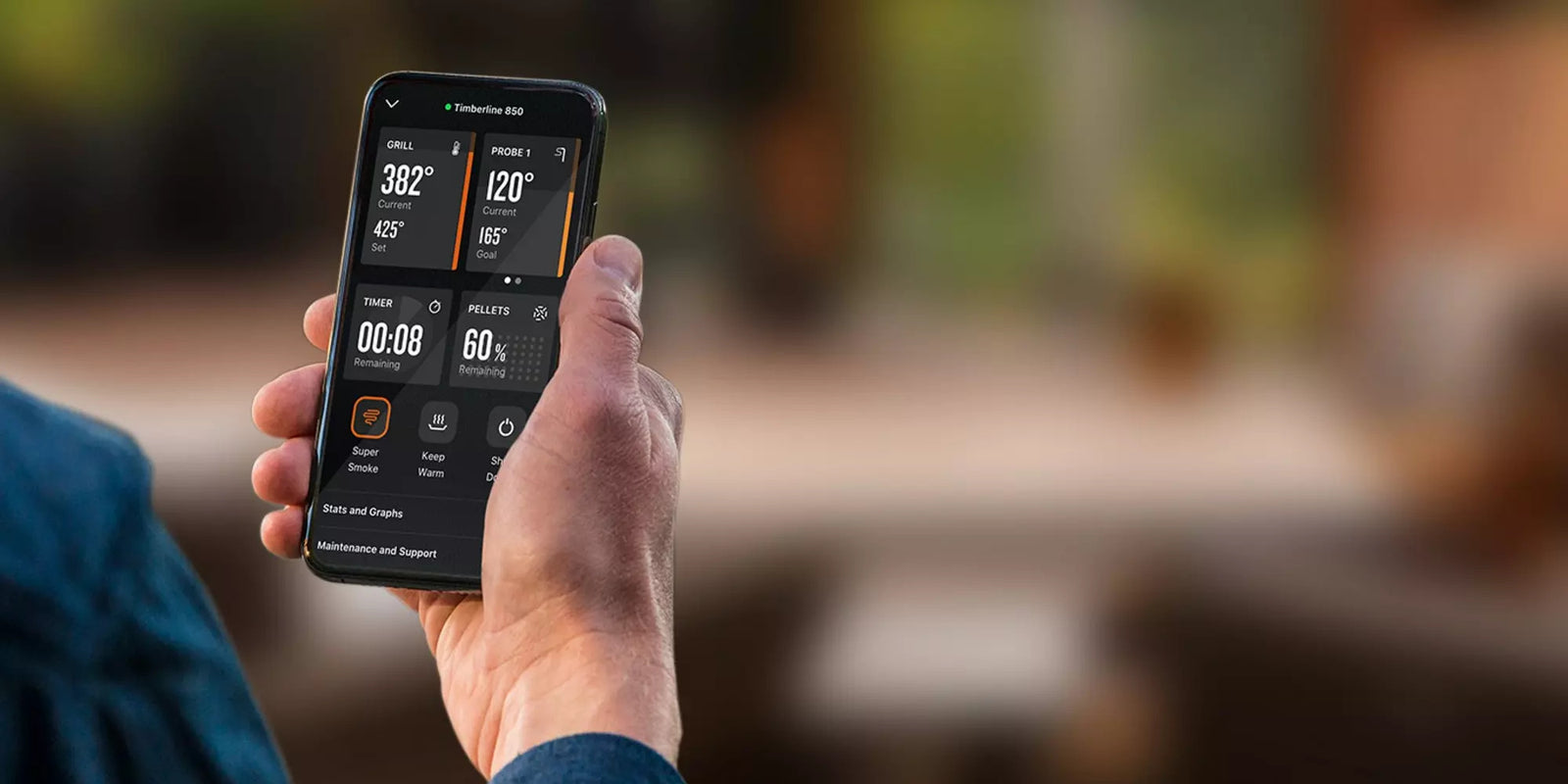
On Pro, Ironwood, and Timberline series models, Traeger integrates smart technology through WiFIRE connectivity. This feature transforms the grill into a Wi-Fi-enabled appliance that you can control from your phone.
Remote Monitoring and Adjustments
Using the Traeger App, you can monitor internal temperature, adjust cooking settings, and receive alerts, all from anywhere with internet access. Start preheating on your way home from work, or check on a brisket while watching a movie inside. The app also includes guided recipes and cook timers, helping beginners achieve pro results.
Integration with Smart Home Devices
WiFIRE-enabled grills can connect to Alexa and Google Assistant for voice control. Say, “Alexa, set my Traeger to 225°F,” and the grill powers up and begins heating. You can also integrate with smart home routines, like turning on outdoor lights when the grill starts.
Weather Resistance and Outdoor Use
Traeger grills are built for year-round outdoor use. They’re designed to withstand rain, snow, and wind, but with limitations.
Rain and Snow Operation
The grill can operate safely in light rain and snow. The electrical components are sealed against moisture, and the body is constructed from powder-coated steel to resist rust. However, water spray at sharp angles (like from sprinklers) can damage the system. Never use the grill under a dripping tree or in a downpour.
Protective Covers and Maintenance
When not in use, always cover your Traeger with a custom-fit, all-weather cover. These heavy-duty covers block UV rays, snow, and debris, extending the life of the unit. Regular cleaning of the hopper, auger, and fire pot also prevents clogs and ensures reliable performance in all seasons.
How It Compares to Gas Grills
Can a Traeger replace your gas grill? Yes, and then some. Any food you can cook on gas, you can cook on a Traeger. But unlike propane, which only provides heat, Traeger grills add real wood flavor and offer far greater versatility. You can smoke, bake, and roast, all in one unit. While gas grills heat up faster, Traeger’s consistency, flavor, and automation make it a superior choice for serious outdoor cooking.
Frequently Asked Questions About Traeger Grills
What kind of pellets does a Traeger grill use?
A Traeger grill uses 100% all-natural hardwood pellets made from compressed sawdust. These pellets contain no fillers, binders, or additives and are specifically calibrated to burn efficiently in Traeger grills for consistent heat and authentic wood-fired flavor.
How long does it take for a Traeger to ignite?
The ignition process takes approximately 4 minutes. During this time, the HotRod heating element glows red hot while the auger feeds pellets into the fire pot. Once the pellets ignite and the fire becomes self-sustaining, the HotRod shuts off automatically.
Can a Traeger grill work in the rain?
Yes, Traeger grills can operate in light rain and snow. The electrical components are sealed against moisture, and the body features powder-coated steel construction. However, avoid using the grill under dripping trees, near sprinklers, or during extreme weather events like tropical storms.
How much electricity does a Traeger grill use?
During the 4-minute startup phase, the grill draws about 300 watts to power the HotRod igniter. After ignition, power consumption drops to approximately 50 watts, which is less than a standard incandescent light bulb. The electricity powers only the auger, fan, and controller, not the cooking heat itself.
Do Traeger grills need electricity to run?
Yes, Traeger grills require a standard 110V electrical outlet to operate the auger motor, convection fan, and HotRod igniter. Without power, the automated fuel delivery and ignition systems cannot function, so the grill will not work during a power outage unless connected to a generator or portable power station.
What temperature range can a Traeger grill reach?
Traeger grills can operate from approximately 165°F for delicate smoking up to 500°F for high-heat searing. This wide range allows users to smoke low and slow, bake, roast, braise, and grill, all within a single unit.
Key Takeaways for Understanding How a Traeger Grill Works
A Traeger grill works by combining natural hardwood pellets with smart automation to deliver precise, consistent, and flavorful cooking. The auger feeds pellets into the fire pot, the HotRod ignites them, and the RTD probe continuously monitors temperature while the controller adjusts fuel delivery. A convection fan circulates heat and smoke evenly, while the drip tray prevents flare-ups. The system uses minimal electricity, drawing only 50 watts during sustained operation, and runs on a standard household outlet. With 6-in-1 versatility and smart connectivity on premium models, a Traeger replaces multiple outdoor cooking appliances while delivering authentic wood-fired flavor that gas grills simply cannot match.