How to Use Wood Chips on a Charcoal Grill
There’s nothing quite like the rich, smoky flavor that wood chips add to food cooked on a charcoal grill. If you’ve ever wondered how to get that deep, aromatic barbecue taste at home, mastering wood chips is the answer. Whether you’re grilling burgers for a weeknight dinner or smoking a beef shoulder for Sunday, the right technique transforms your grill into a flavor powerhouse.
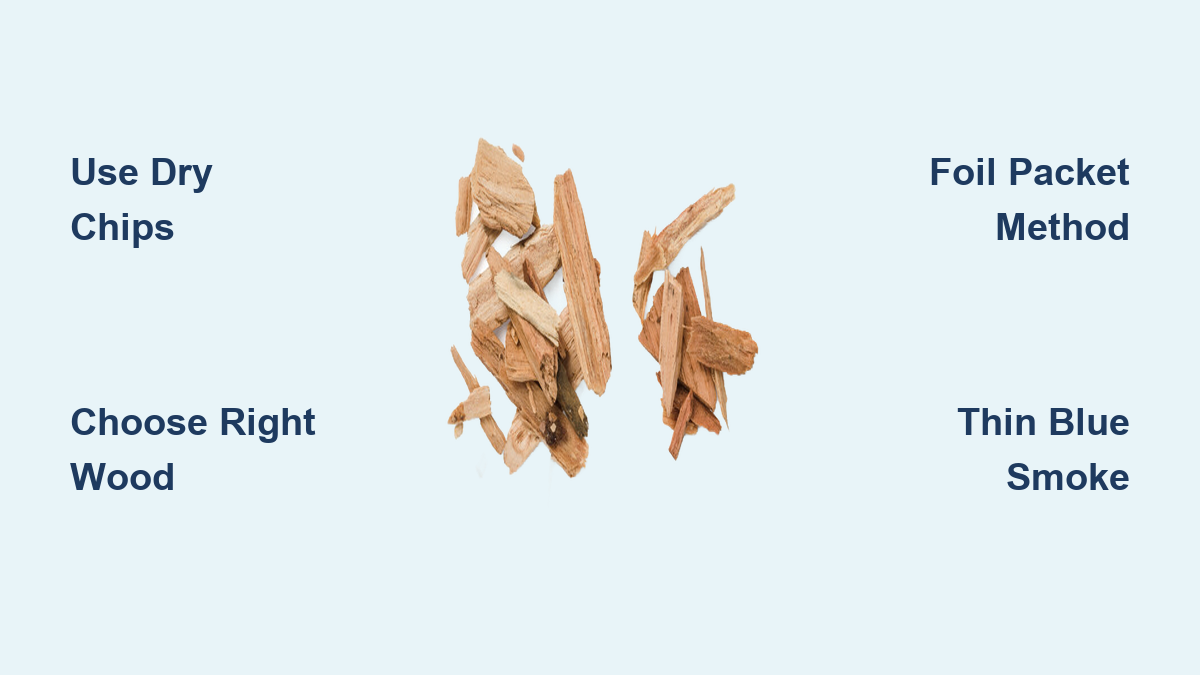
The key is not just throwing a handful of chips on hot coals and hoping for the best. Effective wood chip usage involves choosing the right type of wood, preparing it properly, and integrating it into your grill setup for consistent smoke. Many beginners make the mistake of soaking chips or using softwoods like pine, only to end up with bitter-tasting food or no smoke at all. Dry chips, proper placement, and smart wood selection are what separate backyard cooks from pitmaster-level results.
In this guide, you’ll learn exactly how to use wood chips on a charcoal grill, step by step. From understanding the difference between chips and chunks to selecting the best wood for your protein, setting up indirect heat, and avoiding common mistakes, you’ll gain everything you need to produce clean, flavorful smoke every time.
Choose the Right Wood Type for Your Protein

Selecting the correct wood is the foundation of great smoked flavor. Not all woods are created equal, and pairing the wrong wood with your meat can overpower or ruin it.
Match Wood to Protein
Different meats respond best to specific smoke profiles. Use mild woods for delicate proteins and stronger woods for robust meats:
- Poultry (chicken, turkey): Apple, cherry, or pecan provide subtle sweetness without overwhelming the meat.
- Beef (brisket, steak): Oak or mesquite (in moderation) deliver bold, earthy notes.
- Fish (salmon, trout): Alder or maple give a light, clean smoke that enhances, not masks.
- Sausages: Cherry or maple help retain moisture and add mild fruitiness.
Avoid Softwoods Completely
Never use pine, cedar (except as planks), fir, or spruce for smoking. These softwoods contain high levels of sap and terpenes that produce harsh, resinous smoke, making food taste like turpentine and potentially causing digestive upset.
Stick to Hardwoods Only
Use hardwoods like oak, hickory, maple, apple, cherry, and pecan. They burn cleanly and produce stable, aromatic smoke. For best results, buy from reputable sources or repurpose pet-safe hardwood bedding, which is often cheaper and just as effective.
Use Dry Chips Instead of Soaked
One of the most debated topics in grilling is whether to soak wood chips. The short answer: don’t soak them.
Why Dry Chips Work Better
Soaked chips spend valuable time boiling off water before they can produce real smoke. During this phase, they generate mostly steam, not smoke, which delays flavor development. Worse, excess moisture can cool the grill and hinder bark formation on meats like brisket.
When Moisture Helps
The only time to introduce moisture is when smoking sausages or very lean cuts that risk drying out. In those cases, use a separate water pan under the meat instead of soaking chips. This adds humidity without interfering with smoke quality.
Pre-Dry Store-Bought Chips
If your chips feel damp or have been stored in a humid garage, spread them on a tray and let them air-dry for a few hours. Dry chips ignite faster and produce cleaner smoke from the start.
Pick Chips or Chunks Based on Cook Time
The length of your cook determines whether you should use wood chips or chunks.
Use Chips for Short Cooks
Wood chips burn fast, making them perfect for quick grilling sessions like burgers, steaks, shrimp, or chicken breasts. They ignite quickly and deliver a strong burst of smoke within minutes. For best results, use them in a foil packet to extend burn time.
Use Chunks or Mini-Splits for Long Smokes
For brisket, wood chunks (2 to 4 inches) are ideal. They smolder slowly and maintain steady smoke for hours without constant attention. Mini-splits, which are smaller pieces split from larger chunks, are a great compromise. They last longer than chips but are easier to manage than full chunks.
Set Up Indirect Heat the Right Way
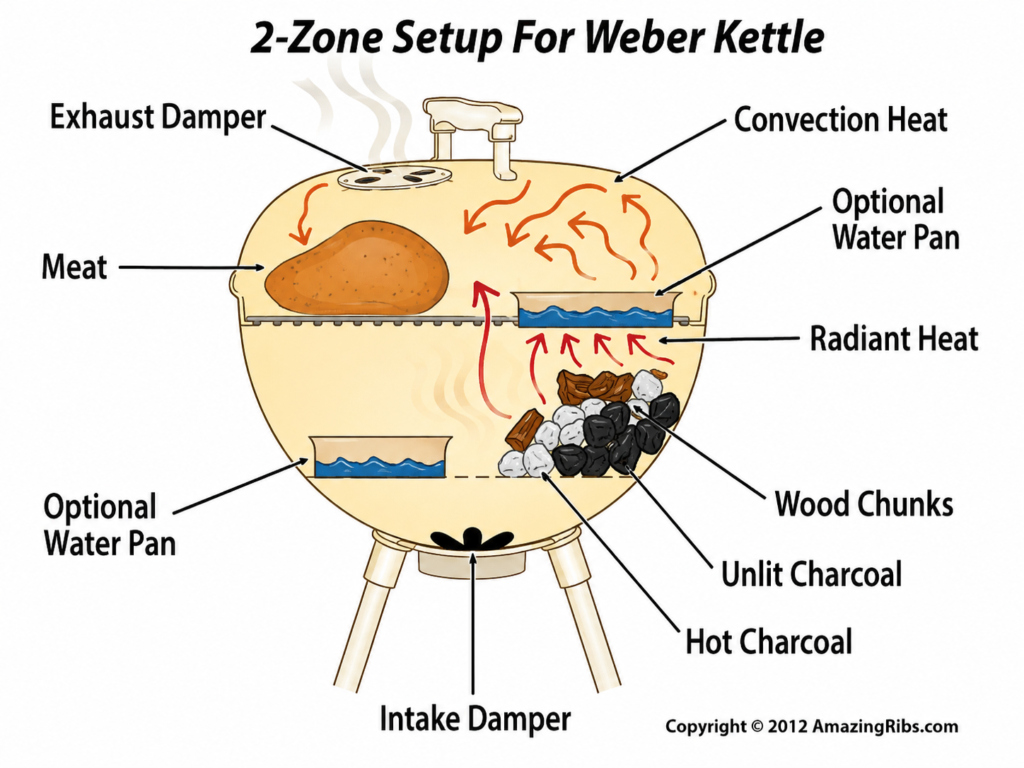
Smoking requires indirect heat to cook food slowly without charring it.
Build a Two-Zone Fire
- Light charcoal in a chimney starter (about 50 to 75 briquettes or equivalent lump).
- Wait until coals are ashed over with a gray coating (about 15 to 20 minutes).
- Pour hot coals to one side of the grill.
- Place a drip pan filled with water on the empty side to add moisture and catch drips.
- Put the cooking grate back and place food over the drip pan on the cool side.
This setup lets heat and smoke circulate around the food while protecting it from direct flame.
Add Wood on the Hot Side
Place your wood chips or chunks directly on or near the hot coals. For chips, use a foil packet or smoker box to ensure immediate contact with heat for fast smoke production.
Master the Foil Packet Method
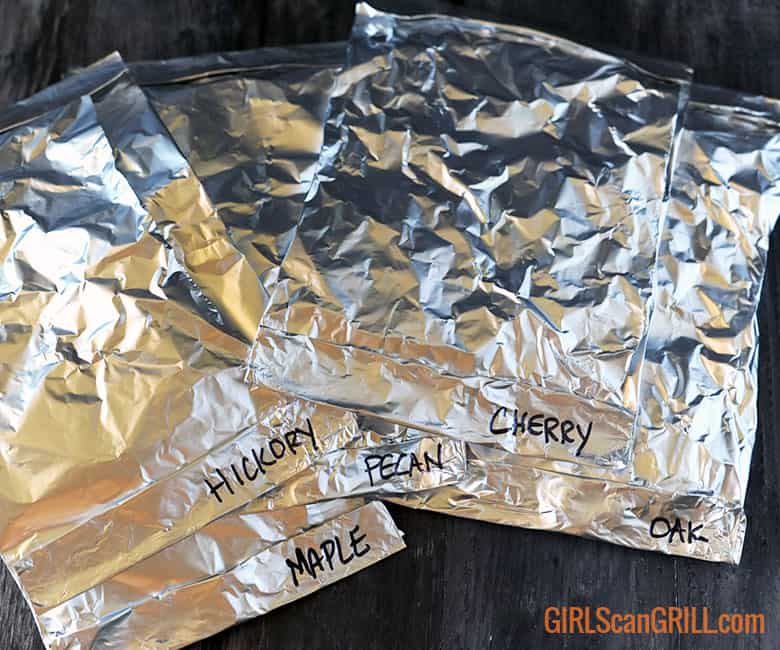
This simple technique prevents chips from burning up too fast.
Make a Smoke Packet
- Lay out a large sheet of heavy-duty aluminum foil (12×12 inches).
- Add a generous handful of dry wood chips in the center.
- Fold the foil over and seal the edges, leaving one corner slightly open or poking 4 to 6 small holes in the top with a fork.
- Place the packet shiny-side up directly on the coals.
How It Works
The foil restricts oxygen, forcing the chips to smolder instead of flame. Holes allow smoke to escape while slowing combustion. You’ll see smoke within 2 to 5 minutes.
Maintain Smoke Output
For cooks over 90 minutes, replace the packet every 30 to 60 minutes as chips turn to ash. Pre-make several packets and keep them nearby for quick swaps.
Apply Wood at the Right Time
Timing matters. Smoke flavor penetrates best early in the cook.
Smoke During the First Hour
Add wood during the first 60 minutes of cooking. After that, the meat’s surface dries and forms a bark that resists further smoke absorption. Continuing to add wood beyond this point can lead to over-smoking, which creates a bitter, acrid taste.
Stop Smoking at 140 to 150°F Internal Temp
For large cuts like brisket shoulder, stop adding wood once the internal temperature reaches around 150°F. Let the rest of the cook finish with charcoal only to prevent flavor overload while allowing the meat to tenderize.
Monitor Smoke Quality Closely

Not all smoke is good smoke. The color tells you everything.
Aim for Thin Blue Smoke
Thin blue smoke is nearly invisible with a slightly bluish tint. This is clean, hot smoke that imparts rich flavor without bitterness. Thick white smoke, on the other hand, means incomplete combustion. This creates creosote, which coats food with a harsh, chemical-like taste.
Fix White Smoke Issues
If you see thick smoke, ensure coals are fully lit and ashed over before adding wood. Increase airflow by opening bottom and top vents slightly. Avoid overcrowding the fire with too many chips at once.
Maintain Temperature and Lid Discipline
Stable heat is essential for even cooking and clean smoke.
Target 225 to 275°F
Use a grill thermometer to monitor air temperature. Adjust vents to control heat: open vents mean more oxygen and a hotter fire, while closed vents mean less oxygen and a cooler fire. Make small adjustments and wait 10 to 15 minutes before checking again.
Keep the Lid Closed
Every time you open the lid, you lose heat and smoke. This extends cook time and disrupts smoke consistency. Only open when necessary, such as when checking meat temp or replacing a foil packet.
Troubleshoot Common Problems
Even experienced grillers run into issues. Here’s how to fix them fast.
No Smoke Flavor?
Chips may have burned too fast or were wet. Switch to dry chips in a foil packet, add wood earlier in the cook, or try wood chunks for longer smoke.
Bitter or Harsh Taste?
Thick white smoke, over-smoking, or softwood use is likely the cause. Ensure thin blue smoke, stop adding wood after 1 to 2 hours, and never use pine or spruce.
Temperature Swings?
Adding cold wood, opening the lid too often, or poor vent control causes fluctuations. Pre-warm foil packets near the grill, minimize lid openings, and use the snake method for ultra-stable burns.
Upgrade with Pro Techniques
Once you’ve mastered the basics, try these advanced methods for better results.
Mix Wood Flavors
Combine a base wood with a flavor wood for complexity:
- Oak + Apple: Balanced burn and sweet smoke, great for ribs.
- Pecan + Maple: Nutty and mild, ideal for turkey.
Start with a 2:1 ratio (base to flavor) and adjust to taste.
Try the Snake Method
For 8 to 12 hour smokes, line unlit briquettes in a U-shape around the grill perimeter. Place a drip pan in the center and light one end of the snake with a starter cube. Lay wood chips or mini-splits on top of the unlit coals. As the fire burns slowly around the ring, it ignites the wood progressively, providing steady heat and smoke with minimal intervention.
Use a Smoker Box
A metal smoker box with perforated holes can replace foil packets. It’s durable, reusable, and fits neatly on the coals. Fill with dry chips and place directly over heat.
Frequently Asked Questions About Using Wood Chips on a Charcoal Grill
Should I soak wood chips before putting them on a charcoal grill?
No. Soaked chips spend time boiling off water before producing real smoke, generating mostly steam that can cool the grill and prevent proper bark formation. Dry chips ignite faster and produce cleaner smoke. Use a water pan instead if you need added humidity for lean cuts or sausages.
How long do wood chips last on a charcoal grill?
Wood chips burn quickly, typically lasting 15 to 30 minutes when placed directly on coals. In a foil packet or smoker box, they can smolder for 30 to 60 minutes. For cooks longer than 2 hours, switch to wood chunks or mini-splits for sustained smoke output.
What is the best wood for smoking on a charcoal grill?
The best wood depends on the protein. Apple and cherry work well for poultry and fish. Hickory and oak are excellent for beef. Mesquite delivers bold flavor but should be used sparingly to avoid bitterness. Always choose hardwoods and avoid softwoods like pine or cedar.
Can I use wood chips in a charcoal grill for long smokes?
Yes, but it requires more maintenance. Chips burn fast, so you’ll need to replace foil packets every 30 to 60 minutes. For cooks over 4 hours, wood chunks or mini-splits are more practical because they smolder slowly and maintain steady smoke without constant attention.
What does thin blue smoke mean?
Thin blue smoke is nearly invisible with a slight bluish tint. It indicates clean, hot combustion that produces rich flavor without bitterness. Thick white smoke, by contrast, signals incomplete combustion and can leave a harsh, creosote-like taste on food.
Where can I buy affordable wood chips for grilling?
Reputable grilling retailers sell food-safe wood chips. For a budget-friendly alternative, pet supply stores offer hardwood bedding chips that are often pure hardwood, free of oils and chemicals, and significantly cheaper per pound than grilling-specific brands.
Key Takeaways for Using Wood Chips on a Charcoal Grill
Using wood chips on a charcoal grill comes down to a few essential principles. Always use dry hardwood chips and avoid soaking them. Match your wood species to the protein you’re cooking, and use a foil packet or smoker box to control burn rate. Set up a two-zone fire for indirect cooking, maintain 225 to 275°F, and aim for thin blue smoke throughout the cook. Finally, add wood during the first hour or until the meat hits 150°F internal temperature to prevent over-smoking.
Start simple with a classic pairing like apple chips on chicken or hickory on ribs. As you gain confidence, experiment with wood blends and longer smokes using chunks or mini-splits. With these techniques, your charcoal grill becomes a full-fledged smoker capable of delivering deep, authentic barbecue flavor with every cook.