Chicken Grill Temp Guide: Quick Steps
Grilling chicken perfectly, with a juicy center and safe internal temp, starts with knowing how hot should a grill be for chicken. Too low and you lose the sear. Too high and you burn the outside while the inside stays raw. The right grill temperature depends entirely on the cut, bone content, and whether you use direct or indirect heat.
This guide breaks down exact grill temperatures for every chicken cut, explains why internal targets vary between white and dark meat, and shares pro techniques like two-zone grilling. You’ll also learn how to avoid common mistakes like sticking, flare-ups, and dry breasts, all backed by thermal science and culinary best practices.
Optimal Grill Temp by Chicken Cut
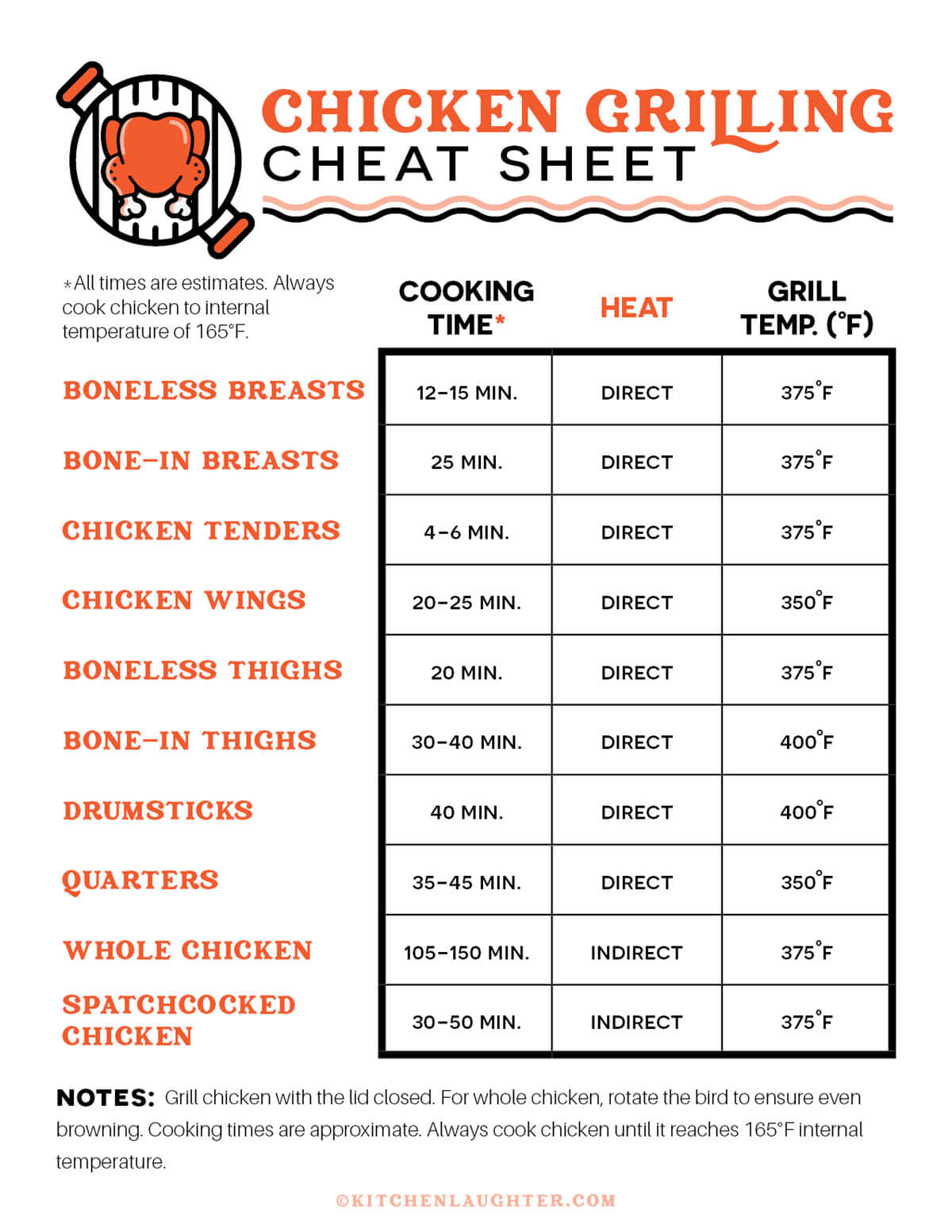
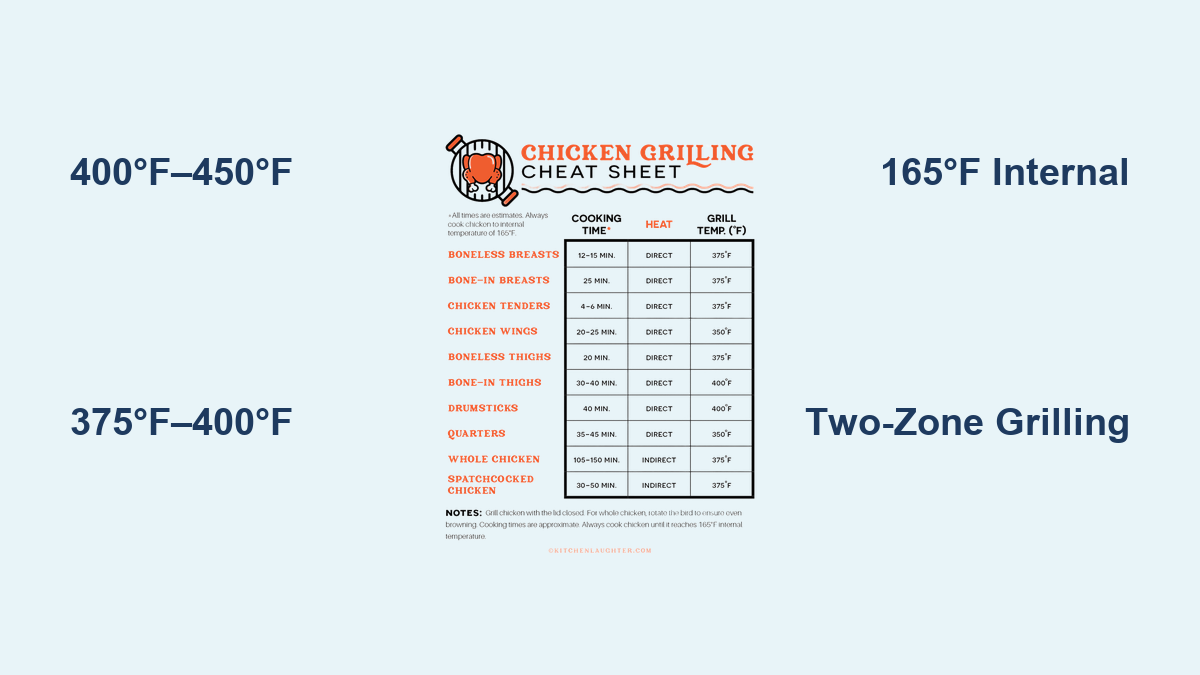
Each cut of chicken responds differently to heat. Matching the grill temperature to the cut ensures even cooking, maximum juiciness, and a perfect sear every time.
Boneless Chicken Breasts
For lean, boneless breasts, aim for 400°F–450°F on direct medium-high heat. This range delivers a golden sear without overcooking the lean center. Start hot to lock in juices, then reduce heat or move to indirect if the exterior browns too quickly.
Cook for 6–8 minutes per side, flipping once. Pull at 165°F and rest 5–10 minutes under loose foil. Carryover cooking will bring the temp to roughly 170°F while moisture redistributes. Going past this range risks dry, stringy meat.
Pro Tip: Butterfly thick breasts to even out thickness and prevent raw centers.
Bone-In Chicken Breasts
Bone-in breasts need slightly lower heat, around 375°F–400°F, to allow time for heat to penetrate near the bone without burning the exterior. Use direct heat first, then finish over indirect if the skin browns too fast.
Expect 10–12 minutes per side. Probe the thickest part of the meat, not touching bone, and target 165°F. Bone conducts heat slowly, so rushing with higher temps will char the outside before the inside cooks through.
Chicken Thighs (Boneless)
Boneless thighs thrive on high heat, 400°F–450°F, thanks to their fat and connective tissue. Unlike breasts, they benefit from frequent flipping every 2–3 minutes to promote even browning and prevent drying.
Cook for 5–7 minutes per side. Target an internal temp of 175°F–200°F. This higher range breaks down collagen into gelatin, creating a rich, tender bite. Dark meat’s fat content protects it from drying out at high temps.
Bone-In Thighs and Drumsticks
For bone-in dark meat, use 375°F–400°F with indirect or medium heat. These cuts take longer to cook through, so slower, steady heat prevents flare-ups and ensures even doneness.
Thighs need 10–15 minutes per side. Drumsticks take 20–25 minutes total, turned often. Target 170°F–175°F internally, or up to 185°F for fully rendered marrow and ultra-tender texture. Skin should be crisp and golden with no pink at the joint.
Grilled Chicken Wings
Wings cook best at 400°F–450°F over direct heat. Their small size means they sear quickly but need time to render fat and cook through without charring.
Grill for 20–25 minutes total, flipping halfway. Internal temp should hit 165°F. For extra crispiness, finish with a sauce-free sear or toss in sauce after grilling. Trim excess wing tips and avoid sugary sauces early to prevent burning.
Spatchcocked Whole Chicken
When grilling a whole chicken, spatchcocking (removing the backbone and flattening it) allows even cooking. Use 375°F–400°F with indirect heat, placing the bird skin-side up over the cooler zone.
Cook for 45–60 minutes until the breast hits 165°F. The dark meat will naturally exceed this, reaching optimal tenderness around 180°F. Close the lid to trap heat and roast like an oven for rotisserie-style results with grill flavor.
Internal Temp vs. Grill Heat: What Matters Most
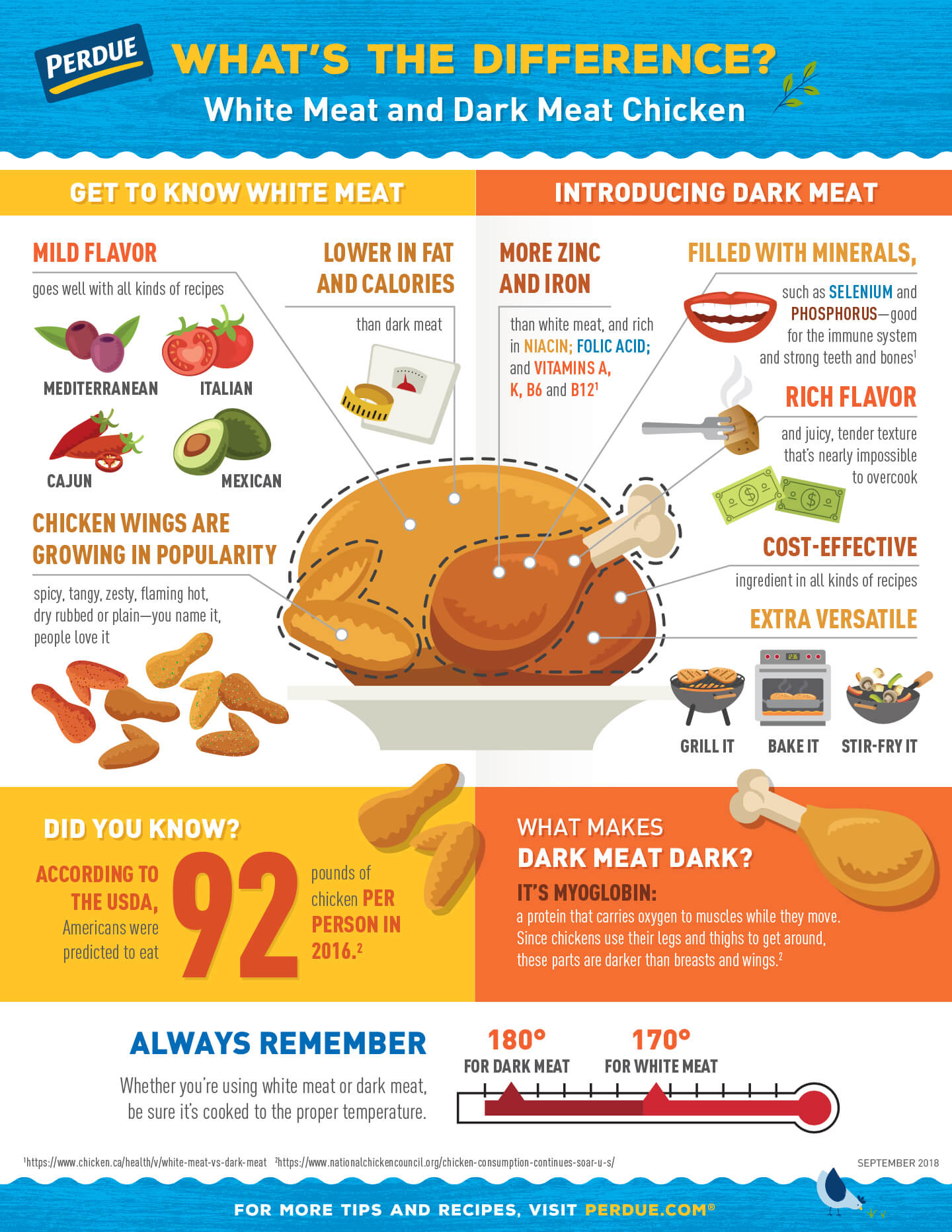
Knowing how hot should a grill be for chicken is only half the battle. The real secret lies in monitoring internal temperature, not guesswork or visual cues.
Why 165°F Is the Safety Floor
The USDA requires all poultry to reach 165°F to destroy harmful bacteria like Salmonella and Campylobacter instantly. At this temperature, pathogens die on contact.
Don’t rely on color or clear juices. Both are unreliable indicators of doneness. A digital meat thermometer is non-negotiable for safe, perfectly cooked chicken.
White Meat vs. Dark Meat: Different Goals
White meat (breasts) tastes best at 165°F–170°F. Beyond that, muscle fibers tighten aggressively and squeeze out moisture, leaving you with dry, stringy meat.
Dark meat (thighs, drumsticks) needs 175°F–200°F for optimal texture. Collagen doesn’t fully break down below 175°F, leaving the meat rubbery or tough. Collagen converts to gelatin starting at 160°F, but the process accelerates above 175°F, which is why dark meat improves with higher temps.
How to Measure Correctly
Insert the probe into the thickest part of the meat, avoiding bone, fat, or gristle. These materials conduct heat differently and can give false readings. Check multiple spots, especially in uneven cuts. For bone-in pieces, aim between the meat and bone.
Use an instant-read thermometer like a Thermapen or a leave-in probe such as an iGrill for real-time monitoring throughout the cook.
Two-Zone Grilling: Sear Then Finish
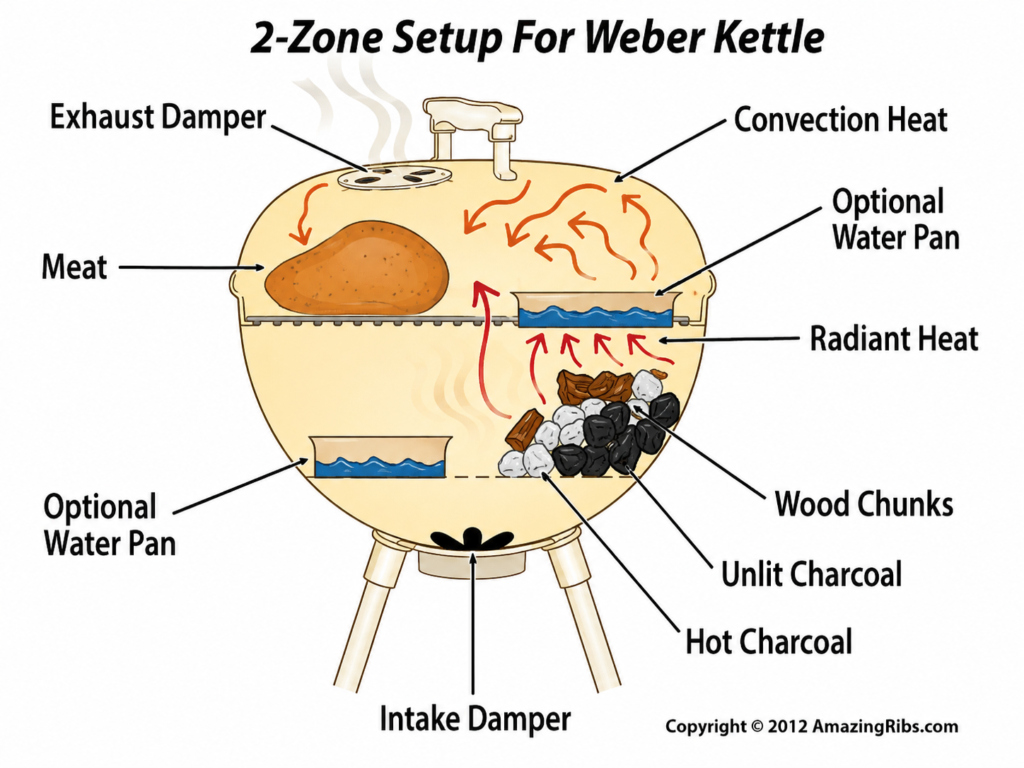
One of the most effective methods for cooking chicken evenly is two-zone grilling, which creates separate high-heat and low-heat zones on your grill.
Set Up Your Zones
A direct heat zone is one side of the grill set to high (500°F+), used for searing. An indirect heat zone is the other side with no flame or coals underneath, used for gentle finishing.
For gas grills, turn burners on one side to high and leave the other off. For charcoal, pile coals on one side and leave the other empty.
Sear Then Move Technique
- Preheat the grill to 500°F+ for 10–15 minutes.
- Sear chicken on direct heat for 1–2 minutes per side to create grill marks. Rotate 90° after 1 minute for crosshatch marks before flipping.
- Move to indirect side, close the lid, and cook until internal temp hits target.
- Rest breasts 5–10 minutes; thighs can be served immediately.
This method prevents burnt exteriors and undercooked centers, especially useful for thick cuts like bone-in breasts.
High-Heat Method for Thighs
Boneless thighs don’t need indirect heat. Their higher fat content makes them ideal for high-heat direct grilling at 400°F–450°F.
Flip Every Few Minutes
Contrary to old-school “flip once” advice, flipping thighs every 2–3 minutes ensures even browning, reduces charring risk, and improves moisture retention. Frequent flipping acts like self-basting, balancing surface heat and preventing hot spots.
Rotate Across the Grate
Move pieces between hotter and cooler spots on the grill to manage heat variance. This is crucial for gas grills with uneven burner output. Remove when the thickest part hits 175°F; no resting needed.
Avoid These Common Grilling Mistakes
Even with the right temperature, small errors can ruin your chicken.
Dry or Tough Chicken
Cause: Overcooking white meat past 170°F or using too-high heat for too long.
Fix:
– Pull breasts at 165°F and rest
– Use two-zone grilling to control heat exposure
– Brine or marinate breasts for added moisture
Sticking to the Grates
Cause: Cold or dirty grates, flipping too early.
Fix:
– Preheat grill for 10–15 minutes
– Clean grates with a wire brush after preheating
– Oil the grates or chicken lightly
– Wait until the chicken releases naturally; don’t force it
Uneven Cooking
Cause: Hot spots, overcrowding, or uneven meat thickness.
Fix:
– Rotate pieces between hot and cool zones
– Don’t overcrowd; leave space for airflow
– Butterfly thick breasts or pound to even thickness
Flare-Ups and Charring
Cause: Fat dripping onto flames or sugary sauces applied too early.
Fix:
– Trim excess fat
– Keep grill clean to avoid flare-prone residue
– Apply sauces in the last 3–5 minutes
– Move chicken to indirect heat during flare-ups
Marinating and Prep for Better Results
Prep work before grilling can make or break your chicken.
Brining and Marinating
Marinating adds flavor and moisture, especially helpful for lean cuts. Acidic marinades (vinegar, citrus, wine) can reduce harmful compounds called PAHs formed during grilling.
- Thin breasts: 30 minutes to 1 hour (longer in acid can toughen)
- Thick cuts: 2–4 hours or overnight (avoid acidic marinades overnight)
Pat chicken dry before grilling. Wet surfaces steam instead of sear.
Thawing Fully Is Mandatory
Never grill frozen chicken. Ice crystals cause sticking and uneven cooking. Always thaw completely in the fridge before grilling.
Season Under the Skin
For skin-on pieces, slide seasoning or butter under the skin for deeper flavor and better moisture retention.
Health Tips: Reduce PAHs and Charring
Grilling is healthy, but high heat and smoke can produce Polycyclic Aromatic Hydrocarbons (PAHs), potential carcinogens formed when fat drips and creates smoky flare-ups.
How to Minimize PAHs
- Marinate, especially with acidic ingredients like citrus or vinegar
- Trim excess fat to reduce drips
- Keep grates clean to avoid burning residue
- Avoid heavy charring; cook at moderate temps and flip often
- Use indirect heat for longer cooks
Despite concerns, grilling remains a lean cooking method. A 4-ounce grilled chicken breast has just 130 calories and 3g fat.
Resting and Serving for Best Texture
Post-grill steps matter as much as cooking.
Rest Chicken Breasts
Let boneless breasts rest 5–10 minutes under loose foil. This allows juices to reabsorb into the fibers. Cutting too soon causes liquid to pool on the plate, resulting in dry meat.
Thighs Can Be Served Immediately
Thanks to their fat and collagen, bone-in or boneless thighs don’t need long rests. Serve hot off the grill for maximum crispness.
Serving Ideas
- Breasts: Slice and serve with cold salads, grilled veggies, or grain bowls
- Thighs: Shred for tacos, slice over rice, or serve whole with dipping sauces
- Wings: Toss in sauce post-grill and serve with celery and blue cheese
Quick Reference: Grill Temps by Cut
| Chicken Cut | Grill Temp | Cook Time | Internal Temp |
|---|---|---|---|
| Breast (Boneless) | 400°F–450°F | 6–8 min/side | 165°F |
| Breast (Bone-In) | 375°F–400°F | 10–12 min/side | 165°F |
| Thigh (Boneless) | 400°F–450°F | 5–7 min/side | 175°F–200°F |
| Thigh (Bone-In) | 375°F–400°F | 10–15 min/side | 170°F–175°F |
| Drumsticks | 375°F–400°F | 20–25 min total | 170°F–175°F |
| Wings | 400°F–450°F | 20–25 min total | 165°F |
| Whole (Spatchcock) | 375°F–400°F | 45–60 min total | 165°F (breast) |
Frequently Asked Questions About Grilling Chicken
What is the safest internal temperature for grilled chicken?
The USDA mandates 165°F for all poultry. This temperature kills harmful bacteria like Salmonella and Campylobacter instantly. Always verify with a digital meat thermometer, as visual cues like clear juices are unreliable.
Should chicken thighs be cooked to a higher temperature than breasts?
Yes. Thighs contain collagen that needs to reach 175°F–200°F to break down into gelatin. At 165°F, dark meat can still feel rubbery. Breasts, being lean, dry out past 170°F, so pulling them at 165°F and resting preserves moisture.
How do I prevent chicken from sticking to the grill?
Preheat your grill for 10–15 minutes, then clean grates with a wire brush. Oil the grates or the chicken lightly. Most importantly, wait until the chicken releases naturally before flipping. If it sticks, it likely needs more time to sear.
Can I grill frozen chicken?
No. Frozen chicken develops ice crystals that melt during cooking, causing sticking and uneven results. The outside burns before the frozen center reaches a safe temperature. Always thaw completely in the refrigerator before grilling.
What is two-zone grilling and why use it?
Two-zone grilling creates a hot direct-heat side for searing and a cooler indirect-heat side for finishing. This prevents burnt exteriors and undercooked centers, especially for thick cuts like bone-in breasts. Sear at 500°F+, then move to indirect heat at 350°F–375°F to cook through.
How long should I let chicken rest after grilling?
Rest boneless breasts for 5–10 minutes under loose foil to let juices redistribute. Thighs and drumsticks have enough fat that resting is less critical; some cooks serve them immediately for maximum skin crispness.
Key Takeaways for Grilling Chicken at the Right Temperature
Knowing how hot should a grill be for chicken means matching the grill temperature to the cut and monitoring internal doneness. Use 400°F–450°F for boneless cuts like breasts and thighs, and 375°F–400°F for bone-in pieces and whole birds. Always use a meat thermometer: 165°F for safety, 175°F+ for tender dark meat.
Master the two-zone method to sear without burning, flip thighs frequently for even browning, and let breasts rest before slicing. With these strategies, you’ll grill juicy, safe, and flavorful chicken every time. Fire up the grill and start cooking with confidence.