
How to Smoke on a Charcoal Grill
You’ve grilled burgers and steaks on your charcoal kettle, but there’s a deeper, richer flavor waiting just beyond the flames. Learning how to smoke on a charcoal grill transforms your standard backyard cooker into a low-and-slow powerhouse capable of producing brisket, ribs, and pulled pork that rival any dedicated smoker. The secret lies in mastering airflow, fuel placement, and wood selection. This guide walks you through proven methods like the Charcoal Snake, Two-Zone Fire, and water pan techniques so you can serve tender, smoky perfection every single time.
Build the Charcoal Snake for Hands-Off Smoking
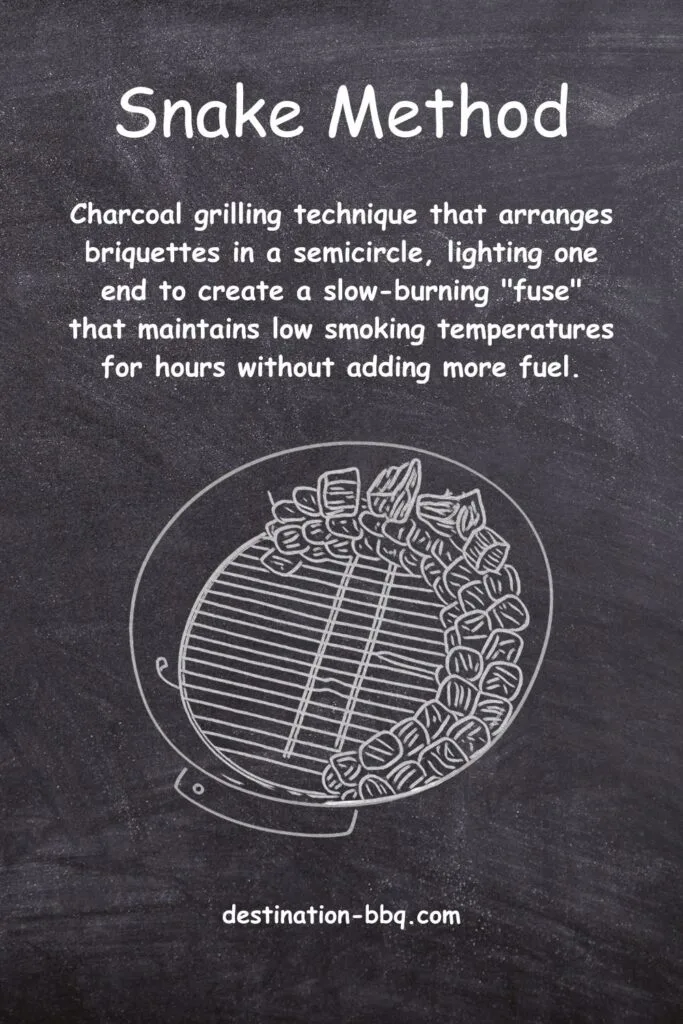
The Charcoal Snake method turns any kettle grill into a self-feeding smoker that runs for hours with almost no attention. It’s the gold standard for long cooks because it burns slowly and evenly without temperature spikes.
Arrange the C-Ring Configuration
Place charcoal briquettes in two parallel rows along the inner edge of your grill, forming a “C” shape that wraps around roughly half to three-quarters of the perimeter. Stack them two briquettes wide and two briquettes high to maximize burn time. This double-layer design creates a slow, sustained fire that creeps around the ring like a burning fuse.
Nestle wood chunks every 4–5 briquettes along the snake. As the fire crawls forward, each chunk ignites in sequence, releasing steady smoke throughout the entire cook. Always use hardwood chunks; green or softwood produces harsh, bitter smoke.
Light the Snake and Maintain Temperature
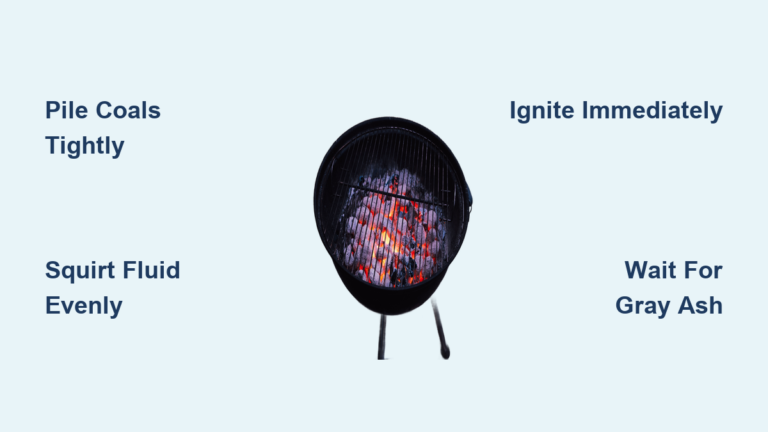
Fill a chimney starter one-third full with briquettes (about 2 quarts). Light them and wait 15–20 minutes until they’re coated in gray ash. Pour the hot coals onto one end of the snake to ignite the chain reaction. The fire will slowly travel around the ring, holding 250°F–325°F for six hours or more.
For Texas-style brisket cooks exceeding 8 hours, add fresh coals to the unlit end of the snake once the meat’s internal temperature hits 180°F. This extends the burn without forcing you to open the lid early.
Understand the Temperature Sweet Spot
While traditional smoking targets 225°F, the snake method naturally runs hotter, often peaking near 325°F. This slight increase doesn’t hurt tenderness or bark development. In fact, it can shorten cook time while still delivering deep smoke flavor and a rich crust.
Resist the urge to adjust vents mid-cook unless temperatures spike above 350°F. The snake regulates itself; just keep the lid closed and trust the process.
Master the Two-Zone Fire Setup
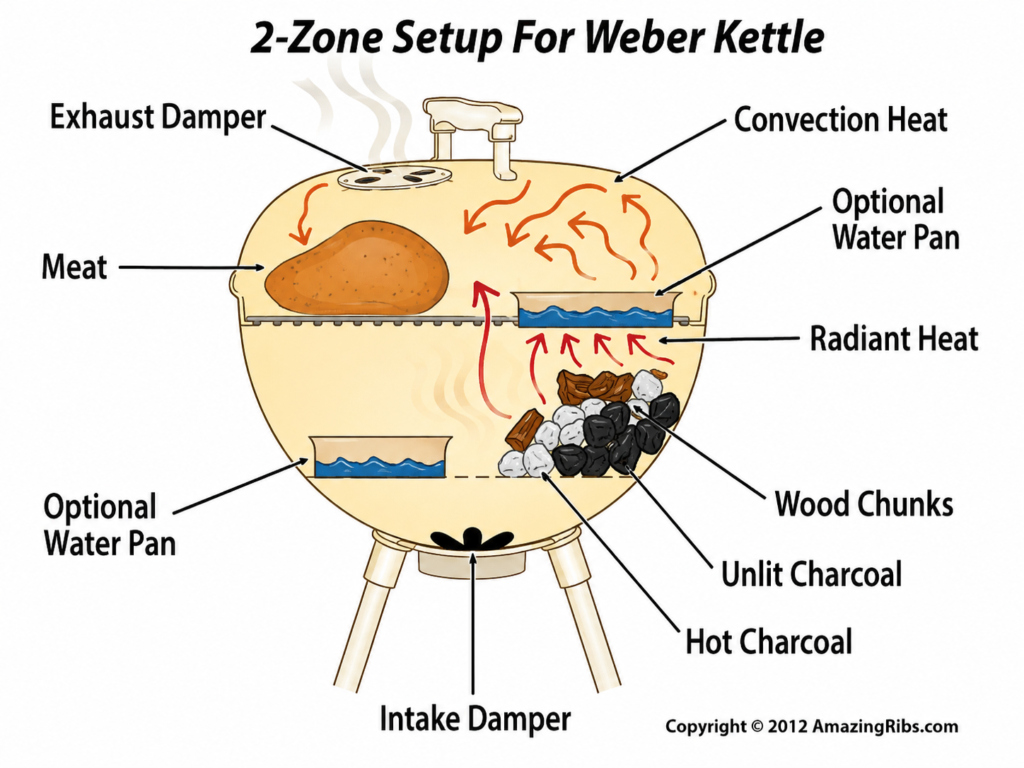
The Two-Zone Fire is the foundation of indirect cooking on any charcoal grill. It creates separate heat zones so food smokes gently instead of searing over open flame.
Set Up Indirect Heat Zones
Pile all lit coals on one side of the grill, covering about one-third to half the charcoal grate. Leave the opposite side empty; this is your indirect zone where meat will cook. Keep coals one or two layers deep, never stacked higher.
Position the lid so the top vent sits directly above the empty side. This creates a draft that pulls heat and smoke across the food before venting out, maximizing flavor absorption and fuel efficiency.
Refuel During Long Cooks
Unlike the snake method, a two-zone setup requires periodic refueling. For any cook over 30 minutes, add fresh charcoal every 45–60 minutes.
When using standard briquettes with fillers, always pre-light them in a chimney before adding. Unlit briquettes release chemical flavors when dumped directly onto hot coals. Hardwood lump charcoal burns cleanly and can be added unlit without off-flavors.
Control Airflow Through Vents
Bottom vents are your primary heat control. Keep them open at least halfway to feed oxygen to the fire. If flames die, check for ash blockage and sweep it away every hour.
Top vents regulate exhaust. Open them fully to increase heat; close them partially (never more than 75%) to lower temperature. Never seal the top vent completely, as this traps stale smoke that turns acrid and ruins flavor.
Stabilize Temperature with a Water Pan

A water pan is essential for long smokes. It regulates temperature, prevents flare-ups, and keeps meat juicy.
Position and Fill the Pan
Set a disposable aluminum pan on the indirect side of the grill, directly beneath where the meat will sit. Fill it two-thirds to three-quarters full with water, apple juice, or beer for added aroma.
The liquid absorbs excess heat and releases it slowly, acting as a thermal buffer against sudden temperature swings.
Maintain Humidity Throughout the Cook
As water evaporates, it adds moisture to the cooking chamber, helping smoke adhere better and preventing dry meat. The pan also catches fat drips, eliminating flare-ups that char food.
Check the pan every 60–90 minutes and refill as needed. Never let it run dry; this defeats its purpose and risks warping the grill bowl.
Choose the Right Charcoal and Wood
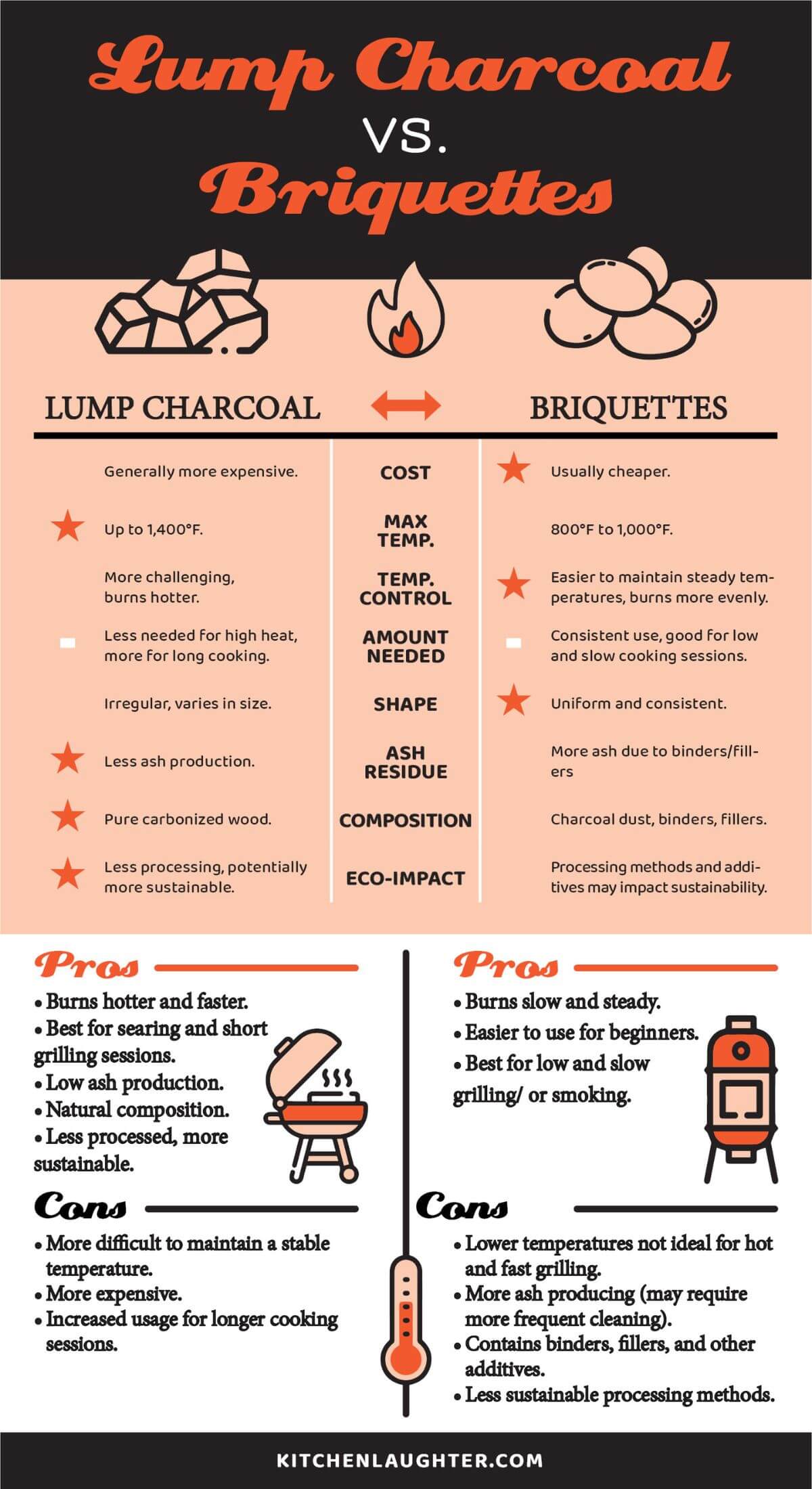
Your fuel choices define flavor, burn time, and temperature control.
Match Charcoal to Your Cook Style
- Charcoal Briquettes: Uniform size and slow burn make them perfect for the snake method. They produce more ash, so clean vents regularly.
- Hardwood Lump Charcoal: Burns hotter and faster with less ash. Ideal for two-zone setups where you add fuel during the cook. Can be added unlit without off-flavors.
Skip lighter fluid entirely. Use a chimney starter or paraffin cubes instead to avoid chemical residues.
Pair Wood with the Right Meat
Use wood chunks (2–3 inches) for long cooks; they smolder slowly and don’t need soaking. Wood chips burn fast, so soak them 30–120 minutes, drain well, and place in a smoker box or foil packet.
Best wood pairings:
- Apple or Cherry: Mild, sweet smoke. Perfect for poultry and pork.
- Hickory: Strong, bacon-like flavor. Great for pork and beef.
- Mesquite: Intense and bold. Best for beef, but use sparingly.
- Oak: Balanced, medium smoke. Works with everything, especially brisket.
Never use pine, cedar, or unseasoned (green) wood. High sap content creates bitter, harsh smoke that ruins food.
Smoke Different Meats with Precision
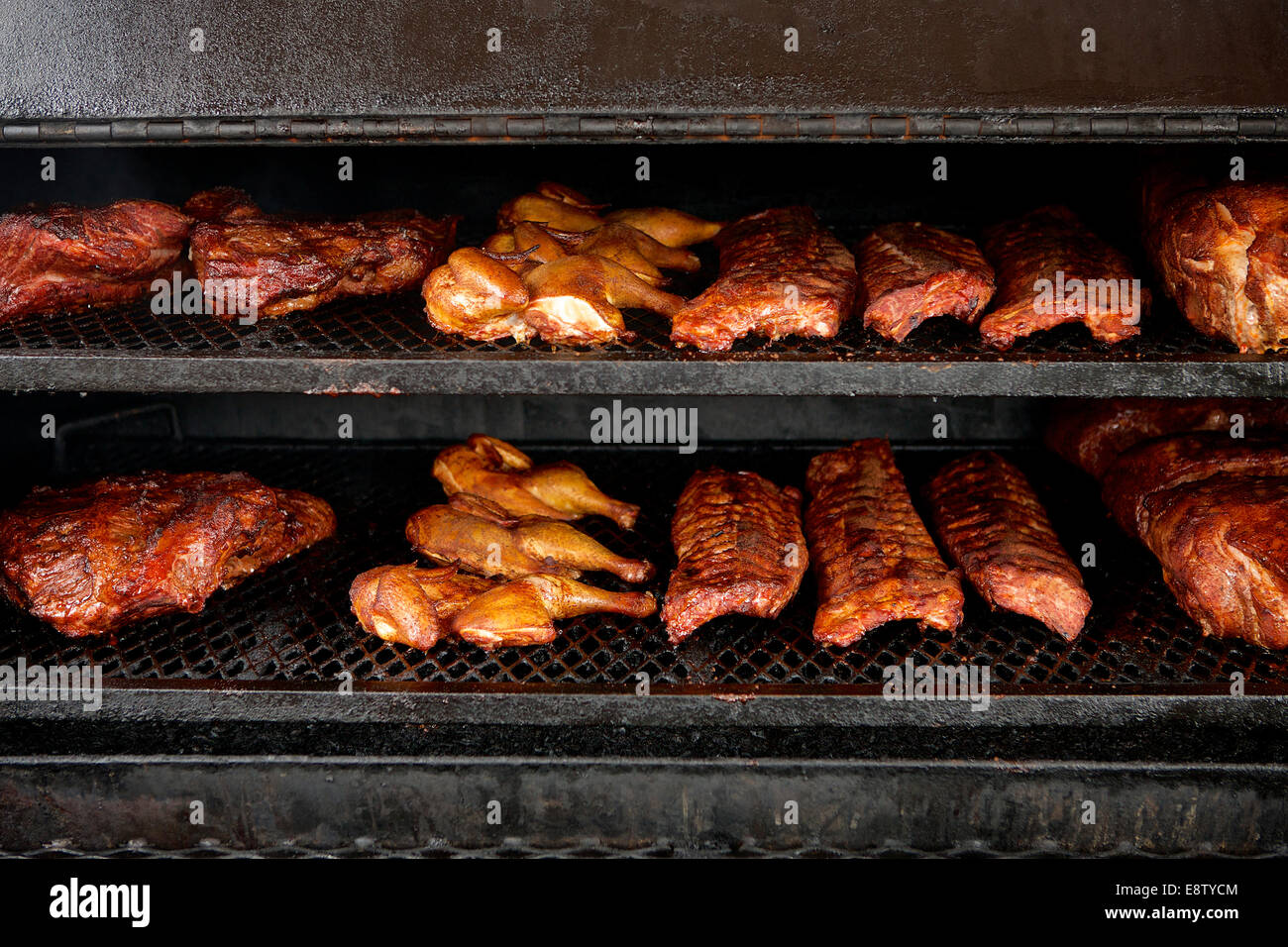
Each cut requires specific timing, temperature, and technique.
Cook Brisket Low and Slow
Use the Charcoal Snake (¾ ring) or two-zone with refueling. Target 225°F–275°F. A full packer brisket takes 8–12 hours.
Insert a probe thermometer. When internal temp hits 165°F–175°F and bark is set, wrap in butcher paper or foil to finish. Add more coals if the snake burns out before the meat reaches 195°F–205°F.
Rest 30–60 minutes before slicing against the grain.
Make Tender Pulled Pork
Set up a ⅔-ring snake or two-zone fire. Smoke at 250°F–275°F for 6–7 hours until internal temp reaches 190°F–205°F.
Low heat breaks down collagen slowly, yielding pull-apart meat. Wrap halfway through if bark forms early. Rest 30 minutes before shredding.
Smoke Ribs to Perfection
Use a half-ring snake or two-zone setup. Baby backs take 3–4 hours; spares need 4–5. Target 250°F–275°F.
Check for doneness: meat should pull back from bones, and internal temp should hit 190°F–205°F. Avoid overcooking; meat should cling slightly, not fall off. Apply sauce in the last 30 minutes if desired.
Roast Smoked Chicken
Use two-zone or snake method. Place a whole or spatchcocked bird over indirect heat at 250°F–275°F.
Smoke 2.5–3 hours until the thickest part hits 165°F. Apple or cherry wood adds ideal sweetness. Let rest 10–30 minutes before carving to retain juices.
Handle Delicate Fish
Use mild wood like alder or apple. Keep temps low; 225°F is ideal.
Smoke fillets or whole fish 30–90 minutes depending on thickness. Fish is done when it flakes easily and reaches 145°F internally. Avoid strong woods that overwhelm delicate flesh.
Equip Yourself for Success
The right tools make smoking easier, safer, and more precise.
Gather Essential Tools
- Chimney Starter: Lights coals evenly without lighter fluid.
- Grill Thermometer: Monitors air temp at grate level.
- Meat Thermometer: Instant-read or leave-in probe for accurate readings.
- Long Tongs and Mitts: Handle hot coals and meat safely.
- Water Pan: Disposable aluminum pan fits most grills.
- Smoker Box or Foil Packets: Hold wood chips securely over coals.
Consider Optional Upgrades
- Charcoal Rake: Spreads coals evenly in two-zone setups.
- Grill Brush: Cleans grates before smoking to prevent sticking.
- Wire Rack: Elevates meat above water pan for even smoke circulation.
Fix Common Smoking Problems
Even experienced smokers face issues. Here’s how to solve them quickly.
Eliminate Bitter Taste
Bitter meat means bad smoke. Thick, white, or black smoke contains creosote, a byproduct of incomplete combustion.
Fix: Wait for thin, blue-white smoke before adding food. Use dry, seasoned wood. Never overload with wood; 1–2 chunks or 1 cup chips per session is enough.
Stop Temperature Spikes
Opening the lid frequently causes heat loss and recovery surges. Wind can also blow excess oxygen into vents.
Fix: Keep the lid closed. Use a water pan to stabilize temps. Shield the grill from wind if cooking outdoors.
Revive a Dying Fire
If flames die, check bottom vents for ash buildup. Sweep ash away with a grill tool or small brush.
Open vents wider to feed oxygen. Add pre-lit briquettes or unlit lump charcoal to reignite.
Avoid Chemical Flavors
Adding unlit briquettes with fillers introduces off-flavors during early burn.
Fix: Pre-light briquettes in a chimney. Or switch to hardwood lump charcoal, which can be added unlit.
Follow Pro Tips for Better Results
Master the details that separate good from great smoked meat.
Use Less Wood
More wood does not equal more flavor. Excess smoke creates bitterness. Start with 1–2 chunks or a cup of soaked chips. Add more only when smoke stops.
Never Soak Wood Chunks
Soaking chunks is pointless; water cannot penetrate dense wood in time. It only delays smoke production. Use dry chunks for immediate, steady smoke.
Clean Vents Regularly
Ash blocks airflow and kills fires. Every hour, tap or sweep ash from the bottom of the grill, especially near intake vents.
Rest the Meat
Skipping rest time means losing juices. Wrap meat in foil or a towel and rest:
- Ribs: 10–15 min
- Chicken: 15–30 min
- Brisket/Pork: 30–60 min
This lets fibers relax and reabsorb moisture.
Prioritize Safety
Always place the chimney starter on a non-flammable surface. Use heat-resistant gloves when handling hot grates or coals. Keep kids and pets away from the grill during setup and cook.
Frequently Asked Questions About Smoking on a Charcoal Grill
What is the best charcoal for smoking meat?
Hardwood lump charcoal burns clean and hot with less ash, making it ideal for two-zone setups. Charcoal briquettes offer uniform size and slower burn rates, perfect for the snake method. Both work well; choose based on your cook style and fuel needs.
How long does it take to smoke meat on a charcoal grill?
Cook times vary by cut. Ribs take 3–5 hours, pork butt needs 6–7 hours, and brisket requires 8–12 hours. Fish cooks fastest at 30–90 minutes. Temperature, meat thickness, and weather all affect timing.
Do I need to soak wood chips before smoking?
Soak wood chips for 30–120 minutes to slow their burn. Wood chunks should never be soaked; water cannot penetrate dense wood quickly enough to matter, and it only delays smoke production.
Why does my smoked meat taste bitter?
Bitter flavor comes from thick, white, or black smoke containing creosote. This happens when wood burns incompletely or when you use too much wood. Wait for thin, blue-white smoke and limit wood to 1–2 chunks per session.
Can I smoke on any charcoal grill?
Yes, any charcoal grill with a lid works for smoking. Kettle grills are most common, but bullet and offset models also perform well. The key is creating indirect heat zones and managing airflow through vents.
How do I maintain temperature on a charcoal grill?
Control airflow through bottom and top vents. Open vents increase heat; closed vents lower it. Use a water pan for thermal stability, keep the lid closed, and clean ash from vents regularly to maintain consistent temperatures.
Key Takeaways for Smoking on a Charcoal Grill
Smoking on a charcoal grill comes down to three core skills: managing airflow, choosing the right fuel, and matching wood to meat. The Charcoal Snake method delivers hands-off convenience for long cooks, while the Two-Zone Fire offers flexibility for shorter smokes. A water pan stabilizes temperature and keeps meat moist throughout the process.
Start with a simple cook like chicken thighs or ribs to practice temperature control. Once you master airflow and clean smoke production, you’ll have the confidence to tackle brisket and other long cooks. Fire up your grill, stay patient, and enjoy the deep, smoky flavors that only charcoal smoking can deliver.