
How to Grill Fish Without Sticking
Few things are more frustrating than watching your beautiful fillet tear apart and stick to the grill. You spend good money on fresh fish, fire up the grill with high hopes, and end up with a mangled mess. Sound familiar? The truth is, grilling fish without sticking comes down to mastering four things: heat, moisture, cleanliness, and lubrication.
In this guide, you’ll learn the exact science behind non-stick grilling, the prep steps that make or break your results, and the tools that guarantee success even with delicate fillets. Whether you’re cooking salmon steaks or fragile flounder, these methods will transform your grilling game.
Master the Heat: Hot Grate, Instant Sear
Preheat to 375°F–400°F
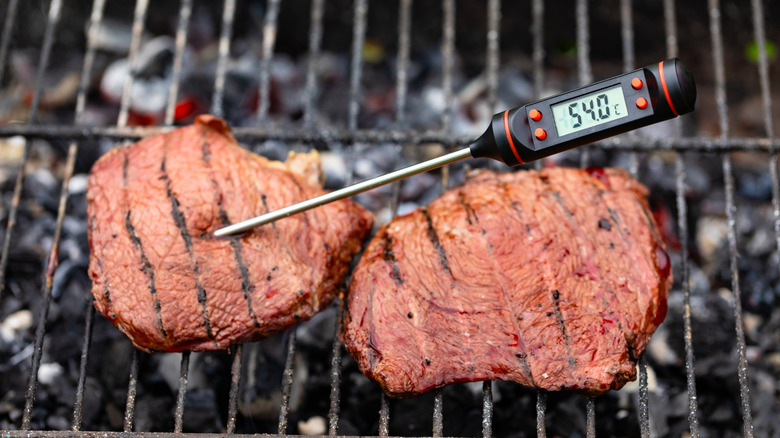
A properly heated grill is your first defense against sticking. When fish hits a hot surface, proteins denature instantly, forming a natural crust that releases cleanly from the metal. Aim for 375°F to 400°F on gas or charcoal. Preheat with the lid closed for 10–15 minutes on gas, or until coals are fully ashed over on charcoal. Never place fish on a cold or lukewarm grate.
Wait for the Maillard Reaction
If your fish resists when you try to flip it, the sear hasn’t formed yet. Forcing it will tear the flesh. Wait 1–2 minutes, then test again. Once the Maillard reaction completes, the fillet will lift cleanly on its own. Patience here saves your entire piece.
Dry the Fish Thoroughly
Pat Dry with Paper Towels
Moisture is the enemy of a good sear. Even a slightly damp surface causes steaming instead of browning, which guarantees sticking. After thawing, pat fillets completely dry with paper towels. For extra protection, place them uncovered in the fridge for 1–2 hours to air-dry before grilling.
Salt at the Last Minute
Salt draws moisture to the surface through osmosis. If you salt too early, you’ll sabotage your sear before the fish ever touches the grill. Apply salt right before grilling, after drying and oiling, to lock in flavor without creating a wet surface.
Clean and Oil the Grates
Scrub While Hot
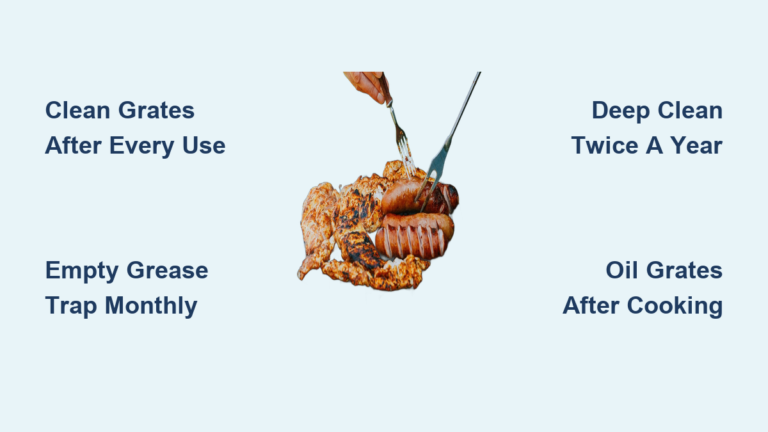
A dirty grate is a sticky grate. Burn off old residue by heating the grill, then scrub with a stiff wire brush. For deep cleaning, use a grill-safe cleaner on cold grates or wipe with a halved onion. The onion’s natural juices help loosen stubborn debris.
Oil the Grates, Not Just the Fish
Oiling your fish helps, but oiling the grates is critical. Fold a paper towel, dip it in high-heat oil like canola or avocado, grip it with tongs, and wipe across the hot grates. You can spray lightly, but wipe off excess to prevent flare-ups.
Choose the Right Fish
Firm Fish for Direct Grilling
Meaty, firm varieties hold up best to direct heat and flipping. These are your go-to options:
– Salmon (especially wild Sockeye)
– Swordfish
– Halibut
– Mahi-mahi
– Tuna steaks
– Snapper
– Catfish
Delicate Fish Need Protection
Flounder, sole, and thin cod fillets are prone to tearing. Use grill baskets, cedar planks, or foil to keep them intact. These tools create a barrier between delicate flesh and the grates.
Oil Before Seasoning
Apply Oil First
After drying, coat both sides of the fish with oil before adding salt or spices. Oiling first creates a slick barrier. If you season first, the spices absorb oil and create sticky spots that bond to the grill.
Use High Smoke Point Oils
Choose oils that won’t burn at high temperatures:
– Avocado oil
– Canola oil
– Vegetable oil
– Light olive oil (not extra virgin)
Avoid butter or unrefined coconut oil, which have low smoke points and will burn quickly.
Use the Citrus Barrier Trick
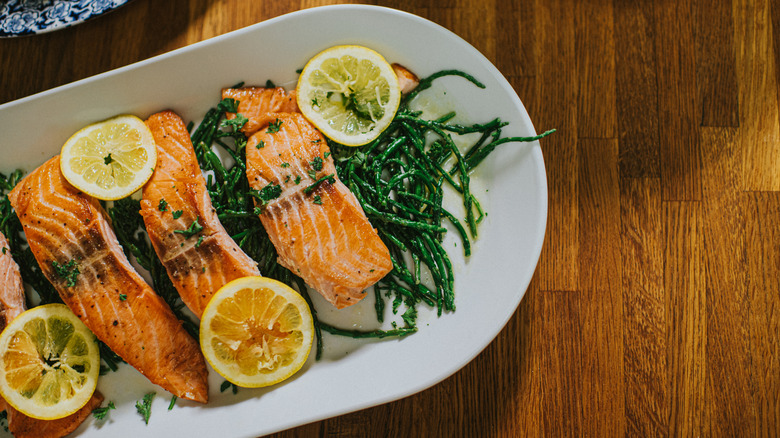
Grill on Lemon or Lime Slices
Place 3–4 overlapping citrus slices (lemon, lime, or orange) directly on the hot grates. Set the fish on top. The citrus acts as a physical barrier, prevents sticking, and infuses bright flavor. This works beautifully with salmon, halibut, and branzino.
Add Herbs for Extra Flavor
Slide fresh thyme, rosemary, or dill between the fish and citrus. The herbs steam gently, enhancing taste without burning on the grates.
Flip with Confidence
Use a Wide, Thin Spatula
A narrow spatula won’t support a full fillet. Invest in a wide, flexible fish spatula that slides easily under delicate flesh. Slide it completely beneath the fish before lifting.
Test Before You Flip
Gently lift one edge with the spatula. If it resists, wait 1–2 minutes. Once the sear forms, the fish releases naturally. Flip only once for the best results and to minimize handling.
Try the Skin-On Method

Grill Skin-Side Down
For skin-on fillets like salmon, place them skin-side down on the grill. The skin protects the flesh and crisps up beautifully. You can cook without flipping until the top is opaque and flaky.
Peel or Eat the Skin
The skin often sticks to the grate, and that’s by design. After cooking, slide the spatula between flesh and skin to serve skinless, or enjoy the crispy skin as a flavorful bonus.
Control Heat with Two Zones
Set Up Indirect Heat (Charcoal)
Pile coals on one side for direct heat (searing) and leave the other side empty for indirect heat (gentle cooking). Start fish on the indirect side to cook through, then move to direct heat for a quick sear.
Prevent Overcooking
Thicker cuts like tuna steaks benefit from this method. It gives you control, reduces flare-ups, and ensures even doneness without burning the exterior.
Try Alternative Methods
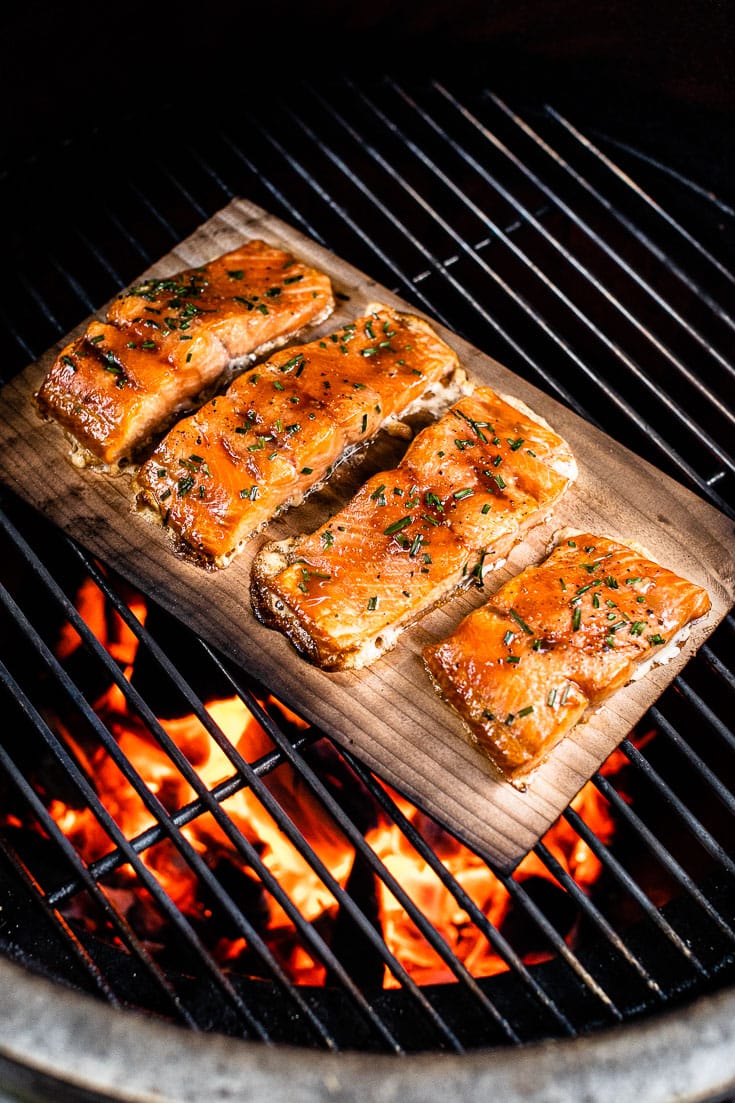
Grill on Cedar Planks
Soak a food-safe cedar plank in water for at least 1 hour, then place it on the grill over indirect heat. Add seasoned fish on top, close the lid, and cook until internal temperature hits 145°F. The plank steams and smokes the fish with no flipping and no sticking.
Use Aluminum Foil Packets
Fold fish with butter, herbs, and lemon in heavy-duty foil. Seal tightly and grill for 12–15 minutes. This method steams the fish, so you won’t get grill marks, but you’ll have zero sticking and easy cleanup.
Try a Perforated Grill Grid
A stainless steel grid with holes lets smoke through but holds delicate fish. Preheat, clean, and oil it like regular grates. This is ideal for small fillets or fish with skin.
Flip with a Grill Basket
Use a hinged wire basket for flaky fish. Place fish inside, close it, and flip the whole basket. Clean and oil the basket thoroughly, because residue will still cause sticking.
Use a Cast-Iron Grill Pan
Place a ridged cast-iron pan on the grill. It gives great sear marks and prevents falling through. The downside is less smoke flavor due to the solid base.
Avoid Common Mistakes
Don’t Overcrowd the Grill
Too many fillets lower the grill’s temperature and create steam, leading to soggy, sticky fish. Leave space between pieces and cook in batches if needed.
Never Press Down
Resist the urge to press the fish with your spatula. You’ll squeeze out juices, dry out the meat, and increase sticking. Let the heat do the work.
Don’t Rush the Flip
If the fish resists lifting, it’s not ready. Wait. Forcing it tears the flesh. A properly seared fillet releases on its own when it’s ready.
Know When It’s Done
Look for Visual Cues
Fish turns from translucent to opaque as it cooks. The edges whiten and begin to flake. Gently pull at the thickest part with a fork. It should flake easily when done.
Check the Temperature
Remove fish at 130°F–135°F. Carryover cooking will bring it to the safe 145°F while resting. Overcooking dries out fish fast, so pull it early.
Let It Rest
Let grilled fish rest for 2–3 minutes off the heat. This allows juices to redistribute, keeping the flesh moist and flavorful.
Serve and Store Right
Serve Immediately
Grilled fish tastes best hot off the grill. Squeeze fresh lemon over the top, or add a dollop of chimichurri, pesto, or herbed butter. Top with grilled citrus slices from the barrier method.
Store Leftovers Properly
Cool and store in an airtight container. Lasts up to 3 days in the fridge. Reheat gently in a skillet or oven, and avoid the microwave, which can make fish rubbery.
Quick Reference Guide
| Step | Key Action |
|---|---|
| Heat | Preheat to 375°F–400°F |
| Dry | Pat fish dry; air-dry if possible |
| Oil | Oil fish first, then grates |
| Season | Salt right before grilling |
| Grill Prep | Clean and oil grates |
| Flip Test | Wait until fish releases naturally |
| Flip Tool | Use wide, thin spatula |
| Delicate Fish | Use plank, basket, or foil |
| Doneness | Remove at 130°F–135°F |
| Rest | 2–3 minutes before serving |
Frequently Asked Questions About Grilling Fish Without Sticking
What is the best oil to use when grilling fish?
Use oils with a high smoke point, such as avocado, canola, vegetable, or light olive oil. Avoid butter or unrefined coconut oil, which burn quickly at grilling temperatures.
How do I know when my fish is ready to flip?
Gently lift one edge with a spatula. If it resists, wait 1–2 minutes. Once the sear forms, the fish will release naturally. Forcing it too early causes tearing.
Should I grill fish with the skin on or off?
Grilling skin-on is easier because the skin protects the flesh and crisps up nicely. You can cook without flipping and peel the skin off afterward, or eat it as a crispy bonus.
What temperature should I remove fish from the grill?
Remove fish at 130°F–135°F. Carryover cooking will bring it to the USDA-recommended 145°F while it rests. Pulling it early prevents overcooking and dryness.
Can I grill delicate fish like flounder or sole?
Yes, but use a grill basket, cedar plank, or foil packet to protect the flesh. Direct grilling is risky for thin, flaky varieties because they tend to fall apart.
How do I store leftover grilled fish?
Cool the fish and store it in an airtight container in the fridge for up to 3 days. Reheat gently in a skillet or oven. Avoid the microwave, which can make fish rubbery.
Key Takeaways for Grilling Fish Without Sticking
Grilling fish without sticking isn’t about luck. It’s about controlling four variables: heat, moisture, cleanliness, and lubrication. Preheat your grill to 375°F–400°F, dry your fish thoroughly, clean and oil your grates, and resist the urge to flip too early. When the sear forms, the fish releases on its own.
Your next step is simple. Pick a firm fillet like salmon or tuna, fire up the grill, and try the citrus barrier trick this weekend. You’ll be amazed at how easily the fish lifts off the grates when you follow these principles.