
How to Stop a Grill Fire
Flames shooting up from your barbecue can turn a relaxing cookout into a dangerous emergency in seconds. Grease buildup, dripping fat, and sugary sauces are common culprits behind sudden flare-ups, and gas grills can reach 550°F, hot enough to ignite accumulated grease fast. Knowing how to stop a grill fire quickly and correctly protects your home, your family, and your property from serious harm.
This guide walks you through identifying fire types, proven suppression methods, critical mistakes to avoid, and prevention habits that stop fires before they start. You’ll learn exactly what to do, what never to do, and when to call for professional help.
Identify the Fire Type Before You React
The wrong response can turn a manageable flame into a disaster. Assess what you’re dealing with first.
Flare-Ups vs. Grease Fires
Flare-ups are short bursts of flame caused by fat dripping onto hot coals or burners. Minor flare-ups last seconds and may even add a nice sear to steaks. Severe flare-ups engulf food in flames and require action, especially with sugary marinades that ignite instantly.
Grease fires are far more dangerous. They happen when accumulated grease in the drip pan or on grates reaches its flash point, usually above 400°F. Warning signs include thick dark smoke, loud popping or sizzling, and flames that refuse to die down.
Spot Gas Fire Danger
If flames appear near the gas line, burner valve, or propane tank, evacuate immediately. This is not a grill fire; it’s an explosion hazard. Call 911 from a safe distance and do not attempt to extinguish it yourself.
Use the Cover-and-Wait Method to Smother Flames
Removing oxygen is the most effective way to kill a grease fire.
Close the Lid Immediately
For both gas and charcoal grills, close the lid the moment flames grow out of control. This starves the fire of the air it needs to burn. On charcoal grills, this step alone often solves the problem.
Seal Vents on Charcoal Grills
Charcoal grills have top and bottom vents. Shut both completely. As fire safety experts note, no oxygen equals no fire. Wait at least 3 to 5 minutes without peeking. Lifting the lid introduces a rush of oxygen that can reignite flames into a fireball.
Understand Gas Grill Limitations
Gas grills often have bottom drainage holes that allow airflow, making smothering less reliable. If flames persist after 2 minutes, move to a secondary method like a fire extinguisher.
Relocate Food to a Safe Zone
When flare-ups come from specific food items, removing the fuel source stops the fire.
Create a Two-Zone Fire Setup
Always grill with two zones: one hot side for searing and one cooler side with no direct heat. When flames erupt, use long tongs to shift the food to the cooler zone away from the heat source.
Prevent Sauce Burn-Down
Foods coated in sugary sauces like BBQ or teriyaki ignite fast. Keep them on the cooler side until the final 5 to 10 minutes of cooking. If flames appear, move them off heat right away.
Use the Warming Rack
After relocating food, place it on the warming rack. Return pieces one at a time to the center of the grill so excess fat can burn off safely before moving them back.
Apply Baking Soda or Salt for Small Fires
Dry chemicals can knock out small, contained flames quickly.
Pour Baking Soda Generously
Baking soda releases carbon dioxide when heated, which displaces oxygen and smothers flames. Pour large amounts directly onto the base of the fire. Keep a dedicated box near your grill station; old pantry baking soda works fine.
Use Coarse Salt
Salt physically blocks oxygen from reaching the flame. Use coarse salt rather than fine table salt, and dump it liberally. Like baking soda, it requires volume to be effective.
Know the Limits
These are backup solutions for small grease fires. They won’t stop a large, spreading blaze. Never rely on them alone for major incidents.
Deploy a Fire Extinguisher When Smothering Fails
For fires that won’t die down, a proper extinguisher is your best line of defense.
Choose the Right Class
Use a Class B extinguisher for flammable liquids and grease, or a Class ABC model for multi-purpose home protection. The First Alert PRO5 is a top-rated option that’s lightweight and effective.
Avoid Aerosol Mini Extinguishers
These are often underpowered and unreliable. They may give a false sense of security. Invest in a full-sized, UL-rated unit instead.
Aim at the Base of the Flames
Squeeze the handle and sweep side to side, targeting the base of the fire rather than the flames above. Cutting off fuel at the source works faster than chasing flames.
Use Fire Blankets with Caution
Fire blankets can smother small grill fires but risk spreading flames if mishandled. Deploy with long heat-resistant gloves and keep your body clear.
Shut Off the Gas Supply Safely
For gas grills only, and only when it’s safe to approach.
Turn Off the Propane Valve
If flames are small and contained, turn the propane tank knob clockwise to stop fuel flow. Do this after closing the lid or extinguishing the fire.
Never Risk Personal Safety
If flames are near the tank, spreading, or blocking access, do not approach. Evacuate everyone and call 911.
Never Use Water on a Grill Fire
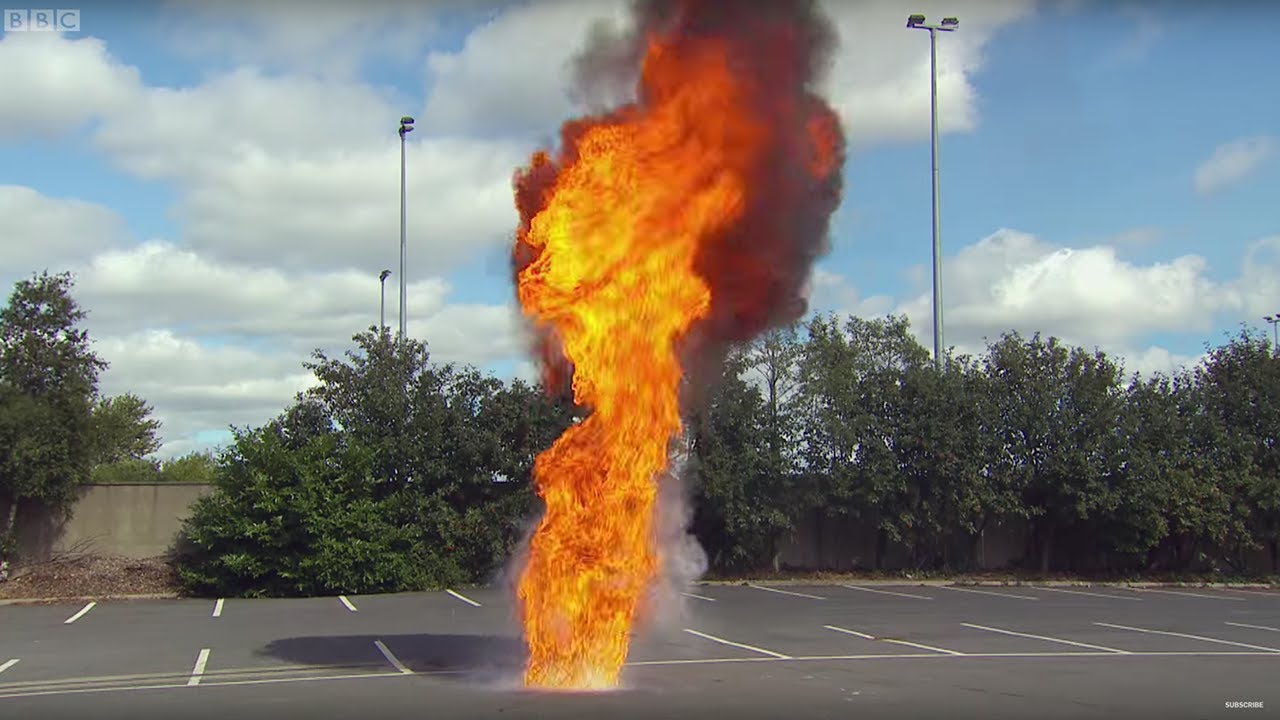
This is the most dangerous and most common mistake.
Why Water Causes Explosions
Water sinks below hot oil and instantly vaporizes into steam, expanding roughly 1,600 times in volume. This sends burning grease spraying outward, spreading fire and causing severe burns.
Even a Spray Bottle Is Risky
A small squirt bottle still introduces water to burning grease. The result is a fiery spray that can ignite nearby surfaces, clothing, or skin.
Avoid Flour and Fine Powders
They may look like baking soda, but they behave like fuel.
Flour Causes Dust Explosions
Fine powders like flour, confectioners’ sugar, or cornstarch can ignite instantly when dispersed near a flame, creating a fireball. Never use them to smother a grill fire.
Stick to Approved Agents
Only baking soda and coarse salt are safe dry options for small grease fires.
Don’t Move a Burning Grill
It feels instinctive to roll the grill away, but this often makes things worse.
Risk of Spreading Grease
Moving a flaming grill can spill burning grease onto decks, grass, or patios, starting secondary fires.
Danger of Tipping
Hot grills are unstable. A sudden shift can tip the unit, spilling coals or igniting nearby objects.
The One Exception
If the grill is near your house and the fire threatens the structure, and it’s safe to do so, roll it away slowly. If flames are large, evacuate instead.
Call 911 When the Fire Is Beyond Control
Know when to stop fighting and get out.
Escalate Immediately If:
• Flames keep growing after 2 to 3 minutes of suppression attempts
• Fire spreads to the deck, siding, or nearby plants
• You smell gas or hear a hissing sound from the propane line
• You feel unsafe or unsure of your ability to contain the fire
Get a Post-Fire Inspection
Even after putting out a fire, have your grill checked for gas leaks or internal damage before using it again.
Protect Nearby Structures From Sparks
Prevent the fire from jumping to your home or deck.
Wet Down Surrounding Areas
Before grilling near wood or dry grass, hose down the ground, patio, and deck edges. This reduces ignition risk from stray sparks.
Shield Your House
If grilling close to a wall, wet the siding or place a fire-resistant barrier nearby. Keep furniture, cushions, and curtains well away from the grill.
Maintain Safe Distance
Always place your grill at least 10 feet from structures, overhangs, railings, and trees.
Clean Your Grill Regularly to Prevent Fires

Nearly 20% of grill fires start from grease buildup, so prevention matters.
Scrape Grates After Every Use
While the grill is still warm, scrape grates with a metal brush to remove carbonized fat that can ignite later.
Empty Drip Pans Frequently
Check and clean drip trays every few uses. Remove grease with a spatula, wash with mild soap, and dry completely before reinstalling.
Use Model-Specific Liners
Disposable or foil liners like Napoleon-branded options make cleanup easier. Never use generic aluminum foil; it can block vents or trap heat, creating new hazards.
Follow Safe Grilling Habits Every Time
Smart routines prevent most fires before they begin.
Trim Fat and Avoid Overcrowding
Cut excess fat from meats to reduce dripping. Don’t overload the grill; too much food means more grease and more flare-ups.
Sauce Late, Not Early
Apply sugary sauces during the last 5 to 10 minutes of cooking. Early application causes burning and sudden flames.
Never Leave the Grill Unattended
Most grill fires happen when no one is watching. Stay within arm’s reach while cooking.
Position on a Safe Surface
Set up on flat, non-flammable ground like concrete or stone, away from railings, eaves, and dry vegetation.
Keep Emergency Supplies Within Reach
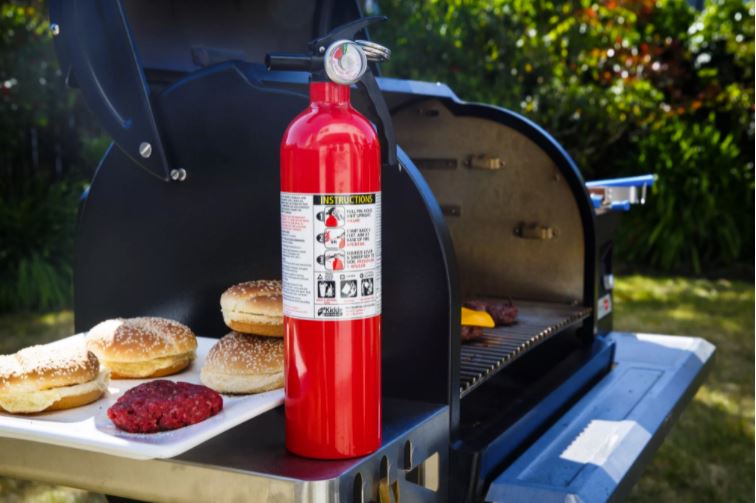
Be ready before a fire ever starts.
Store a Fire Extinguisher Nearby
Keep a Class B or ABC extinguisher within 10 feet of your grill. Check the pressure gauge monthly and replace expired units.
Stock Baking Soda and Salt
Keep a large box of baking soda and a container of coarse salt at your grilling station. Label them clearly so they’re easy to grab.
Have the Right Tools Ready
Long-handled tongs, a metal lid, and heat-resistant gloves should always be accessible. Avoid plastic or rubber tools that can melt.
Inspect Fuel Lines Regularly
Check propane hoses and connections for cracks, leaks, or wear. Apply soapy water to joints; bubbles mean a leak.
Frequently Asked Questions About Grill Fires
Can you use water to put out a grease fire on a grill?
No. Water sinks beneath burning grease and instantly vaporizes into steam, expanding about 1,600 times. This causes burning oil to spray outward, spreading fire and causing severe burns. Always use a lid, baking soda, or a Class B fire extinguisher instead.
What is the fastest way to stop a grill fire?
Close the grill lid immediately to cut off oxygen. On charcoal grills, also seal the top and bottom vents completely. Wait at least 3 to 5 minutes without lifting the lid, as opening it reintroduces oxygen and can reignite flames.
When should you call 911 for a grill fire?
Call 911 if flames keep growing after 2 to 3 minutes of suppression, if fire spreads to nearby structures, if you suspect a gas leak, or if you feel unsafe. Any suspected gas fire requires immediate evacuation and emergency services.
Does baking soda really work on grill fires?
Yes, for small, contained grease fires. Baking soda releases carbon dioxide when heated, which displaces oxygen and smothers flames. You need to pour large amounts directly onto the base of the fire for it to be effective.
What type of fire extinguisher is best for a grill?
A Class B extinguisher is designed for flammable liquids and grease. A Class ABC extinguisher offers multi-purpose protection for home use. Avoid aerosol mini extinguishers, as they are often underpowered and unreliable.
How can you prevent grill fires from happening?
Clean grates and drip pans regularly to remove grease buildup, trim excess fat from meats, apply sugary sauces late in cooking, never leave the grill unattended, and keep the grill at least 10 feet from structures and flammable materials.
Key Takeaways for Stopping a Grill Fire Safely
A grill fire can escalate from minor to catastrophic in under a minute. The most effective response is to close the lid and seal vents to cut off oxygen, then use baking soda or a Class B extinguisher if flames persist. Never use water or flour, and never move a burning grill unless it’s about to threaten your home.
Prevention is your strongest defense. Clean your grill after every use, trim fat before cooking, sauce foods late, and keep emergency supplies within arm’s reach. Set up your grill at least 10 feet from structures on a flat, non-flammable surface.
Your next step: Take 10 minutes today to inspect your grilling area. Confirm you have a working Class B or ABC extinguisher, a box of baking soda, and long-handled tools ready. That small preparation could prevent a backyard cookout from becoming a tragedy.