
How to Grill Beef Kabobs: Quick Steps
Nothing beats the sound of sizzling beef kabobs hitting a hot grill. Juicy cubes of steak, colorful peppers, and charred onions threaded on skewers create the kind of meal that turns an ordinary backyard into the best restaurant in town. If you’ve ever ended up with dry, chewy meat or burnt skewers, you know that how to grill beef kabobs the right way takes more than just tossing things on the flame.
This guide breaks down every detail that matters, from picking the right cut of beef to mastering heat zones, so you can grill juicy, flavorful kabobs in under 20 minutes. You’ll learn the science behind marinating, why uniform cuts matter, and how to fix the most common grilling mistakes before they happen.
Pick the Best Beef Cut for Kabobs
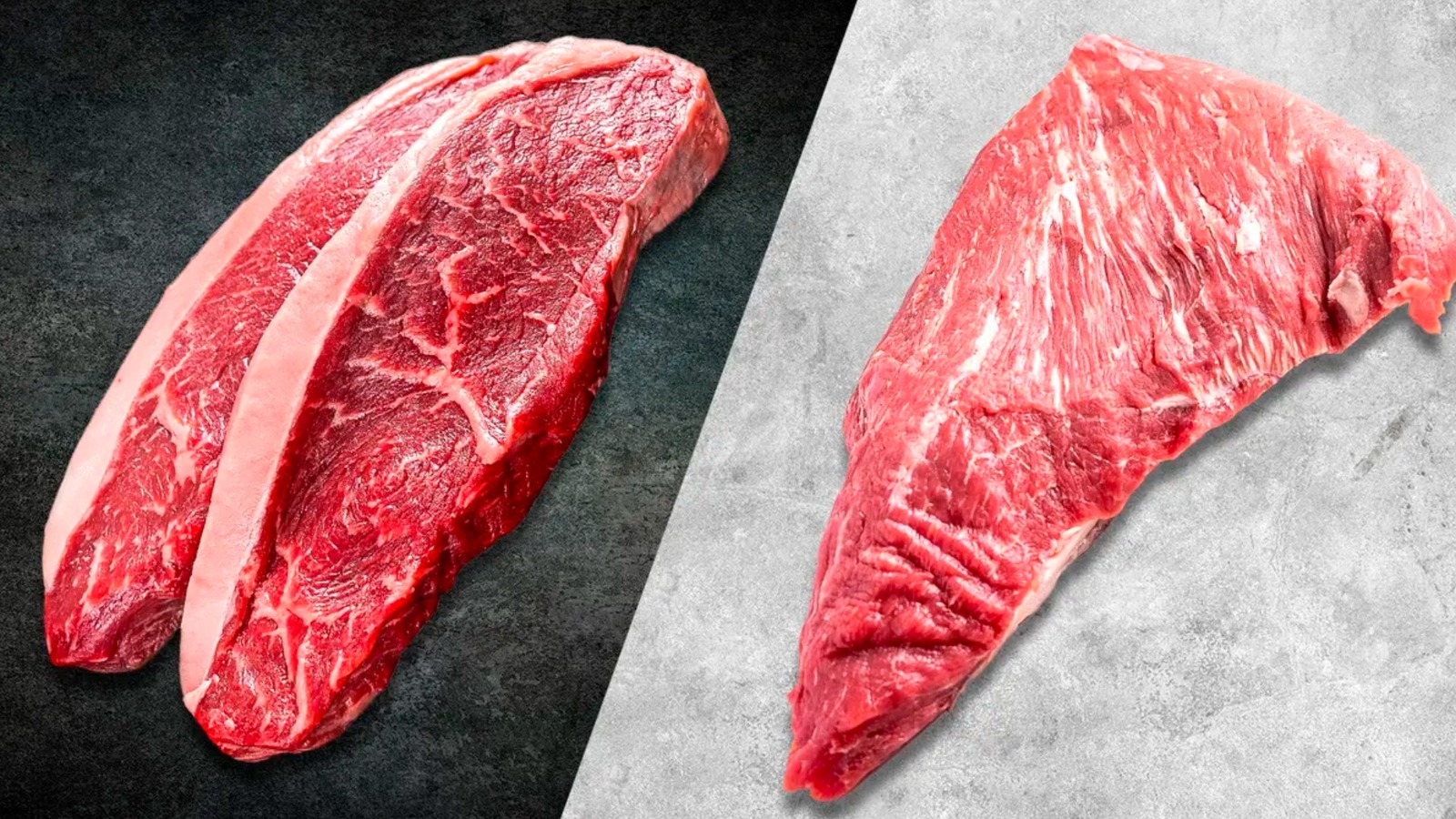
Why Top Sirloin Works Every Time
Top sirloin is the gold standard for beef kabobs. It’s tender, affordable, and has just enough marbling to stay juicy over high heat. Cut it into 1.5-inch cubes, and you get steakhouse-quality results without the steakhouse price.
Cuts to Skip
- Stew meat: Comes from tough chuck sections that need slow braising to break down
- Flank, skirt, or hanger steak: Designed to be sliced thin against the grain, not cubed
- Pre-cut thin steaks: Too small to form proper 1.5-inch cubes
Other Cuts Worth Trying
- Tri-tip: Deep beef flavor with natural juiciness
- Ribeye or strip steak: Rich and tender when you want to splurge
- Sirloin tips or flap meat: Budget-friendly with great texture
- Rump or picanha: Excellent for quick grilling
- New York strip or porterhouse: Cut into cubes for steakhouse flavor
Cut Uniform 1.5-Inch Cubes

Size Affects Everything
Pieces smaller than 1 inch overcook fast and dry out. Pieces larger than 1.5 inches burn on the outside before the center cooks through. The sweet spot is 1 to 1.5 inches for every cube.
Clean Cutting Technique
- Chill the steak in the freezer for 15 to 20 minutes for easier slicing
- Slice the roast into thick slabs first, then cube each slab
- Trim large fat chunks but leave the marbling for moisture
Soak Wooden Skewers the Right Way
Prevent Burning Before It Starts
Bamboo and wooden skewers ignite quickly on a hot grill. Soak them in water for at least 30 minutes before threading. This simple step prevents charring and snapping mid-grill.
Add Flavor While You Soak
Try soaking skewers in red wine, beer, or apple juice for subtle flavor infusion. The liquid absorbs into the wood and releases aroma as the kabobs cook.
Stop Spinning with Double Skewers
Thread kabobs onto two parallel skewers spaced about 1 cm apart. This keeps meat from rotating when you turn it, giving you even browning on all sides.
Choose Vegetables That Match Your Cook Time
Match Sizes for Even Doneness
Vegetables need to cook in the same 8 to 12 minutes as 1.5-inch beef cubes. Cut every piece to match the meat exactly so nothing is raw while the rest burns.
Best Vegetable Options
- Bell peppers (red, yellow, orange): Sweet color and flavor
- Red onions: Mild when grilled and hold their shape
- Cremini or button mushrooms: Meaty texture that absorbs marinade
- Cherry tomatoes: Burst with acidity; add them late so they don’t overcook
- Zucchini or yellow squash: Cut into thick rounds
- Pineapple chunks: Natural sweetness and tenderizing enzymes
Par-Cook Dense Vegetables
Potatoes, carrots, and sweet potatoes take longer than beef. Boil or microwave them for 3 to 5 minutes before threading so they finish at the same time as the meat.
Marinate for Maximum Flavor
Timing Matters
- Minimum: 30 minutes for basic flavor
- Optimal: Several hours to overnight
- Maximum with acidic marinades: 6 hours (vinegar or whiskey can make meat mushy if left too long)
Always refrigerate kabobs while marinating. Never leave raw meat at room temperature for more than 2 hours.
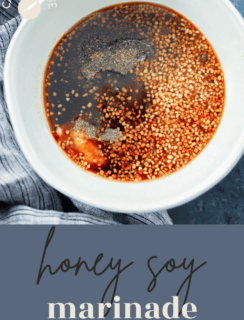
Classic Soy-Garlic-Honey Marinade
This savory-sweet blend tenderizes and adds umami depth:
– 1/3 cup olive oil
– 1/3 cup soy sauce
– 3 tbsp red wine vinegar
– 1/4 cup honey or brown sugar
– 2 cloves garlic, minced
– 1 tbsp fresh ginger, grated
– Black pepper to taste
Pro Tip: Swap red wine vinegar for balsamic or apple cider vinegar for a flavor twist.
Simple Lemon-Oil Soy Marinade
Bright and clean for lighter kabobs:
– 1/3 cup soy sauce
– 1/2 cup olive oil
– 1/3 cup fresh lemon juice
Marinate 15 minutes to overnight.
Whiskey-Cola Glaze Option
Smoky and sweet with tenderizing power:
– 1/3 cup olive oil
– 1/3 cup soy sauce
– 1/3 cup whiskey
– Cola (for glaze reduction)
– Salt, pepper, dried basil
Marinate 2 to 6 hours. Simmer leftover marinade with cola to make a glossy finishing glaze.
Assemble Skewers with the Right Technique
Alternate for Balanced Bites
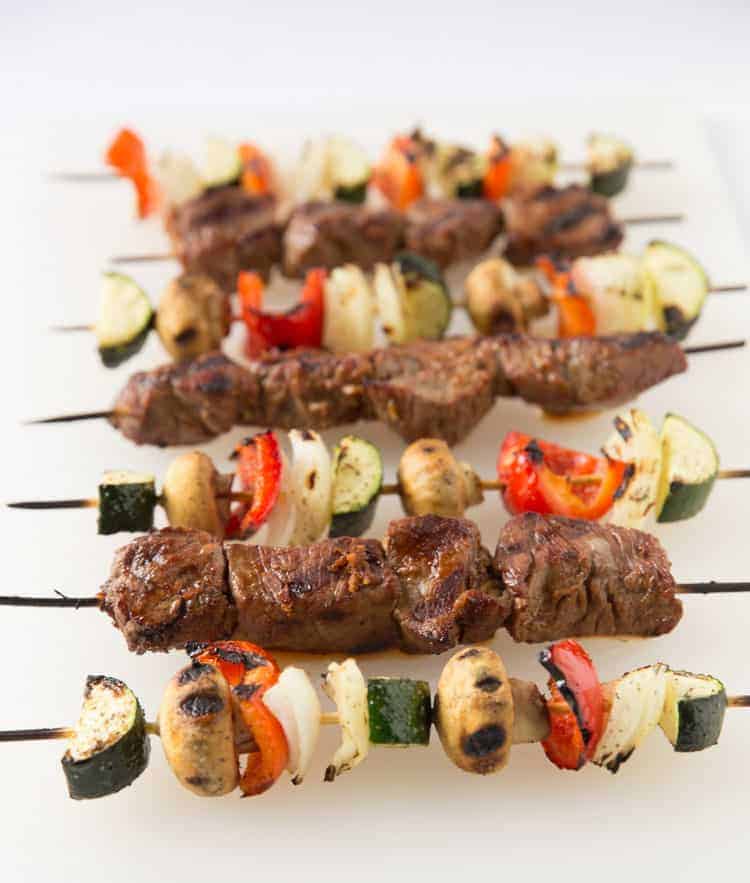
A common pattern is beef, pepper, onion, mushroom, repeat. Aim for two pieces of vegetables between each piece of beef to stretch the meat and boost veggie intake.
Protect the Ends
Always start and end with a piece of steak. This shields vegetable tips from burning and ensures the meat gets direct heat exposure.
Leave Breathing Room
Keep about 1/4 inch (0.6 cm) of space between pieces. Tight packing traps steam, which leads to soggy centers and uneven cooking. Spacing lets heat circulate for a better sear.
Preheat and Oil Your Grill
Target Medium-High Heat
Aim for 375°F to 450°F (190°C to 230°C). Use the hand test: hold your palm 6 inches above the grate. If you pull away after 5 seconds, the heat is right.
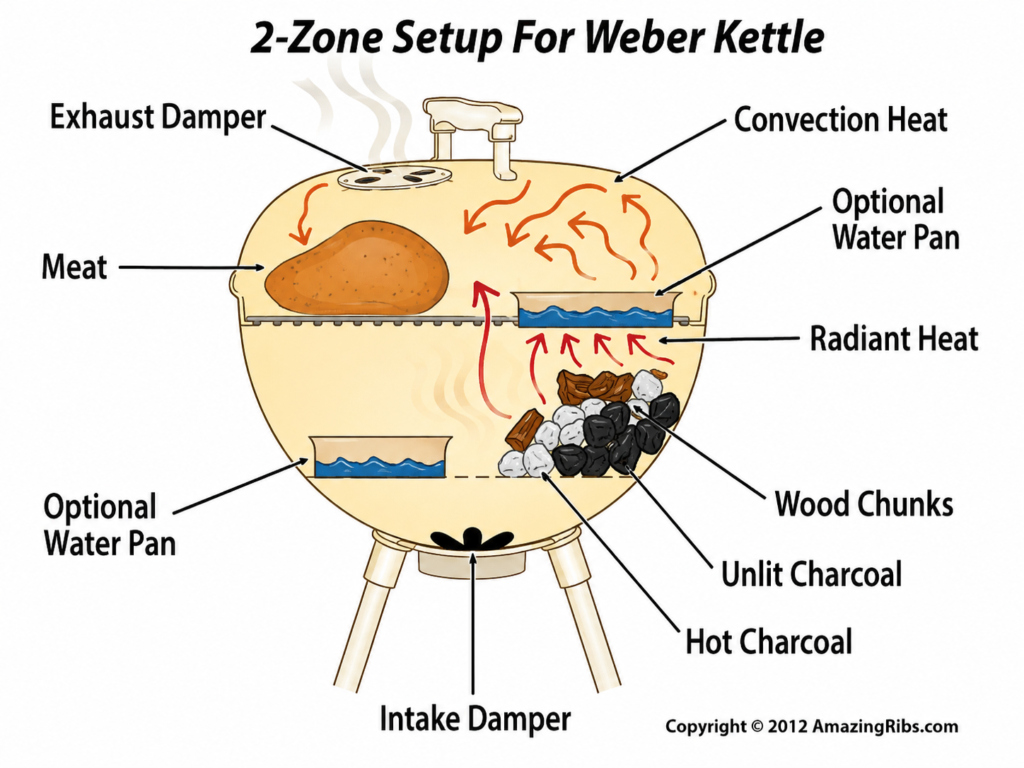
Set Up Two Zones
Whether you use gas or charcoal, create two heat zones:
– Direct heat zone for searing
– Indirect zone for finishing without burning
This setup gives you control when flare-ups happen or skewers start to char.
Clean and Oil the Grates
- Scrub grates with a wire brush
- Dip a folded paper towel in oil, grip with tongs, and rub across grates
- This prevents sticking and creates clean grill marks
Grill with the Lid Open, Then Closed

Sear First with Lid Open
Place kabobs over direct heat, perpendicular to the grates so nothing falls through. Grill 2 to 3 minutes per side with the lid open to build a deep sear and grill marks.
Close the Lid to Finish
After searing all four sides, close the lid to trap heat and cook the interior evenly. Total cook time should be 8 to 12 minutes for 1.5-inch cubes.
Move to Indirect Heat If Needed
If flare-ups erupt or skewers start to burn, slide kabobs to the cooler side of the grill to finish safely.
Turn Every 1.5 to 2 Minutes
Rotate kabobs every 1.5 to 2 minutes to brown all four sides evenly. Grip the skewer ends with tongs instead of piercing the meat. Every poke lets juices escape.
Check Internal Temperature for Perfect Doneness
Use a Meat Thermometer
Guessing leads to overcooked kabobs. Insert an instant-read thermometer into the center of a beef cube for an accurate read.
Target Temperatures
- Medium Rare: 135°F (remove at 130°F)
- Medium: 145°F, USDA safe (remove at 140°F)
- Medium Well: 150°F to 155°F
- Well Done: 160°F and above
Carryover cooking will raise the temperature 5 to 10°F while the meat rests.
Let Kabobs Rest Before Serving
Transfer cooked kabobs to a plate and cover loosely with foil. Let them rest for 3 to 5 minutes. This allows juices to reabsorb into the meat fibers. Cutting too soon drains moisture and leaves you with dry bites.
Glaze at the End for a Glossy Finish
If using a sugary glaze like whiskey-cola or honey-based, brush it on during the last 60 seconds of cooking. Sugar burns fast, so adding it too early causes charring instead of caramelization.
Serve with Classic Sides
Hearty Pairings
- Potato salad or macaroni salad
- Grilled corn on the cob
- Rice pilaf or flatbread
- Simple green salad with vinaigrette
Dipping Sauces
- Pink Sauce: Mayo, ketchup, garlic, dash of hot sauce
- Lemon Yogurt Sauce: Greek yogurt, lemon juice, dill, salt
- Pineapple-Brown Sugar Dip: Reduced pineapple juice, soy sauce, vinegar, cornstarch
Store and Reheat Without Losing Texture
Refrigerate Within 2 Hours
Store leftovers in an airtight container for 3 to 4 days. Remove meat and veggies from skewers to save space and cool evenly.
Reheat in a Skillet
- Heat 1 tbsp oil or butter in a pan over medium heat
- Warm kabob pieces for 4 to 5 minutes, turning once
- This restores crispness better than microwaving
Freezing Tips
- Beef only: Freeze up to 2 months after removing from skewers
- Avoid freezing grilled vegetables: They turn mushy when thawed
Troubleshoot the Most Common Kabob Problems
Burnt Skewers
Unsoaked bamboo skewers ignite fast. Soak them for 30 minutes or more, or switch to flat metal skewers.
Tough or Chewy Meat
Stew meat or overcooked sirloin turns rubbery. Stick to tender cuts and pull kabobs off the grill at 140°F for medium.
Dry Kabobs
Overcooking or cutting pieces too small causes dryness. Use 1.5-inch cubes and include oil in your marinade.
Uneven Cooking
Irregular sizes mean some pieces burn while others stay raw. Cut everything to the same dimensions.
Spinning Skewers
Round bamboo skewers let meat rotate when you turn them. Use double skewers or flat metal ones instead.
Sticking to the Grill
Oily grates or flipping too soon causes sticking. Oil grates well and wait 2 to 3 minutes for a sear to form before turning.
Raw Veggies with Cooked Meat
Dense vegetables like potatoes or carrots need a head start. Par-cook them before threading.
Make-Ahead Tips for Stress-Free Grilling
- Marinade: Make 1 to 2 days in advance
- Meat: Marinate up to 24 hours, but avoid more than 6 hours with acidic marinades
- Skewers: Assemble and refrigerate up to 8 hours before grilling
Final Pro Tips for Better Kabobs
- Use flat metal skewers for no-spin grilling and easy turning
- Pat meat dry before marinating for better searing
- Never reuse marinade that touched raw meat unless you boil it first
- Grill pineapple for natural sweetness and tenderizing enzymes
- For keto diets, skip sugar and high-carb fruits; use olive oil, garlic, and herbs
- For low-sodium options, swap soy sauce for tamari or coconut aminos
Frequently Asked Questions About Grilling Beef Kabobs
What Is the Best Cut of Beef for Kabobs?
Top sirloin is the most popular choice because it’s tender, affordable, and widely available. Tri-tip, ribeye, strip steak, and sirloin tips also work well. Avoid stew meat or any cut meant for slow cooking.
How Long Should You Marinate Beef Kabobs?
Marinate for at least 30 minutes for basic flavor. For deeper taste, marinate up to 24 hours. If your marinade contains vinegar, citrus, or whiskey, do not exceed 6 hours or the meat can turn mushy.
How Do You Keep Beef Kabobs from Drying Out?
Cut cubes to 1.5 inches, include oil in your marinade, and pull kabobs off the grill 5°F below your target temperature. Resting for 3 to 5 minutes before serving also locks in moisture.
Should You Soak Wooden Skewers?
Yes. Soak bamboo or wooden skewers in water for 30 to 60 minutes before grilling. This prevents them from burning or snapping on the grill. For extra flavor, soak them in wine, beer, or juice.
What Internal Temperature Should Beef Kabobs Reach?
For medium doneness, remove kabobs at 140°F. Carryover cooking will bring them to 145°F, which is the USDA safe temperature. For medium rare, remove at 130°F and let them rise to 135°F while resting.
Can You Prepare Kabobs Ahead of Time?
Yes. You can marinate the meat up to 24 hours in advance and assemble skewers up to 8 hours ahead. Keep them refrigerated until you’re ready to grill.
Key Takeaways for Grilling Beef Kabobs Like a Pro
Perfect beef kabobs come down to four things: the right cut, uniform size, proper marinating, and smart heat control. Choose top sirloin or another tender cut, cube everything to 1.5 inches, marinate for flavor without going overboard on acidic ingredients, and use two-zone grilling to manage flare-ups.
Your next step is simple. Pick your cut, mix a marinade, and fire up the grill tonight. Once you nail the basics, you can experiment with different vegetables, glazes, and spice rubs to create your signature kabob.