How to Clean Grill Grates
Nothing ruins a perfect barbecue faster than sticky, charred grates or the metallic taste of rust. If you’ve ever struggled with baked-on grease, stubborn residue, or wondered whether that blackened layer is seasoning or sabotage, you’re not alone. Cleaning grill grates properly isn’t just about appearance; it’s essential for food safety, flavor control, and extending your grill’s life.
Most people wait until grime builds up over seasons, turning a simple task into a 3-hour scrubbing marathon. But the truth? The best time to clean is right after cooking while grates are still warm. With the right tools and method for your grate type (stainless steel, cast iron, porcelain, or aluminum), you can cut cleaning time in half and prevent flare-ups, rust, and off-flavors.
In this guide, you’ll learn:
– The fastest routine cleaning tricks (including the onion hack)
– Deep-cleaning methods that actually work, no elbow grease needed
– How to remove rust safely and re-season cast iron
– What cleaners to never use on aluminum or enamel
– Step-by-step routines tailored to your grill type
Let’s turn that crusty mess into a non-stick grilling surface.
Clean Grates While Hot (Routine Method)

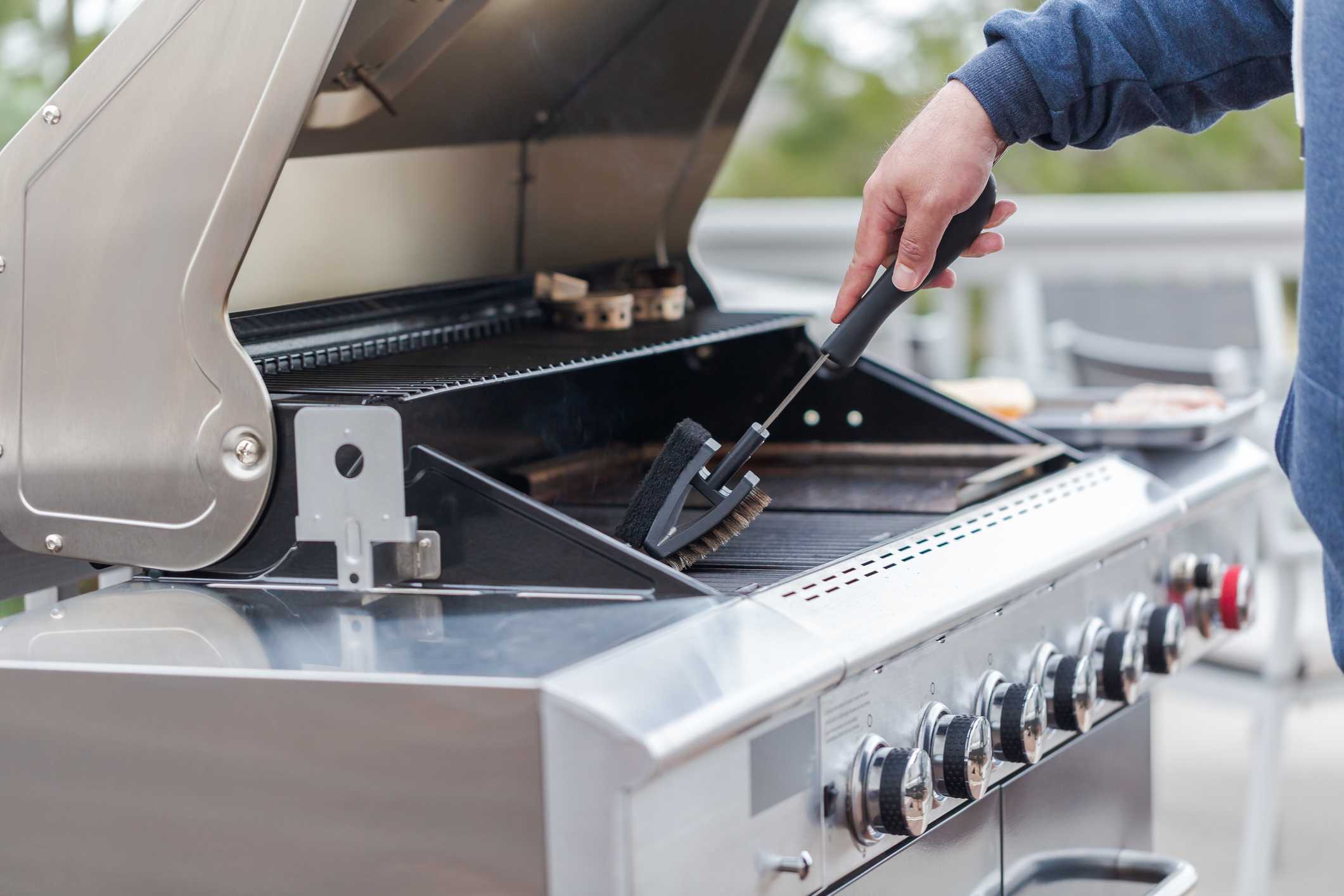
The easiest way to keep grates in top shape is to clean them after every cook, while still warm. High heat loosens food particles, making them far easier to remove.
Scrape Right After Cooking
- Turn off the heat and let the grill cool slightly, just enough so you won’t burn yourself (around 300–400°F).
- Use a stiff-bristled grill brush or crumpled aluminum foil ball held with tongs to scrub both sides of the grates.
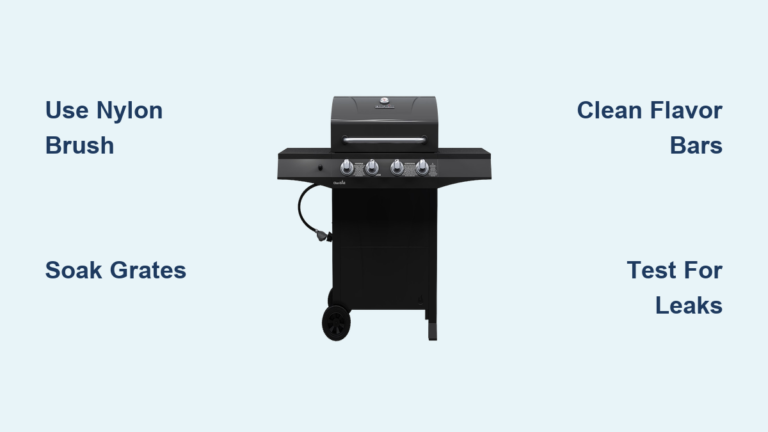
- For stainless steel or cast iron, a wire brush works well. For porcelain, use a nylon brush only, since metal will scratch.
💡 Pro Tip: If you see bristles shedding from your brush, replace it immediately. Ingesting wire bristles is a real health risk.
Try the Onion Trick for Light Cleaning
Want a natural, light clean with a seasoning boost?
- Cut an onion in half.
- Spear it with a fork or tongs.
- Rub the cut side across hot grates.
The onion’s natural acids help dissolve light residue while leaving behind a subtle seasoning layer. It won’t replace deep cleaning, but it’s great for maintenance.
⏱️ Time Required: 5 minutes
🔥 Best For: Post-cook routine on all grate types except porcelain (use with caution)
Use Baking Soda Paste (Deep Clean)
When scraping isn’t enough, baking soda offers a safe, non-toxic deep clean that works on most grate materials.
Make the Basic Baking Soda Paste
Mix:
– 1.5 cups baking soda
– ½ cup water
Stir into a thick paste that sticks to vertical surfaces.
Apply and Scrub
- Let grates cool completely.
- Spread paste evenly using a sponge or brush.
- Wait 10–15 minutes (up to 30 for cast iron with rust).
- Scrub with:
– Stainless steel: Aluminum foil ball or steel wool
– Cast iron: Soft brush or cloth (avoid abrasives)
– Porcelain: Nylon sponge only - Rinse thoroughly and dry completely.
For Rusty Cast Iron: Boost the Paste
Use this enhanced formula:
– 1.5 cups baking soda
– ¼ cup dish soap
– ¼ cup white vinegar
The mixture will foam; apply quickly and let sit 15–30 minutes to break down rust. Scrub gently, rinse, dry, then re-season immediately.
✅ Why It Works: Baking soda is mildly abrasive and alkaline, breaking down grease without damaging metal.
Soak Grates Overnight (Heavy Buildup)

For grates caked with years of grease, soaking softens residue so you don’t have to scrape endlessly.
Soak in Soapy Water
- Fill a tub with hot water and dish soap (Dawn works well).
- Submerge cooled grates.
- Soak 8+ hours (overnight is best).
- Scrub with a brush or sponge.
- Rinse and dry immediately, especially for cast iron.
🔧 Speed Up Cleaning: After soaking, use a pressure washer or garden hose with a nozzle to blast off loosened gunk.
Try Baking Soda + Vinegar Soak
Mix in a large container:
– 1 cup white vinegar
– 1 cup baking soda
It will fizz; add grates and soak overnight. This combo lifts stubborn carbon and neutralizes odors.
🚫 Avoid: Bleach or ammonia unless using the sealed bag method (see below). They’re toxic and can damage metals.
Use Chemical Soaks (Extreme Cases)
When nothing else works, chemical treatments dissolve the toughest carbon buildup, but use with caution.
Oven Cleaner Soak (Stainless Steel Only)
- Spray grates with Easy-Off or similar oven cleaner.
- Place in a heavy-duty plastic bag (Hefty Works bag recommended).
- Seal and wait 2.5 to 12 hours.
- Remove and scrub with a brush.
- Rinse extremely well, multiple times, to remove toxic residue.
⚠️ Never use on aluminum (like GrillGrates). It causes pitting and corrosion.
Ammonia Bag Method (Last Resort)
For stainless steel only; do this outdoors.
- Place grates in a sealed plastic bag.
- Add 1 cup ammonia.
- Leave in sunlight overnight (heat boosts effectiveness).
- Remove, rinse thoroughly, and dry.
🔥 Why It Works: Ammonia dissolves carbonized grease that brushing can’t touch.
🚫 Danger: Fumes are toxic. Never mix with bleach. Keep away from children and pets.
Power Clean with Drill or Pressure Washer
Save time and effort by using tools that do the scrubbing for you.
Wire Cup Brush on Drill
- Attach a wire cup brush to a cordless drill.
- Hold grate securely (use gloves and eye protection).
- Run the drill over surface; under 5 minutes removes years of buildup.
📌 Best For: Stainless steel and cast iron. Avoid on porcelain or aluminum, as it strips coatings.
Pressure Wash After Soaking
After any soak:
– Use a pressure washer or high-pressure nozzle.
– Hold 6–12 inches from grates.
– Blast until clean.
This step cuts scrubbing time by 80% and reaches tight crevices.
Clean by Grate Type (Material-Specific Tips)

Using the wrong tool can ruin your grates. Always match method to material.
Stainless Steel Grates
✅ Can Handle: Metal brushes, foil balls, steel wool, oven cleaner, ammonia
⚠️ Risk: Over-cleaning causes “rainbow shine” and surface rust
Best Routine:
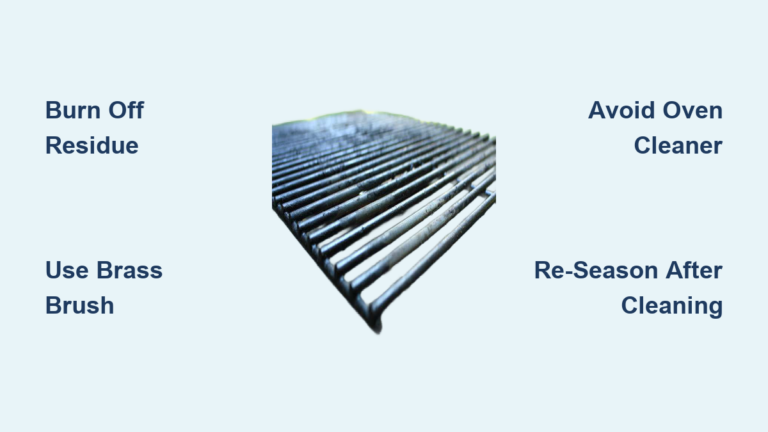
– Burn off residue at 500°F
– Scrub with wire brush
– For deep clean: Oven cleaner soak or baking soda paste
Cast Iron Grates
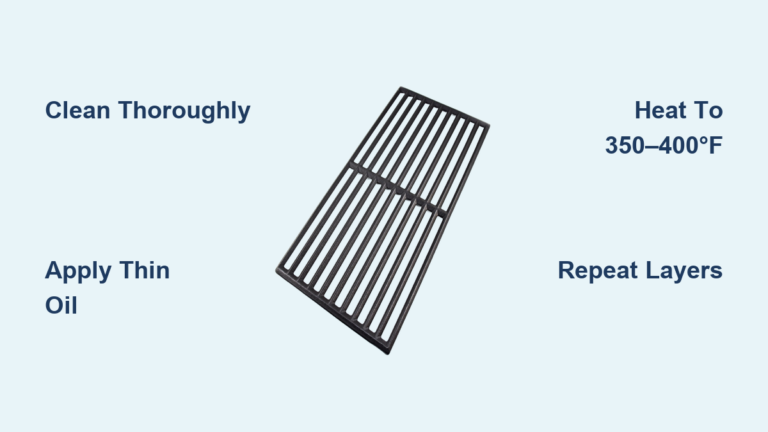
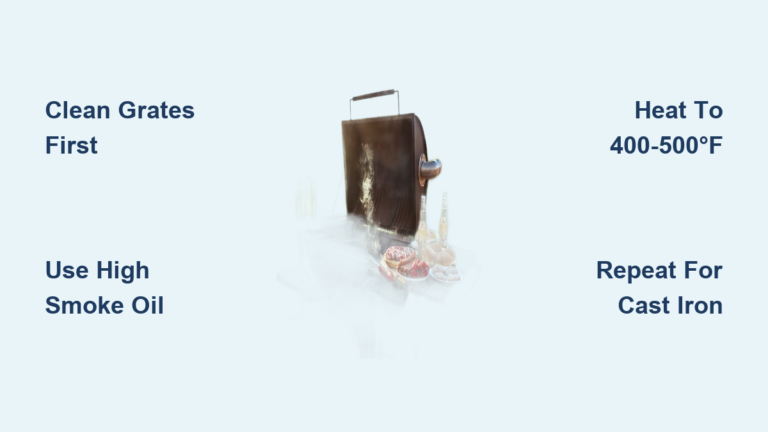
🔥 Must Re-Season After Every Deep Clean
- Clean with baking soda paste or light scrub
- Dry immediately and completely
- Coat with vegetable oil
- Heat on grill at high for 10–15 minutes
🧠 User Insight: A blackened, seasoned surface is better than shiny. “Black on black is easier.”
Porcelain/Enamel Coated Grates
🚫 Never Use: Metal brushes, steel wool, foil, wire wheels
✅ Use Only: Nylon brush, non-scratch sponge
Best Method:
– Baking soda paste + nylon scrubber
– Light scrub while warm
– Avoid soaking, as it can loosen coating over time
Aluminum Grates (GrillGrates Brand)
🚫 Critical Rules:
– Max temp: 850°F (higher warps or melts)
– No oven cleaner, bleach, or harsh chemicals
– Never put in dishwasher
– No auto-clean oven function
✅ Safe Cleaning:
– Warm slightly, clean rails with Valley Brush
– For deep clean: Soak in Simple Green or dish soap
– Scrub with Brillo pad or sponge
– Black seasoning is normal; don’t try to make them shiny
Remove Rust Safely

Light rust is fixable. Heavy flaking means replacement.
Step-by-Step Rust Removal
- Scrub: Use steel wool or wire brush to remove loose rust.
- Apply Paste: Use baking soda + vinegar + dish soap mix.
- Wait 15–30 minutes, then scrub again.
- Rinse and Dry: Towel dry immediately.
- Oil and Heat: Coat with oil, heat on high 10–15 minutes to re-season.
⚠️ When to Replace:
– Grates are breaking or pitted
– Porcelain coating is chipped
– Rust flakes into food
Clean Inside the Grill Too
Grime isn’t just on grates. Flavorizer bars and drip trays trap old grease and cause flavor transfer.
Clean Flavorizer Bars
- Remove and scrape off debris.
- Spray with vinegar + baking soda mix (2:1 ratio).
- Let sit 15–20 minutes.
- Scrub and rinse.
💡 Tip: Clean after cooking fish to avoid fish-flavored burgers later.
Avoid Common Mistakes
Even experienced grillers make these errors; don’t lose time or damage equipment.
Over-Cleaning Stainless Steel
Stripping all carbon leads to:
– Rainbow-colored sheen
– Surface rust
– Sticky food
✅ Fix: Stop deep cleaning. Just burn off and scrape. Re-oil lightly.
Skipping Re-Seasoning (Cast Iron)
Washing without oiling = rust within hours.
✅ Always: Dry, oil, heat after cleaning.
Using Harsh Cleaners on Aluminum
Oven cleaner or caustic sprays pit aluminum and void warranties.
✅ Use only: Mild degreasers like Simple Green.
Ignoring Brush Safety
Wire brushes shed bristles that can end up in food.
✅ Safer Alternatives:
– Coil brushes (no loose bristles)
– Aluminum foil balls
– Nylon brushes
Maintain a Clean Grill Long-Term
Prevention beats deep cleaning every time.
Quick Maintenance Routine
After every cook:
1. Heat grill 5–10 minutes
2. Scrub with appropriate brush
3. Turn off, close lid
Seasonal Deep Clean
Every 3–6 months:
– Remove grates
– Soak or use chemical method
– Clean flavorizer bars
– Re-season cast iron
Store Properly
- Cover grill when not in use
- Keep dry to prevent rust
- Store grates indoors if possible during winter
Frequently Asked Questions About Cleaning Grill Grates
What is the fastest way to clean grill grates?
The fastest method is scraping while the grates are still hot after cooking. Heat loosens food particles, allowing a stiff brush or aluminum foil ball to remove debris in minutes. For heavy buildup, a wire cup brush on a drill can strip years of residue in under 5 minutes.
Can I use oven cleaner on grill grates?
Oven cleaner works on stainless steel grates when used in a sealed bag for 2.5–12 hours, followed by thorough rinsing. However, never use oven cleaner on aluminum, porcelain, or enamel grates, as it causes pitting, corrosion, and permanent coating damage.
How do I remove rust from cast iron grill grates?
Make a paste using 1.5 cups baking soda, ¼ cup dish soap, and ¼ cup white vinegar. Apply to cool grates, let sit 15–30 minutes, then scrub with steel wool or a wire brush. Rinse, dry immediately, coat with vegetable oil, and heat on high for 10–15 minutes to re-season.
Is it safe to grill on rusted grates?
Light surface rust is manageable, but heavy flaking rust is unsafe. If rust particles transfer into food or the grates show deep pitting, replace them immediately. Always remove visible rust and re-season before continued use.
What should I never use on porcelain grill grates?
Never use metal brushes, steel wool, aluminum foil balls, or wire wheels on porcelain grates. These tools scratch and chip the enamel coating. Use only nylon brushes or non-abrasive sponges with baking soda paste for safe cleaning.
How often should I deep clean my grill grates?
Deep clean your grill grates every 3–6 months, or sooner if you cook with sugary marinades and sauces frequently. Routine brushing after each cook prevents heavy buildup and reduces the need for intensive chemical treatments.
Key Takeaways for Cleaning Grill Grates Like a Pro
The best grill grates aren’t spotless; they’re well-seasoned and functional. Match your cleaning method to your grate material: stainless steel handles tough tools and chemicals, cast iron needs gentle cleaning plus immediate re-seasoning, porcelain requires only nylon tools, and aluminum demands mild degreasers at temperatures below 850°F.
Clean while warm for routine maintenance, and reserve deep soaks and chemical treatments for seasonal heavy buildup. Avoid bleach, ammonia fumes indoors, and wire brushes with loose bristles. With the right approach, you’ll spend less time scrubbing and more time grilling perfect, flavorful meals.
Your next step: Pick one method from this guide based on your grate type and try it after your next cook. A 5-minute post-cook scrub now will save you hours of deep cleaning later.