How to Use a Traeger Grill
You just unboxed your Traeger grill, but flipping it on and throwing steaks on the grates won’t unlock its full potential. Unlike traditional grills, a Traeger isn’t about fire mastery or constant tending. It’s about precision, smoke, and consistency. Understanding how to use a Traeger grill properly transforms it from a fancy smoker into an outdoor convection oven capable of smoking brisket, baking cookies, and reverse-searing steaks, all with minimal effort.
The key lies in embracing its automated system: hardwood pellets feed into a fire pot, a digital controller manages temperature, and smoke circulates evenly. But skipping steps like seasoning, misusing wood pellets, or opening the lid too often can ruin results. This guide walks you through every phase, from startup to cooking to maintenance, with actionable steps so you get perfect, repeatable outcomes every time.
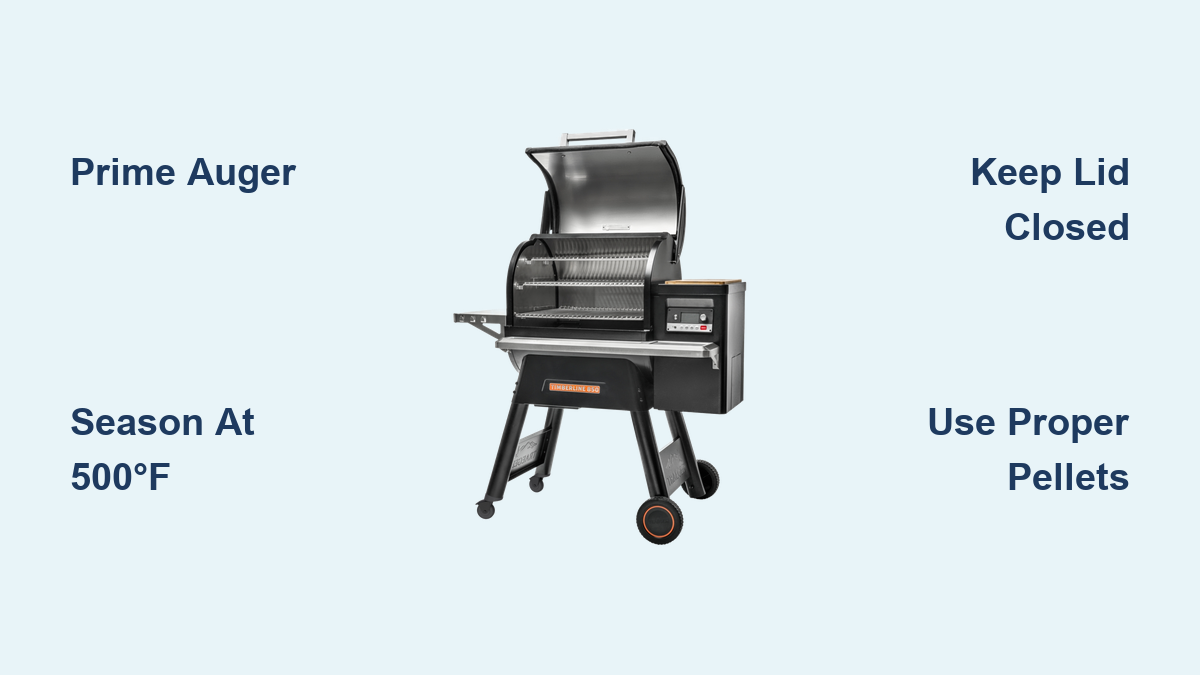
Prime the Auger Before First Use

Before your first cook, you must prime the auger to ensure pellets flow smoothly from the hopper to the fire pot. Skipping this risks ignition failure.
Remove Components for Access
Take out the grill grates, drip tray, and heat baffle. This exposes the fire pot and lets you verify pellets reach the ignition zone. Keep these parts nearby since you’ll reinstall them shortly.
Start the Priming Cycle
Turn the power switch to “ON” and wait for the display to show “Idle.” Then press and hold UP and IGNITE until “PRI” appears. The auger will run automatically, feeding pellets toward the hot rod. Let it run for about 2 minutes or until pellets begin dropping into the fire pot.
Stop and Reassemble
Press UP and IGNITE again to stop priming. Now reinstall the heat baffle, drip tray, and grates in that order. This setup ensures proper heat distribution and grease management during seasoning.
Season the Grill at 500°F

Seasoning burns off manufacturing oils, protects internal components, and prepares the grill for safe cooking.
Set Temperature to 500°F
With the lid closed, set the dial to 500°F and press “IGNITE.” The fan kicks on, the hot rod ignites the pellets, and the fire builds.
Run for 30 Minutes
Let the grill run at full heat for 30 minutes with no food inside. You’ll see smoke at first, which is normal as residues burn off. Afterward, the smoke should clear and the interior will develop a protective layer.
Warning: If the hopper ever runs completely empty, repeat this entire process. An empty auger tube can cause startup issues.
Follow the Standard Startup Routine
Once seasoned, use this closed-lid method for all future cooks. It’s faster, safer, and more reliable.
Fill Hopper With Dry Pellets
Use high-quality hardwood pellets. Pour them directly into the hopper, leaving at least 1 inch from the top to prevent moisture buildup. Never use wet or cracked pellets, as they jam the auger.
Power On With Lid Closed
Plug in the grill, turn the power switch to “ON,” and keep the lid closed. Open-lid startups are outdated and increase fire risk.
Select Temp and Ignite
Choose your desired cooking temperature using the control dial. Then press “IGNITE.” The display will show “IGN” as the startup sequence begins.
Wait 10–15 Minutes to Preheat
Allow the grill to stabilize. Most models reach target temp in 10–15 minutes. Use this time to prep food and check that the grease bucket is securely in place.
Choose the Right Wood Pellets
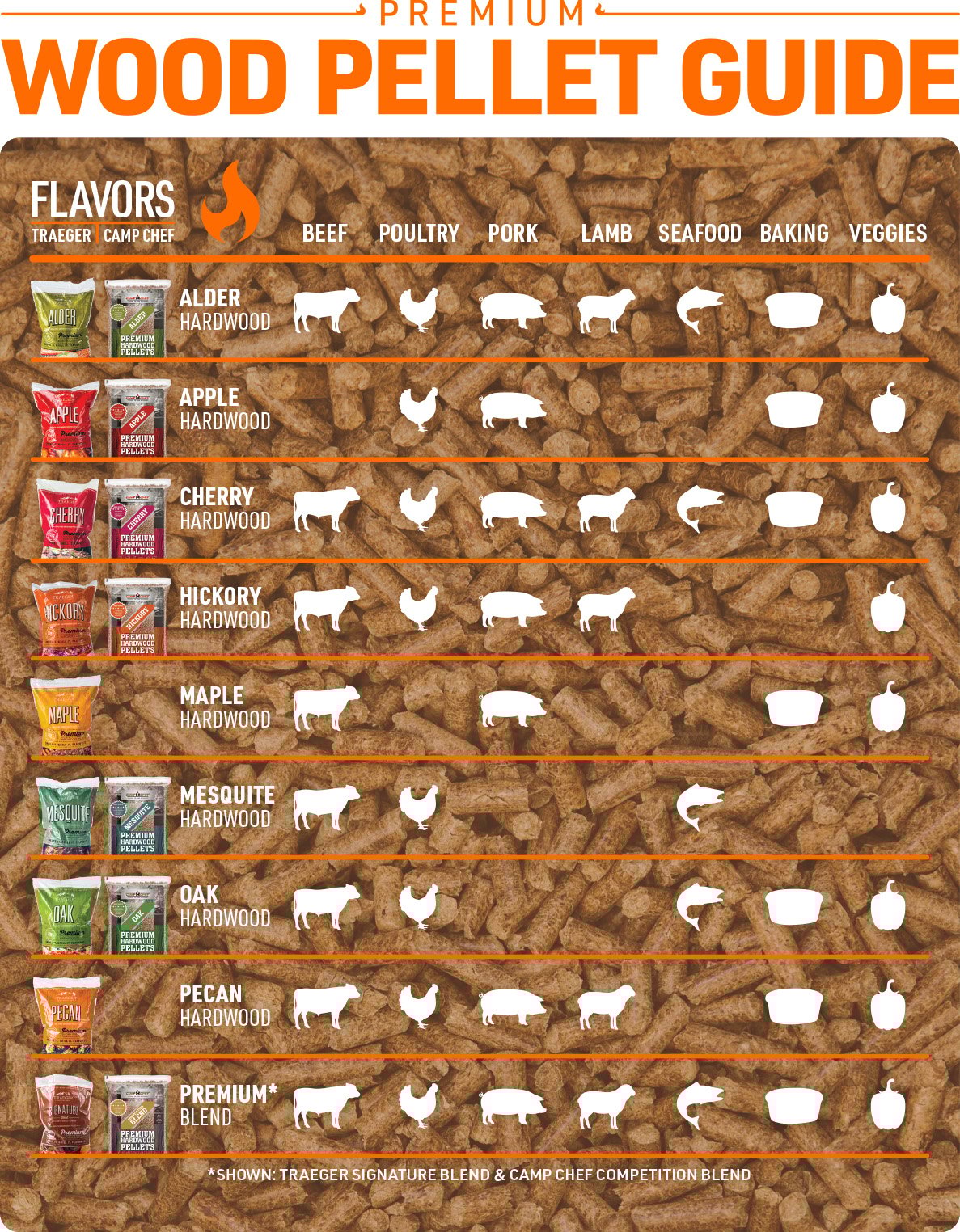
Your pellet choice directly impacts flavor. Not all woods work the same, and quality matters.
Match Wood to Protein
| Pellet Type | Best For | Flavor Strength |
|---|---|---|
| Hickory | Beef, pork | Bold |
| Apple | Chicken, fish | Mild & sweet |
| Cherry | Ribs, turkey | Fruity & rich |
| Mesquite | Brisket, game | Intense |
| Pecan | Poultry, veggies | Nutty & subtle |
| Signature Blend | All-purpose | Balanced |
Use Hickory or Mesquite for deep smoke flavor. Choose Apple or Cherry for delicate dishes.
Store Pellets Properly
Keep pellets in a sealed container or original bag inside a dry garage or shed. Moisture causes swelling and auger clogs. Always cover the hopper when not in use.
Can You Use Non-Traeger Pellets?
Yes, many third-party brands work well. But avoid cheap pellets with dust, fines, or inconsistent sizing. Poor quality leads to poor combustion and temperature swings.
Master the Cooking Process
Treat your Traeger like an oven, not a flame grill. Success comes from patience and lid discipline.
Keep the Lid Closed
Every time you open the lid, you lose heat and smoke. This extends cook time and weakens flavor. Trust the digital controller since it’s designed to manage everything.
Pro Tip: Use a leave-in probe thermometer (like MEATER or WiFIRE) to monitor internal meat temp without opening the lid.
Use Super Smoke Mode Wisely
On compatible models, enable Super Smoke at startup when cooking below 225°F. It boosts smoke output for the first hour, enhancing flavor. Turn it off after that to prevent over-smoking.
Smoke Large Cuts at 225°F
For brisket, pork butt, or ribs:
– Set temp to 225°F
– Place meat directly on grates
– Cook until internal temp reaches 195–205°F for pull-apart tenderness
– Plan for 1.5 hours per pound
Wrap in foil or butcher paper at 160°F internal temp to speed up cooking and retain moisture.
Reverse Sear Steaks for Perfect Crust

Traegers don’t sear like gas grills, but you can still get a restaurant-quality crust.
Smoke First at 225°F
Place steaks on the grill and smoke until internal temp reaches 110–115°F, which takes about 45 minutes for a 1.5-inch thick ribeye.
Crank Heat to 500°F
Increase the temperature to 500°F and let the grill reheat fully. This takes 10–15 minutes.
Sear Until Done
Return steaks to the grill. Sear for 2–3 minutes per side until the crust forms and internal temp hits your target:
– 125°F for rare
– 135°F for medium-rare
– 145°F for medium
Let rest 5–10 minutes before slicing.
Bake and Roast Like an Oven

Yes, you can bake cookies, roast veggies, and even cook pizza on a Traeger.
Bake Desserts at 350°F
Set temp to 350°F, place a baking sheet on the grates, and bake as you would indoors. Try:
– Chocolate chip cookies (9–11 minutes)
– Banana bread (50–60 minutes)
– Pizza (12–15 minutes at 450°F)
The wood smoke adds a subtle depth, especially with pecan or apple pellets.
Roast Veggies and Poultry
Toss vegetables in oil, season, and roast at 375°F for 25–35 minutes. For whole chicken:
– Smoke at 275°F until 165°F internal
– Finish at 450°F for crispy skin
Clean After Every Use
A clean Traeger performs better and lasts longer. Follow this schedule.
Brush Grates While Warm
After cooking, while the grill is still hot:
– Use a brass-bristle brush to scrub grates
– Remove stuck-on food and grease
– Avoid steel brushes since they damage porcelain coating
Empty Drip Tray and Baffle
Remove the drip tray and heat baffle. Scrape off grease and ash buildup. Replace foil liners if used.
Pro Tip: Line the drip tray and grease bucket with heavy-duty foil for mess-free cleanup.
Deep Clean Every Few Months
Prevent buildup that affects performance and creates fire hazards.
Vacuum the Firepot Monthly
Once the grill is completely cool, use a shop vac to remove ash from:
– Fire pot
– Bottom of the barrel
– Around the auger outlet
Ash blocks airflow and can cause ignition failures.
Clean Grease Drain and Bucket
Remove the grease bucket and rinse with hot, soapy water. Clear the drain tube with a pipe cleaner if clogged. Reinstall only when dry.
Wipe Exterior and Wax Annually
Clean the outside with warm, soapy water and a soft cloth. For long-term protection, apply car wax to the powder-coated finish once a year.
Maintain Smoke Stack and Airflow
Restricted airflow leads to poor combustion and temperature swings.
Inspect Smoke Stack Quarterly
Check the chimney cap and exhaust vent for obstructions like spider nests or ash. Clean with a dry brush if needed.
Ensure Proper Ventilation
Never block the air intake at the bottom of the grill. Keep the unit on a level, open surface away from walls or flammable materials.
Troubleshoot Common Issues
Even well-maintained grills can have hiccups. Here’s how to fix them fast.
No Ignition? Check These First
- Pellets: Are they dry? Old or damp pellets won’t ignite.
- Power: Is the outlet working? Test with another device.
- Hot Rod: Listen for a faint hum during startup. No sound means a faulty igniter.
- Auger Jam: If pellets aren’t feeding, turn off, cool down, and clear the tube manually.
Temperature Fluctuations Are Normal
Don’t panic if the display shows ±25°F swings. The controller averages temperature over time. As long as the average matches your set point, it’s working correctly.
Grease Fire? Stay Calm
If flames appear in the firepot:
– DO NOT open the lid
– Turn off the grill immediately
– Let it cool with the lid closed
– Once cool, vacuum out excess grease and ash
Prevention: Clean the grease system regularly and avoid overloading the drip tray.
Extend Your Grill’s Lifespan
With proper care, a Traeger can last over a decade.
Always Use a Cover
A high-quality grill cover prevents rain, snow, and humidity from entering the hopper. Wet pellets swell and jam the auger, which is the number one cause of repair issues.
Store Indoors in Winter
If possible, store the grill in a garage or shed during freezing months. Cold doesn’t damage electronics, but ice buildup can block airflow.
Replace Worn Parts Early
Check these components annually:
– Hot rod: Replace every 2–3 years
– Fan: Listen for unusual noise
– Controller screen: Watch for flickering or unresponsiveness
Order OEM parts directly from Traeger for best compatibility.
Frequently Asked Questions About Traeger Grills
Do I need to season a Traeger grill before first use?
Yes, seasoning is required. Run the grill at 500°F for 30 minutes with no food inside to burn off manufacturing residues and prepare the cooking chamber.
Can I use non-Traeger brand pellets?
Yes, many third-party pellets work well. The key is using clean, dry pellets with consistent sizing. Avoid pellets with excessive dust or fillers.
Why does my Traeger temperature fluctuate?
Minor swings of ±25°F are normal. The digital controller maintains an average temperature rather than a constant one, so occasional oscillations are expected.
How long does it take to smoke a brisket on a Traeger?
Plan for approximately 1.5 hours per pound at 225°F. A 12-pound brisket typically takes 18+ hours, so start early and cook to internal temperature, not time.
Can I sear steaks directly on a Traeger?
Not like a gas grill. Traegers use indirect heat, so use the reverse sear method: smoke at 225°F until 110–115°F internal, then crank to 500°F for a final crust.
What happens if my Traeger hopper runs empty?
The auger tube will empty, causing ignition failure on the next startup. You’ll need to repeat the priming and seasoning process to refill the system.
Key Takeaways for Mastering Your Traeger Grill
Using a Traeger grill is about setting it and forgetting it while trusting the process. Start with proper priming and seasoning, always preheat for 10–15 minutes, and keep the lid closed during cooks to preserve heat and smoke. Match your wood pellets to your protein for the best flavor, and rely on internal temperature rather than time to determine doneness.
Your next step: Season your grill today if you haven’t already, then try a simple cook like chicken thighs at 375°F with apple pellets. Once you see how easy it is to get juicy, smoky results, you’ll be ready to tackle brisket, ribs, and everything in between.