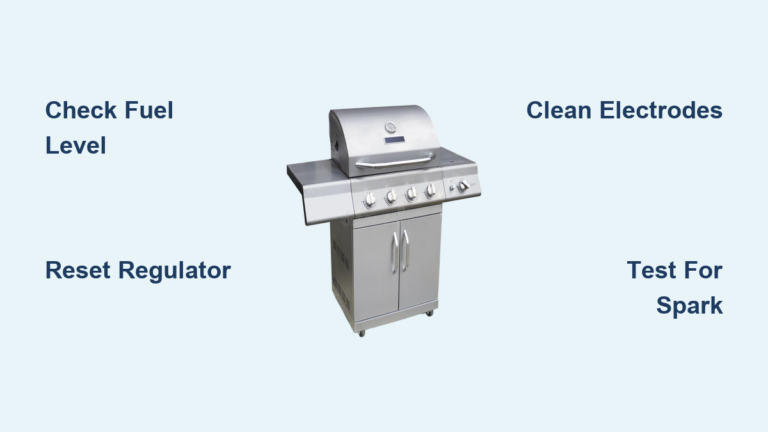
How to Reset a Gas Grill Regulator
You fire up your gas grill for a weekend cookout, only to find weak flames, low heat, or no ignition at all. You check the propane tank and it is full. The igniter clicks, but the burner refuses to light properly. Before you call a technician or buy a new grill, there is a good chance the problem lies in a tripped gas grill regulator. This small but critical component often trips due to improper startup, restricting gas flow and leaving you with a barely warm grill.
The fix is a simple regulator reset. In most cases, following the correct reset procedure restores full gas pressure and gets your grill back to 500°F+ in minutes. This guide walks you through the exact steps to reset your gas grill regulator, avoid common mistakes, and prevent future issues. Whether you are troubleshooting low heat, yellow flames, or ignition failure, this step-by-step process covers everything from safety checks to leak testing and replacement tips.
Recognize Regulator Failure Signs

Before resetting, confirm your symptoms match a tripped or faulty regulator. Do not waste time resetting if the issue is a clogged burner or empty tank.
Key Symptoms of a Tripped Regulator
- Grill will not exceed 250°F to 300°F on high heat
- Weak, yellow, or floating flames instead of strong blue ones
- Burners refuse to ignite even with a working igniter
- Popping or hissing sounds when turning knobs
- Soot or rust buildup on burners from incomplete combustion
If your grill heats poorly despite a full propane tank and clean burners, the regulator safety valve has likely tripped.
Why Regulators Trip: The Real Cause
The propane regulator does more than control pressure. It includes a safety mechanism called an excess flow valve or bypass valve. This valve shuts off gas flow if it detects a sudden pressure drop that mimics a gas leak.
Most Common Trigger: Wrong Start Sequence
The correct sequence is to open the tank valve first, then turn on the burners. The wrong sequence is to turn on the burners before opening the tank.
Turning burners on first empties the gas lines. When you open the tank, the sudden rush of gas tricks the regulator into thinking there is a major leak, so it locks into low-flow mode.
Other causes include:
– Actual gas leaks in hoses or fittings
– Blockages from spider nests or grease
– Damaged or aging regulator
Fix the cause, not just the symptom.
Step-by-Step Regulator Reset Procedure
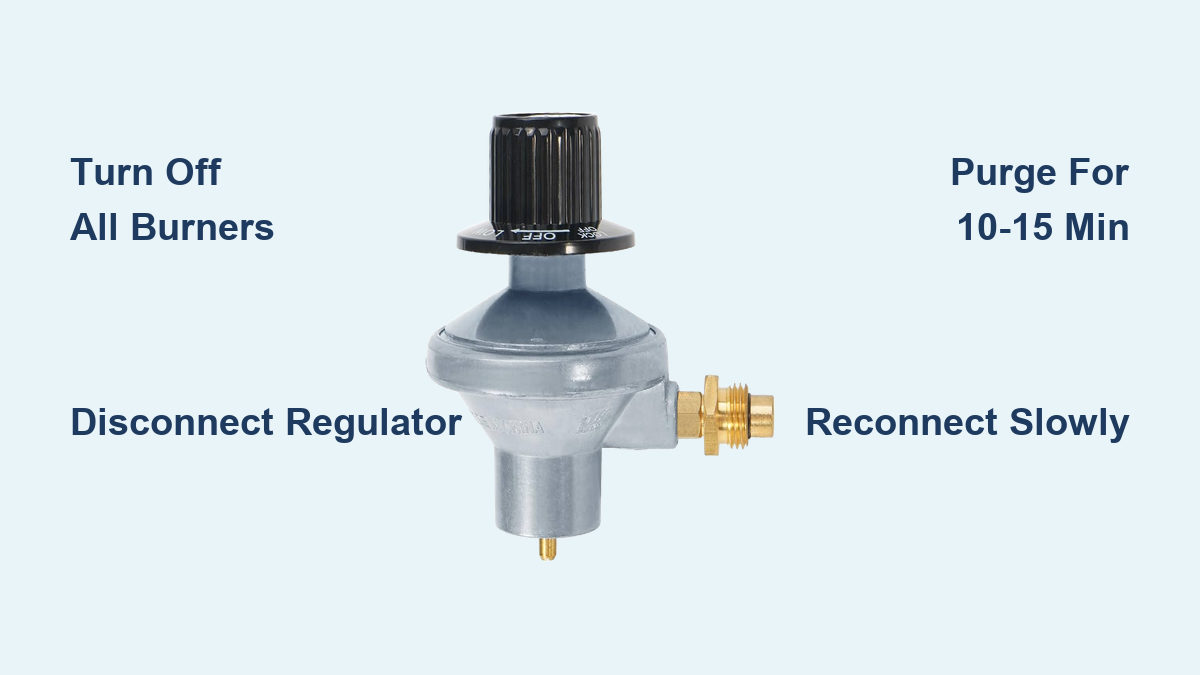
Follow this exact sequence to reset the bypass valve and restore full gas flow.
Phase 1: Shut Down and Disconnect
The goal is to cut off gas and isolate the regulator.
- Turn all burner knobs to OFF to prevent accidental ignition during reset.
- Close the propane tank valve by turning clockwise until tight.
- Disconnect the regulator from the tank by unscrewing the coupling nut by hand in a counterclockwise direction.
- Set the hose aside, avoiding kinks or damage.
Pro Tip: Label your regulator before disconnecting if you manage multiple grills.
Phase 2: Purge Residual Gas
The goal is to release trapped pressure that keeps the valve locked.
- Open the grill lid. Never purge with the lid closed because gas buildup is dangerous.
- Turn all burner knobs to HIGH to open the gas pathways.
- Wait 10 to 15 minutes to let residual propane escape. Do not skip this step.
– 10 minutes ensures full pressure release
– Shorter times may fail to reset the valve - Turn all burners OFF once the time is up.
Warning: Do not light the grill during this phase. You are venting gas, so keep ignition sources away.
Phase 3: Reconnect and Pressurize
The goal is to reattach the regulator without re-triggering the safety valve.
- Reconnect the regulator to the tank and hand-tighten the coupling nut clockwise. No tools are needed, since overtightening damages seals.
- Open the tank valve slowly by turning counterclockwise over 5 to 10 seconds, not instantly.
– A fast opening mimics a leak and trips the valve again
– Go slow until fully open - Leave burners OFF for 1 to 2 minutes while pressure stabilizes.
Success Signal: You may hear a soft click or hiss as pressure equalizes. This is normal.
Phase 4: Test the Grill
The goal is to confirm the reset worked.
- Turn on one burner knob, starting with the front burner.
- Ignite with the starter or match and watch the flame.
– Blue and steady means success
– Yellow, weak, or floating means the reset failed or another issue exists - Check full heat performance by preheating for 10 to 15 minutes. The grill should reach 400°F to 500°F+.
If the grill still does not work, move to advanced troubleshooting.
Prevent Future Regulator Trips
Avoid repeating the same issue with the right startup and shutdown habits.
Correct Ignition Sequence
- Open the tank valve slowly
- Turn on the burner knob
- Ignite
This maintains back pressure and keeps the regulator happy.
Never Do This
- Turn on burners first
- Open the tank valve
- Try to light
This is the number one reason regulators trip.
Proper Shutdown Steps
- Turn all burner knobs to OFF
- Turn the tank valve to OFF
- Let the burners cool
Leaving the tank open risks slow leaks and regulator wear.
Pro Tip: Close the tank after every use. It is safer and extends regulator life.
Test for Gas Leaks (Critical)
If the reset fails, a leak could be the real issue. Perform this test before using the grill.
Leak Detection: Soapy Water Test
What you need:
– Ammonia-free dish soap
– Water
– Spray bottle or brush
Steps:
- Mix a solution of 1 part soap and 1 part water
- Close the tank valve
- Attach the regulator and hose
- Apply the soapy solution to:
– Regulator connections
– Hose length
– Coupling nut
– Manifold inlet - Slowly open the tank valve
- Watch for bubbles:
– No bubbles means no leak
– Growing bubbles mean a leak is present
If you find a leak:
– Close the tank immediately
– Tighten the connection slightly and retest
– If bubbles persist, replace the hose or regulator
Never use a grill with a gas leak. Propane is explosive and odorless except for the added mercaptan.
When to Replace the Regulator
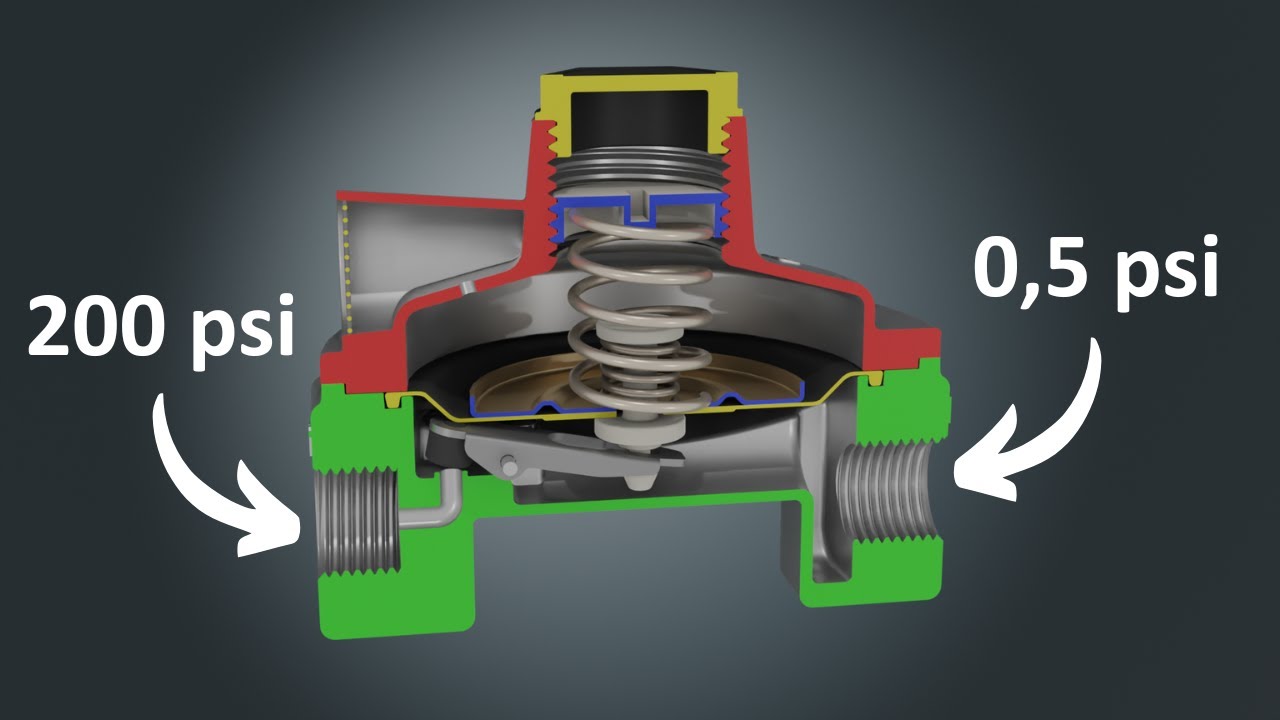
Resetting will not fix physical damage. Replace the regulator if you see:
– Cracks or corrosion on the body
– Rust inside or around vents
– Persistent low flame after reset
– Leak at the regulator itself
How to Replace the Regulator
- Turn off the burners and tank
- Disconnect the regulator from the tank
- Remove the propane tank from the grill
- Locate the brass fitting at the grill manifold
- Use two wrenches:
– One to hold the manifold
– One to loosen the old hose fitting counterclockwise - Discard the old regulator
- Attach the new hose to the fitting. Hand-tighten first, then secure with wrenches
- Reconnect to the tank
- Perform a leak test before lighting
Fit Matters: Use a model-specific regulator or verify universal fit. Check hose length and connector type.
Check for Other Blockages
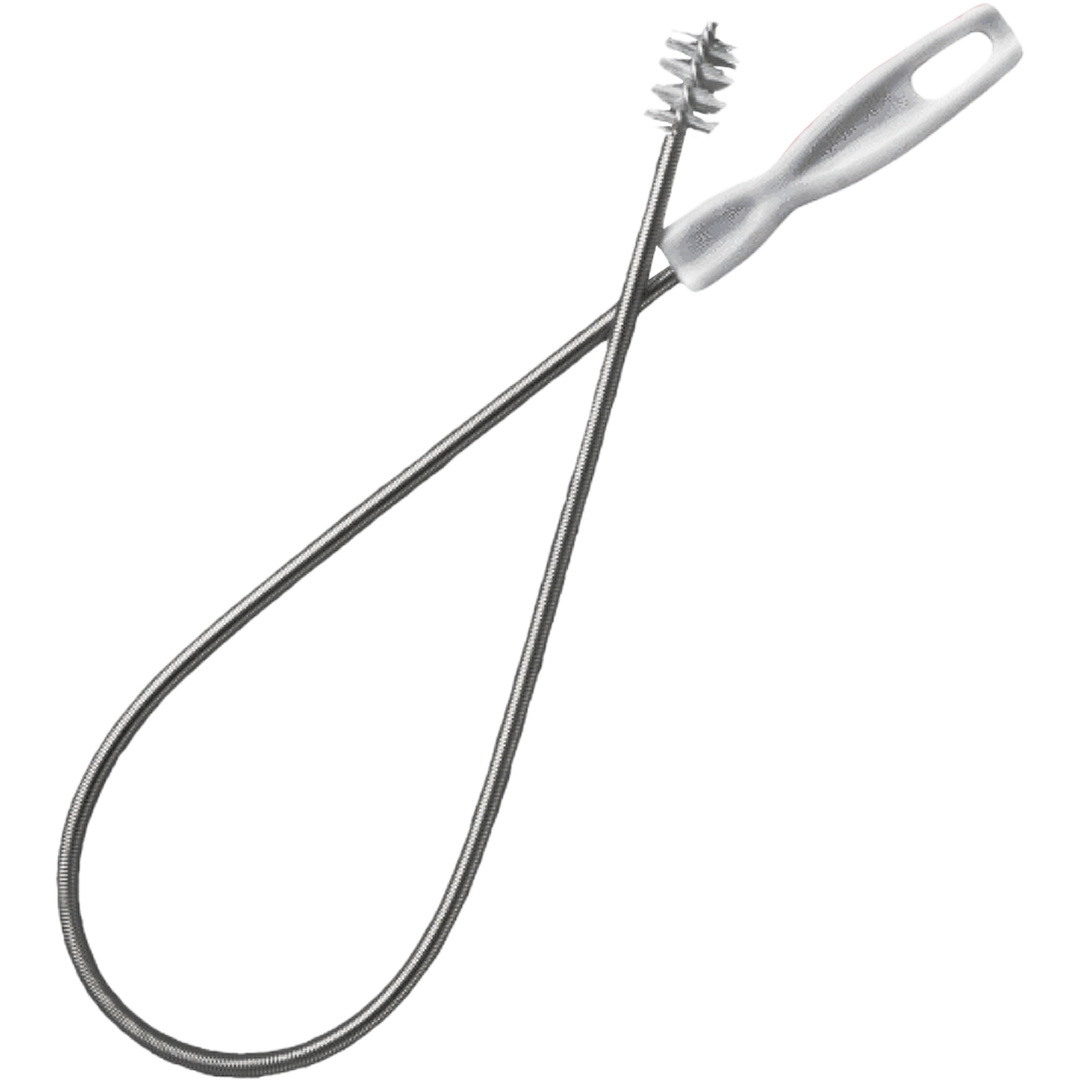
Even with a good regulator, grills can underperform due to clogs.
Clean the Venturi Tubes
Insects love to nest in these tubes.
- Remove the burners and flavor bars
- Locate the venturi, which is the metal tube under each burner
- Use a wire brush, pipe cleaner, or compressed air
- Clear any spider webs or debris
Unclog Burner Ports
- Use a paperclip or small gauge brush
- Gently clear each port along the burner
- Avoid enlarging holes, since this causes flame lift
Seasonal Tip: Inspect venturis at the start of grilling season.
Understand Flame Colors
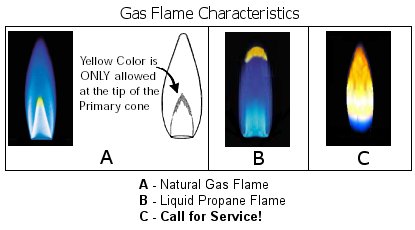
Flame color tells you if your fuel-air mix is right.
Blue Flame
- Normal, efficient combustion
- Indicates proper pressure and clean components
Yellow or Orange Flame
- Incomplete combustion
- Causes include:
- Tripped regulator
- Clogged ports
- Air shutter closed too much
- Gas impurities
If flames stay yellow after reset and cleaning, consult a technician.
Know Your Propane Tank Safety Features
The tank itself has built-in protection.
OPD Valve (Overfill Prevention Device)
- Required on all 4 to 40 lb propane tanks
- Stops overfilling at 80% capacity
- Shuts off flow if disconnected while open
- Identified by a triangular handwheel
Never tamper with the OPD valve. If it fails, return the tank to your supplier.
Tank Recertification
- Recertify 12 years after the manufacture date
- Then every 5 years
- Look for the date stamped on the tank collar
Expired tanks may not connect properly or hold pressure.
Frequently Asked Questions About Gas Grill Regulators
How long does it take to reset a gas grill regulator?
The full reset process takes about 15 to 20 minutes, including the 10 to 15 minute purge phase. The actual hands-on work is minimal, but you cannot rush the waiting period if you want the bypass valve to fully release.
Why does my grill only reach 250 to 300 degrees?
A grill that will not exceed 250°F to 300°F on high heat is the classic symptom of a tripped regulator. The bypass valve has restricted gas flow to a minimal level. A proper reset usually restores full temperature within minutes.
Can I reset my gas grill regulator without disconnecting the tank?
The most reliable method requires disconnecting the regulator from the tank to fully purge the lines. Some sources suggest leaving the tank connected and turning burners on high for several minutes, but this approach is less consistent and may not fully reset the safety valve.
How do I know if my regulator is bad and needs replacement?
Replace the regulator if you see visible cracks, rust, or corrosion on the body, or if the reset procedure fails to restore normal flame and temperature. Persistent gas leaks at the regulator connection also require replacement rather than another reset attempt.
Is it safe to use a grill after resetting the regulator?
Yes, once you confirm the reset worked and you have performed a leak test. Blue, steady flames and proper preheat temperatures indicate the system is functioning normally. If you smell gas at any point other than during ignition, stop using the grill immediately.
How often should I check my gas grill regulator?
Inspect the regulator and hose at the start of each grilling season and after any period of storage. Look for cracks, rust, or animal damage. Annual replacement is recommended for regulators older than 5 years, especially on grills used frequently.
Key Takeaways for Resetting Your Gas Grill Regulator
A tripped gas grill regulator is the most common cause of low heat and the easiest to fix. The reset procedure works because it releases trapped pressure that locks the bypass valve in restricted-flow mode. Always follow the correct ignition sequence: tank valve first, then burners. This single habit prevents 90% of regulator trips.
Before assuming the regulator is faulty, rule out an empty tank, clogged burners, or a gas leak. Perform a soapy water test if the reset does not restore full performance. Replace any regulator showing cracks, rust, or persistent leaks rather than attempting repeated resets.
With proper startup habits, annual cleaning of venturi tubes and burner ports, and prompt replacement of worn components, your grill will deliver reliable high heat for years.