
How to Keep Grill Grates From Rusting
Nothing kills backyard grilling excitement faster than pulling back the cover to find orange flakes coating your grates. Rust hurts cooking performance, raises food safety concerns, and shortens your grill’s lifespan. The good news is that how to keep grill grates from rusting boils down to a simple, repeatable routine: clean, dry, oil, protect.
Rust forms when iron meets oxygen and moisture, a process that heat, acidic food residue, and humidity accelerate. Whether you own stainless steel, cast iron, or chrome-plated grates, every type is vulnerable without proper care. This guide breaks down the science, compares materials, and delivers a clear maintenance plan so your grill performs flawlessly for years.
Clean Grates Immediately After Cooking

The first line of defense against rust is cleaning while the grill is still warm. Heat loosens stuck-on food particles, making them easier to remove and reducing the chance of moisture-trapping residue.
Scrape While the Grill Is Warm
Turn the grill to medium for 10 to 15 minutes after cooking to burn off debris. Then use a grill scraper or brush to remove char and grease.
- For stainless steel, a brass or nylon brush prevents scratching.
- For cast iron, a stiff wire brush or steel wool works well.
- Avoid steel wool on stainless steel because it leaves micro-scratches that invite rust.
Use Safe Cleaning Methods
Grease and acidic marinades like vinegar or citrus break down protective layers. Remove them with gentle, effective cleaners:
- Vinegar spray (1:1 water and vinegar) breaks down grease without harming metal.
- Onion or lemon trick: rub a halved onion or lemon sprinkled with salt over warm grates. The acid lifts residue naturally.
- Baking soda paste applied to stubborn spots, left to sit, then scrubbed away.
- Mild dish soap for soaking, followed by thorough rinsing and immediate drying.
Never soak cast iron. It invites rapid rusting.
Dry Grates Thoroughly Every Time
Water is the enemy of grill grates. Leaving them damp, even briefly, triggers oxidation. This step is non-negotiable.
Wipe and Heat Dry
After cleaning, follow this two-step drying process:
- Wipe with paper towels or a lint-free cloth to remove surface moisture.
- Fire the grill on low for 10 to 15 minutes to evaporate hidden moisture in crevices and pores.
This dual approach ensures grates are truly dry before storage or covering.
Apply Oil After Every Use

Oil creates a protective barrier that blocks moisture and oxygen. Skipping this step is the most common cause of preventable rust.
Choose the Right Oil
Use a high-smoke-point oil such as canola, vegetable, grapeseed, or palm oil. Avoid olive oil because it smokes and burns at high temperatures.
Apply Safely and Effectively
- Never spray oil on a hot grill. It can ignite and cause dangerous flare-ups.
- Best method: dip a folded paper towel in oil, grip it with tongs, and wipe grates evenly.
- Alternative: use a silicone brush or oiled aluminum foil.
Coating frequency depends on material:
- Cast iron: a generous coating every time.
- Stainless steel: a light film, enough to glisten without pooling.
- Chrome-plated: a light coat, but know the plating will degrade over time.
Season Your Grates Regularly
Seasoning builds a polymerized, non-stick layer that repels moisture and prevents rust. Think of it as armor for your metal.
Initial Seasoning for New Grates
- Clean with soapy water to remove factory oils.
- Dry completely.
- Coat evenly with oil.
- Heat the grill to 400°F (200°C).
- Bake for 1 to 2 hours for cast iron, or 30 to 60 minutes for stainless steel.
- Let cool, then repeat 2 to 3 times for best results.
Maintenance Seasoning
- Cast iron: re-season monthly or whenever food starts sticking.
- Stainless steel: season 1 to 2 times per year.
- Chrome-plated: seasoning is not recommended because oil won’t bond well once plating wears.
Deep Clean and Restore Rusty Grates
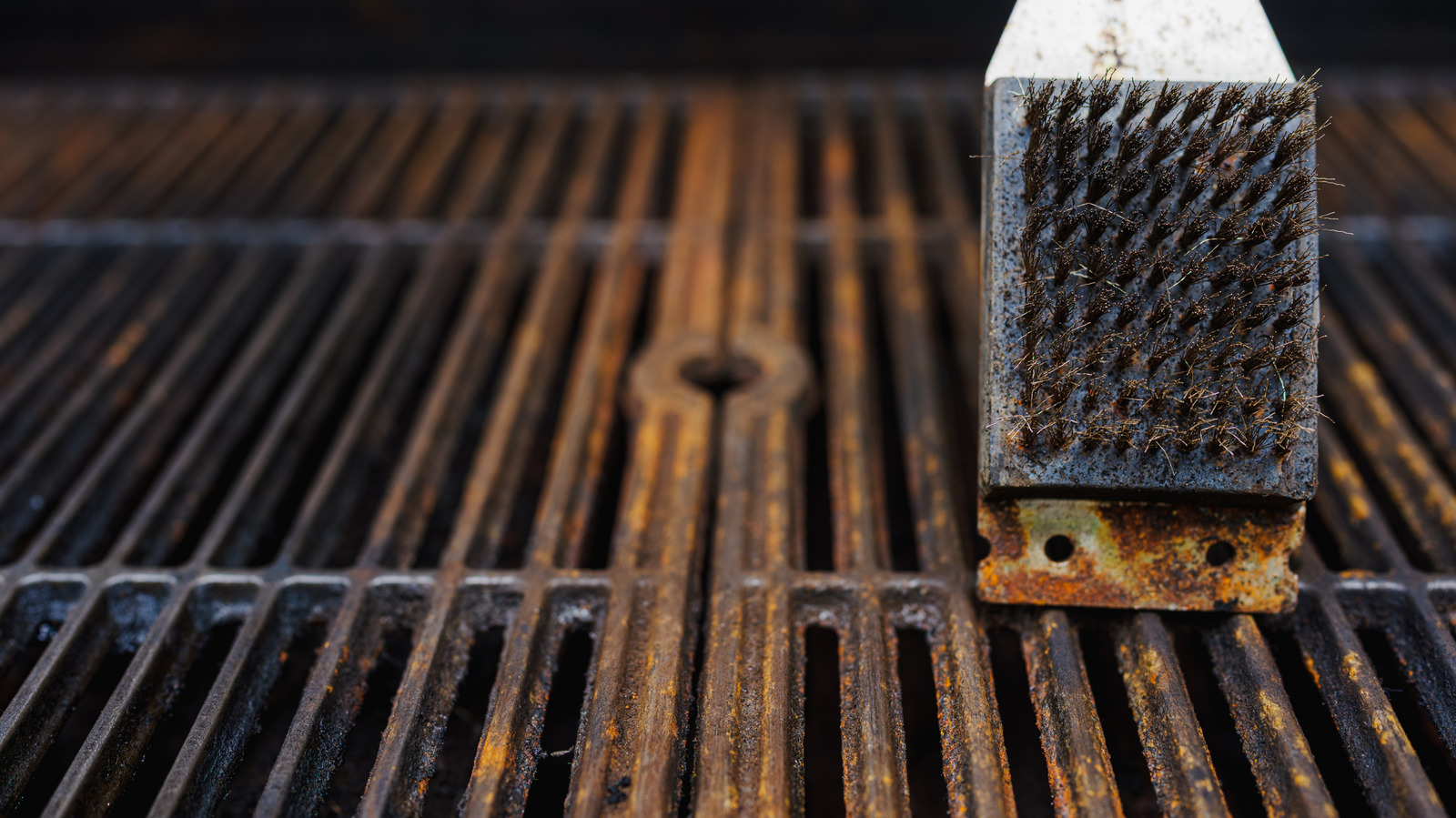
Even with diligent care, grates may show early rust. Act fast because surface rust is fixable.
Remove Rust Safely
- Soak in white vinegar for 1 to 2 hours, or overnight for heavy rust.
- Scrub with a wire brush for cast iron or a non-scratch pad for stainless steel.
- Rinse thoroughly to remove all acid residue.
- Dry completely with heat and towels.
Re-Season After Cleaning
Once rust-free, heat the grill to 400°F, apply a fresh oil coat, and bake for 30 to 60 minutes to reseal the surface.
Warning: If grates are warped, deeply pitted, or have holes, replace them. Structural damage cannot be repaired.
Use the Right Grill Cover

A quality cover shields your grill from rain, UV rays, and wind, but only when used correctly.
Choose a Breathable Cover
Non-breathable covers trap humidity and create condensation that accelerates rust. Look for:
- Water-resistant, breathable fabric such as polyester with venting.
- Ventilated side panels to allow airflow.
Cover Only When Dry
Never cover a damp grill. Residual heat and moisture create a steam chamber inside the cover. Always let the grill cool completely, wipe down the exterior, and confirm grates are dry before covering. In humid climates, uncover and air out the grill weekly if you notice condensation.
Store Grates Properly in the Off-Season
For long-term storage during winter or extended disuse, go beyond the cover.
Move Indoors When Possible
Store the entire grill or just the grates in a dry garage, shed, or basement. Remove propane tanks or pellet hoppers to prevent leaks and moisture absorption.
Protect Stored Grates
- Wrap in a breathable cloth like cotton to allow air circulation.
- Place in a plastic bin with a loose lid to block dust.
- Add a silica gel packet to absorb ambient moisture.
Avoid plastic bags because they trap humidity and promote rust.
Upgrade to Rust-Resistant Materials
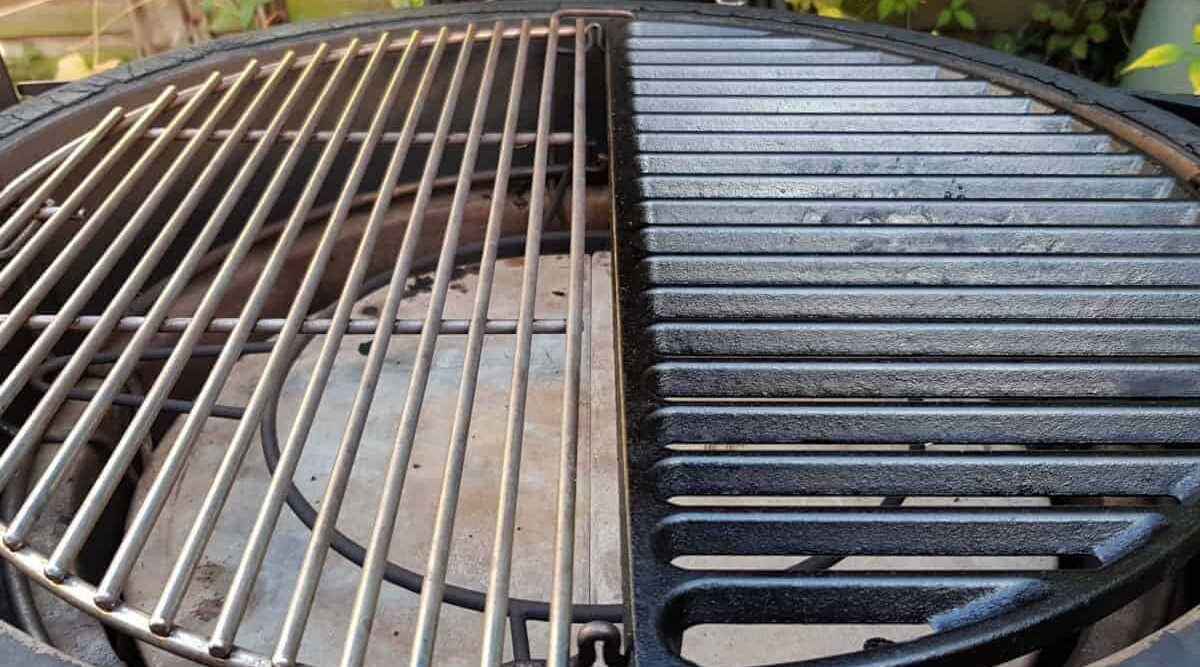
Your grate material determines how much maintenance you’ll do. Upgrade wisely when replacements are needed.
Choose 304 Stainless Steel
Grade 304 stainless steel has high chromium content, which forms a self-healing oxide layer that resists rust. It offers the best balance of durability and low maintenance.
Look for thick gauge construction (7 to 9 mm) to resist warping, and stick with OEM or reputable brands to avoid thin aftermarket grates.
Consider Cast Iron for Flavor
Cast iron holds heat superbly and delivers classic sear marks, but demands high maintenance:
- Must be dried and oiled after every use.
- Requires monthly seasoning.
- Prone to rust if left wet even once.
This material is ideal for dedicated grillers who value flavor over convenience.
Avoid Chrome-Plated Steel
Common on budget grills, chrome-plated grates rust quickly once the plating wears off. Scrubbing, salt, and acidic foods accelerate coating loss. Plan to replace them with stainless steel after 1 to 3 years.
Prevent Rust with Smart Cooking Habits
Small changes in how you cook can extend grate life significantly.
Use Grill Mats for Sticky Foods
Place a PTFE or fiberglass grill mat under fish, vegetables, and foods with sugary or acidic marinades. This prevents direct contact and reduces cleanup.
Line Drip Trays with Foil
Grease buildup causes flare-ups and rust in the firebox. Use disposable foil liners in drip trays and change them after fatty cooks to prevent corrosion and simplify cleanup.
Oil Food, Not Just Grates
For stainless steel, brush oil directly on meat or vegetables before grilling. This reduces sticking, adds a protective layer, and minimizes the need for heavy oiling of grates.
Debunking Common Rust Myths
Misinformation leads to poor maintenance. Here’s what’s actually true.
“Stainless Steel Doesn’t Rust”
False. Stainless steel is rust-resistant, not rust-proof. Without drying and oiling, even 304 grade will corrode, especially in coastal or humid areas.
“Grease Protects the Grate”
False. Grease traps moisture and acids, which causes rust. Only pure oil protects. Clean off food residue every time.
“You Should Never Use Soap”
False. Mild dish soap is safe. The real danger is leaving residue or moisture, not soap. Rinse and dry thoroughly and you’re fine.
“One Seasoning Lasts Forever”
False. Seasoning wears off with use, cleaning, and exposure. Reapply regularly, especially on cast iron.
Inspect and Maintain Proactively
Catching issues early saves time and money.
Check Before Every Grill Session
- Look for rust spots, warping, and loose wires from brushes.
- Test the smoothness of the surface. Roughness means it’s time to clean or re-season.
Replace Worn Tools
Wire grill brushes shed bristles that can end up in food. Safer alternatives include wooden scrapers, nylon brushes, the onion or lemon method, and coiled metal brushes with secure bristles.
Frequently Asked Questions About Keeping Grill Grates from Rusting
What is the best oil to use on grill grates to prevent rust?
High-smoke-point oils like canola, vegetable, grapeseed, or palm oil work best. They withstand grilling temperatures without burning and create a durable moisture barrier. Avoid olive oil because it smokes and breaks down at high heat.
How often should I season my grill grates?
Cast iron grates need monthly seasoning or whenever food starts sticking. Stainless steel grates only need seasoning 1 to 2 times per year. Chrome-plated grates should not be seasoned because oil won’t bond properly once the plating wears.
Can rusty grill grates be saved?
Surface rust can be removed by soaking grates in white vinegar for 1 to 2 hours, scrubbing with an appropriate brush, rinsing, drying completely, and re-seasoning. However, grates with warping, deep pitting, or holes should be replaced for safety.
Is it safe to cook on slightly rusty grill grates?
Small amounts of rust (iron oxide) are generally non-toxic, though they may affect food taste. However, rusty grates can harbor bacteria in pitted areas and shed flakes into food. Cleaning and re-seasoning rusty grates restores safety.
Why do my stainless steel grill grates keep rusting?
Stainless steel is rust-resistant, not rust-proof. Moisture, salt exposure, acidic marinades, and lack of oiling can cause even 304 grade stainless to corrode. Ensure thorough drying after every clean and apply a light oil coat before storage.
Should I cover my grill in the summer?
Yes, cover your grill year-round to protect against UV rays, rain, debris, and morning condensation. Always use a breathable cover and make sure grates are completely dry before covering to prevent trapped moisture.
Key Takeaways for Long-Lasting Grill Grates
Preventing rust comes down to consistent habits, not complicated procedures. Follow this routine after every cook: scrape while warm, clean with safe methods, dry thoroughly, and apply a light coat of high-smoke-point oil. Cover with a breathable protector and upgrade to 304 stainless steel when replacements are needed.
No grill grate material is entirely maintenance-free. But with the right habits, you can prevent rust, improve cooking results, and extend your grill’s life by years. The effort takes just minutes, far less than the cost and hassle of replacing a rusted-out grill. Start your post-cook routine tonight and your grates will reward you with seasons of reliable performance.