
How to Grill Rabbit: Quick Steps
Grilling rabbit might sound unusual, but it’s a delicious, sustainable alternative to chicken that delivers tender, lean meat with a delicate flavor, especially when cooked right. Whether you’re working with a domestic fryer rabbit or a wild cottontail, the key to success lies in preparation and heat control. Unlike fattier meats, rabbit dries out quickly over high heat, so mastering techniques like brining, two-zone grilling, and basting is essential.
This guide breaks down everything from butchering and marinating to grilling by cut and style, ensuring juicy, flavorful results every time. You’ll learn how to spatchcock a whole rabbit, grill jointed pieces evenly, and even smoke it low and slow, plus expert tips to avoid common mistakes.
Choose the Right Rabbit
Domestic vs Wild Flavor
Domestic rabbits, often labeled as fryers, offer mild, tender meat similar to chicken breast. They’re ideal for first-time grilling because they require minimal prep and deliver consistent results. Young rabbits under one year old are best. Look for pale pink flesh with a clean, fresh smell.
Wild rabbits, like cottontails, have a stronger, gamier taste. While more flavorful, they benefit greatly from soaking or brining to mellow the intensity and retain moisture during grilling. If you’ve hunted your rabbit, don’t skip this step. Soaking overnight in salted water pulls out blood and reduces gamey notes.
Check Freshness Visually
In markets where whole rabbits are sold with heads on, check the eyes. Clear, bright eyes indicate freshness. Avoid any with dull or sunken eyes. The skin should be unblemished, and the meat firm to the touch. For pre-cut portions, ensure there’s no grayish tint or sour odor.
Source Sustainably
Rabbit is one of the most eco-friendly meats. It grows fast, feeds efficiently, and offers a high meat-to-bone ratio with low environmental impact. Choosing rabbit supports sustainable protein practices without sacrificing flavor or texture.
Prepare Rabbit for the Grill
Spatchcock for Even Cooking

To grill a whole rabbit evenly, spatchcock it. Use kitchen shears to cut along both sides of the sternum and flatten the rabbit belly-down on the grill. This exposes more surface area, promotes uniform cooking, and prevents the legs from drying before the thicker loins are done. The ribs may stick up slightly, which is normal.
Joint Into Grillable Pieces
Cutting the rabbit into eight pieces (front legs, hind legs, saddle/loin, ribs, belly) allows better control over cooking times. Hind legs take longest, while ribs and organs cook fast. Use a sharp boning or chef’s knife. Remove excess fat or connective tissue if desired.
Save Organs for Skewers
Kidneys and liver can be grilled separately. Cut kidneys three-quarters through and open like a book for even cooking. Slice liver into four pieces. Skewer them alternately with meat for a rich, earthy bite.
Score for Marinade Penetration
Lean meat doesn’t absorb flavors easily. Score the surface of each piece with shallow cuts, about ¼ inch deep, to help marinades and brines penetrate deeper and speed up flavor infusion.
Soak, Brine, or Marinate
Soak Wild Rabbit First
For wild game, soak in cold salted water (½ cup salt per 2 quarts water) for 12+ hours in the fridge. This draws out blood and tames strong flavors. Rinse thoroughly afterward and pat dry before marinating or seasoning.
Brine for Juiciness
Brining adds moisture and seasoning deep into the meat. Use a simple brine:
- 2 quarts water
- ½ cup kosher salt
- ½ cup sugar
- Aromatics: sliced ginger, 3 star anise, 1 cinnamon stick, 10 Szechuan peppercorns, 3 cloves, 5 black peppercorns
Bring to a boil, cool completely, then submerge rabbit for 12–24 hours. Drain, rinse lightly, pat dry, and bring to room temperature before grilling.
Marinate for Flavor
Marinate for 30 minutes (quick) to overnight (deep flavor). Always include oil (olive or vegetable) to help carry fat-soluble flavors and protect the meat.
Try These Flavor Profiles:
- French/Provençal: Herbs de Provence, garlic, lemon zest, Dijon mustard, white wine, chili flakes
- Italian: Fresh rosemary, thyme, garlic pulp, honey, olive oil, pancetta (wrapped around belly pieces)
- Louisiana: Honey, thyme, rosemary, garlic, olive oil
- Asian-Inspired: Soy sauce, grated ginger, Szechuan peppercorns, sesame oil, rice vinegar
Store in a zip-top bag or bowl, refrigerated. Reserve some marinade for basting, but boil it first if it touched raw meat.
Set Up a Two-Zone Grill
Use Charcoal or Gas
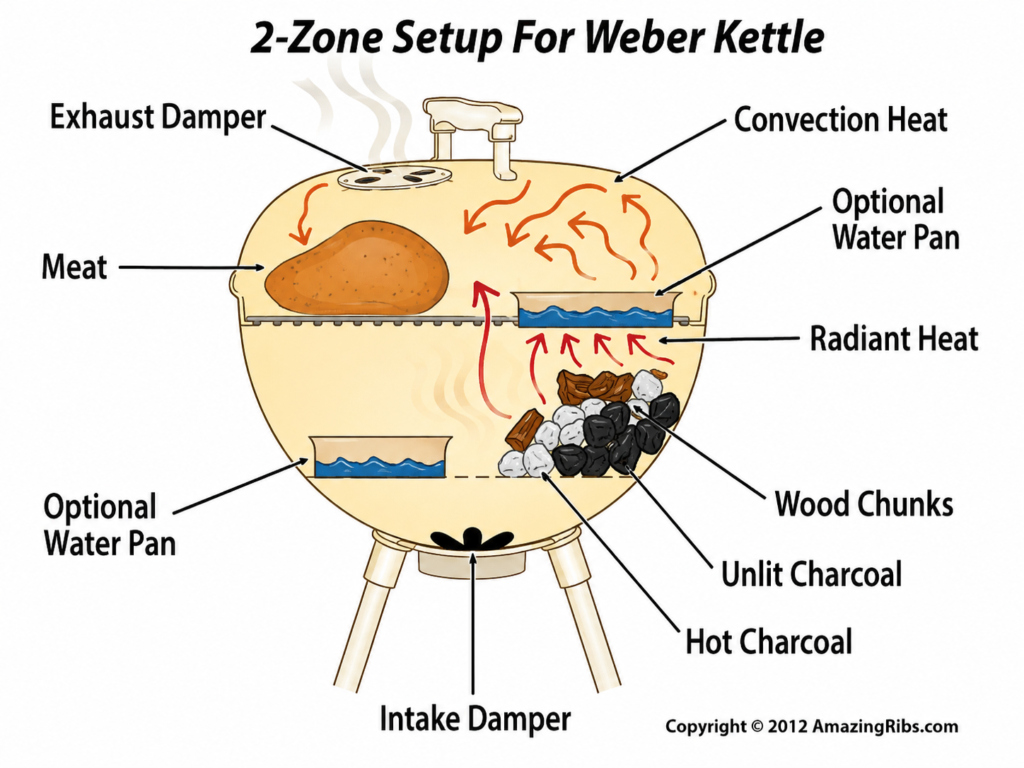
Both work well. Charcoal gives a smokier, more rustic flavor, ideal for wild rabbit or Southern BBQ styles. Gas offers precise control, perfect for beginners. Either way, set up two heat zones.
Create Direct and Indirect Zones
- Direct heat: Flames or coals directly under the grates. Use for searing.
- Indirect heat: No flames below. Move food here to finish cooking gently.
Preheat grill to 375°F–425°F. For whole spatchcocked rabbit, aim for 425°F on the hot side.
Visual Cues:
You can hold your hand 3–4 inches above the grate for:
– 2 seconds = high heat (450°F+)
– 3–4 seconds = medium-high (375°F–425°F)
– 5+ seconds = medium (350°F)
Grill Whole Spatchcocked Rabbit
Season Generously
Rub the entire rabbit with:
- Melted butter
- Minced garlic
- Crushed dried bay leaves
- Dried thyme
- Salt and black pepper
Let sit at room temp 30 minutes before grilling.
Sear and Finish
- Baste rabbit with melted butter.
- Place skin-side down on direct heat.
- Grill 15–20 minutes until golden and slightly crisp.
- Flip, baste again, and grill other side 15–20 minutes.
- Move to indirect zone if browning too fast.
- Check temp: 160°F in the thickest part of the leg or loin.
Rest Before Carving
Let rest 10 minutes tented with foil. This keeps juices inside. Carve into 6 pieces: 2 loins, 2 hind legs, 2 front legs.
Grill Jointed Pieces with Timing
Start Legs First
Hind legs and shoulders take longest. Begin them over direct heat for 10 minutes to sear.
Add Belly and Saddle Later
After 10 minutes, add belly pieces (especially if wrapped with pancetta). Cook another 10 minutes.
At the 20-minute mark, add saddle (loin) and ribs. These cook faster and dry out easily.
Skewer Organs Last
Thread kidneys and liver onto soaked wooden or metal skewers. Add in the final 4 minutes. Cook until golden and firm. Do not overcook.
Baste with Herb Brush
Tie fresh thyme sprigs into a bundle. Dip in marinade or melted butter and dab onto meat as you turn. This builds a fragrant, crispy crust.
Use the Two-Stage Sear and Roast

Sear Over Direct Heat
Place pieces on hot grates. Sear 2–4 minutes per side until golden brown. Work in batches if needed to avoid crowding.
Finish Over Indirect Heat
Move all pieces to the cooler side. Cover the grill to create an oven effect. Cook 15–20 minutes, turning once.
Baste Continuously
Use boiled marinade or melted butter. Baste every time you flip. This keeps the meat moist and builds flavor.
Finish with Lemon
Once off the grill, squeeze fresh lemon juice over the top. Brightens the dish and balances richness.
Try Low and Slow BBQ Style
Brine First, Then Smoke
Wild or domestic rabbit benefits from overnight brining before low-and-slow grilling. Rinse and dry thoroughly.
Season and Baste
Rub with:
- Olive oil
- Butter
- Garlic salt
- Black pepper
Grill at 225°F–275°F. Baste with melted butter every 15 minutes.
Wrap If Needed
If the meat starts drying out before reaching temp, wrap in foil with a splash of broth or butter. This traps steam and protects the meat.
Sauce at the End
Apply BBQ sauce only in the last 10–15 minutes. Sugary sauces burn easily over prolonged heat.
Target 170°F for Tenderness
For fall-off-the-bone texture, cook to 170°F (76°C). This takes 2–5 hours, depending on size and grill consistency.
Cook Asian-Inspired Rabbit
Brine with Aromatic Spices
Use the same brine as before, but emphasize:
- Star anise
- Cinnamon
- Szechuan peppercorns
- Ginger
Soak 12–24 hours. Pat dry, bring to room temp.
Grill Hot and Fast
Use medium-high direct heat. Brush with vegetable oil and season with salt. Turn frequently, every 2–3 minutes.
Cook to Medium-Rare
Target 145°F, then let rest to 160°F. The meat will firm up and stay juicy.
Finish with Sesame Chile Sauce
Toss grilled pieces in:
- Soy sauce
- Minced garlic
- Grated ginger
- Sweet aromatic soy sauce (like lao chou)
- Toasted peanuts
- Sliced scallions
Serve immediately.
Know Cooking Times and Temps
Match Cut to Cooking Time
| Cut | Total Time | Heat Zone | Temp |
|---|---|---|---|
| Whole Rabbit | 30–40 min | Direct → Indirect | 160°F |
| Legs/Shoulders | 35–40 min | Indirect after sear | 160°F |
| Saddle/Ribs | 15–20 min | Indirect after sear | 160°F |
| Belly | 25–30 min | Indirect | 160°F |
| Organs | ~4 min | Direct | Golden color |
| BBQ Whole | 2–5 hrs | Low/Slow | 170°F |
| Asian Pieces | 10–15 min | Direct Med-High | Medium-Rare |
Don’t Guess—Use a Thermometer
Lean meat gives no margin for error. A digital meat thermometer is non-negotiable. Insert into the thickest part without touching bone.
Juices Should Run Clear
When pierced, the liquid should be clear, not pink. Flesh should be firm but springy, not rubbery or mushy.
Prevent Dry, Tough Meat
Baste Every Turn
Rabbit has almost no fat. Baste every 2–3 minutes with butter, oil, or safe marinade. This forms a protective layer and adds flavor.
Never Cook All Over Direct Heat
Searing is essential, but finishing over indirect heat prevents burning and drying. Cover the grill to trap heat and moisture.
Rest Before Serving
Rest 5–10 minutes. Cutting too soon releases juices, leaving meat dry.
Add Moisture to Marinades
Include yogurt, vinegar, or buttermilk in marinades. These tenderize and help retain water during grilling.
Follow Food Safety Rules
Avoid Cross-Contamination
Use separate plates and tongs for raw and cooked meat. Never reuse marinade unless boiled for 2+ minutes.
Marinate in the Fridge
Never leave rabbit marinating at room temperature. Bacteria grow rapidly in raw meat above 40°F.
Store Leftovers Properly
Refrigerate within 2 hours. Keep in airtight container for 3–4 days.
Reheat Safely
- Pan-fry for best texture
- Oven: 400°F for 10 minutes, covered
- Avoid microwaving. It makes meat rubbery
Leftovers work well in soups, stews, or rabbit hash.
Frequently Asked Questions About Grilling Rabbit
What does grilled rabbit taste like?
Grilled rabbit has a mild, delicate flavor similar to lean chicken breast when domestic. Wild rabbit tastes gamier and richer. Both versions absorb marinades and smoke beautifully when prepared properly.
How long does it take to grill rabbit?
Grilling time depends on the cut. Whole spatchcocked rabbit takes 30–40 minutes. Jointed legs need 35–40 minutes, while saddle and ribs cook in 15–20 minutes. Low and slow BBQ style takes 2–5 hours.
Do you need to brine rabbit before grilling?
Brining is highly recommended, especially for wild rabbit. A 12–24 hour brine adds moisture and seasoning deep into the lean meat, preventing dryness on the grill. Domestic rabbit also benefits from brining.
What’s the best internal temperature for grilled rabbit?
Aim for 160°F (71°C) for most grilling methods. For low and slow BBQ style, cook to 170°F (76°C) for fall-off-the-bone tenderness. Always use a digital meat thermometer for accuracy.
Can you grill rabbit like chicken?
Yes, especially domestic fryer rabbit. Spatchcocking and butter-basting produces results similar to grilled chicken but with a slightly richer, more delicate flavor. Start with this method if you’re new to cooking rabbit.
How do you keep rabbit from drying out on the grill?
Baste frequently with butter or oil, use two-zone heat, finish over indirect heat, and rest the meat before cutting. Scoring the surface and using yogurt or vinegar in marinades also helps retain moisture.
Key Takeaways for Grilling Rabbit Successfully
Start with a domestic fryer if you’re new to cooking rabbit. Brine or marinate the meat for at least 12 hours to lock in moisture and flavor. Always use a two-zone grill setup, searing over direct heat first, then finishing over indirect heat to prevent drying.
Baste frequently with butter or oil, monitor internal temperature with a digital thermometer, and rest the meat 5–10 minutes before serving. Whether you choose a quick spatchcocked method, staggered jointed pieces, or a low and slow BBQ approach, these techniques guarantee tender, juicy results every time.