How to Use Charcoal Grill Vents
You fire up your charcoal grill, pile in the coals, and strike a match—only to end up with either a scorching inferno or a smoldering pile that won’t heat. Sound familiar? The culprit isn’t your fuel or technique. It’s likely your vents, the silent conductors of heat and smoke in every charcoal grill. Most beginners overlook them, but mastering how to use vents on a charcoal grill is the key to precise temperature control, clean smoke, and perfectly cooked food.
Unlike gas grills with dials, charcoal grills rely entirely on airflow to manage combustion. Open the vents wide, and you feed the fire oxygen to burn hot and fast. Close them, and you throttle the flame for low, slow cooking. The top and bottom vents work together like lungs: one pulls air in, the other lets it out. Get this balance right, and you can sear steaks at 700°F or smoke brisket for 12 hours at a steady 250°F.
In this guide, you’ll learn exactly how to use vents on a charcoal grill, step by step. You’ll discover how to set up high, medium, and low heat zones, avoid bitter-tasting food from dirty smoke, and troubleshoot common vent-related issues. Whether you’re using a Weber kettle, a kamado, or a barrel grill, these principles apply. Let’s turn your charcoal grill into a precision cooking machine.
Control Heat with Bottom Vents

The bottom vent is your primary tool for managing fire intensity. It controls how much oxygen reaches the coals, directly determining how hot your grill gets. Think of it as the gas pedal: open it, and the fire accelerates; close it, and the burn slows.
Open for High Heat
To reach searing temperatures (450°F+), open the bottom vent fully. This floods the coals with oxygen, driving rapid combustion. Most kettle grills have one or more bottom vents—on a Weber, you’ll see three. For maximum heat, open all of them. You’ll notice flames rising and the temperature climbing fast, often hitting 600–700°F within 15 minutes.
Pro Tip: Once your grill nears the target temp, slightly close the bottom vent (about 10–20%) to stabilize. Leaving it fully open can push temps beyond what’s safe for cooking or even damage the grill.
Partially Close for Medium Heat
For roasting chicken, cooking burgers, or baking, you want a steady 325–425°F. To achieve this, adjust the bottom vent to 25–50% open. This restricts airflow enough to prevent overheating while keeping the fire strong.
Visual Cue: You should see a steady glow from the coals, but no large flames. If the temperature creeps up, close the vent a little more. If it drops, open it slightly. Make changes in small increments—patience is key.
Nearly Shut for Low and Slow
Smoking ribs or brisket? You need a gentle, sustained burn around 225–275°F. In this range, the bottom vent should be only 5–20% open—just a small slit (about 1/8″ to 1/4″). This minimal airflow keeps coals alive without letting them ignite fully.
Warning: Never close the bottom vent completely while cooking. Even in low-and-slow mode, the fire needs a trickle of oxygen. If it’s too restricted, the coals will die, and you’ll have to restart.
Regulate Smoke with Top Vents
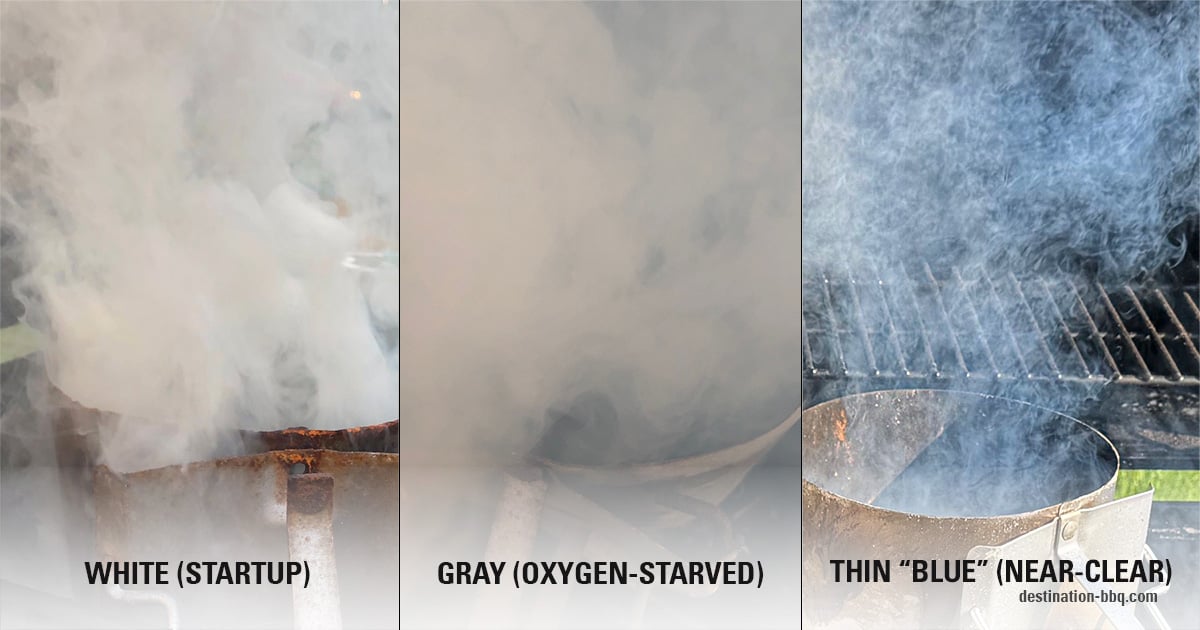
While the bottom vent controls heat, the top vent manages airflow and smoke quality. It acts as an exhaust, pulling fresh air through the bottom and out the top. This draft is essential for clean, efficient burning.
Keep Top Vent Open During Cooking
The golden rule: never close the top vent completely while cooking. Doing so traps smoke inside, creating thick, white, acrid fumes loaded with creosote—a bitter compound that ruins food and is unhealthy to consume.
Instead, keep the top vent at least partially open at all times. For high-heat searing, open it fully. For smoking, leave it 10–20% open to maintain a gentle draft that pulls clean, thin, blue smoke over your food.
Expert Note: Clean smoke is nearly invisible—like a wisp of steam. If you see thick, white smoke, open the top vent immediately to increase airflow and clear it out.
Use Top Vent to Fine-Tune Draft
While the bottom vent sets the heat level, the top vent fine-tunes the draft speed. A fully open top vent creates strong suction, pulling air through quickly. This is great for high heat but can dry out food during long smokes.
To slow things down, reduce the top vent opening slightly. This decreases airflow without starving the fire. It’s especially useful in kamado grills, which are highly airtight and respond dramatically to small changes.
Caution: On ceramic grills like Big Green Egg, avoid sudden top vent adjustments. Opening it too fast can cause a dangerous temperature spike.
Set Vents for Cooking Temperatures
:max_bytes(150000):strip_icc()/__opt__aboutcom__coeus__resources__content_migration__serious_eats__seriouseats.com__images__2017__05__seriouseats-grilling-tips-vents-6ad8944a99a1434cb98502f52b21b3e3.png)
Different foods require different heat levels. By adjusting both vents, you can dial in the perfect environment for any cooking task.
High Heat: Sear Steaks Fast
Target: 450–700°F
Ideal For: Steaks, burgers, vegetables, pizza
- Bottom Vent: Fully open
- Top Vent: Fully open
- Lid: On for pizza or roasting; off for direct searing
This setup maximizes oxygen flow for intense heat. Coals glow white-hot, and grates blister within minutes. Once the grill hits temp, slightly close both vents to stabilize—otherwise, it may overheat.
Time Estimate: 15–20 minutes to reach full heat.
Medium Heat: Roast and Bake Evenly
Target: 325–425°F
Ideal For: Chicken, fish, baked potatoes, cast-iron dishes
- Bottom Vent: 25–50% open
- Top Vent: Fully open or 65% open
- Lid: Always on
This balanced airflow sustains a steady fire without flare-ups. The lid traps heat, creating an oven-like environment. Use a dome thermometer to monitor—adjust the bottom vent in small steps if temp drifts.
Pro Tip: This is the sweet spot for most grilling. Practice here to build confidence before tackling low-and-slow.
Low and Slow: Smoke for Hours
Target: 225–275°F
Ideal For: Brisket, ribs, pulled pork
- Bottom Vent: 5–20% open (1/8″–1/4″)
- Top Vent: 10–20% open
- Lid: Always on
This minimal airflow keeps coals smoldering for hours. Kamado grills excel here due to their airtight seals. Kettle grills can achieve it, but you may need to seal unused grate areas with foil to prevent air leaks.
Common Mistake: Closing the top vent to “trap smoke.” This creates dirty smoke and bitter flavor. Smoke flavor comes from wood chips, not stagnation.
| Temperature | Bottom Vent | Top Vent | Best Foods |
|---|---|---|---|
| 450°F+ | Fully Open | Fully Open | Steaks, Pizza |
| 325–425°F | 25–50% Open | 50–65% Open | Chicken, Fish |
| 225–275°F | 5–20% Open | 10–20% Open | Brisket, Ribs |
Optimize for Your Grill Type
Not all grills respond the same to vent adjustments. Understanding your model’s design helps you make smarter decisions.
Weber Kettle: Use One Bottom Vent
On a standard Weber kettle, the three bottom vents let you direct airflow. For best control:
– Place coals over one vent and close the other two.
– Open the top vent fully.
– This focuses the draft under the fuel, improving efficiency.
Bonus Tip: Seal empty grate areas with foil during low-and-slow cooks to eliminate air leaks and boost stability.
Kamado Grills: Adjust in Millimeters
Ceramic kamados (like Big Green Egg or Kamado Joe) are highly insulated and airtight. This means:
– Tiny vent movements cause big temperature swings.
– Once stable, they hold heat for hours with minimal adjustment.
Safety Note: Never open vents rapidly on a kamado. The sudden oxygen surge can spike temps dangerously. Adjust slowly and wait 5–10 minutes between changes.
Barrel and Offset Grills: Balance Firebox and Chimney
These grills work like fireplaces:
– Firebox bottom vent controls burn intensity.
– Chimney (top vent) controls draft strength.
Goal: Balance the two so smoke flows smoothly from firebox to chimney, passing over the meat. If smoke pools, open the chimney more. If fire burns too hot, restrict the firebox vent.
Avoid Common Vent Mistakes

Even experienced grillers make vent errors. Here’s how to dodge the most damaging ones.
Closing Top Vent to Trap Smoke
Mistake: “If I close the top vent, more smoke will flavor the meat.”
Reality: Closing the vent creates stagnant, dirty smoke full of creosote. Food tastes bitter, and buildup can be harmful.
Fix: Keep the top vent open enough for thin, blue smoke. Flavor comes from wood chips, not trapped fumes.
Opening Lid Too Often
Mistake: Lifting the lid to check food every few minutes.
Consequence: Each lift releases heat and floods the grill with oxygen, spiking temperature and drying out meat.
Fix: Use a remote probe thermometer. Only lift the lid when absolutely necessary—and do it quickly.
Ignoring Ash Buildup
Ash clogs bottom vents and blocks airflow. A clean grill breathes better.
Maintenance Tip: After each use, let coals cool, then empty the ash catcher. Use a wire brush to clear vent slats monthly.
Adapt to Weather and Fuel
External conditions and fuel type affect how vents should be set.
Windy Conditions: Block or Redirect Draft
Wind hitting the bottom vents can overfeed the fire.
Solution: Position the grill so wind hits the side, not the vents. Or, close bottom vents slightly more than usual to compensate for forced airflow.
Cold Weather: Open Vents Slightly More
In winter, ambient cold pulls heat from the grill. You may need to open vents 10–15% more to maintain target temps.
Briquettes vs. Lump Charcoal
- Briquettes: Burn longer and more steadily. Easier to control. Ideal for beginners and long smokes.
- Lump Charcoal: Lights faster, burns hotter, and responds quickly to vent changes. Requires closer monitoring.
Rule: Lump charcoal needs smaller vent adjustments. Over-opening can lead to runaway heat.
Extinguish Fire Safely
When cooking ends, shut down the grill properly.
Close Both Vents Completely
To extinguish the fire:
1. Close the top vent fully.
2. Close the bottom vent fully.
3. Wait 24–48 hours for coals to cool.
This cuts off oxygen and safely snuffs the fire. Never dispose of warm coals.
Warning: Never pour water on a charcoal grill unless it’s an emergency. Rapid cooling can crack ceramic grills.
Safety Reminders
- Never grill indoors or in garages. Charcoal produces deadly carbon monoxide.
- Use heat-resistant gloves when adjusting vents during a cook.
- Keep a fire extinguisher nearby.
Master the Wait-and-See Method
The most important skill in vent management isn’t speed—it’s patience.
Fire doesn’t respond instantly to vent changes. After adjusting, wait 5–10 minutes before checking the temperature. Jumping in with another adjustment too soon leads to wild swings.
Pro Approach:
1. Make a small vent change.
2. Set a timer for 5–10 minutes.
3. Observe the trend on your thermometer.
4. Adjust again only if needed.
This “wait and see” method prevents yo-yo temperature swings and gives you stable, predictable results.
Frequently Asked Questions About Charcoal Grill Vents
Should I close the top vent when grilling?
No, you should keep the top vent at least partially open during cooking. Closing it traps smoke and creates creosote, which gives food a bitter taste. The top vent acts as an exhaust, pulling fresh air through the bottom vent to keep the fire burning cleanly.
How do I keep my charcoal grill at 225°F?
Set the bottom vent to 5–20% open (about 1/8″ to 1/4″) and the top vent to 10–20% open. Keep the lid closed and avoid lifting it. Use a thermometer to monitor and make small adjustments in 5–10 minute intervals.
Why does my charcoal grill get too hot even with vents closed?
This usually happens because the vents are still too open, or there’s too much fuel. Try closing the bottom vent further in small steps. If you’re using lump charcoal, it burns hotter and faster than briquettes, so you may need less fuel.
How long does it take to cool a charcoal grill after closing vents?
It typically takes 24–48 hours for coals to cool completely after closing both vents. Never dispose of coals until they are fully cold. Avoid pouring water on ceramic grills, as rapid cooling can cause cracking.
Can I use vents to control smoke flavor?
Vents control smoke quality, not smoke flavor. Keep the top vent open to produce thin, blue smoke, which indicates clean combustion. Flavor comes from the wood chips or chunks you add, not from trapping smoke inside the grill.
Do I need to clean my grill vents?
Yes, ash buildup clogs bottom vents and disrupts airflow. Empty the ash catcher after each use and brush the vent slats monthly with a wire brush. Clean vents ensure consistent temperature control.
Final Thoughts on Mastering Charcoal Grill Vents
Using vents on a charcoal grill isn’t guesswork—it’s science. The bottom vent controls heat. The top vent controls smoke quality. Together, they let you cook anything from a quick burger to a 12-hour brisket.
Start with the recommended settings for your target temperature, use a reliable thermometer, and adjust gradually. With practice, you’ll develop an intuitive feel for airflow, and your grill will become an extension of your kitchen.
Next Step: Fire up your grill today, set your vents using the temperature table above, and run a simple test cook. Note how the vents respond, and you’ll be dialing in perfect temps in no time.