
How to Keep a Gas Grill Clean
A greasy gas grill is one of the most common fire hazards in backyards across the country. Built-up grease, clogged burner ports, and carbonized grates can trigger dangerous flare-ups, uneven cooking, and costly damage to your equipment. Yet most grill owners wait until their grill is caked in black residue before doing anything about it. That delay is where accidents start.
Learning how to keep a gas grill clean is simpler than you think. With the right tools, a few smart habits after each cook, and a seasonal deep-clean routine, you can prevent fires, improve flavor, and add years to your grill’s life. This guide walks you through every step, from post-cook scraping to winter storage, so your grill performs safely and reliably every time you fire it up.
Essential Safety Steps Before Cleaning Your Gas Grill
Disconnect the Gas Supply First
Always shut off the propane tank or natural gas line before any cleaning task. Residual gas combined with heat or sparks creates a serious explosion risk. Never clean near an open flame or while the burners are lit.
Never Leave a Greasy Drip Tray Overnight
The drip tray is the number one fuel source for grill fires. Empty and clean it every few cooks to prevent dangerous grease accumulation. A single missed cleanup can turn your next cookout into an emergency.
Handle Grease Fires the Right Way
If flames shoot up from the bottom of the grill, act fast:
– Turn off the gas supply immediately.
– Open the lid to release heat and control the flames.
– Let the fire burn out on its own.
– Never pour water on a grease fire. Water hitting hot grease causes steam explosions or flashback.
Keep a Class B fire extinguisher within reach of your grilling area at all times.
Know When to Clean Hot vs. Cool
Deep cleaning with chemicals or disassembly requires a completely cool grill. However, scraping grates works best when they are warm, not scorching, because residue lifts off more easily at that temperature.
Required Tools and Cleaning Products for Gas Grill Care
Best Cleaning Agents for Grills
- Dish soap and warm water for general washing of trays, grates, and exteriors.
- Dawn Power Wash or Simple Green to cut grease on interior walls and flavorizer bars.
- Zep Oven and Grill Cleaner for severe carbon buildup. Test on a hidden spot first.
- Barkeeper’s Friend to remove rust spots and restore dull stainless steel.
- Vegetable or canola oil for seasoning grates after cleaning.
Safe and Effective Cleaning Tools
- Stainless steel grill brushes for scraping grates. Inspect regularly for loose bristles that can break off into food.
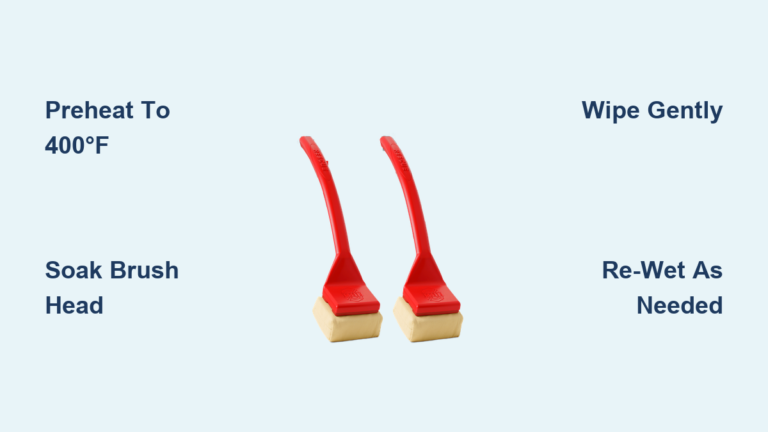
- Griddle cleaning pads or Scrub Daddy-style pads as safer alternatives to wire brushes.
- Plastic putty knives for scraping grease from the cookbox without scratching surfaces.
- Pipe cleaners for unclogging burner ports without damage.
- Microfiber cloths to prevent streaks on stainless exteriors.
- Two large bins for soaking grates and parts.
- Heat-resistant gloves, safety glasses, and a mask when using strong chemical sprays.
Clean Your Grill Grates After Every Cook

Scrape Grates While Warm
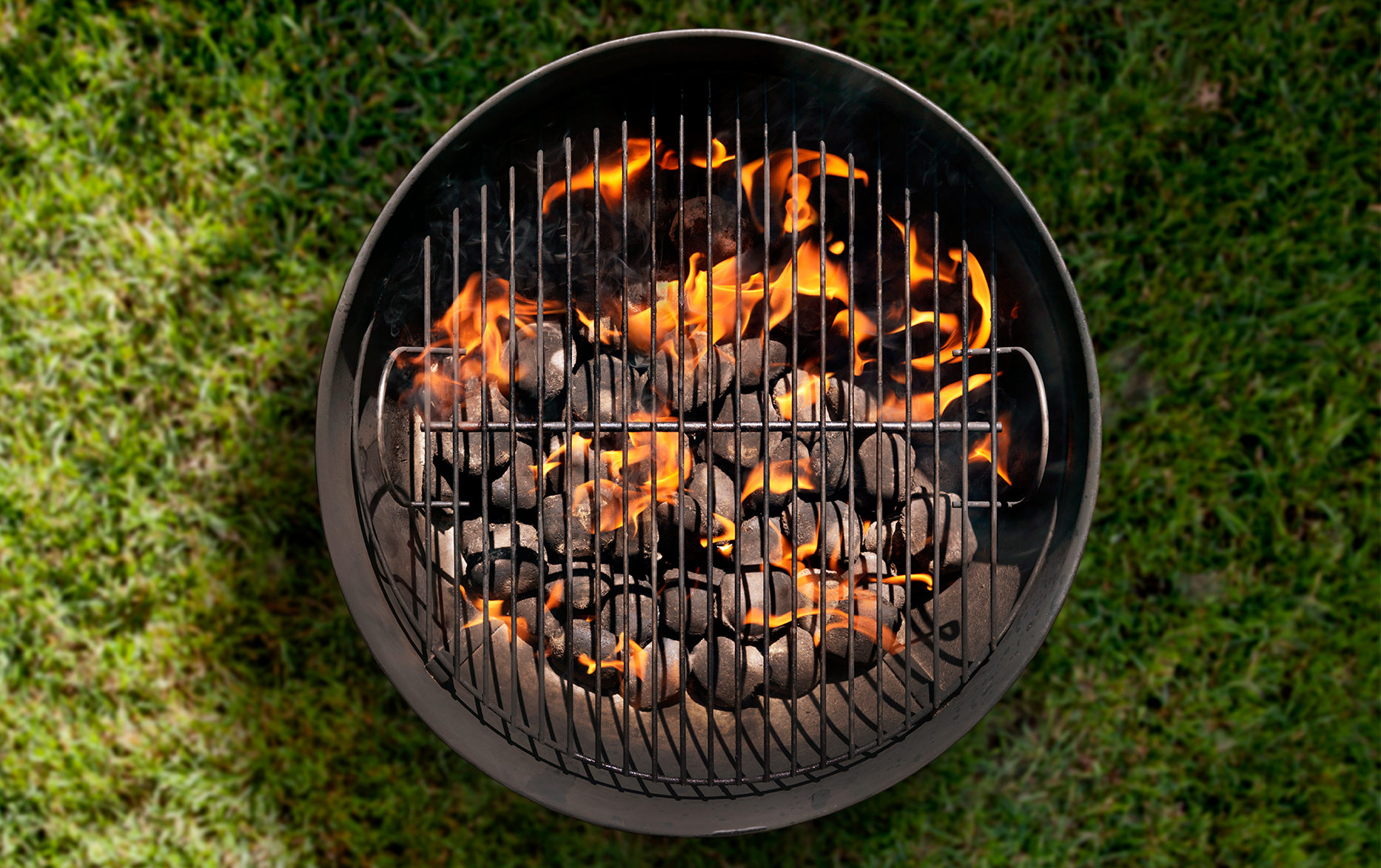
Turn the grill to high for 5 minutes after cooking to burn off residue. Then use a grill brush or non-abrasive pad to scrub the grates while still warm. This prevents buildup and makes future deep cleans much easier.
Oil Grates Only When Needed
Use tongs to wipe a folded paper towel lightly coated in oil across the grates. This prevents sticking on delicate foods like fish. Avoid excess oil, which causes flare-ups.
Leave a Thin Carbon Layer
You do not need perfectly clean grates. A thin, black carbonized layer protects against rust, similar to seasoning on cast iron. Just remove large food chunks and let the rest stay.
Deep Clean Grill Grates Monthly
Soak Grates in Degreaser
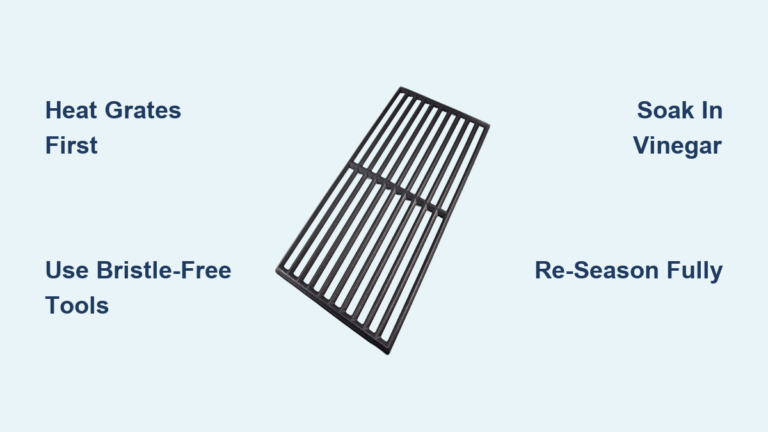
Remove the grates and soak them in warm water mixed with Simple Green or Dawn for 15 to 30 minutes. For heavy buildup, extend the soaking time.
Scrub with the Right Pad
- Standard grates: Use a stainless steel brush or fine-grade steel wool (grade 00000).
- Diamond-cut grates (like Hestan): Use griddle cleaning pads or screens. Never use wire brushes on these surfaces.
- Cast iron grates: Avoid soap. Use coarse salt and a cloth if needed.
Rinse and Dry Completely
Rinse off all soap and debris, then dry thoroughly with a towel. Moisture left on grates causes rust before you even fire up the grill again.
Clean Flavorizer Bars and Heat Shields

Remove and Inspect for Damage
Take out the flavorizer bars and check for warping or cracks. Replace any damaged bars right away, since they disrupt heat distribution and create hot spots.
Brush, Soak, or Burn Off Grease
Scrub bars with a grill brush, then spray with degreaser or soak in soapy water. For stubborn grease, place the bars directly over burners on high for 10 minutes, then scrape once they cool slightly.
Flip Ceramic Briquette Trays
If your grill uses ceramic briquette trays, flip them after each use so the dirty side faces the flame. The next preheat burns off residue automatically.
Unclog Burner Tubes the Correct Way
Brush Side-to-Side, Never Lengthwise
Brushing across the burner ports clears debris safely. Brushing lengthwise pushes gunk into adjacent holes and blocks airflow. On Genesis models, brush left to right. On Spirit models, brush up and down.
Clear Clogged Ports with a Pipe Cleaner
Use a pipe cleaner or the tip of a toothbrush to reopen blocked holes. Spray with Simple Green, let it sit, then rinse. Clogged ports cause weak flames and uneven heating.
Check for Steady Blue Flames
After cleaning, relight the grill and observe the burners. The flame should be steady and blue. Yellow or spotty flames mean ports are still clogged and need another pass.
Scrape and Degrease the Cookbox Interior
:max_bytes(150000):strip_icc()/how-to-clean-gas-grill-4x3-5b62e9e70e6744a3801396fd46cab07c.jpg)
Remove Built-Up Grease with a Putty Knife
Use a plastic putty knife to scrape grease from the bottom, sides, and back of the cookbox. Push debris toward the drip tray for easy removal.
Spray and Scrub with Degreaser
Spray interior walls with Dawn Power Wash or Simple Green. Let it sit for 5 to 10 minutes, then scrub with a non-scratch pad or soft brush. Use a toothbrush for corners and igniter areas.
Rinse and Wipe Dry
Wipe down with a damp cloth or rinse carefully with a hose, avoiding water in the burner tubes. A thin carbon layer is fine and actually helps with heat retention.
Empty and Clean the Drip Tray Regularly
Scrape Off Stuck Grease
Slide out the drip tray and use a spatula or putty knife to remove stuck-on grease. Dispose of solid waste properly.
Wash, Rinse, and Dry
Soak in soapy water or spray with degreaser. Scrub with a fine steel wool pad, rinse, and dry completely. Moisture trapped in the tray leads to rust fast.
Replace Liners the Right Way
Use manufacturer-recommended disposable liners. Never use aluminum foil as a substitute. Foil blocks airflow, traps heat, and dramatically increases fire risk.
Wash the Grill Exterior Monthly
Clean Only When Cool
Never clean a hot grill. Wait until the surface is cool to the touch before wiping down the exterior.
Use Mild Soap and a Microfiber Cloth
Mix dish soap with warm water and wipe down stainless steel or painted exteriors with a microfiber cloth.
Follow the Grain on Stainless Steel
Wipe side to side to match the grain of the steel. This prevents scratches and streaks that ruin the finish.
Remove Rust with Barkeeper’s Friend
Apply Barkeeper’s Friend to rust spots or dull areas. Buff with a non-lint cloth, then rinse and dry immediately.
Maintain a Consistent Cleaning Schedule
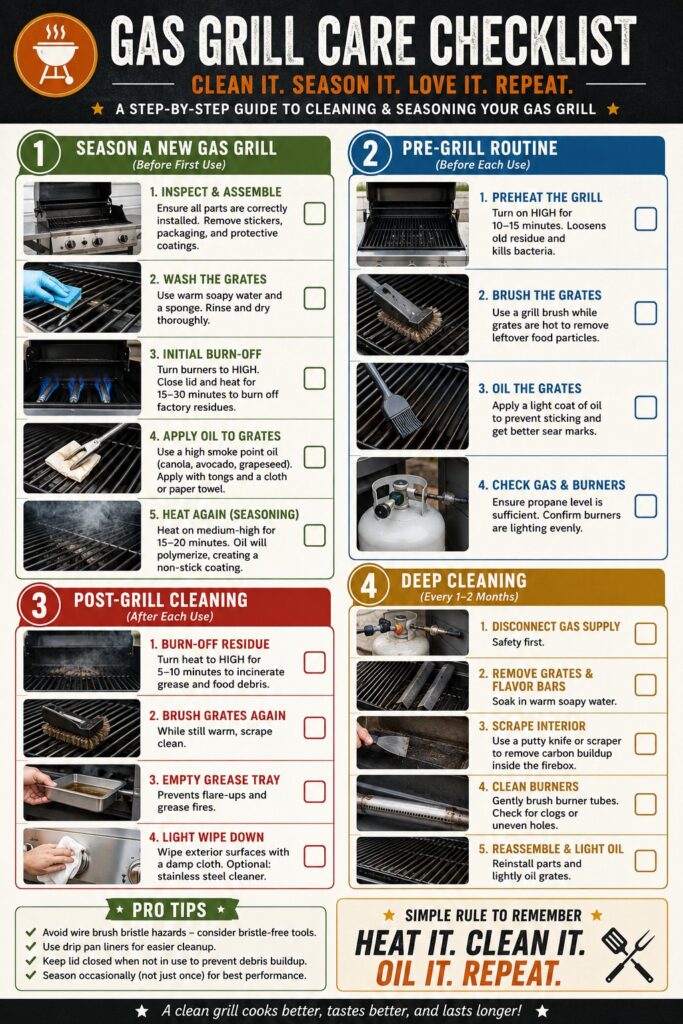
- After every cook: Scrape grates while warm and wipe off food debris.
- Every few cooks: Empty and clean the drip tray. Replace the liner if full.
- Monthly: Wipe down the exterior, scrape the cookbox bottom, and check burner flames.
- 3 to 4 times per year: Fully disassemble the grill, soak parts, clean burners, and deep scrub the interior.
- Seasonally: Deep clean before the first cook of the season and again before winter storage.
Store Your Grill Properly for Long-Term Protection
Always Use a Cover
A grill cover prevents rain, snow, and debris from accelerating rust. Uncovered grills can deteriorate in months. Covered budget grills regularly last 6 years or more.
Keep the Storage Area Dry and Ventilated
Store your grill in a dry area whenever possible. If kept under a patio, make sure there is enough airflow to prevent smoke or moisture buildup.
Remove Ash Immediately After Cooling
If you use charcoal or a hybrid grill, remove ash once fully cooled. Ash traps moisture and forms a concrete-like crust that promotes rust. Store ash in a metal bucket away from combustibles.
Avoid These Common Gas Grill Cleaning Mistakes
- Do not use foil in the drip tray. It blocks ventilation, creates pooling grease, and increases fire risk.
- Never brush burner tubes lengthwise. It jams debris into the ports and blocks airflow.
- Do not skip the post-clean burn-off. Fire up the grill on high for 10 to 15 minutes to burn off soap residue and re-season the grates.
- Do not use harsh abrasives on stainless steel. Steel wool and strong chemicals scratch and corrode the finish.
- Do not leave ash or grease overnight. Both attract moisture and accelerate rust.
Frequently Asked Questions About Gas Grill Cleaning
How often should I deep clean my gas grill?
Deep clean your grill 3 to 4 times per year. Light cleaning after every cook and monthly exterior washes keep your grill in good shape between deep cleans.
Can I use aluminum foil in the drip tray?
No. Aluminum foil blocks airflow, traps heat, and increases fire risk. Always use manufacturer-recommended drip pan liners instead.
What is the best way to clean clogged burner ports?
Use a pipe cleaner or the tip of a toothbrush to reopen blocked holes. Brush side-to-side or up-and-down. Never brush lengthwise, as it pushes debris into adjacent ports.
Is it safe to pour water on a grill fire?
Never pour water on a grease fire inside a grill. Water hitting hot grease causes steam explosions or flashback. Turn off the gas, open the lid, and let the fire burn out.
Should I oil my grill grates after every cook?
Only oil grates when cooking delicate foods like fish or vegetables. Excess oil causes flare-ups and leaves a sticky residue that attracts more buildup.
What causes yellow flames on a gas grill?
Yellow or spotty flames mean clogged burner ports or low gas pressure. Clean the ports with a pipe cleaner and check for even, blue flames after reassembly.
Key Takeaways for Keeping Your Gas Grill Clean
Keeping a gas grill clean comes down to three core habits: scrape after every cook, clean the drip tray regularly, and deep clean a few times per year. These simple steps prevent dangerous grease fires, improve the flavor of your food, and extend your grill’s lifespan by years.
Use the right tools for each component, avoid aluminum foil in the drip tray, and always finish with a high-heat burn-off to remove residue and re-season the grates. Store your grill with a cover in a dry, ventilated area to protect it from rust and weather damage.
Start with a quick post-cook scrape tonight, set a reminder for a monthly exterior wash, and schedule a full deep clean before peak grilling season. Your grill will run safer, cook better, and last longer with just a few minutes of consistent care.