
How to Grill Walleye: Quick Steps
Grilling walleye is one of the easiest ways to enjoy North America’s most beloved freshwater fish. Known for its mild, sweet flavor and flaky white texture, walleye responds beautifully to the grill when handled with care. Because it’s naturally low in fat, it can dry out quickly or stick to the grates if not prepped correctly. Whether you’re cooking fresh-caught spring walleye by the lake or using high-quality frozen fillets at home, a few simple techniques make all the difference.
This guide covers everything you need: how to prep fillets like a pro, choose the best grilling method for your setup, avoid common mistakes, and serve it with restaurant-quality flair. From campfire simplicity to gourmet dinners, you’ll get precise timing, temperature control, and seasoning strategies that deliver juicy results every single time.
Prep Fillets Like a Pro
Before heat hits the fish, proper preparation ensures flavor, texture, and easy grilling.
Remove Pin Bones Safely
Even store-bought or professionally filleted walleye often contain tiny pin bones. Run your fingertip down the center of the fillet and you’ll feel them just beneath the surface. Use needle-nosed pliers to grip and pull each bone out in the direction it’s pointing. They usually run in a diagonal line from the center toward the edges, so finding the first one makes the rest easier.
Pro Tip: Remove bones before seasoning so herbs and salt can penetrate evenly.
Dry Thoroughly for Better Sear
Rinse fillets under cold water, then pat completely dry with paper towels. Moisture prevents proper browning and increases sticking risk. Drying is non-negotiable because it helps seasoning stick and promotes searing instead of steaming.
Choose Skin-On for Best Results
Grill walleye skin-on whenever possible. The skin acts as a natural barrier, protecting the delicate flesh from direct heat and helping the fillet hold together. It also crisps beautifully and peels off effortlessly after cooking.
Expert Note: Never remove skin before grilling. It dramatically increases breakage and drying.
Seasoning: Keep It Simple or Go Bold
Walleye’s natural sweetness shines with minimal seasoning, but bold profiles work too. Choose based on your meal context.
Minimalist Salt & Spice Rub
For fresh-caught or high-quality fillets, use a simple dry rub:
- 1 tsp sea salt
- 1 tsp smoked paprika
- 1 tsp Old Bay seasoning
- ½ tsp black pepper
Rub both sides of the fillet, let rest 10–15 minutes, then grill. This approach honors the fish’s clean taste and is ideal for a lake-to-table meal.
Flavor-Boosting Wet Marinade
For deeper flavor, marinate 30 minutes to overnight in:
- ¼ cup olive oil
- Juice of 1 lemon
- 2 minced garlic cloves
- 1 tbsp chopped fresh dill or parsley
- ½ tsp onion powder
Seal in a container and refrigerate. Discard marinade after use.
Add Smoke with Wood Chips
Toss hickory, apple, or cherry wood chips onto hot coals or in a smoker box. The subtle smoke enhances walleye’s richness without overpowering it, especially effective with skin-on fillets.
Set Up the Grill Correctly
A properly prepped grill prevents sticking and ensures even cooking.
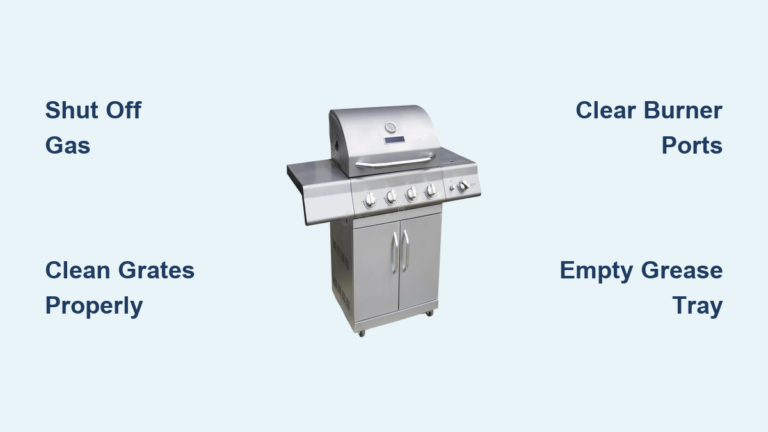
Heat to Medium-High (375–400°F)
Preheat your grill for 10 minutes on medium-high. Use an infrared thermometer or hold your hand 5 inches above the grates. If you can only hold it for 3–4 seconds, you’re in the right range.
Clean and Oil the Grates
Scrub grates with a brass brush, then oil them using tongs and a folded paper towel dipped in vegetable oil. This creates a non-stick surface and helps form attractive grill marks.
Warning: Skipping this step is the number one cause of stuck fish.
Grill Methods: Choose Your Style
Pick the method that fits your setup and desired outcome.
Direct Grilling (Skin-On)

Best for firm texture and grill marks.
Place Skin-Side Down First
Lay fillets skin-side down on the oiled grates. Do not move for 4–5 minutes. When the fish releases naturally, flip once.
Cook Time: 8–14 Minutes Total
- Thin fillets (½ inch): 4 minutes per side
- Thick fillets (¾ inch or more): 5–7 minutes per side
Move to indirect heat if edges brown too fast but the center isn’t cooked.
Flip Only Once
Multiple flips cause breakage. Wait until the fish lifts cleanly before turning.
Visual Cue: Flesh turns opaque and flakes easily with a fork.
Foil Packet Grilling (No-Fail Moisture)

Ideal for camping, beginners, or delicate fillets.
Build a Sealed Packet
Use heavy-duty foil (12×18 inch). Place fillets skin-side down. Top with:
- 1 tbsp melted butter or olive oil
- Lemon slices
- Fresh herbs (dill, parsley)
- Salt, pepper, paprika
Fold edges tightly to seal with no gaps. The packet should puff like a pillow when cooking.
Grill for 12–15 Minutes
Place packet on grill. Cook 6–8 minutes per side, flipping once. No peeking; steam is key to juiciness.
Safety Tip: Open packet away from your face to avoid steam burns.
Why It Works
Foil traps moisture, essentially steaming the fish in its own juices. This is perfect for campfire cooking or when you want zero cleanup.
Cast Iron Grill Pan (Indoor Option)

Replicate outdoor flavor indoors.
Heat Pan Over Medium
Use a cast-iron grill pan and heat for 2 minutes with a light coat of oil.
Grill 4+3 Minutes
Place fillet flesh-side down. Cook 4 minutes, flip, cook 3–4 more. Finish with a squeeze of lemon or citrus butter sauce.
Bonus: Great for finishing fish started in the oven or adding sauce control.
Check Doneness Accurately
:max_bytes(150000):strip_icc()/How-to-tell-when-fiah-is-done-final-resized-fcf6535a06dc4e8585570b30c0c8ef2d.jpg)
Don’t guess. Use these foolproof tests.
Use the Flake Test
Insert a fork into the thickest part and twist. Fish is done when it flakes into clean layers and appears opaque throughout.
Target 145°F Internal Temp
Insert an instant-read thermometer into the thickest section. At 145°F, walleye is perfectly cooked (USDA standard). Remove just before it hits this temp because carryover heat will add 5–10 degrees.
Test the Skin (If On)
After resting 1 minute, slide a spatula under the skin edge. If it peels back easily, the fish is ready. If it sticks, give it another minute.
Warning: Overcooking dries out walleye fast. It’s done in under 15 minutes.
Make Citrus Butter Sauce (Gourmet Finish)
Elevate grilled walleye with a bright, velvety sauce.
Ingredients
- 4 tbsp butter
- ¼ cup dry white wine or chicken stock
- 2 tbsp lemon juice
- 1 tbsp orange juice
- ½ tsp minced garlic
- 1 sprig fresh oregano
- Salt and pepper to taste
Steps
- Simmer wine, citrus juices, garlic, and oregano for 3 minutes.
- Reduce heat to low. Add butter one cube at a time, stirring until melted.
- Cook 2 more minutes. Remove oregano. Season.
- Drizzle over hot fish just before serving.
Customize: Add capers, fresh dill, or a splash of white wine for extra depth.
Serve and Pair Wisely
Maximize flavor and texture with smart serving.
Let Fish Rest 2–3 Minutes
Resting redistributes juices and firms the flesh slightly, making flaking and plating easier.
Recommended Sides
- Vegetables: Grilled asparagus, green beans, corn on the cob
- Starches: Roasted potatoes, rice pilaf, quinoa
- Salads: Light green salad with lemon vinaigrette
Beverage Pairings
- White Wine: Sauvignon Blanc or Pinot Grigio
- Cocktails: Citrus spritz, light lager
Garnish for Impact
Top with fresh parsley, lemon wedges, or a sprinkle of flaky sea salt.
Store and Reheat Without Ruining Texture
Leftovers? Handle carefully.
Refrigerate Within 2 Hours
Place in an airtight container. Consume within 2 days.
Reheat Gently
- Best Method: Warm in a skillet over low heat with a splash of water or butter.
- Oven Option: 300–325°F for 8–10 minutes, covered.
- Never Microwave: It turns walleye rubbery or dry.
Repurpose Leftovers
Flake into:
- Fish tacos
- Salads
- Sandwiches
- Fish chowder
Avoid These 5 Common Mistakes
Even seasoned cooks mess up walleye. Here’s how to avoid it.
1. Overcooking the Fillet
Walleye cooks fast. Start checking at 4 minutes. Overcooked fish turns dry and chalky.
Fix: Set a timer. Use a thermometer.
2. Skipping the Bone Check
“Boneless” doesn’t mean pin-bone free. Always feel and remove them.
3. Not Drying the Fish
Wet fillets steam instead of sear. Always pat dry before seasoning.
4. Flipping Too Early or Too Often
Wait until the fish releases naturally. Flip only once.
5. Microwaving Leftovers
Destroys texture. Always reheat slowly on stove or oven.
Special Scenarios: Match Method to Moment
Tailor your approach to the occasion.
Camping? Use Foil Packets
No mess, no cleanup. Just toss packet on campfire grill. Add veggies and lemon and dinner is done.
User Tip: Called “Scooby Snacks” by anglers. Simple, tasty, foolproof.
Health-Conscious? Go Dairy-Free
For Paleo, Whole30, or GAPS:
- Use ghee instead of butter
- Skip processed blends; use sea salt, fresh herbs, garlic
- Avoid sugary marinades
Entertaining? Serve with Citrus Sauce
Impress guests with smoky grilled walleye and a glossy citrus butter drizzle. Plate with asparagus and quinoa for a refined look.
Just Caught It? Keep It Simple
Fresh spring walleye needs little. Salt, Old Bay, paprika. Grill skin-on and let the fish speak for itself.
Frequently Asked Questions About Grilling Walleye
How long should you grill walleye fillets?
Grill walleye for 8–14 minutes total, depending on thickness. Thin fillets (½ inch) need about 4 minutes per side, while thicker fillets (¾ inch or more) need 5–7 minutes per side. Always start checking at the 4-minute mark to avoid overcooking.
Should you grill walleye with the skin on or off?
Grill walleye skin-on whenever possible. The skin acts as a natural barrier that protects the delicate flesh from direct heat, retains moisture, and prevents sticking. After cooking, the crispy skin peels off easily with a spatula.
What temperature should walleye be cooked to?
Walleye should reach an internal temperature of 145°F (USDA standard). Remove it just before it hits this mark because carryover heat will add 5–10 degrees during resting.
How do you keep walleye from sticking to the grill?
Prevent sticking by preheating the grill to 375–400°F, thoroughly cleaning the grates, and oiling them with a folded paper towel before cooking. Also, make sure the fish is completely dry and don’t flip it until it releases naturally from the grates.
Can you grill frozen walleye?
Thaw frozen walleye completely in the refrigerator overnight before grilling. Pat the fillets dry thoroughly before seasoning. Grilling frozen fillets leads to uneven cooking and excess moisture, which causes sticking.
What seasonings go best with walleye?
Walleye pairs well with simple seasonings like sea salt, black pepper, smoked paprika, Old Bay, garlic powder, and fresh herbs such as parsley, dill, or thyme. Lemon juice and butter also complement its mild sweetness without overpowering it.
Key Takeaways for Grilling Walleye Like a Pro
Grilling walleye comes down to three essentials: proper prep, precise heat, and patience. Always remove pin bones, pat the fillets dry, and keep the skin on for protection. Preheat your grill to 375–400°F, oil the grates, and flip only once when the fish releases naturally.
Choose your method based on the moment. Use direct grilling for grill marks and firm texture, foil packets for camping or foolproof moisture, or a cast iron pan for indoor cooking. Check doneness at 145°F internal temperature or with the flake test, and rest the fish for 2–3 minutes before serving.
Fire up the grill, season simply or boldly, and follow these steps. Your best walleye yet is minutes away.