
How to Grill Mutton: Quick Steps
Grilling mutton is a rewarding challenge that turns a bold, richly flavored meat into a tender, char-kissed masterpiece. Unlike lamb, mutton comes from mature sheep, delivering a deeper, more complex taste that shines when treated right. But because it’s denser and tougher than lamb, mutton demands smart prep, proper marination, and precise heat control. Skip the guesswork: this guide reveals pro-level techniques—from reverse searing thick chops to crafting regional marinades—that guarantee juicy, tender grilled mutton every time. Whether you’re cooking for Eid, a backyard feast, or just craving big flavor, you’ll learn how to choose the right cut, tenderize effectively, grill with smoke, and serve with flair.
Choose the Right Mutton Cut
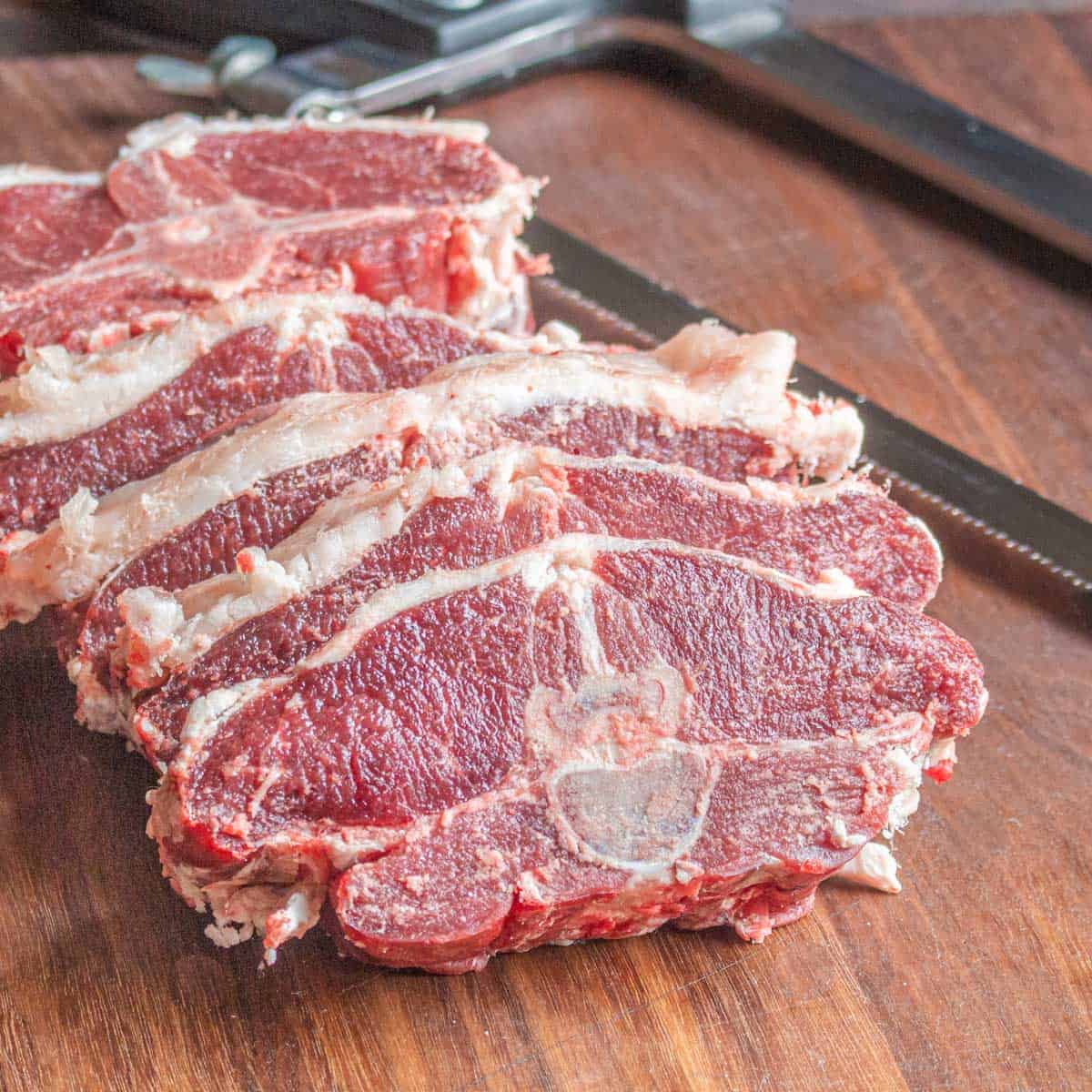
Pick Thick, Bone-In Chops
Opt for 1- to 2-inch-thick mutton chops with a T-shaped bone, essentially a miniature porterhouse. These cuts, often called saddle chops, offer balanced meat from both the strip and tenderloin. Thicker chops are ideal for reverse searing, while thinner ones work for direct grilling. Look for high fat marbling, which keeps the meat juicy during high-heat cooking.
Identify True Mutton
In the U.S., many “lamb” chops are actually young mutton. A telltale sign? A shoulder size matching a pork shoulder (200+ lbs). True mutton has darker meat, firmer texture, and richer flavor. Don’t shy away, as its robust taste shines when grilled.
Prepare Chops Properly
If cutting your own from a whole saddle, use a boning knife and small handsaw (not a cleaver) to avoid bone splinters. After cutting, scrape off bone dust with a spoon or knife back, since this gritty residue ruins texture. Trim excess meat from the bone for clean presentation, and lightly flatten uneven areas with a meat mallet for even cooking.
Build a Flavor-Packed Marinade
Use Acid + Enzymes for Tenderness
Mutton needs both acidic and enzymatic tenderizers to break down tough fibers. Combine:
– Lemon juice or white vinegar (acidic)
– Papaya paste or crushed raw papaya (enzymatic, use 1 tsp per kg)
These work fast. 30 minutes is enough for tenderizing, especially with papaya. Avoid over-marinating in acid beyond 12 hours, which can make meat mushy.
Add Aromatics to Cut Gameiness
Fresh ginger-garlic paste (1–2 tbsp) is essential to neutralize any gamy notes. Include onion paste for sweetness and green chili paste for heat. Jarred garlic works in a pinch, but fresh is best for depth.
Select Spices by Cuisine Style
Tailor your spice blend to your flavor goal:
| Style | Key Spices |
|---|---|
| West Kentucky BBQ | Rosemary, thyme, coarse black pepper, salt |
| South Asian (Eid) | Garam masala, cumin, coriander, turmeric, red chili, white pepper |
| Malay | Ground coriander, cumin, white pepper, jaggery (palm sugar) |
| Tandoori | Tandoori masala, roasted cumin, cayenne, yogurt |
Tandoori masala or chicken tikka masala adds smokiness and a vibrant red hue, perfect for visual appeal.
Bind with Fat and Yogurt
Use thick, water-free yogurt (hung curd) as a base. It tenderizes mildly and helps spices adhere. Mix with olive oil, vegetable oil, or ghee to prevent steaming and promote crust formation. Add yellow mustard for tang and better char development.
Master the Double-Marination Method

Stage 1: Tenderize First
Start with acid + enzymes + salt + aromatics:
– 2 tbsp lemon juice
– 1 tbsp papaya paste
– 1 tbsp each garlic, ginger, onion paste
– ½ tsp salt
Mix well, coat chops, and marinate 30 minutes minimum. This softens fibers and preps the meat for flavor absorption.
Stage 2: Add Spices and Oil
After the first stage, mix in:
– Dry spices (garam masala, cumin, chili, etc.)
– 2 tbsp oil or ghee
– Thick yogurt (if using)
Toss to coat evenly. This second layer builds flavor and protects meat during grilling.
Marinate Overnight for Best Results
While 30 minutes works in a pinch, 4–6 hours is standard, and 8–12 hours (overnight) is optimal. Always marinate in the fridge. If using a short room-temp marinate (under 4 hours), bring meat to room temperature before grilling for even cooking.
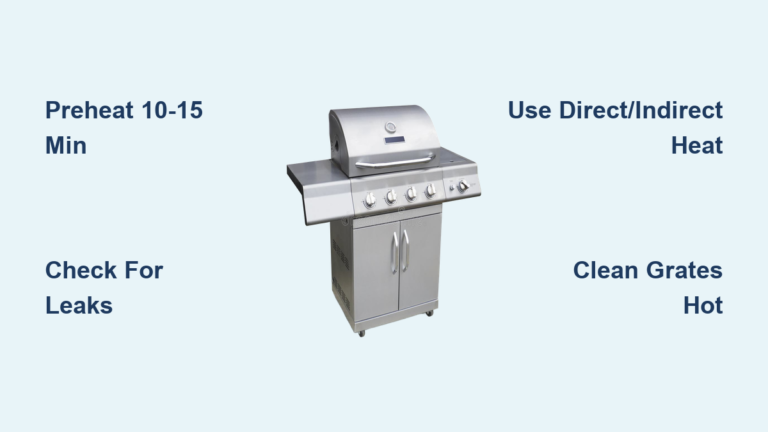
Set Up the Grill for Control
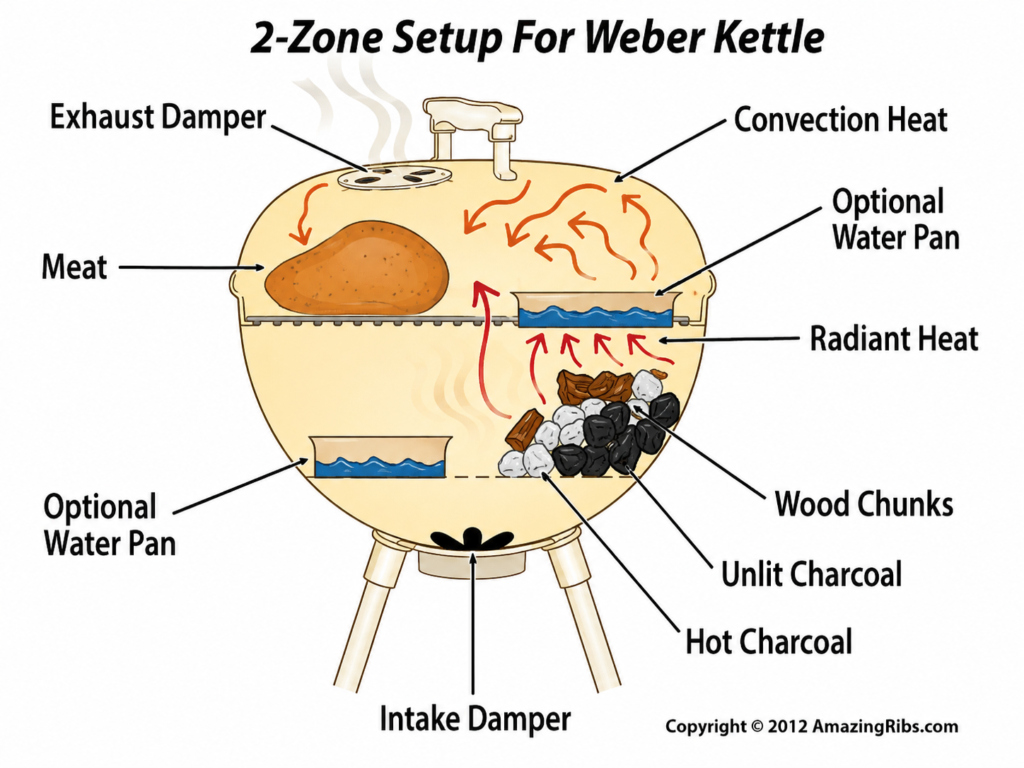
Use Two-Zone Heat for Thick Cuts
For chops over 1 inch, two-zone grilling is essential:
– Hot zone: Direct flame for searing (500°F+)
– Cool zone: Indirect heat for slow cooking (275°F–300°F)
This setup works on charcoal, Kamado, or gas grills and prevents burning while achieving even doneness.
Pick the Right Smoke Wood
Pecan split wood is ideal, offering a mild, nutty flavor complementary to mutton. Alternatives:
– Mesquite or mango wood for bold smokiness
– Oak or hickory for classic BBQ depth
Add wood to coals during the smoking phase for flavor infusion.
Preheat and Stabilize Temperature
Let the grill reach target temp before adding meat:
– 275°F for indirect smoking
– Over 500°F for searing
Use a grill thermometer to monitor chamber temp. For fast searing, boost heat with an accelerator tool or extra air intake.
Choose the Right Cooking Method
Reverse Sear Thick Chops (>1.5 Inches)
This method ensures edge-to-edge doneness with perfect char.
Smoke to Target Temp
Place marinated chops on the indirect side, close the lid, and smoke until internal temp hits:
– 90°F (for rare finish)
– 100°F (for medium-rare)
Takes roughly 40 minutes. Cook to temp, not time.
Sear Over Blazing Heat
Once near target, crank the hot zone to 500°F+. Sear chops 2–3 minutes per side to develop crust. Avoid over-charring; focus on flavor, not crosshatch marks.
Rest with Flavor Boost
Move back to indirect zone. Spoon reserved (boiled) marinade over chops, close lid for 2 minutes. This reactivates herbs and garlic.
Pull at Final Temp
Use an instant-read thermometer:
– Rare: Pull at 120°F–125°F
– Medium-rare: Pull at 130°F–135°F
Rest 2–3 minutes before serving.
Grill Standard Cuts Directly
For 1-inch chops, skip smoking and go straight to heat.
Sear Over Medium-High Heat
Preheat grill or cast iron skillet to 350°F–400°F. Oil the surface lightly.
Don’t Move for 5 Minutes
Place chops down and let them sear undisturbed for 5 minutes to build a golden crust. Flip and cook another 5–7 minutes.
Baste for Juiciness
Brush with ghee, oil, or lemon juice every few minutes. Papaya-tenderized meat cooks faster, so watch closely.
Check Internal Temp
Aim for:
– 125°F–135°F (medium-rare, ideal)
– 145°F minimum for food safety (medium)
Rest 2–3 minutes.
Skewer Cubed Mutton for Easy Grilling
Perfect for kebabs or parties.
Soak Skewers First
Use wooden skewers? Soak in water 30 minutes to prevent burning. Metal skewers don’t need soaking.
Thread Even Pieces
Cut mutton into 1.5-inch cubes, marinate 4–6 hours or overnight. Thread onto skewers, leaving space for even heat.
Grill Over Medium-High Heat
Cook 15–20 minutes, turning occasionally. Baste with lemon juice for brightness.
Garnish and Serve
Top with fresh coriander and serve hot.
Try the Hybrid Grill-Oven Method
For indoor or controlled cooking.
Sear First, Roast After
Sear seasoned chops in a hot cast iron skillet (2–3 mins per side) to build crust.
Finish in Oven
Transfer skillet to a 325°F oven. Roast 10–12 minutes until internal temp hits 120°F–125°F.
Rest Before Serving
Let rest 10 minutes. Debone and slice across the grain for elegant plating.
Hit the Perfect Doneness Every Time

Use an instant-read thermometer, because guessing leads to tough mutton.
| Doneness | Pull Temp | Final Temp | Texture |
|---|---|---|---|
| Rare | 120°F–125°F | ~125°F | Soft, red center |
| Medium-Rare | 130°F–133°F | ~135°F | Warm red, tender |
| Medium | 140°F | ~145°F | Pink, firm |
| Well-Done | 150°F+ | 155°F+ | Dry, tough (not recommended) |
Pro Tip: Mutton chops are small and overshoot fast. Pull 15°F–35°F below target before searing, as temp rises quickly during final char.
Finish with Pro Enhancements

Revive Flavors with Post-Marinade
After grilling, spoon boiled leftover marinade over hot chops. Cover for 2 minutes to rehydrate spices and awaken garlic-herb notes.
Make a Green Chilli Relish
Pulse 6–8 green chillies, 4–5 garlic cloves, 1 tsp sugar into a coarse paste. Sauté in rendered mutton fat or ghee for 1 minute. Drizzle over chops for a spicy, aromatic finish.
Baste with Butter or Lemon
In the last 2 minutes, add butter to the pan for richness or brush with lemon juice to cut fat and add zing.
Plate Like a Pro
Debone for Elegant Presentation
Slide a boning knife along the X-shaped bone to remove meat. Slice across the grain, then reassemble on the bone for a dramatic “deconstructed” look.
Garnish Simply
Top with fresh coriander, mint leaves, or lemon wedges. Avoid overpowering the meat’s natural richness.
Serve with Complementary Sides
Pair with Bold Flavors
- Cowboy beans (with bourbon, brown sugar, BBQ sauce)
- Warm naan or roti
- Steamed basmati rice
- Cucumber-tomato salad
- Green chutney or raita (yogurt sauce)
Match with the Right Drink
- Bourbon (with West Kentucky style)
- Rustic red wine (Southern Rhône Valley)
- Lemon water or lassi (with South Asian styles)
Ideal Occasions
Perfect for Bakra Eid, 4th of July, dinner parties, or weekend family meals.
Fix Common Grilling Mistakes
Tough Meat? Check Marination and Temp
Ensure papaya, vinegar, or yogurt is in the marinade. Never cook beyond 145°F unless you prefer well-done (not ideal). Use a thermometer.
Gamey Smell? Boost Aromatics
Add extra ginger-garlic paste and yogurt, which neutralize strong odors naturally.
Flare-Ups? Control the Heat
Move chops to the cool zone if flames erupt. Use medium-high, not max heat, and trim excess fat if needed.
Uneven Cooking? Flatten the Chops
Use a meat mallet to even out thick spots. Or cut uniformly from the start.
Bone Dust? Clean After Cutting
Always scrape bone dust off with a spoon before seasoning to prevent gritty texture.
Skewers Burning? Soak Them
30 minutes in water prevents wooden skewers from catching fire.
Store and Reheat Right
Freeze Marinated Mutton
Pre-marinate and freeze raw chops in zip-top bags. Thaw in the fridge before grilling.
Handle Leftovers
Store cooked mutton in airtight containers. Reheat gently, in a covered pan on low or in the oven at 275°F, to avoid drying out.
Frequently Asked Questions About Grilling Mutton
What is the best cut of mutton for grilling?
Thick, bone-in chops (1 to 2 inches) with high fat marbling are ideal. They offer balanced flavor and stay juicy during high-heat cooking.
How long should I marinate mutton before grilling?
A minimum of 30 minutes works with strong enzymatic tenderizers like papaya. However, 4–6 hours is standard, and overnight (8–12 hours) delivers the best flavor and tenderness.
What internal temperature should mutton be cooked to?
For medium-rare, pull at 130°F–135°F. For food safety, aim for at least 145°F. Avoid cooking beyond 150°F, as mutton becomes tough.
Can I grill mutton without a two-zone setup?
Yes, but it’s riskier for thick chops. Two-zone grilling prevents burning while ensuring even doneness. For thinner cuts, direct medium-high heat (350°F–400°F) works fine.
How do I reduce the gamey smell of mutton?
Use generous amounts of ginger-garlic paste and yogurt in your marinade. These ingredients naturally neutralize strong odors and add depth.
What wood is best for smoking mutton?
Pecan split wood is highly recommended for its mild, nutty flavor. Mesquite and mango wood offer bolder smokiness, while oak and hickory provide classic BBQ depth.
Final Thoughts on Grilling Mutton Like a Pro
Grilling mutton is a flavor journey that rewards patience and precision. The three keys to success: tenderize properly with acid and enzymes, control your heat with two-zone grilling, and pull early based on internal temperature. Whether you’re reverse-searing a thick chop with pecan smoke or grilling spiced kebabs for Eid, these details make the difference between tough and tender. Now fire up the grill, marinate those chops overnight, and taste the difference for yourself.