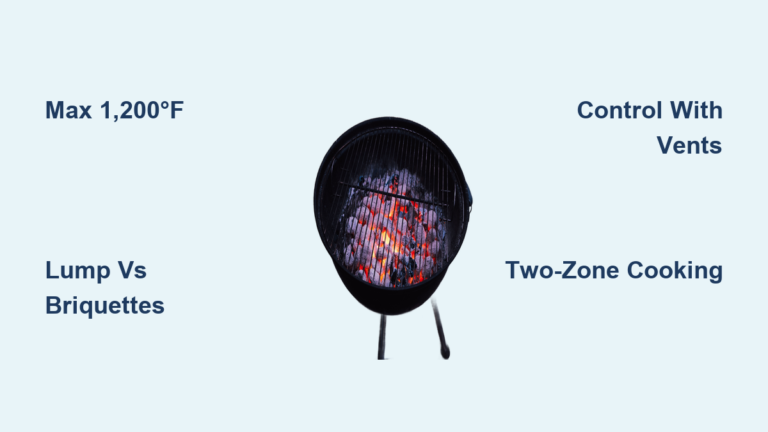

How to Grill Frozen Steak
You want a perfectly seared steak tonight, but your meat is still rock solid in the freezer. The good news: you can skip the thaw entirely and still get a deeply crusted, edge-to-edge pink steak. Grilling frozen steak is a science-backed technique that actually outperforms thawed meat in several ways.
This method uses the frozen core as a thermal buffer, preventing the gray, overcooked band that ruins thick steaks. With a two-zone fire setup, proper seasoning timing, and a reliable meat thermometer, you can go from freezer to plate in under 30 minutes. Below is every step, tool, and pro tip you need to master grilling frozen steak like a seasoned pitmaster.
Set Up a Two-Zone Fire
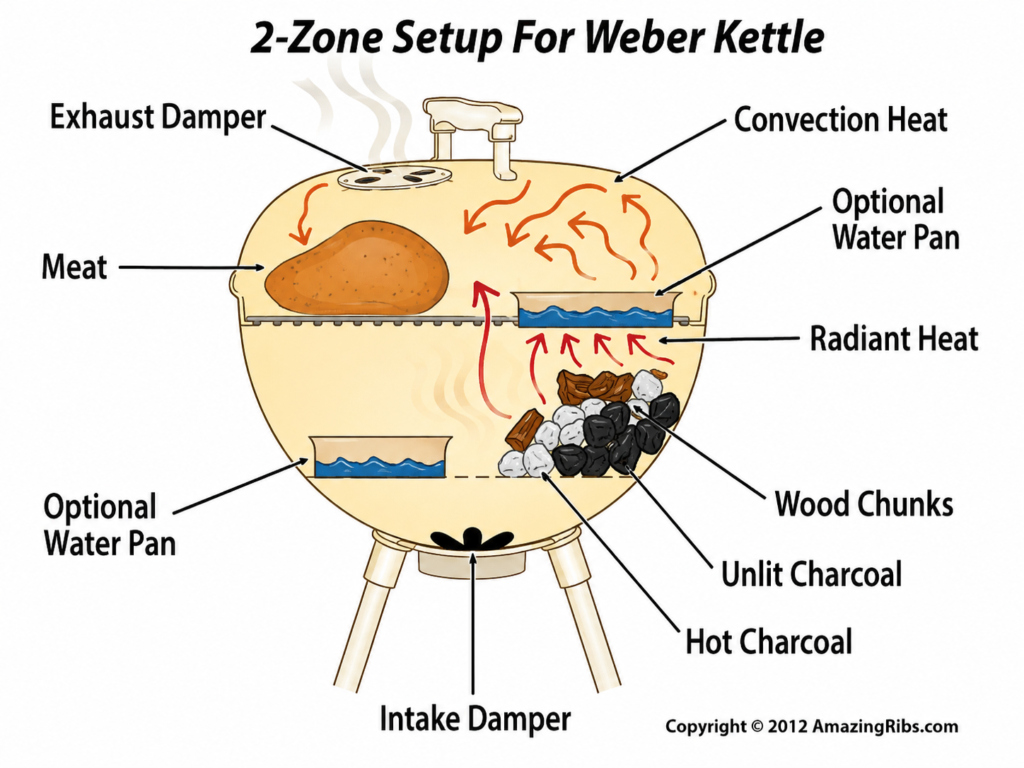
A two-zone grill setup is the single most important factor when cooking frozen steak. Without it, the outside burns before the inside thaws. This method separates your grill into a high-heat searing zone and a gentle, oven-like zone for finishing.
Why Two Zones Matter
A frozen steak needs extreme heat to form a crust, but prolonged direct exposure will char the surface while leaving the center icy. Dividing your grill solves this:
- Direct heat zone (500–700°F): For searing and crust development.
- Indirect heat zone (300–350°F): For slow, even cooking to the center.
This setup mimics oven roasting after searing, ensuring the interior cooks through without drying out.
How to Build the Zones
For gas grills:
1. Turn all burners to high and preheat with the lid closed for 10–15 minutes.
2. Once hot, turn off one or more burners to create a cool side.
3. Leave at least one burner on high for the sear zone.
For charcoal grills:
1. Light a full chimney of charcoal.
2. Once ashed over, pour coals onto one side of the grill.
3. Leave the other half empty for indirect cooking.
Keep the lid closed during cooking to trap heat and speed up surface thawing.
Choose the Right Steak
Not all cuts survive the frozen grill method. Thickness and marbling are critical to success.
Ideal Thickness: 1 to 1½ Inches
Steaks under 1 inch lack the thermal mass to handle the long sear time. By the time the center thaws, the exterior is overcooked. Thick cuts (1–1.5 inches) provide a buffer, allowing the inside to warm gradually while the outside sears.
Best Cuts for Frozen Grilling
Stick to well-marbled, thick-cut options:
- Ribeye: High fat content renders beautifully and keeps the meat juicy.
- New York Strip: Firm texture holds up well to high heat.
- Porterhouse/T-Bone: Dual muscles offer contrast, but ensure even thickness.
Avoid flank, skirt, or flat iron steaks. They are too thin and cook unevenly.
Prevent Freezer Burn
Steaks stored improperly develop dry, leathery patches that ruin texture. To prevent this:
- Freeze steaks flat on a tray before bagging.
- Use vacuum-sealed or zipper-lock bags with air pressed out.
- Use within 3–6 months for best quality.
Sear Over Direct High Heat
The sear locks in flavor, builds crust, and sets the stage for even cooking. With a frozen steak, this phase takes longer, but it is safe and effective.
Place the Steak Straight on Hot Grates
Remove the steak from the freezer and place it directly onto the direct heat zone. Do not thaw first. The surface ice evaporates quickly, and the intense heat begins forming a crust almost immediately.
Sear for 5–7 Minutes Per Side
Timing varies based on grill temperature and steak thickness:
- 5 minutes per side for rare to medium-rare.
- 7 minutes per side for thicker cuts or a deeper crust.
Keep the lid closed as much as possible to maintain high ambient heat, which helps thaw the surface layers.
Achieve Diamond Grill Marks (Optional)
For picture-perfect crosshatch marks, use the “3-3-rotate-3-3” method:
- Place steak at a 45° angle to the grates.
- Sear 3 minutes, flip, sear another 3 minutes.
- Rotate 90°, flip again, sear 3 minutes.
- Final flip and sear 3 more minutes.
This creates professional-looking marks on both sides.
Season After the First Flip
Salt and pepper will not stick to a frozen, icy surface. Seasoning too early means your spices fall off or burn.
When to Apply Seasoning
Add salt and pepper after the first flip, once the surface has thawed slightly and developed a dry, sticky layer. This moisture acts as glue for the seasoning.
How to Season Properly
Use kosher salt (like Diamond Crystal) and coarse black pepper:
- Generously coat all sides, including edges.
- Aim for visible crystals. Restaurants use more salt than you think.
- Avoid table salt; it dissolves too fast and can create hot spots.
Pro tip: For extra flavor, add garlic powder, smoked paprika, or rosemary after moving to indirect heat.
Move to Indirect Heat to Finish
After searing, the steak must finish cooking over indirect heat. This is where the center gently warms without burning the crust.
Transfer and Close the Lid
Once both sides are deeply browned, move the steak to the indirect zone. Position it at least 6 inches from direct flames or coals. Close the lid to create an oven-like environment where trapped heat circulates evenly.
Cooking Time on Indirect Heat
Expect 10–15 minutes, depending on:
- Desired doneness (rare vs. medium).
- Steak thickness.
- Grill temperature.
As a rule:
- Rare: May only need 5–8 minutes.
- Medium-Rare to Medium: 10–15 minutes.
- Add 4–6 minutes per doneness level (e.g., medium to medium-well).
Use a Meat Thermometer
Guessing doneness leads to overcooked or undercooked steak. A digital instant-read thermometer is essential.
Why Instant-Read Beats Probe Thermometers
Leave-in probe thermometers can melt or warp when exposed to direct flame during searing. Use a fast-response instant-read model (like Thermapen or ThermoPop) to check temp quickly.
Check Temperature in the Indirect Zone
Open the lid, insert the thermometer into the thickest part of the steak, avoiding fat or bone. Close the lid immediately after reading.
Know Your Pull Temperatures
Remove the steak 5°F below your target final temperature. Carryover cooking will raise it during resting.
| Doneness | Pull Temp | Final Temp After Rest |
|---|---|---|
| Rare | 115–120°F | 120–125°F |
| Medium-Rare | 120–125°F | 125–130°F |
| Medium | 130–135°F | 135–140°F |
| Medium-Well | 140–145°F | 145–150°F |
| Well-Done | 155°F+ | 160°F+ |
For best results, aim for 125°F for medium-rare.
Rest Before Slicing
Resting is what keeps your steak juicy. Skipping this step lets the juices run out onto the cutting board.
Let It Rest for 5 Minutes
Place the steak on a cutting board or warm plate. Tent loosely with foil if needed, but avoid sealing it, which can steam the crust.
During rest:
- Juices redistribute throughout the meat.
- Carryover cooking finishes the center.
- Texture firms up slightly for cleaner slicing.
Slice Against the Grain
Use a sharp knife to cut perpendicular to the muscle fibers. This shortens the fibers, making each bite more tender. For ribeye or strip, look for the direction of the grain and slice across it in ½-inch to 1-inch thick pieces.
Avoid Common Mistakes
Even small errors can ruin a frozen steak cook. Here is how to sidestep the most frequent pitfalls.
Do Not Grill on One Zone
Cooking entirely over direct heat burns the outside and leaves a frozen core. Always use two zones: sear first, then finish indirectly.
Do Not Season Too Early
Salt and pepper slide off icy meat. Wait until after the first sear when the surface is dry and tacky.
Do Not Skip the Thermometer
Time-based cooking fails with frozen steaks due to variable thickness and grill heat. Rely on temperature, not timing.
Do Not Use Thin Steaks
Steaks under 1 inch cook too quickly on the outside. The center never thaws evenly. Stick to 1-inch minimum.
Do Not Ignore Flare-Ups
Fat dripping onto flames causes sudden flare-ups. If flames engulf the steak:
- Move it to the indirect zone immediately.
- Close the lid to starve the fire of oxygen.
- Resume cooking once flames subside.
Compare Frozen vs. Thawed vs. Sous Vide
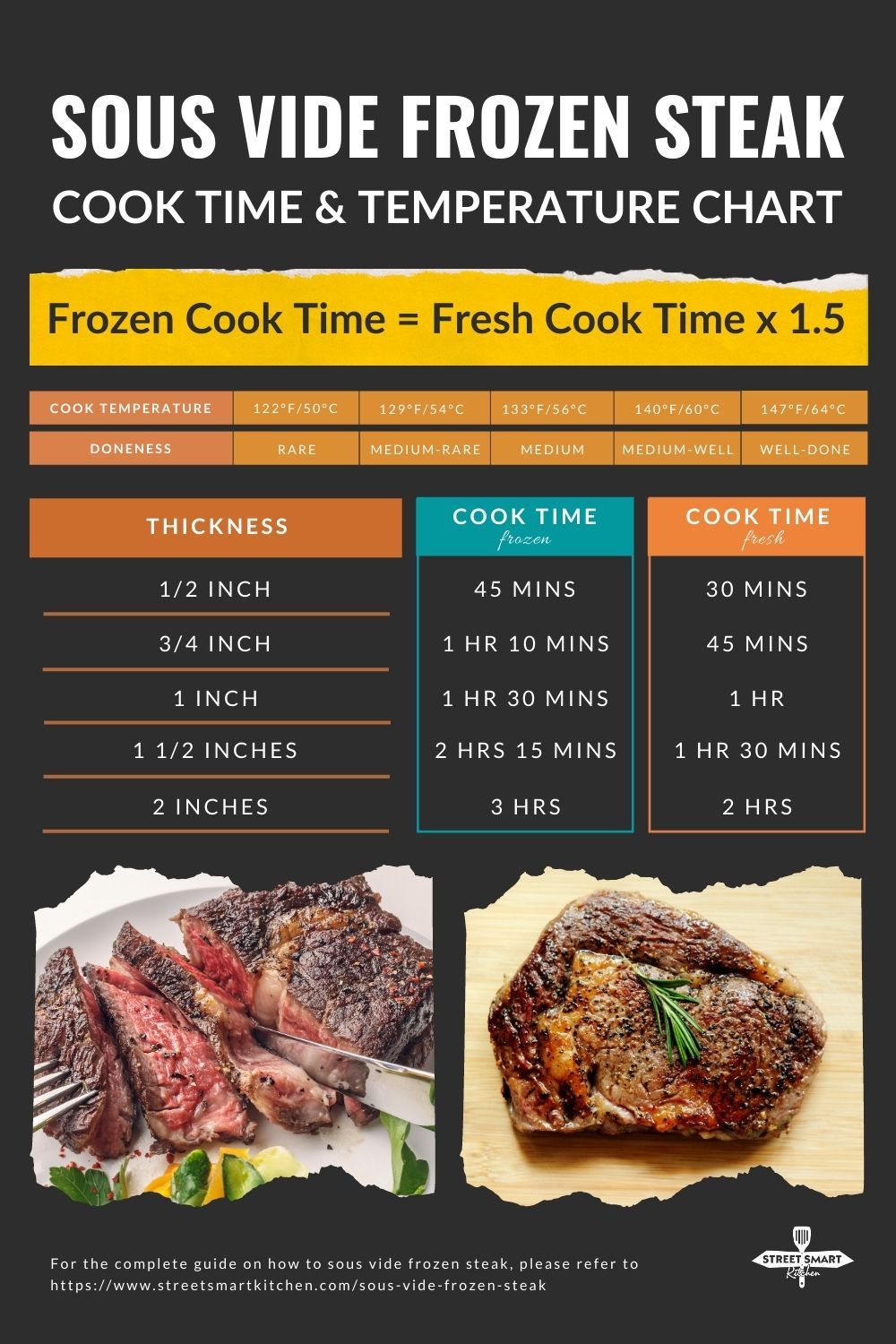
How does grilling frozen stack up against other methods?
Frozen vs. Thawed Steak
| Factor | Frozen Steak | Thawed Steak |
|---|---|---|
| Grey Band | Minimal to none | Common, especially in thick cuts |
| Juiciness | Higher (less protein shrink) | Moderate |
| Crust Development | Deeper, more even | Can overcook during sear |
| Convenience | No thawing needed | Requires 6–24 hours prep |
| Risk of Overcook | Lower (thermal buffer) | Higher |
Blind taste tests often show no detectable difference. Some tasters even prefer the frozen version.
Frozen vs. Sous Vide
| Factor | Grilling Frozen | Sous Vide + Sear |
|---|---|---|
| Flavor | Authentic grill char | Clean, even, lacks smokiness |
| Equipment | Grill only | Water bath, vacuum sealer |
| Time | 20–30 minutes | 1–4 hours (plus sear) |
| Consistency | High (with thermometer) | Maximum precision |
| Best For | Weeknight dinners, spontaneity | Entertaining, meal prep |
Grilling frozen wins for speed and real-grill flavor.
Pro Tips for Better Results
Elevate your frozen steak game with these expert-backed nuances.
Freeze Steaks Flat
Before bagging, place steaks on a parchment-lined tray and freeze uncovered for 5 hours. This:
- Prevents curling.
- Dries the surface (better sear).
- Ensures full contact with grates.
Render Fat Caps Fully
Thick ribeyes have fat edges that stay chewy if undercooked. During the indirect phase, stand the steak on its side for 1–2 minutes to render the fat cap.
Account for Carryover Cooking
The steak rises 5–10°F after removal. Pull at 125°F for medium-rare, not 130°F.
Clean Grates Prevent Sticking
A dirty grill sticks to cold meat. Preheat and scrub grates with a wire brush before placing the steak.
Frequently Asked Questions About Grilling Frozen Steak
Is it safe to grill a frozen steak?
Yes. The high heat of the grill quickly kills surface bacteria during the sear, and the steak reaches safe internal temperatures during the indirect phase. Beef safety concerns primarily involve surface contamination, which the sear addresses.
Do I need to thaw steak before grilling?
No. The entire method is designed for frozen steak. Thawing first removes the thermal buffer that prevents overcooking and actually makes it harder to get a good result.
How long does it take to grill a frozen steak?
Expect 20–30 minutes total. This includes 10–14 minutes of searing and 10–15 minutes on indirect heat, depending on thickness and desired doneness.
Why does my frozen steak taste better than thawed?
The frozen core prevents protein fibers from contracting and squeezing out moisture. You get less gray banding, more juiciness, and a deeper crust because the interior is not pulling heat away during the initial sear.
Can I use this method with a gas grill?
Absolutely. Preheat all burners on high, then turn off one or more to create the indirect zone. The two-zone approach works identically on gas and charcoal.
Key Takeaways for Grilling Frozen Steak Like a Pro
Grilling frozen steak is not a compromise. It is a superior method backed by food science and professional chefs. The frozen core acts as a thermal buffer, delivering edge-to-edge pinkness and a juicier bite than many thawed steaks achieve.
Focus on three essentials: a two-zone fire, a thick-cut steak (1–1.5 inches), and an instant-read thermometer. Season after the first flip, sear hard over direct heat, then finish gently over indirect heat until you hit your pull temperature. Rest for 5 minutes, slice against the grain, and serve.
Next time you forget to thaw dinner, skip the microwave and head straight for the grill. Your best steak might be the one you never planned ahead for.