
How to Cool Down a Charcoal Grill Safely
You’ve just finished grilling the perfect steak, but your charcoal grill is still blazing. Now what? Knowing how to cool down a charcoal grill safely isn’t just about convenience; it’s critical for safety, equipment longevity, and preserving leftover fuel. Whether you need to lower the heat mid-cook or shut things down after dinner, managing temperature hinges on one key principle: oxygen control.
Charcoal burns because of airflow, and by regulating that flow, you can reduce heat, extend cooking time, or fully extinguish the fire. In this guide, you’ll learn how to adjust vents, use two-zone cooking, safely shut down after grilling, and avoid dangerous mistakes like using water. Let’s break down the smart, effective, and grill-friendly ways to manage heat from start to finish.
Adjust Bottom Vents to Lower Heat
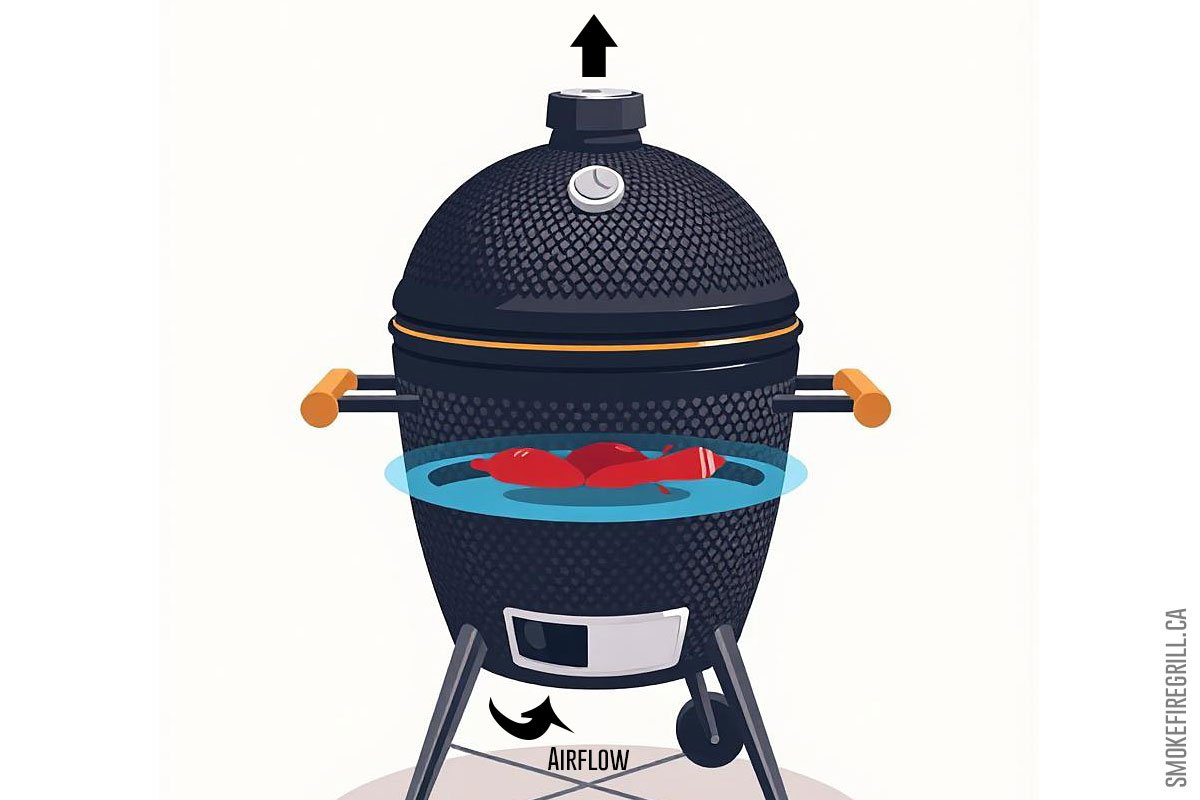
The fastest and most effective way to reduce heat during cooking is by controlling airflow at the source: your bottom vents.
Close Intake Vents Slightly
Partially closing the bottom vents restricts oxygen from reaching the coals, slowing combustion and dropping temperatures within minutes. This is your primary tool for heat management. If chicken skin starts browning too fast, simply turn the vent lever halfway closed. Avoid shutting them completely unless you’re ending the session, since this could extinguish the fire.
Why Top Vents Aren’t the Solution
Closing only the top damper won’t effectively reduce heat and may backfire. Without proper exhaust draw, smoke stagnates and the fire smolders unevenly. Think of it like blocking the exhaust on an engine; it disrupts the cycle. Always prioritize bottom vent adjustment for stable, controlled cooling.
Monitor Temperature Changes
Use a built-in or clip-on grill thermometer to track the drop. Expect a 50–100°F decrease within 5–10 minutes of partial closure. If the temp keeps falling too fast, open the vents slightly. Fine-tuning takes practice, but soon you’ll dial in the right setting for searing, simmering, or holding.
Use a Two-Zone Fire for Flare-Up Control

When flames suddenly surge, moving food away from direct heat is smarter than trying to kill the fire.
Set Up Hot and Cool Zones
Arrange all lit coals on one side of the grill. The side with coals becomes your high-heat zone for searing, while the empty side is your cool zone for indirect cooking. This setup gives you an instant escape route when flare-ups happen.
Move Food During Flare-Ups
If dripping fat ignites, use long-handled tongs to shift steaks or burgers to the cool side. Keep the lid closed to maintain heat stability. Flare-ups usually subside in under a minute once the fuel source (drippings) is removed from direct flame.
Prevent Repeated Ignition
Avoid pressing down on burgers, as this forces out juices that cause more flare-ups. Also, trim excess fat before grilling. A two-zone layout doesn’t cool the grill permanently but gives you real-time control without risking ash contamination or fire damage.
Manage the Lid to Stabilize Temperature
How you handle the lid impacts heat retention and airflow dynamics.
Keep Lid Closed When Possible
Every time you lift the lid, you lose heat and invite cold air, which destabilizes cooking temps. Keeping it shut maintains a steady environment, especially important when trying to hold a lower temperature after vent adjustments.
Open Briefly to Release Excess Heat
If the grill spikes unexpectedly (e.g., wind fans the flames), briefly lifting the lid lets hot air escape. Do so quickly, no more than 10–15 seconds, to avoid introducing too much oxygen, which can reignite intense burning.
Use Lid Position After Cooking
After extinguishing the fire, remove the lid and hang it on the side using the built-in hook (common on Weber kettles). This maximizes airflow and speeds up post-grill cooling before covering.
Shut Off Oxygen to Extinguish the Fire
:max_bytes(150000):strip_icc()/__opt__aboutcom__coeus__resources__content_migration__serious_eats__seriouseats.com__images__2017__05__seriouseats-grilling-tips-vents-6ad8944a99a1434cb98502f52b21b3e3.png)
When grilling ends, cutting off oxygen is the safest, most efficient shutdown method, especially if you want to reuse charcoal.
Close Bottom Vents Completely
Once cooking finishes, fully close the bottom intake vents. This starves the coals of fresh air, stopping active combustion. Do this before touching anything else.
Seal with Lid and Top Damper
Place the lid back on and close the top vent completely. Now the fire is sealed in, with no oxygen coming in or hot air escaping. The coals will gradually smother themselves out.
Wait for Full Extinction
Depending on how much charcoal remains, this process can take 12–48 hours. You’ll know it’s done when no glow is visible through the vents and the grill feels cool to the touch. Never rush this phase.
Speed Up Cooling for Covering the Grill
You can’t cover a hot grill. Residual heat can melt synthetic covers or ignite nearby materials. Here’s how to cool it faster.
Open Vents After Extinguishing
Once coals are fully out, open the bottom vents wide. Remove the lid and hang it on the side. This creates a chimney effect, pulling air through the grill and accelerating heat dissipation.
Allow Natural Airflow
Let the grill sit in a well-ventilated, safe area, away from walls, decks, or dry grass. With maximum airflow, most grills reach safe-to-touch temps in 2–4 hours, compared to 12+ hours when sealed.
Confirm Cool Before Covering
Test the bowl, lid, and handle with the back of your hand. If any warmth remains, wait longer. Only apply the cover when the unit is at ambient temperature.
Never Use Water to Cool the Grill
While it might seem fast, dousing coals with water creates serious risks.
Risk of Steam Burns and Ash Explosion
Pouring water on hot coals produces scalding steam that can blast hot ash and debris upward. This poses burn risks and contaminates food if nearby. Ash also turns into a messy slurry, making cleanup harder.
Damage to Grill Structure
Sudden cooling from water can warp thin steel components or crack cast iron parts due to thermal shock. Over time, this weakens the grill body and shortens its lifespan.
Only for Emergencies
Reserve water use for true emergencies, like a runaway fire threatening nearby structures. Otherwise, stick to oxygen starvation and airflow cooling.
Reuse Leftover Charcoal Safely
Unburned charcoal doesn’t need to be wasted. Proper shutdown lets you save fuel for next time.
Preserve Briquette Structure
When coals are smothered (not drowned), they retain their shape and ignition properties. These partially burned briquets can be mixed with fresh ones in your next session.
Store in Place or Container
Once cooled, leave usable charcoal in the grill (with vents closed) or transfer it to a metal container for storage. Keep it dry and away from moisture to maintain effectiveness.
Avoid Match Light for Topping Off
If you started with Match Light briquets, never add more to an active fire. The embedded lighter fluid can cause dangerous flare-ups. Instead, use Kingsford Original for replenishing fuel mid-cook.
Reignite Coals Efficiently
Need heat again later? Restarting is simple if you’ve cooled the grill correctly.
Open Vents Fully
Restore oxygen flow by opening the bottom vents all the way. This prepares the chamber for reignition.
Add Lit Coals with Chimney Starter
Use a charcoal chimney to light new briquets. Once they’re ashed over (about 15 minutes), pour them onto the existing bed. The heat from fresh coals will reignite the old ones.
Wait for Gray Ash Coating
Don’t rush cooking. Wait until new coals are evenly covered in light gray ash, signaling full ignition. This ensures consistent heat distribution across the grill surface.
Monitor with Tools for Precision
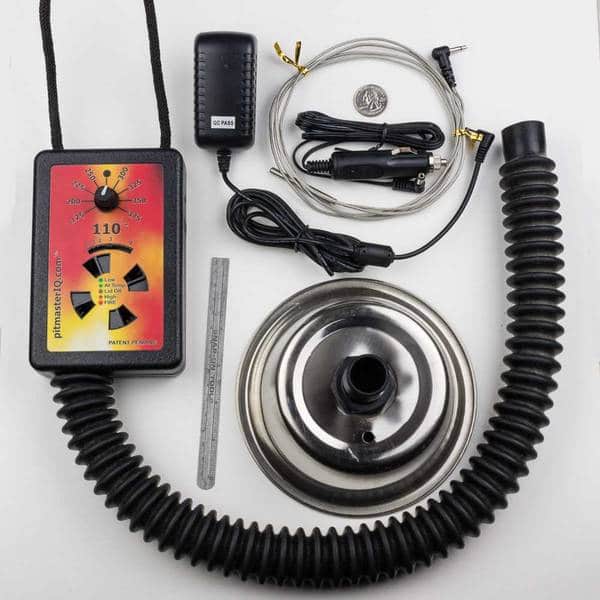
Visual cues help, but precise control requires tools.
Use a Grill Thermometer
Relying on feel or guesswork leads to overcooked meals. A built-in dial gauge or wireless probe gives real-time temperature readings, so you know exactly when to adjust vents.
Consider an Automated Regulator
Advanced users can install a temperature regulator like the IQ110. It automatically adjusts airflow based on your target temp, maintaining consistency even when cooling or holding.
Check Vent Positions Regularly
It’s easy to forget vent settings. Make it a habit to verify both top and bottom positions before and after cooking to prevent accidental fires or fuel waste.
Prevent Common Cooling Mistakes
Even experienced grillers make errors that compromise safety or performance.
Mistake: Closing Only Top Vent
Closing just the top damper traps heat without proper airflow reduction. Result? A smoky, uneven burn. Always adjust bottom vents first.
Mistake: Covering a Warm Grill
Putting a cover on too soon traps heat and moisture, causing rust and degrading the fabric. Always confirm the grill is completely cool.
Mistake: Adding Wet Charcoal
Moisture-laden briquets from improper storage won’t light well. Store charcoal in a sealed bin or original bag indoors to keep it dry and ready.
Frequently Asked Questions About Cooling a Charcoal Grill
How long does it take to cool down a charcoal grill?
Cooling time depends on the method used. With vents sealed, it can take 12–48 hours for coals to fully extinguish and the grill to cool. Using the airflow method (vents open, lid hanging on the side), most grills reach ambient temperature in 2–4 hours.
Can I pour water on my charcoal grill to cool it faster?
No, you should avoid using water during normal operation. Water on hot coals creates scalding steam, blasts ash into the air, and can warp or crack grill components due to thermal shock. Reserve water for genuine emergencies only.
Should I close the top or bottom vents to cool the grill?
Always adjust the bottom vents first, as they control oxygen intake at the source. Closing only the top vent disrupts airflow and causes the fire to smolder unevenly. For full shutdown, close both vents and the lid.
How do I know when my charcoal grill is safe to cover?
The grill is safe to cover only when it feels completely cool to the touch. Test the bowl, lid, and handle with the back of your hand. Any residual warmth means you should wait longer to avoid melting or fire hazards.
Can I save charcoal after putting out the fire?
Yes, if you extinguish the coals using oxygen starvation (closing vents and lid), unburned briquets remain intact and can be reused. Avoid using water, which turns coals into ash slurry and makes them unusable.
What’s the best way to handle flare-ups without cooling the whole grill?
Set up a two-zone fire by placing coals on one side only. When flare-ups occur, move food to the cool (coal-free) side using long-handled tongs. This keeps the fire going while protecting your food from direct flames.
Key Takeaways for Cooling Down a Charcoal Grill Safely
Mastering how to cool down a charcoal grill comes down to controlling airflow, not fighting fire with water. During cooking, partially close the bottom vents to lower heat, and use a two-zone setup to manage flare-ups without killing your fire. When you’re done, seal the grill by closing all vents and the lid to smother the coals and preserve leftover fuel.
Before covering, open the vents and hang the lid on the side to accelerate cooling. Always confirm the grill is completely cool before applying a cover. With these techniques, you’ll extend your grill’s lifespan, reduce fuel waste, and stay safe every time you fire up.