How to Turn On a Traeger Grill
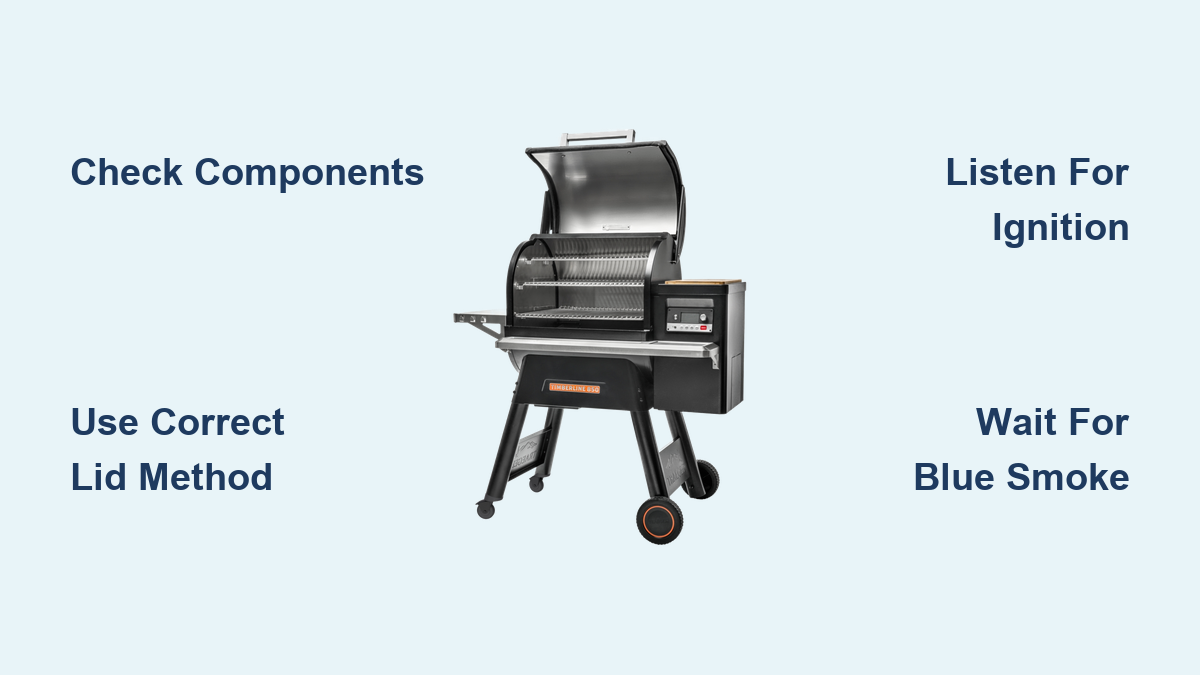
Turning on a Traeger grill correctly protects your investment and ensures every cook starts with reliable ignition. Many first-time owners skip key preparation steps and end up dealing with failed starts, thick smoke, or clogged firepots. The truth is, a Traeger is not a gas grill. It needs a precise startup sequence that depends on your model year and controller type.
This guide walks you through the exact process for powering up any Traeger, from component checks to pre-heating. You will learn the difference between closed-lid and open-lid ignition, how to recognize successful startup cues, and what to do if the flame does not catch. By the end, you will know how to turn on a Traeger grill with confidence every single time.
Verify Components and Cleanliness Before Powering On

A quick physical inspection prevents most startup problems. Before you plug anything in, confirm that every internal part is in place and the grill interior is clean.
Install the Heat Baffle, Drip Tray, and Grates
The heat baffle sits directly over the firepot and spreads heat evenly across the barrel. Without it, you risk hotspots and potential damage. The drip tray catches rendering fats and must sit securely beneath the grates. Finally, position the grill grates above the drip tray so airflow moves freely around the food.
Attach the Drip Bucket and Fill the Hopper
Slide the drip bucket onto the external collection tube to catch grease during long cooks. Then check your hopper. It should hold at least one-third of a bag of dry hardwood pellets. Wet pellets swell, jam the auger, and cause ignition failure, so always store fuel in a sealed container.
Wipe Down the Temperature Probe
The temperature probe lives on the left side of the barrel. A quick wipe with a dry cloth removes grease and ash that can throw off readings. Dirty probes are the number one cause of temperature swings, so make this a habit before every cook.
Power On the Traeger Controller
With the grill physically ready, it is time to activate the electronics. Traeger grills run on a standard 120V grounded outlet, and the activation method depends on your controller.
Connect to a Safe Power Source
Make sure the main power switch is in the OFF position before plugging in. Use a GFCI outlet or surge protector for outdoor safety. Flip the switch to ON and listen for the soft hum of the induction fan. That sound confirms the system has power.
Activate Based on Your Controller Type
Traeger controllers fall into three categories, each with its own startup button or switch:
- WiFIRE Touchscreen Models: Tap the power icon on the display to begin the boot sequence.
- D2 WiFIRE Models: Flip the rear power switch on, then use the front dial to set temperature.
- Non-Connected Digital Controllers: Press and hold the front power button until the screen lights up.
Give the controller 10 to 15 seconds to initialize. The display should show the current internal temperature and default settings.
Choose the Correct Startup Method
Your Traeger model year determines whether you start with the lid open or closed. Using the wrong method can smother the flame or flood the firepot with pellets.
Closed-Lid Start for 2016 and Newer Models
Traegers built in 2016 or later use Advanced Grilling Logic (AGL). This system controls pellet feed and fan speed automatically, so you keep the lid shut during ignition.
Set to Smoke with the Lid Closed
Turn the dial or tap the controller to SMOKE. Keep the lid fully closed so AGL can manage the air-to-fuel ratio for clean ignition.
Wait 2 Minutes Before Adjusting
Let the grill run on SMOKE for exactly 2 minutes. During this window, pellets drop into the firepot, the hot rod ignites them, and the fan builds combustion.
Increase to Your Cooking Temperature
After 2 minutes, turn the dial to your target temperature. The grill ramps up automatically and begins pre-heating.
Open-Lid Start for Pre-2016 Models
Older Traegers lack AGL and need manual ventilation to catch a flame. Skip this step and you risk an auger overfeed.
Start with the Lid Fully Open
Set the controller to SMOKE and leave the lid wide open. Maximum airflow is critical at this stage.
Listen and Watch for Ignition
Wait 4 to 5 minutes. You will first hear only the fan. Then the sound shifts to a deeper roar, and a visible flame appears in the firepot. If nothing happens after 5 minutes, shut down and clear the firepot before trying again.
Stabilize the Fire Before Closing
Once the flame is steady, keep the lid open for another 5 to 10 minutes. This builds a robust fire that will not suffocate when you close the lid. You can skip this only if you plan to cook at 325°F or higher.
Close the Lid and Set Temperature
Shut the lid securely, then dial in your target temperature. Allow 10 to 15 minutes for full pre-heat.
Recognize Successful Ignition Cues
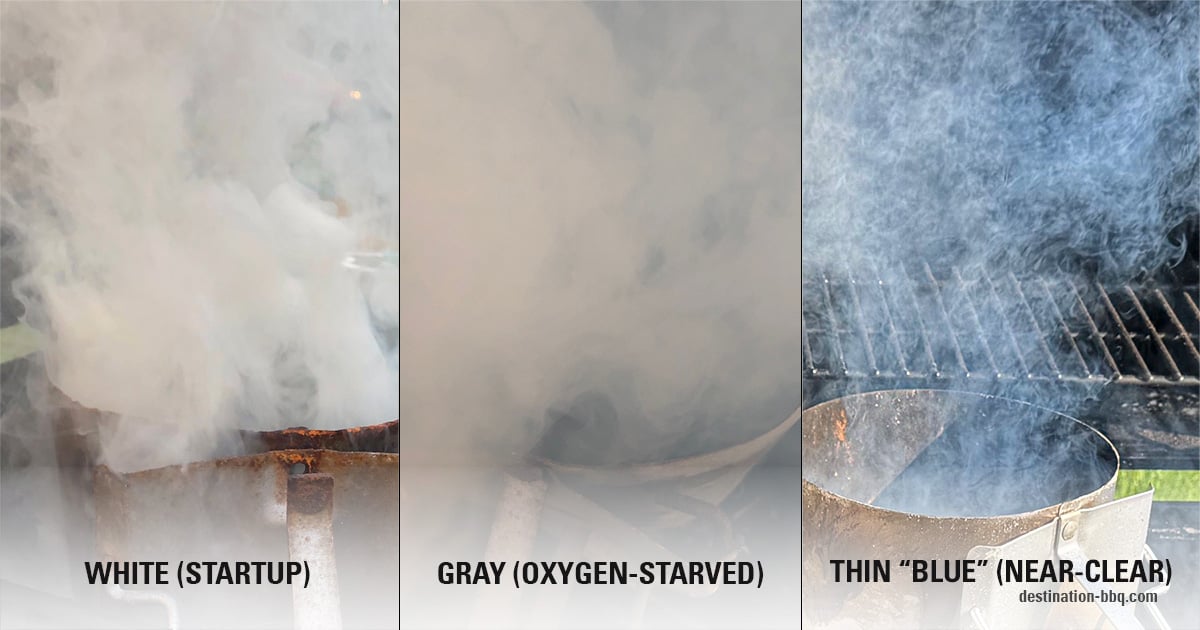
Your ears and eyes tell you when the grill is running properly. Learn these cues and you will never second-guess a startup.
Listen for the Right Sounds
- Fan hum: Confirms the induction fan is circulating air.
- Flame roar: A sudden deep rumble signals the pellets have caught fire.
- Jet engine effect: A loud roar under the grates during high-heat ramps is normal and signals strong combustion.
Watch the Smoke and Flame
- Thick white smoke during startup is normal. It clears as the grill heats up.
- Thin blue smoke means clean combustion and ideal flavor.
- Persistent white smoke after pre-heat points to wet pellets or a dirty firepot.
Season a New Traeger Before First Use
Brand-new grills ship with manufacturing oils inside the barrel. A one-time seasoning cycle burns these off and creates a protective layer.
Run the Initial Firing Cycle
Follow the closed-lid or open-lid method for your model, but hold the grill at SMOKE or 225°F for 60 to 90 minutes. Refer to your owner’s manual for the exact duration for your specific model.
Finish the Seasoning Process
Shut down the grill and let it cool completely. Lightly coat the grates with cooking oil to lock in the seasoning. Your Traeger is now ready for its first real cook.
Troubleshoot Common Startup Problems

Even with careful preparation, issues can arise. Use these quick fixes to get back on track.
No Flame After 5 Minutes
If the fire never catches on an open-lid start, shut down and unplug the grill. Remove the grates and heat baffle, then vacuum out unburned pellets from the firepot. Inspect the hot rod for carbon buildup or damage before restarting.
Temperature Fluctuations
Erratic readings almost always trace back to a dirty probe. Wipe it down with a dry cloth before each cook. WiFIRE models also let you recalibrate through the controller menu.
Excessive Smoke During Cooking
Thick smoke after pre-heat usually means wet pellets, a clogged firepot, or a grease-filled drip tray. Switch to premium hardwood pellets, deep-clean the firepot, and replace the drip tray liner if needed.
Confirm the Grill Is Ready to Cook
Do not load food until your Traeger passes these three checks:
- Smoke has thinned to a light blue wisp.
- Internal temperature matches your set point and holds steady.
- Pre-heat timer has run for 10 to 15 minutes after the final temperature adjustment.
Once all three are true, place your food on the grates and close the lid.
Maintain Startup Success Over Time
A few simple habits keep your Traeger firing reliably for years.
Clean After Every Cook
Empty the drip bucket, wipe the grates, and remove ash from the firepot weekly. Deep-clean the auger and fan housing once a month.
Store Pellets Properly
Keep unused pellets in a sealed bin away from humidity. Never leave pellets sitting in the hopper for more than a week in damp conditions.
Update Firmware on WiFIRE Models
Check the Traeger app regularly for controller updates. New firmware improves ignition logic, temperature accuracy, and connectivity.
Frequently Asked Questions About Turning On a Traeger Grill
How long does it take a Traeger grill to heat up?
After the initial ignition sequence, allow 10 to 15 minutes for the grill to pre-heat to your target temperature. Total startup time runs about 15 to 20 minutes from power-on to ready-to-cook.
Why is my Traeger producing thick white smoke?
Thick white smoke is normal during the first 10 to 15 minutes of startup as pellets smolder. If it continues after pre-heat, your pellets may be wet or the firepot may need cleaning.
Can I leave pellets in the hopper when not in use?
You can leave pellets in the hopper for short periods, but in humid climates moisture absorption causes clogs and startup failures. Store extra pellets in a sealed container for best results.
Do all Traeger grills use the same startup method?
No. Traegers made in 2016 or later use a closed-lid start with a 2-minute smoke wait. Pre-2016 models require an open-lid start with a 4 to 5 minute wait plus a 5 to 10 minute stabilization period.
What should I do if my Traeger does not ignite?
Shut down the grill, unplug it, and clear the firepot of unburned pellets. Inspect the hot rod for damage, clean the temperature probe, and confirm your hopper has dry pellets. Restart using the correct method for your model.
Is seasoning really necessary for a new Traeger?
Yes. The 60 to 90 minute seasoning cycle burns off manufacturing residues and creates a protective layer inside the barrel. Skipping this step can affect flavor and grill longevity.
Final Thoughts on Starting Your Traeger with Confidence
Turning on a Traeger grill comes down to three essentials: verify your components, choose the right startup method for your model year, and watch for the sensory cues that confirm a healthy fire. Closed-lid starts work for 2016 and newer grills, while open-lid starts remain the standard for older units.
Once you have run through the sequence a few times, the process becomes second nature. Keep your grill clean, store your pellets dry, and your Traeger will deliver consistent, flavorful results for years to come. Fire it up, wait for that thin blue smoke, and get cooking.