
How to Grill Flank Steak
Flank steak has a reputation for being tough and chewy, but that reputation comes from poor technique, not the cut itself. This affordable, beefy favorite transforms into a tender, juicy showstopper when you cook it hot, fast, and slice it the right way. The trick lies in understanding the muscle fibers, controlling your fire, and respecting carryover cooking.
In this guide, you’ll learn how to pick the best cut, prep it for maximum flavor, nail the timing on the grill, and slice it so every bite melts in your mouth. Whether you’re a charcoal purist or a gas-grill weeknight warrior, these steps will turn flank steak into your new go-to.
Choose the Right Cut at the Store
Identify True Flank Steak
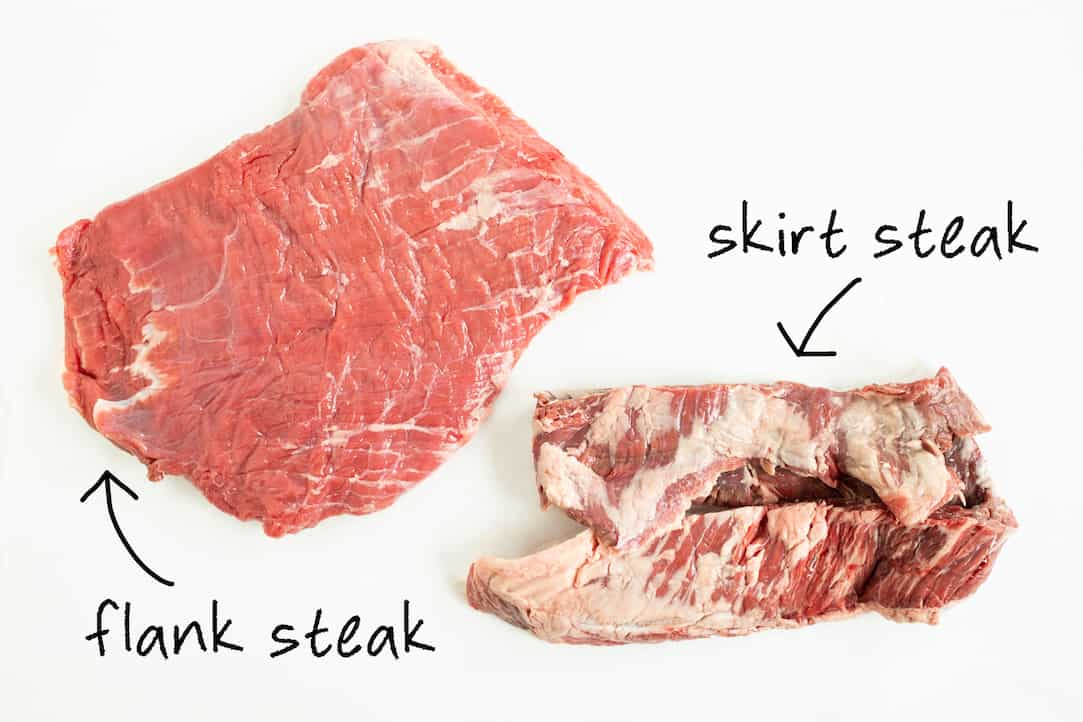
Flank steak comes from the lower chest of the cow, making it a long, flat, lean cut that typically weighs 2 to 4 pounds. Look for deep red meat with visible muscle fibers running in one direction. A thin layer of fat or silver skin may coat one side; trim it before cooking. Skip steaks with brown edges or dry surfaces, which signal age.
Flank vs. Skirt vs. Hanger Steak
These three cuts get confused constantly, but each behaves differently on the grill:
- Flank Steak: Thicker than skirt, takes marinades well, and slices beautifully for salads, tacos, or entrées.
- Skirt Steak: Thinner with a more intense beefy flavor, but chewier; the traditional choice for fajitas.
- Hanger Steak: Rich and tender, though harder to source; great for high-heat searing.
Flank steak wins for reliability, grill-friendliness, and feeding a crowd without draining your wallet.
Prep the Steak for Maximum Flavor
Marinate for Tenderness and Taste
Marinades do two jobs: they flavor the surface and tenderize the tough outer fibers. Since acid and salt only penetrate a few millimeters, the goal is surface impact, not deep transformation.
Build a Balanced Marinade with These Five Elements:
- Acid (vinegar, citrus juice): Tenderizes surface fibers
- Salt (kosher salt, soy sauce, Worcestershire): Seasons and locks in moisture
- Oil (olive, avocado): Carries flavor and prevents sticking
- Sugar (brown sugar): Balances acid and boosts browning
- Aromatics (garlic, herbs, spices): Adds depth and complexity
Quick Marinade (30 minutes to 4 hours):
¼ cup red wine vinegar, ¼ cup olive oil, 2 tbsp Worcestershire sauce, 3 minced garlic cloves, 1 tsp kosher salt, 1 tsp black pepper, 1 tsp brown sugar.
Overnight Marinade (12 to 24 hours):
Use low-acid, oil-heavy blends to avoid mushiness. A mix of olive oil, soy sauce, garlic, and rosemary works beautifully.
Timing Rules to Remember:
- Minimum: 30 minutes
- Optimal: 2 to 4 hours
- Maximum for acidic blends: 4 hours (longer turns meat mushy)
- Always marinate in the refrigerator
Try a Dry Brine Instead
Skip the liquid and let salt do the work through osmosis. This method seasons the interior and improves crust formation.
- Apply ½ tsp kosher salt per pound evenly on both sides.
- Place on a rack over a tray, uncovered, in the fridge for 1 to 2 hours (overnight is even better).
- Pat completely dry before grilling.
The steak will look darker and more vibrant when the brine has done its job. A dry surface is non-negotiable for a proper sear.
Score the Surface to Prevent Curling
Flank steak curls on the grill because of tight muscle tension. Prevent this by making shallow cuts across the grain, about 1 inch apart. You can also poke the steak with a fork or use a Jaccard tenderizer to help marinade penetrate and break up fibers.
Set Up Your Grill for Success
Use High Heat (450°F to 550°F)
Flank steak is thin, so high heat ensures a fast sear without overcooking the interior. Preheat your grill with the lid closed for 10 to 15 minutes.
Test for Proper Heat:
- Sizzle Test: The steak should sizzle loudly the moment it hits the grate.
- Hand Test: You should only be able to hold your hand 2 to 3 inches above the grate for 2 to 3 seconds.
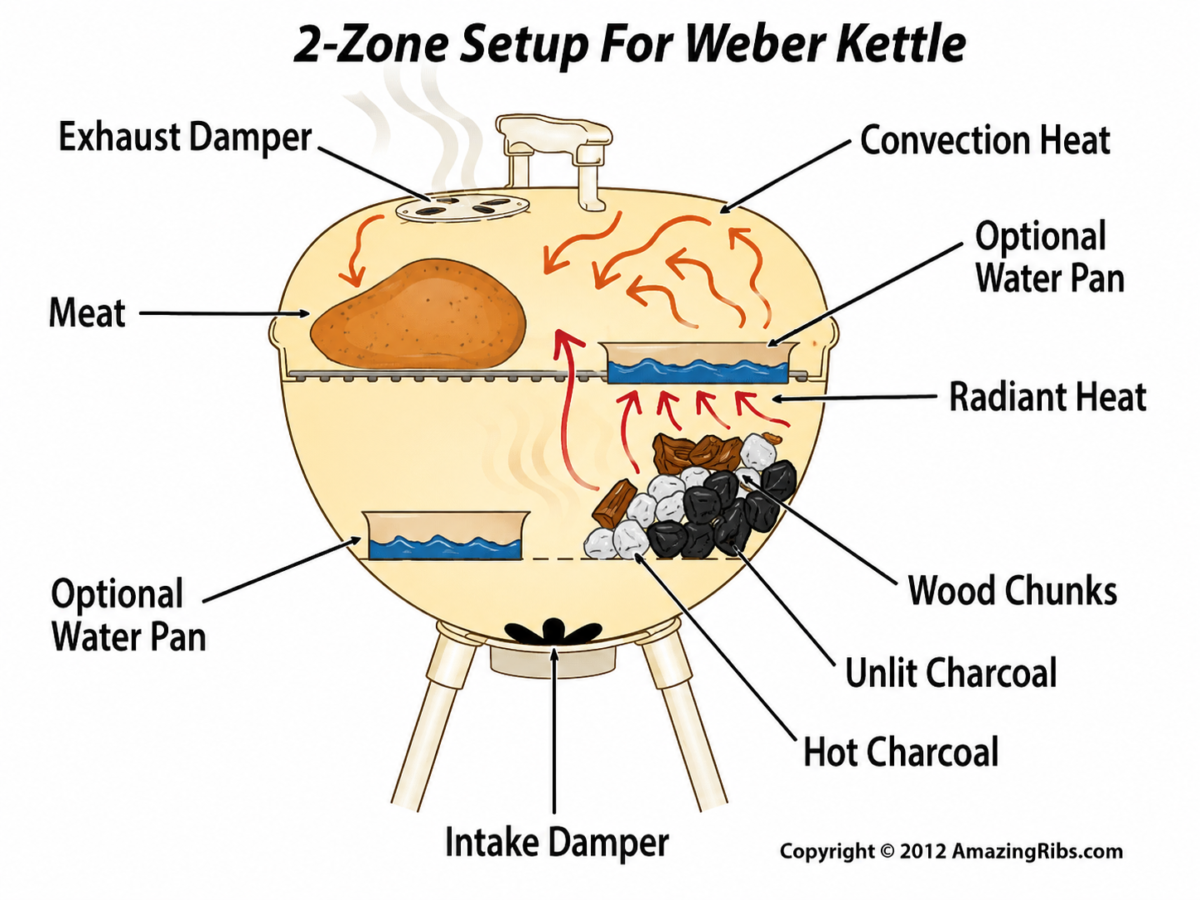
Create a Two-Zone Fire
A two-zone setup gives you control: sear over direct heat, then finish over indirect heat if needed.
- Charcoal Grill: Pile coals on one side. Sear over the coals, then move the steak to the empty side.
- Gas Grill: Turn on burners on one side only. Use the other side for indirect cooking.
This method prevents flare-ups and charring while ensuring even doneness.
Oil the Steak, Not the Grate
Lightly brush the steak with avocado or vegetable oil before grilling. Oiling the grates can cause dangerous flare-ups when fat drips onto the flames. Clean grates with a brass brush while preheating.
Grill to Perfect Doneness
Cook Fast Over Direct Heat
Grill flank steak for 4 to 6 minutes per side, depending on thickness and desired doneness. Because the cut is so lean, going past medium will ruin it.
Target Internal Temperatures (Remove 5°F Early for Carryover):
- Rare: Pull at 120–125°F, rest to 125°F
- Medium-Rare (Recommended): Pull at 125–130°F, rest to 130–135°F
- Medium: Pull at 135–140°F, rest to 140–145°F
Never exceed 145°F. Flank steak turns dry, tough, and chewy past medium.
Flip Every Minute for an Even Crust
For a deeper, more even sear, try active grilling:
- Flip every 60 to 90 seconds
- Rotate 45° between flips for crosshatch marks
- Keep the lid open during this method
This technique works especially well on charcoal or Kamado grills.
Use the Two-Zone Method for Thicker Cuts
- Sear 3 minutes per side over direct heat.
- Move to the indirect side, close the lid, and cook until the target temperature is reached.
- Ideal when flare-ups threaten or the steak is thicker than average.
Rest Before You Slice
Let the Juices Redistribute
Cutting too soon sends all the moisture pooling on your cutting board. Resting gives the muscle fibers time to relax and reabsorb those juices.
- Rest Time: 5 to 15 minutes
- Method: Place on a cutting board and tent loosely with foil
- Result: Juicier, more tender slices
Remember that internal temperature will rise about 5°F during the rest. Pull the steak off the grill slightly early.
Slice Against the Grain
:max_bytes(150000):strip_icc()/__opt__aboutcom__coeus__resources__content_migration__serious_eats__seriouseats.com__images__20100304-slicing-meat-flank-labeled20flank-8906aa018c2e4be1b3c8564435fdd9c7.jpg)
Find the Muscle Fibers
Look at the cooked steak and identify the long, parallel lines running its length. That’s the grain. Slicing parallel to these lines leaves you with long, chewy strips.
Cut Perpendicular for Tenderness
- Slice across the grain, never with it
- Use a sharp 6 to 8 inch knife
- Slice thinly at a slight diagonal for wider, more tender pieces
Pro Tip: Cut the steak in half with the grain first to create shorter sections, then slice across the grain on each section for easier handling.
Serve and Enjoy
Pair with Bold Flavors
Flank steak’s beefy character shines alongside bright, herby, or spicy sauces:
- Chimichurri
- Pesto
- Balsamic glaze
- Mango salsa
- Blue cheese dressing
Serving Ideas
- Tacos or Fajitas: Warm tortillas, grilled onions, guacamole
- Salads: Over arugula with cherry tomatoes and shaved Parmesan
- Sandwiches: On crusty bread with horseradish mayo
- Appetizers: With burrata, grilled bread, or roasted peppers
Use Leftovers Wisely
Store leftover grilled flank steak in an airtight container for up to 4 days. It works beautifully in:
- Steak salads
- Burritos or quesadillas
- Pizza topping
- Steak sandwiches
Avoid These Common Mistakes
Overcooking Past Medium
Flank steak has almost no internal fat. Cooking beyond 145°F dries it out and makes it tough. Use an instant-read thermometer and pull at 125°F for medium-rare.
Slicing With the Grain
This is the number one reason home cooks end up with chewy flank steak. Long fibers running the length of each slice equal jaw workout. Always slice perpendicular to those lines.
Marinating Too Long in Acid
High-acid marinades left on for more than 4 hours break down proteins excessively, leaving you with mushy, mealy texture. Stick to the timing guidelines or use oil-based blends for longer soaks.
Grilling Wet Meat
Moisture on the surface steams the steak instead of searing it. Pat the steak completely dry after marinating and before placing it on the grill.
Ignoring the Two-Zone Fire
Grilling over one heat zone risks burning the outside before the center cooks. Set up direct and indirect zones to maintain control.
Frequently Asked Questions About Grilling Flank Steak
What temperature should flank steak be grilled at?
Grill flank steak over high heat, between 450°F and 550°F. This range ensures a fast, flavorful sear without overcooking the interior. Preheat your grill for 10 to 15 minutes before cooking.
How long do you grill flank steak on each side?
Grill flank steak for 4 to 6 minutes per side over direct heat, depending on thickness and desired doneness. For medium-rare, aim for 4 to 5 minutes per side and an internal temperature of 130 to 135°F after resting.
Should I marinate flank steak before grilling?
Marinating is recommended for flavor and surface tenderizing, though not strictly required. Marinate for at least 30 minutes and up to 4 hours for acidic blends. For deeper seasoning without acid, try a dry brine with kosher salt for 1 to 2 hours or overnight.
How do you keep flank steak from being tough?
Three keys prevent toughness: cook no hotter than medium (145°F internal), always slice against the grain, and consider marinating or dry brining before cooking. Carryover cooking will raise the temp about 5°F during rest, so pull early.
Can you grill flank steak on a gas grill?
Yes. Preheat the gas grill to high (450 to 500°F) and set up a two-zone fire by turning on only half the burners. Sear over the hot side, then move to the cooler side if you need more control over doneness.
How do you know when flank steak is done without a thermometer?
Cut a small slit in the thickest part to check the color. Medium-rare will show a warm red center, while medium will be warm pink. This method releases juices, so use a thermometer whenever possible for the juiciest results.
Key Takeaways for Grilling Flank Steak Like a Pro
Grilling flank steak comes down to three non-negotiable rules: don’t overcook it, slice against the grain, and use high heat. Pull the steak at 125°F for medium-rare, let it rest for at least 5 minutes, then slice thinly across the muscle fibers. Whether you marinate for bold flavor or dry brine for a crisp, seasoned crust, the technique matters more than the recipe.
Fire up the grill, trust your thermometer, and slice with confidence. With these steps, you’ll turn an affordable cut into a tender, restaurant-worthy meal that works for weeknight dinners and weekend cookouts alike.