
How to Grill Fish: Quick Steps
Grilling fish doesn’t have to be intimidating. In fact, with the right techniques, it’s one of the fastest, most flavorful ways to prepare seafood. Yet many home cooks avoid it—worried their fillet will stick, fall apart, or dry out. The truth? Most failures come from improper grill prep or rushing the flip, not the fish itself.
The key to grilling fish successfully lies in three things: a clean, properly oiled grill, the right tools, and understanding how heat affects delicate flesh. Whether you’re working with a thick tuna steak, a skin-on salmon fillet, or a whole red snapper, this guide gives you the exact protocols used by professionals, backed by temperature data, timing benchmarks, and real-world troubleshooting.
Choose the Right Fish for the Grill
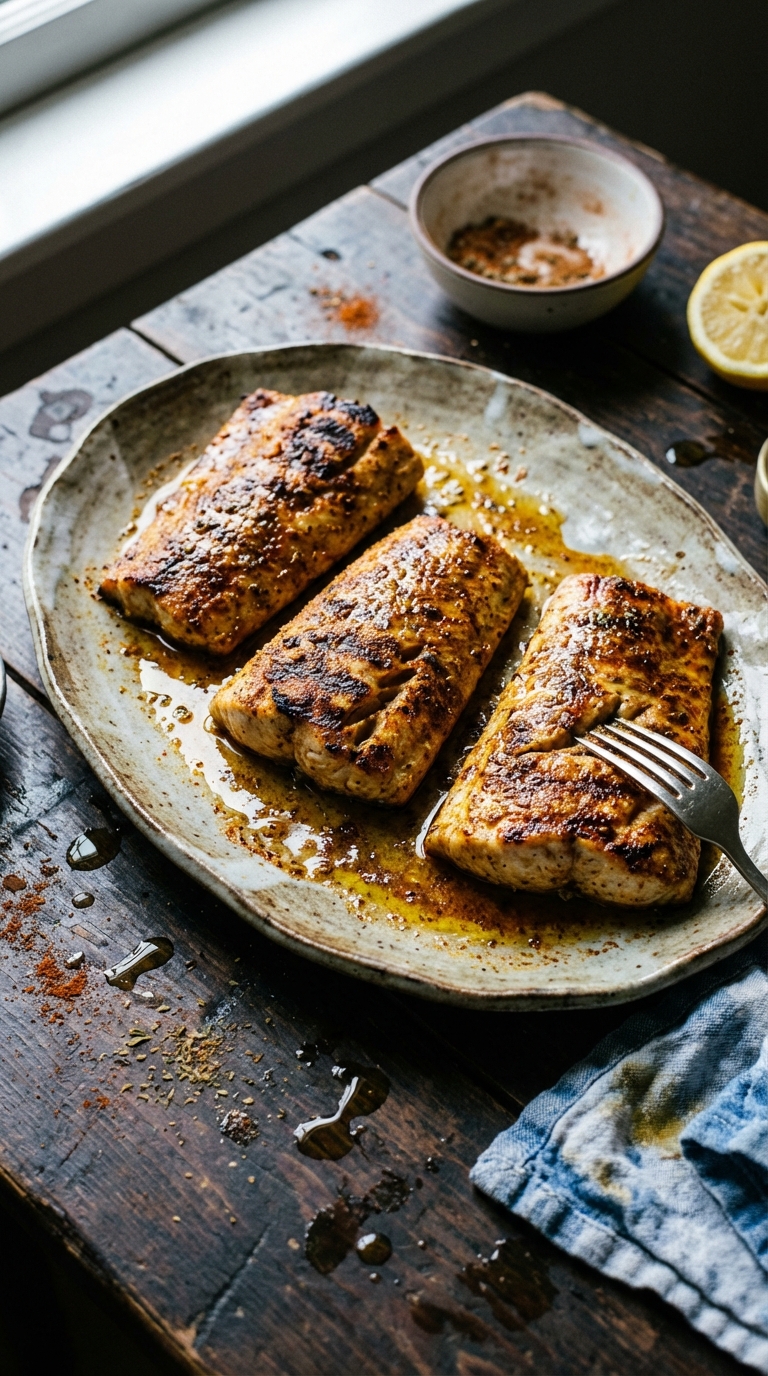
Not all fish are created equal on the grill. Delicate species like sole or tilapia tend to break apart unless protected. The best candidates are firm, meaty, or oil-rich varieties that can withstand direct heat and flipping.
Firm Fillets and Steaks That Hold Up
Stick to hearty cuts if you’re grilling directly on the grate:
- Halibut: Thick and dense, resists flaking.
- Mahi-mahi: Firm texture with a mild, sweet flavor.
- Swordfish: Sold as steaks, almost steak-like in consistency.
- Tuna: Best grilled rare to medium-rare; holds shape beautifully.
- Salmon: High fat content keeps it moist and prevents sticking.
- Thick-cut cod: Must be at least 1 inch thick to avoid falling apart.
Avoid thin or flaky fillets like flounder unless using foil or a grill basket.
Best Whole Fish for Grilling
Whole fish cook evenly, stay intact, and offer bonus bites like cheeks and collars. Ideal species are under 20 inches long and have sturdy frames:
- Red snapper – Top choice: clean taste, pink skin crisps well.
- Striped bass (small)
- Rockfish, black seabass, porgy
- Trout (rainbow or brown)
- Dorade or branzini – Excellent alternatives to snapper.
- Pompano, triggerfish, yellow perch
Larger fish are hard to flip; butterflying or plank grilling is better for big specimens.
Equip Your Grill for Success

Using the wrong tools is a recipe for disaster. Grilling fish demands specific gear to protect its structure and prevent sticking.
Must-Have Tools
- Wide, thin-edged spatula: Slides easily under fillets without tearing.
- Flexible turner or second spatula: Supports fish during flip. Use two spatulas together for fragile pieces.
- Stiff grill brush: Cleans grates while hot to remove residue.
- Tongs + oiled rag: For oiling hot grates safely.
- Instant-read thermometer: Critical for precise doneness (no more guessing).
- Spray oil canister (olive or canola): For quick, even oiling of grates and fish.
- Kitchen shears: Snip sharp fins on whole fish.
- Cedar planks or heavy-duty foil: For indirect cooking options.
Best Grill Type
- Charcoal: Preferred for whole fish. Adds smoky depth and superior sear.
- Gas: Faster, more controlled; great for fillets.
- Electric: Works, but lower heat may reduce crust formation.
All can succeed. Charcoal just delivers bolder flavor.
Prep the Grill to Prevent Sticking
Sticking is almost always caused by poor grill prep, not bad fish. Follow this three-step protocol before every cook.
Clean Grates While Hot
- Preheat grill on high for 5–10 minutes with the lid closed.
- Use a stiff wire brush to scrub grates vigorously. Heat burns off old debris; brushing removes it.
- Repeat until grates are shiny and free of gunk.
Oil the Grates Properly
- Fold a paper towel into a small pad.
- Soak it in high-heat oil (canola, grapeseed, or olive).
- With tongs, wipe the oiled rag across the hot grates just before adding fish.
Do this immediately before cooking. Oiling cold grates won’t work because the oil burns off before contact.
Spray for Extra Insurance
Use a spray oil canister on the grates and directly on the fish. For whole fish, re-spray grates before each flip to maintain a non-stick surface.
Safety Note: Spray in short bursts, keep the can 12+ inches away, and avoid leaning over flames. Oil mist can ignite briefly.
Prepare the Fish for the Grill
Proper prep ensures even cooking, crisp skin, and easy release.
Dry and Temper the Fish
- Pat fillets or whole fish bone-dry with paper towels. Moisture steams instead of sears.
- Let fish sit at room temperature 20–60 minutes before grilling. Cold fish cooks unevenly.
Season Simply and Effectively
Apply:
- Olive oil – Coats surface, prevents sticking, helps seasoning adhere.
- Coarse salt – Enhances flavor and draws out moisture for better searing.
- Freshly ground pepper – Adds subtle heat.
Optional: Add lemon zest, garlic, or herbs, but keep it light. High-quality fish shines with minimal seasoning.
For skin-on fillets: Oil and salt the skin side well. Place skin-down first.
Set Up Two-Zone Heat
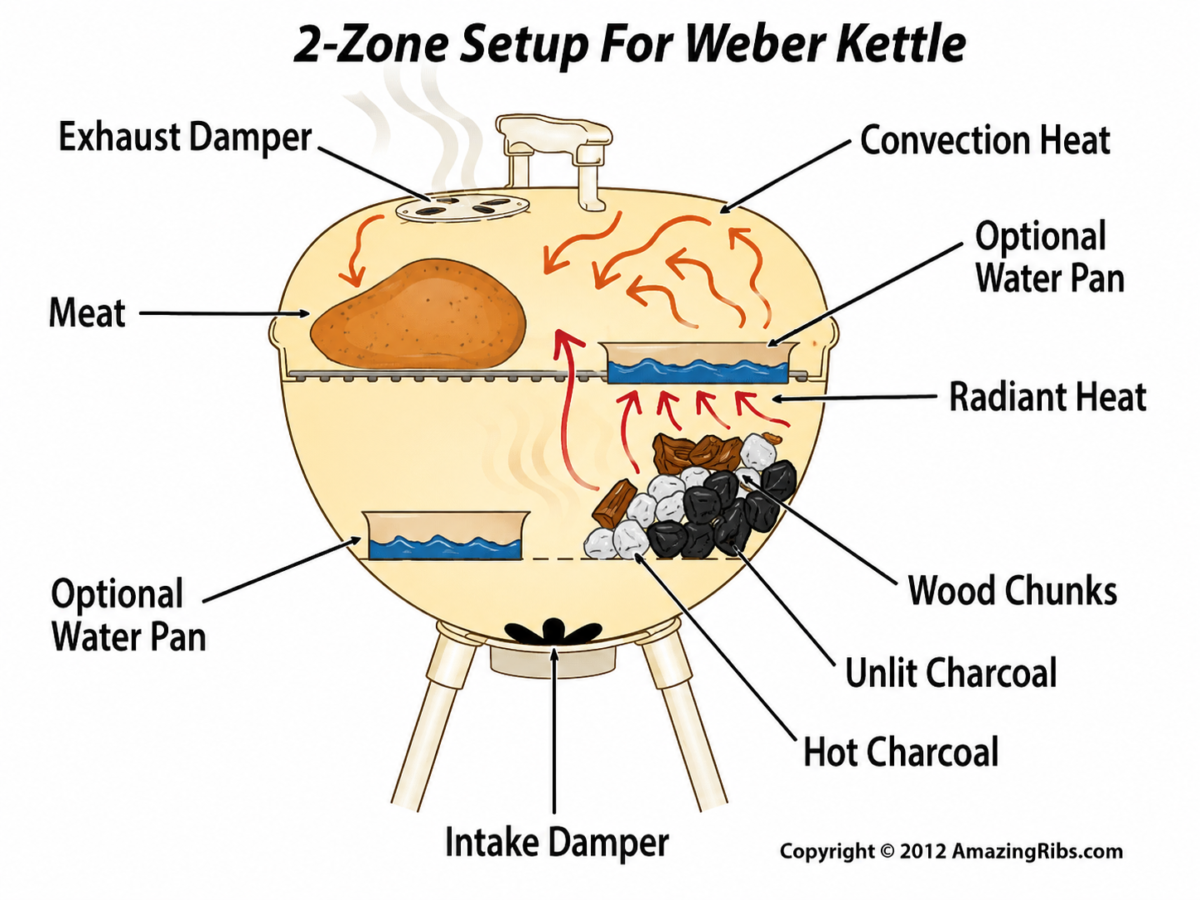
One of the biggest mistakes? Cooking whole fish or thick cuts over direct heat the entire time. Use a two-zone fire to control doneness.
Build a Two-Zone Fire
- Gas grill: Turn on burners on one side only.
- Charcoal: Pile coals on one half of the grill.
This creates:
- Hot Zone: 400°F–500°F for searing and charring.
- Cool Zone: No direct flame for gentle, indirect cooking.
Place a drip pan under the cool side to catch juices and prevent flare-ups.
Grill Fillets and Steaks
Best for halibut, salmon, tuna, swordfish, or thick cod.
Place Fish on Hot Grates
- Lay fillets or steaks at a 45° angle to the grates for attractive sear marks.
- Cook undisturbed for 3–5 minutes, depending on thickness.
Wait for Natural Release
- Do not force the flip. If the fish sticks, it’s not ready.
- When a crust forms, it will release easily.
- Gently nudge with a spatula. If it resists, wait 1–2 more minutes.
Flip with Confidence
- Slide a wide, thin spatula fully under the fish.
- Use a second spatula or tongs to stabilize the top if needed.
- Flip in one smooth motion.
Finish Cooking
- Cook another 3–5 minutes on the second side.
- For skin-on fillets: Cook 70% of the time skin-side down to crisp the skin fully.
Remove when internal temp hits 130°F–135°F. Carryover heat will bring it to 140°F.
Grill Whole Fish
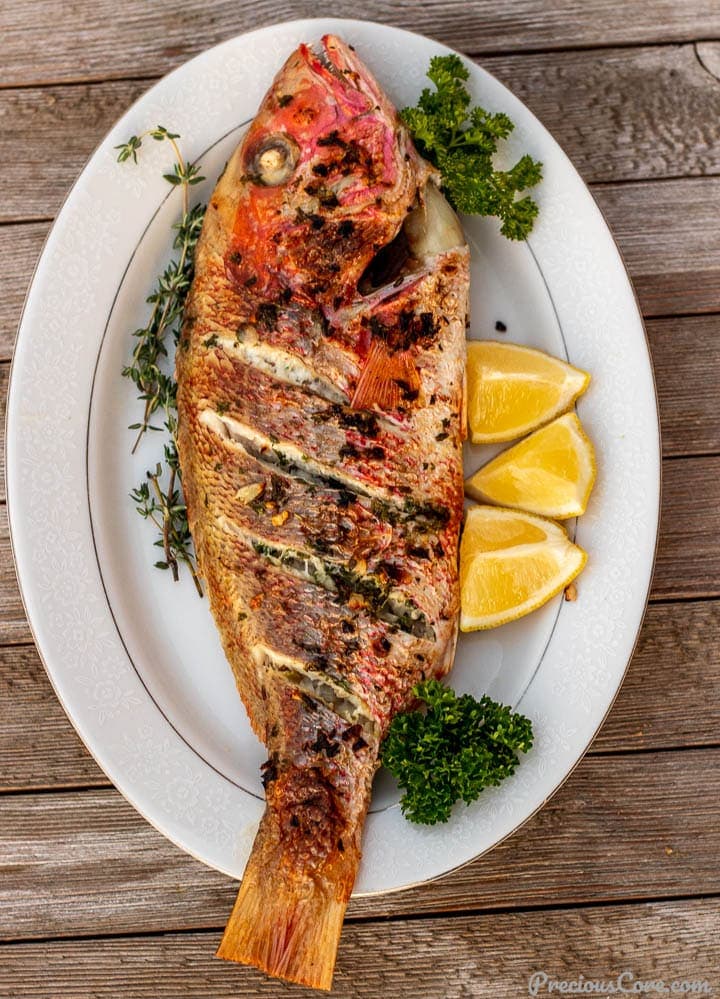
This method delivers crispy skin, moist flesh, and edible delicacies like cheeks and collars.
Prep the Whole Fish
- Ensure it’s scaled, gutted, and gills removed (gills taste bitter).
- Snip sharp fins with kitchen shears (optional, for safety).
- Slash the sides: Make 3–5 diagonal cuts per side, deeper near the head.
– Helps heat penetrate evenly.
– Prevents skin from ballooning or tearing. - Stuff cavity (optional): Add lemon slices, parsley, or herbs.
- Oil and salt generously inside and out. Let rest 20 minutes at room temp.
Sear Over Direct Heat
- Spray hot zone grates with oil.
- Place fish directly over coals. Sear for 2 minutes.
- Spray grates again, flip fish, sear 2 more minutes.
- Optional: Spray oil on top side, flip again to char further.
Finish Over Indirect Heat
- Spray grates on cool side.
- Move fish to indirect zone.
- Close lid and cook until internal temp reaches 130°F–135°F at the thickest part near the spine.
Time estimate: 5–10 minutes per side, depending on size.
Pro Tip: Use an instant-read thermometer. Insert near the backbone. Don’t wait for visual cues alone.
Know When Fish Is Done
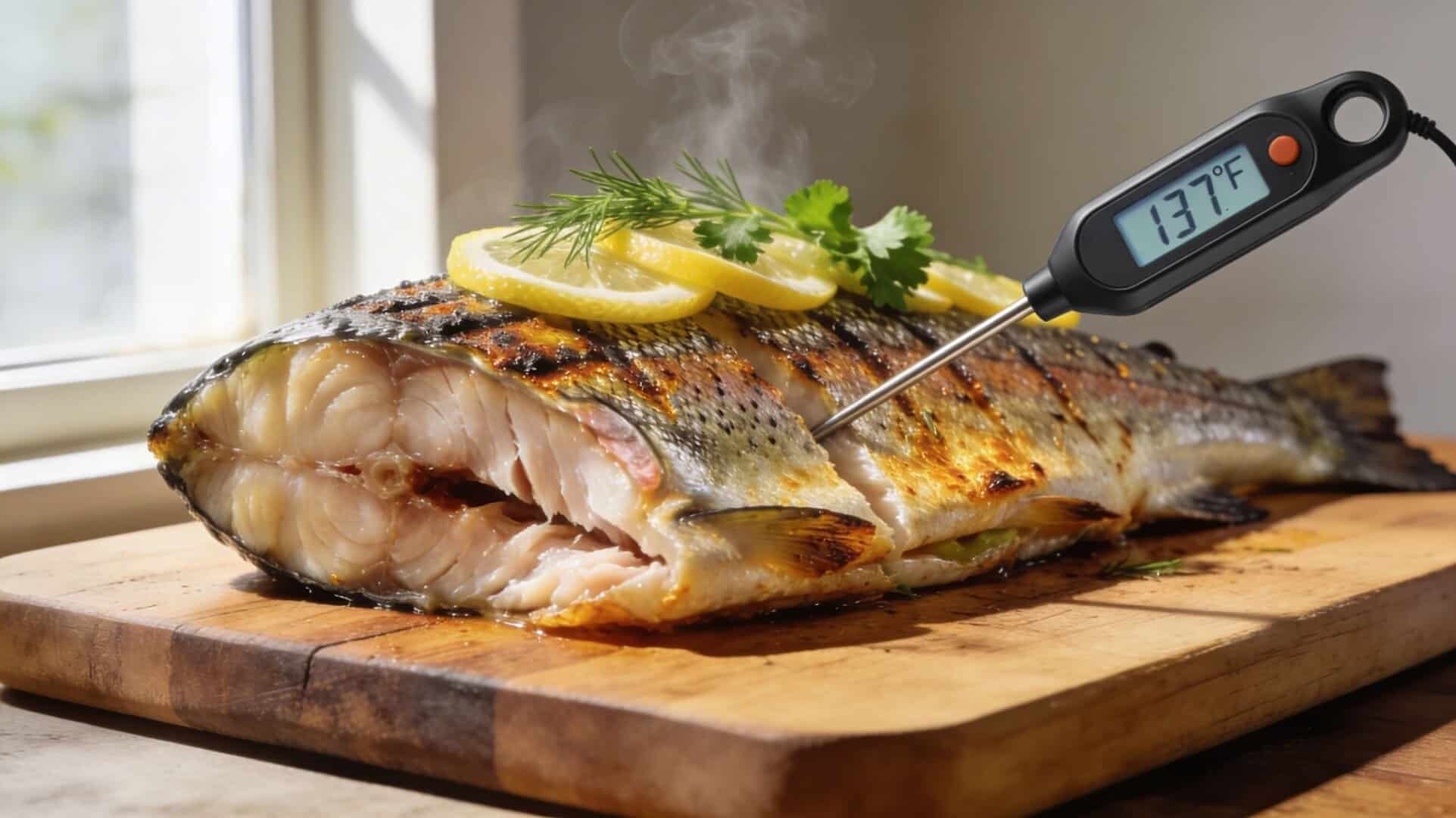
Overcooked fish is dry and chalky. Use these precise indicators.
Use a Thermometer
- Pull at 130°F–135°F – Carryover heat raises temp to 140°F while resting.
- USDA safe temp: 145°F, but this often results in dry fish. Chefs prefer 135°F–140°F for optimal moisture.
Insert probe into the thickest part, avoiding bone if possible.
Visual and Tactile Cues
- Opacity: Flesh turns from translucent to opaque.
- Flaking: Gently press center with a fork. It should flake slightly but still hold together.
- Whole fish check: Look into slashes or cavity. Flesh should be fully opaque near head.
Golden Rule: Remove fish slightly underdone. It finishes cooking while resting.
Try Alternative Grilling Methods
When direct grilling feels risky, these methods deliver foolproof results.
Foil Packets
- Place fish on heavy-duty foil.
- Add lemon slices, herbs, butter, or veggies.
- Seal tightly.
- Grill over medium heat 10–15 minutes.
Great for delicate fish or messy marinades.
Cedar Plank Grilling
- Soak plank in water 1 hour minimum.
- Place fish on plank.
- Grill over medium heat (indirect if possible).
- Plank smolders, infusing smoke and shielding fish.
Cook until internal temp hits 135°F. No flipping needed.
Rest and Serve for Maximum Juiciness
Skipping rest time leads to dry edges and leaking juices.
Let Fish Rest 3–5 Minutes
- Transfer to a platter.
- Tent loosely with foil.
- Allows juices to reabsorb into the flesh.
Serve Whole Fish with Confidence
- Present on a large platter.
- Point out edible delicacies:
- Cheeks: Tender, rich, often called the “filet of the fish.”
- Collars: Fatty, flavorful, crisp up beautifully.
- Tail fins: Crispy and nutty when grilled well.
Serve with lemon wedges, chimichurri, or a simple herb vinaigrette.
Troubleshoot Common Grilling Problems
Even experts face issues. Here’s how to fix them fast.
Fish Sticks to the Grill
- Cause: Dirty or un-oiled grates, or flipping too soon.
- Fix: Clean and oil grates while hot. Wait for natural release. Don’t force it.
Fillet Breaks During Flip
- Stop immediately.
- Use two spatulas to sandwich and support the fish.
- Switch to indirect heat to finish cooking without further handling.
Skin Won’t Crisp
- Cause: Skin wasn’t dry, or heat was too low.
- Fix: Pat skin bone-dry. Preheat grill to 450°F+. Cook skin-side down first, no flip until fully crisp.
Fish is Overcooked
- Cause: No thermometer, or left on grill too long.
- Fix: Pull at 130°F–135°F. Rely on carryover heat.
Keep It Simple: Best Seasoning and Sauces
Let the fish shine. Don’t overpower it.
Essential Finishes
- Fresh lemon juice – Bright, classic.
- Olive oil + sea salt – Enhances natural flavor.
- Herb vinaigrette – Basil, oregano, or parsley-based.
Flavor Boosters (Optional)
- Chimichurri – Herby, garlicky, tangy.
- Pesto – Basil or cilantro works great.
- Romesco – Smoky, nutty Spanish sauce.
- Grilled pineapple salsa – Sweet and spicy contrast.
- Black olive tapenade – Briny, rich depth.
Apply after grilling or serve on the side.
Frequently Asked Questions About Grilling Fish
What is the best fish to grill for beginners?
Firm, meaty fish like salmon, tuna steaks, swordfish, and halibut hold up best on the grill. Their sturdy texture resists breaking apart during flipping, and their high oil content helps prevent sticking and drying out.
How do you keep fish from sticking to the grill?
Clean and oil the grates while they are still hot. Scrub with a stiff brush, then wipe with an oil-soaked paper towel using tongs. Do this immediately before placing the fish. Also, avoid flipping until the fish releases naturally from the grate.
What internal temperature should fish be when done?
Pull fish from the grill at 130°F–135°F. Carryover heat will raise the temperature to about 140°F during resting. The USDA recommends 145°F for safety, but most chefs prefer 135°F–140°F for moister results.
How long does it take to grill fish?
A general rule is 10 minutes per inch of thickness at the spine. Fillets typically need 3–5 minutes per side. Whole fish require 5–10 minutes per side, depending on size and heat intensity.
Should I grill fish with the lid on or off?
Use the lid on for whole fish during the indirect cooking phase to create an oven-like environment. For fillets and steaks over direct heat, the lid can stay off so you can monitor the crust formation and release.
Can you grill fish without foil?
Yes. Firm fillets, steaks, and whole fish grill beautifully on direct heat when grates are clean and oiled. Foil is best reserved for delicate fish like sole or flounder that would otherwise fall apart.
Final Tips for Grilling Fish Like a Pro
- Prep the grill first – Clean and oil grates while hot. Non-negotiable.
- Use the right spatula – Wide, thin edge for clean lifts.
- Don’t rush the flip – Wait for natural release.
- Use two-zone heat – Sear then finish gently.
- Pull early – 130°F–135°F, then rest.
- Keep seasoning simple – Oil, salt, pepper, lemon.
- Try whole fish – More flavor, better texture, zero waste.
Grilling fish isn’t about complexity; it’s about control. With the right prep, tools, and timing, you’ll serve restaurant-quality results every time. Fire up the grill, pick a sturdy fillet or whole snapper, and enjoy the ultimate summer meal: fast, fresh, and full of flavor.