
How to Clean a Stainless Steel Grill
A grimy, streaky stainless steel grill can turn a backyard cookout into an embarrassment. Even though stainless steel is built to last, it is not invincible. Heat, grease, salt air, and the wrong scrubber can strip away the protective layer that keeps your grill looking sharp. If you have ever wondered how to clean a stainless steel grill without causing scratches or rust, this guide breaks down the exact process step by step.
Stainless steel grills are an investment, and they reward careful owners. Most damage comes from well-meaning mistakes: scrubbing against the grain, reaching for steel wool, or polishing a hot lid. The good news is that the right technique, the right tools, and a simple schedule can keep your grill shining for years. Below you will learn how to handle routine messes, deep-clean stubborn buildup, treat early rust, and protect your grill from the elements.
Clean With the Grain to Prevent Scratches

Why Grain Direction Matters on Stainless Steel
Stainless steel grill surfaces feature a brushed finish with fine lines called the grain. These grooves run in a consistent direction, usually side to side. They give the metal its signature look, but they also trap dirt and make the surface vulnerable to scratches when cleaned incorrectly.
Scrubbing across the grain creates micro-scratches that collect grime and dull the finish. Always move your cloth or sponge parallel to the grain in straight, side-to-side strokes. This protects the chromium oxide layer that prevents rust and keeps the surface looking polished.
How to Identify and Follow the Grain
- Inspect the surface under bright or natural light.
- Look for horizontal lines in the brushed finish.
- Wipe with a soft microfiber cloth in straight side-to-side motions.
- Avoid circular scrubbing, which can cross grain lines and leave swirl marks.
Choose Cleaners That Protect the Finish
Stainless-Safe Cleaning Solutions
The wrong cleaner can strip the protective chromium oxide layer and cause pitting or rust. Stick with options that manufacturers like Weber, Char-Broil, and Napoleon recommend:
- Dedicated oil-based stainless steel cleaner
- Mild dish soap mixed with warm water
- Baking soda paste (½ cup baking soda, ¼ cup water, 1 tablespoon dish soap)
Avoid these damaging products at all costs:
- Bleach or chlorine-based cleaners
- Acidic cleaners like vinegar or toilet bowl cleaner
- Ammonia-based solutions
- Scouring powders
Matching the Cleaner to the Job
| Situation | Best Option |
|---|---|
| Weekly wipe-down | Mild dish soap and warm water |
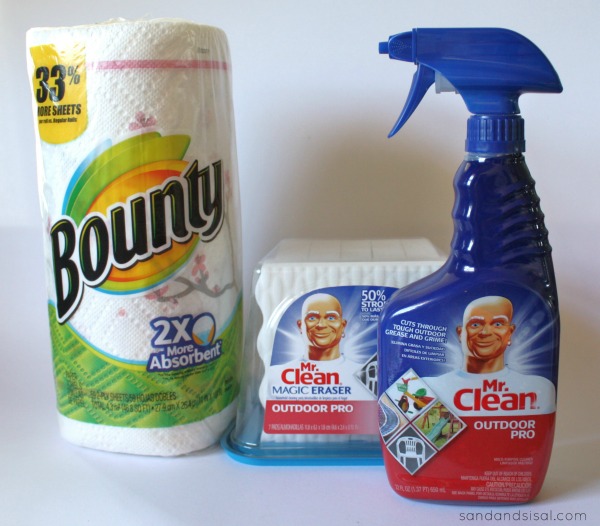
| Heavy grease buildup | Mr. Clean Outdoor Pro Spray |
| Stubborn black residue | Baking soda paste or Carbon Off |
| Restoring shine on cool zones | Oil-based stainless steel polish |
For neglected grills, users report that Mr. Clean Outdoor Pro Spray works wonders. Spray it on, wait one minute, and wipe with a paper towel for shiny results without scrubbing.
Clean While Warm, Deep Clean When Cool
Post-Cooking Maintenance Right After Grilling
The best time to handle loose debris is right after cooking, while the grill is still warm but safe to touch. Grease and food particles are softer at this stage and easier to remove.
Follow these steps:
- Turn off the grill and let it cool for 2 to 5 minutes.
- Use a stiff wire brush on the grates to clear loose debris.
- Wipe the exterior with a damp microfiber cloth.
Why Deep Cleaning Requires a Cool Grill
Never apply cleaning solutions to a hot grill. Heat causes cleaners to evaporate too fast, leave residue, or even ignite. Always wait until the grill is completely cool to the touch before tackling the housing, lid, or side panels.
Skip Abrasive Tools That Cause Permanent Damage
Safe vs. Unsafe Cleaning Tools
Even a gentle cleaner can damage stainless steel when paired with the wrong scrubber. Use only these approved tools:
- Microfiber cloths
- Soft sponges
- Non-abrasive scrub pads designed for stainless steel
- Soft-bristle brushes
Stay away from these prohibited tools:
- Steel wool
- Metal scrubbers
- Rough paper towels
- Standard scouring pads like SOS
Steel wool leaves tiny iron particles embedded in the surface, which leads to rust spots and deep scratches.
Removing Stubborn Residue Safely
For tough spots that resist routine cleaning:
- Apply baking soda paste or a commercial stainless cleaner.
- Let it sit for 15 to 20 minutes.
- Wipe gently with a microfiber cloth, following the grain.
- Rinse and dry immediately.
If residue remains, reapply the solution rather than pressing harder.
Catch and Treat Rust Before It Spreads
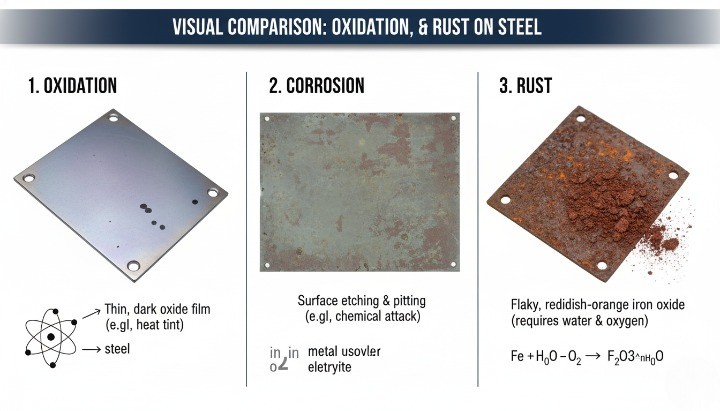
Reversing Early Surface Rust
Light orange spots on stainless steel are surface rust, and they are often reversible when treated quickly.
To remove surface rust:
- Mix warm water with mild dish soap.
- Wipe the area gently with a soft cloth, moving with the grain.
- Rinse thoroughly.
- Dry with a microfiber towel.
- Apply a stainless steel cleaner to restore protection.
When Pitting Means Replacement
Pitting shows up as small, deep holes in the metal, usually surrounded by rust. It signals that the chromium oxide layer has failed, often due to acid exposure or long-term neglect. Pitting cannot be repaired. Once it appears, it will spread and may cause rust-through. If pitting is widespread, replacing the affected part or the entire grill is the safest move.
Handle Heat Discoloration the Right Way

Understanding Patina vs. Damage
Stainless steel changes color over time when exposed to high heat. Many grills develop a golden-brown or yellowish patina, which Napoleon Grills and Consumer Reports describe as normal. A dull gray patina, however, usually signals grease and smoke buildup that has stolen the shine.
Restoring Appearance After Discoloration
To reduce discoloration and revive the finish:
- Apply Carbon Off or a similar specialized restorer.
- Let it sit as directed, then wipe with the grain.
- Follow up with a polish on cool zones only.
Full restoration to factory shine is unlikely once discoloration has set in. Regular cleaning prevents the problem from getting worse.
Polish Only the Cool Zones
Where to Polish and Where to Skip
Polishing adds shine and an extra layer of protection, but only on parts that stay cool during cooking.
Safe to polish:
- Side shelves
- Storage doors
- Control panel housing
Never polish:
- Grill lid
- Burner covers
- Any surface that heats up during use
Most polishes leave a residue that burns off or discolors when heated, which creates smoke and damages the finish.
A Simple Polishing Routine
- Clean and dry the surface completely.
- Apply a small amount of outdoor stainless polish to a microfiber cloth.
- Buff in straight lines with the grain.
- Wipe away excess with a clean cloth.
Polish monthly for the best results in areas with high exposure.
Protect Your Grill From Environmental Damage
Salt Air and Chlorine Exposure
Grills near the ocean or a pool face higher corrosion risk. Salt air speeds up rust, and chlorine fumes can wear down the finish over time.
To protect your grill in these environments:
- Rinse with fresh water after exposure.
- Clean at least once a week with a stainless-safe cleaner.
- Use a grill cover whenever the grill sits unused.
Avoiding Construction Chemical Damage
Muriatic acid used in masonry and concrete work releases fumes that can permanently etch stainless steel. If construction is happening nearby, cover the grill completely and wait until all chemical use has stopped before cleaning. Even brief exposure can cause pitting that cannot be reversed.
Stick to a Simple Maintenance Schedule
Weekly Cleaning (10 to 15 Minutes)
- Brush grates while warm.
- Wipe the exterior with soapy water and a microfiber cloth.
- Rinse and dry immediately.
- Inspect for rust or discoloration.
Monthly Deep Clean (30 to 45 Minutes)
- Cool the grill completely.
- Apply baking soda paste or commercial cleaner to stubborn spots.
- Let sit for 15 to 20 minutes.
- Wipe with the grain using a microfiber cloth.
- Rinse thoroughly and dry.
- Polish cool zones.
Seasonal Tips
- Before winter: Deep clean and apply a protective coat to cool zones.
- After winter: Inspect for rust, clean, and reapply polish.
- Summer: Increase cleaning frequency if grilling often or living near saltwater.
Frequently Asked Questions About Cleaning a Stainless Steel Grill
Can I use vinegar to clean my stainless steel grill?
No. Vinegar is acidic and can strip the chromium oxide layer that protects stainless steel from rust. Stick to mild dish soap, baking soda paste, or a dedicated stainless steel cleaner instead.
What is the best cleaner for a stainless steel grill?
Oil-based stainless steel cleaners are the top choice for routine use. For heavy grease, Mr. Clean Outdoor Pro Spray works well. For stubborn black residue, a baking soda paste or Carbon Off delivers strong results without damaging the finish.
How often should I clean my stainless steel grill?
Wipe down the exterior weekly and brush the grates after every cook. In coastal or poolside environments, clean at least once a week to prevent salt and chlorine damage. Deep clean monthly for the best long-term results.
Is rust on a stainless steel grill reversible?
Surface rust is reversible if treated quickly with warm soapy water and a soft cloth. Pitting, which appears as deep holes, is permanent and usually requires part replacement.
Can I use steel wool on my stainless steel grill?
Never use steel wool. It leaves iron particles that cause rust spots and scratches the finish permanently. Use microfiber cloths, soft sponges, or stainless-specific scrub pads instead.
Should I polish the lid of my grill?
No. Polishes leave a film that burns off when heated, creating smoke and discoloration. Polish only cool zones like side shelves, storage doors, and the control panel housing.
Key Takeaways for Cleaning Your Stainless Steel Grill
A stainless steel grill stays beautiful and rust-free when you work with the grain, choose stainless-safe cleaners, and avoid abrasive tools. Clean warm after every cook, deep clean when cool, and polish only the parts that do not heat up. Treat surface rust early, increase cleaning frequency near salt or chlorine, and cover the grill during construction projects. With a 15-minute weekly wipe-down and a monthly deep clean, your grill will stay functional, shiny, and ready for every cookout. Start this week’s routine right after your next grilling session and you will see the difference immediately.