

How to Grill Eye of Round Steak
You bought an eye of round steak because it’s affordable, lean, and packed with beefy flavor, but now you’re staring at a tough, dry reputation and wondering if this cut can actually be good on the grill. The answer is yes, if you grill it right.
This budget-friendly cut ranks low in tenderness (26th out of 40 beef cuts), but with the right prep, precise temperature control, and smart slicing, you can transform it into a juicy, restaurant-quality meal. The key lies in tenderizing first, cooking to medium-rare max, and slicing thin against the grain. Skip any of these steps, and you’ll end up with shoe leather. Nail them, and you’ll serve a steak that rivals pricier cuts.
In this guide, you’ll learn how to tenderize with fresh pineapple enzymes, use reverse sear for smoky depth, hit the perfect internal temp, and finish with a garlic-thyme butter that elevates the dish. Whether you’re grilling for tacos, stir-fries, or a family dinner, this is your complete blueprint to grilling eye of round steak flawlessly.
Choose the Right Cut and Prep Early
Understand Eye of Round’s Limitations
Eye of round comes from the hind leg of the cow, a hardworking muscle that results in dense, lean meat with little marbling. That means no fat to keep it moist, so overcooking by even 5°F can ruin it. It’s not a cut for well-done fans. But its strong beef flavor and low price ($5–$15/lb) make it ideal for those who cook precisely and slice smartly.
This steak won’t behave like a ribeye. It needs pre-tenderizing and thin slicing to be enjoyable. Think of it as a blank canvas: rare and tender when done right, dry and chewy when rushed.
Buy Fresh and Trim Smartly
Pick steaks that are deep red with minimal browning. Avoid pre-packaged ones sitting in liquid, since this can indicate age or poor handling. If possible, ask your butcher for a center-cut eye of round, which is more uniform and easier to cook evenly.
Trim only excess hard fat or silver skin, but don’t overdo it. Since the cut is already lean, removing too much surface tissue increases dryness risk. Leave the muscle structure intact for better searing.
Tenderize for Maximum Juiciness
Prick and Pound the Steak
Before any seasoning or marinating, mechanically tenderize the steak. Use a fork to deeply prick both sides to create channels for marinades to penetrate. For better results, use a meat mallet or tenderizing tool to lightly pound the surface. This breaks down tough fibers and evens out thickness for even cooking.
If you’re planning to use it in stir-fries or tacos, slice the steak into ¼-inch strips before marinating. Shorter fibers mean easier chewing.
Use Fresh Pineapple for Enzyme Power
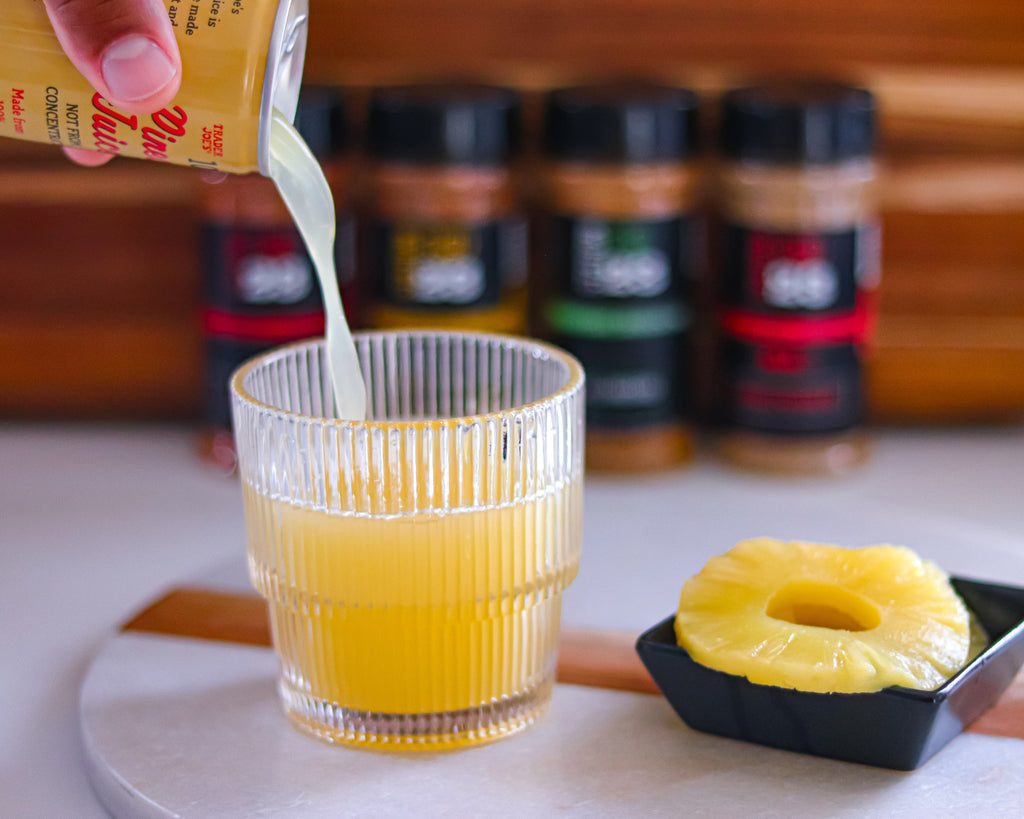
The most effective tenderizing method is fresh pineapple juice or blended pineapple. It contains bromelain, an enzyme that breaks down proteins and softens the meat dramatically without adding fruit flavor.
Follow these steps:
1. Prick the steak first.
2. Submerge in fresh pineapple juice (or blended fresh pineapple) for 30–40 minutes at room temperature.
3. Do not exceed 40 minutes, since over-marinating makes the texture mushy or chalky.
4. Rinse thoroughly and pat dry before seasoning.
Warning: Canned pineapple won’t work. Heat from canning destroys the enzymes.
Try Acidic Marinades for Bold Flavor
If you don’t have fresh pineapple, a citrus-based marinade works well. A Cuban-style mix of lime juice, garlic powder, cumin, salt, and black pepper both flavors and tenderizes.
Marinate for 30 minutes at room temperature, turning once. The acid softens connective tissue but won’t penetrate as deeply as enzymes. After marinating, pat dry to ensure a good sear.
Avoid marinating longer than 1 hour, as acid can start to “cook” the surface and create a mealy texture.
Season After Tenderizing
Season only after marinating and drying. A simple mix of equal parts kosher salt and black pepper enhances flavor without overpowering. For more depth, use a bold rub like Traeger Prime Rib Rub or Hey Grill Hey Beef Rub.
Rub the seasoning into the pricked surface so it sticks. Let it sit 5 minutes before grilling to allow flavor absorption.
Master the Grill: 3 Proven Methods
Reverse Sear for Smoky, Even Results
Best for pellet grills or smokers, this method adds smoke flavor while protecting the interior from drying.
Step 1: Smoke Low and Slow
– Preheat grill to 225°F.
– Place steak on the grates.
– Smoke for 20 minutes, just enough to infuse wood flavor (use competition blend pellets for best results).
Step 2: Sear for Crust
– Move steak to a sear box or high-heat zone (450°F+).
– Sear 2–3 minutes per side, flipping only once.
– Use tongs, never pierce the meat.
Result: Smoky interior, crispy crust, perfect medium-rare doneness.
Direct High-Heat Grilling (Fast and Simple)
Ideal for marinated steaks or weeknight meals.
- Heat grill (or cast iron skillet) to high.
- Oil grates lightly to prevent sticking.
- Grill 4–5 minutes per side for medium-rare.
- Works best if the steak was pre-tenderized.
Tip: Don’t move the steak until it releases naturally. This ensures grill marks and crust formation.
Oven-Roast + Sear for Precision
For ultimate control, especially with thicker cuts.
Step 1: Slow Cook
– Preheat oven to 275°F.
– Roast until internal temp hits 125°F (~30 minutes).
Step 2: Sear
– Heat cast iron to 450°F.
– Sear 2–3 minutes per side for crust.
Flavor Test: Salt and pepper alone yields clean taste but chewy texture. A good rub improves flavor, but enzyme-tenderized plus rub wins for tenderness and taste.
Hit the Perfect Internal Temperature
Use a Meat Thermometer—No Guessing
This cut has zero margin for error. Guessing doneness equals dry steak. Insert a digital thermometer into the thickest part.
Target temps:
– Rare: 120°F–130°F
– Medium-rare: 130°F–135°F (ideal)
– Medium: 135°F–145°F (max recommended)
– Over 145°F: Dry, tough, chewy—avoid
Pull the steak 5°F below target (e.g., at 130°F for medium-rare) because temperature will rise during resting (carryover cooking).
Never Skip the Resting Step
Resting is non-negotiable. It lets juices redistribute. If you slice too soon, all the moisture leaks out.
- Rest for 5–10 minutes on a plate, loosely tented with foil.
- Keep it warm, but don’t seal tightly. Steam softens the crust.
Finish with Garlic Thyme Butter (Game Changer)
Build a Flavor-Boosting Sauce
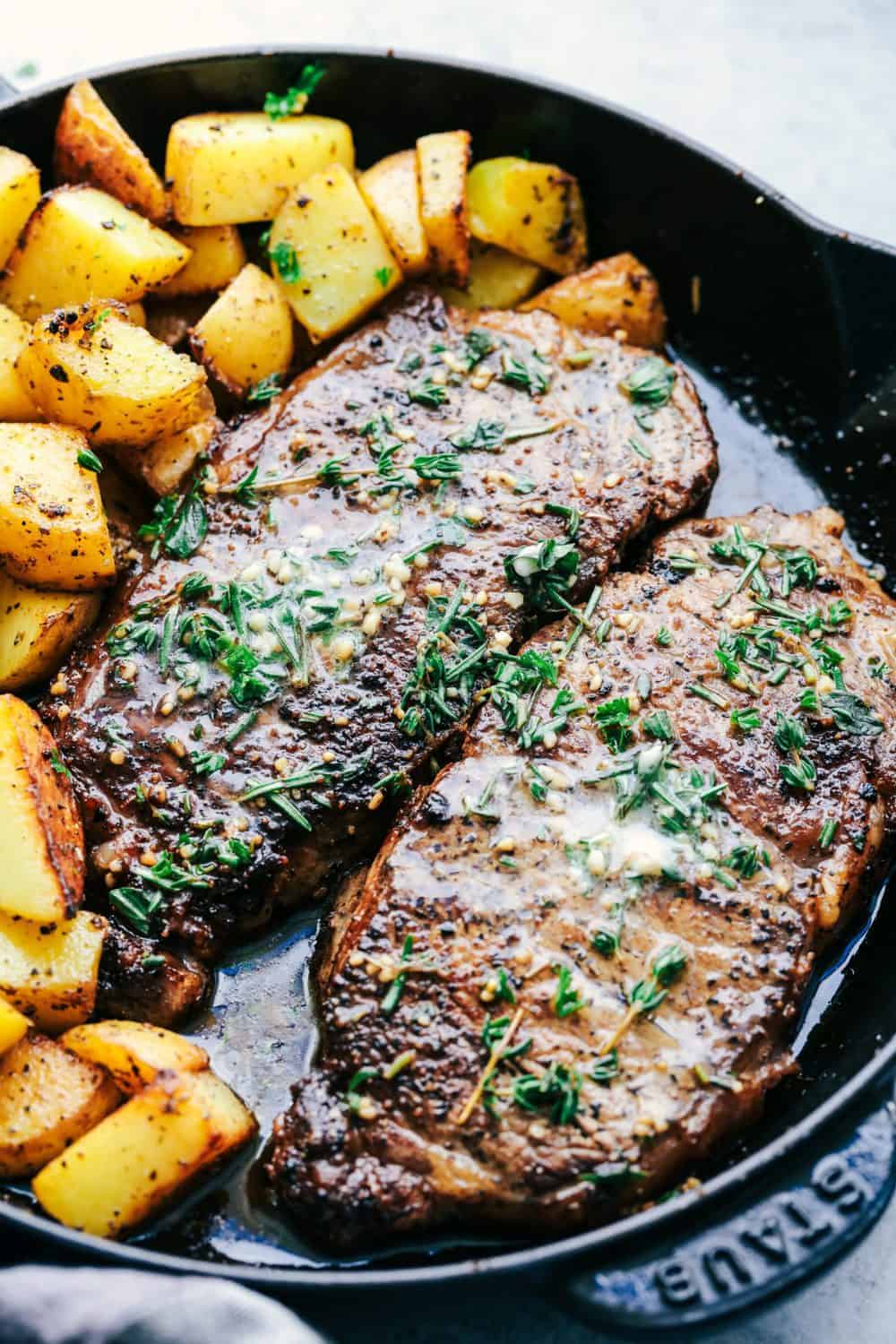
Lean meat needs fat and flavor. A garlic-thyme compound butter adds richness and turns this budget cut into a “meat masterpiece.”
Ingredients:
– 4 tbsp butter
– 4 garlic cloves, minced
– 2 sprigs fresh thyme
– 1 tsp Worcestershire sauce
– Salt and pepper (optional)
Sear, Then Baste
- Sear steak 2–3 minutes per side in a cast iron skillet. Remove to rest.
- In the same hot pan, add butter.
- Stir in garlic, thyme, and Worcestershire.
- Scrape the fond. Those browned bits add deep umami.
- Turn off heat; let residual heat cook the garlic to prevent burning.
- Slice steak thin, return to pan, and spoon butter over top.
Result: Juicy, aromatic, restaurant-quality flavor.
Slice and Serve Like a Pro

Cut Against the Grain—Every Time
Look for the direction of the muscle fibers. Slice perpendicular to them. This shortens the long fibers, making each bite easier to chew.
Slice thin, ¼ inch or less. Thick slices mean chewy bites, even if cooked perfectly.
Serve with Complementary Sides
Eye of round shines with hearty or fresh pairings:
– Starches: Grilled potatoes, fries, rice pilaf
– Vegetables: Asparagus, sweet corn, green salad
– Sauces: A1, Country Bob’s, or extra garlic butter
Best Uses for Leftovers
This cut excels in dishes that demand thin-sliced beef:
– Tacos or fajitas
– Stir-fries
– Salads
– Beef sandwiches
Reheat gently in a skillet with butter to avoid drying.
Avoid These 4 Common Mistakes
1. Skipping Tenderization
Mistake: Throwing the steak on the grill raw and unprepared.
Result: Tough, chewy, unpleasant.
Fix: Always prick, pound, or marinate with fresh pineapple or acid.
2. Overcooking Past 135°F
Mistake: Cooking to well-done.
Result: Dry, leathery texture.
Fix: Use a thermometer. Pull at 130°F for medium-rare.
3. Not Resting the Meat
Mistake: Cutting immediately.
Result: Juices pool on the plate, not in the meat.
Fix: Wait 5–10 minutes. Patience pays off.
4. Slicing With the Grain
Mistake: Cutting parallel to fibers.
Result: Long, stringy, hard-to-chew strips.
Fix: Always slice against the grain, thin.
Frequently Asked Questions About Grilling Eye of Round Steak
Can you grill eye of round steak without marinating it first?
You can, but the results will likely be tough and chewy. Eye of round ranks 26th out of 40 beef cuts in tenderness, so mechanical tenderizing (pricking or pounding) or marinating with fresh pineapple enzymes or acid is strongly recommended for a palatable result.
How long should I marinate eye of round in pineapple juice?
Marinate for exactly 30–40 minutes at room temperature. Under 30 minutes provides insufficient tenderizing, while over 40 minutes (especially past 1 hour) turns the meat chalky or mushy. Always use fresh pineapple, since canned varieties have deactivated enzymes.
What internal temperature should I pull eye of round off the grill?
Pull the steak at 130°F for medium-rare, which is the ideal doneness for this cut. Temperature will rise about 5°F during resting (carryover cooking). Never exceed 145°F, as the meat becomes dry and tough beyond that point.
Do I need to let eye of round steak rest after grilling?
Yes, resting is mandatory. Let the steak sit for 5–10 minutes loosely tented with foil before slicing. Skipping this step causes juices to escape onto the plate instead of staying in the meat, resulting in a drier eating experience.
Why is my eye of round steak always tough even when I cook it right?
The most common causes are skipping tenderization, slicing with the grain instead of against it, or overcooking past 135°F. Always prick or pound the meat before cooking, slice thin against the grain, and use a reliable meat thermometer to avoid overcooking.
What is the best way to reheat leftover eye of round steak?
Reheat gently in a skillet with a small amount of butter over medium-low heat. Avoid microwaving, which dries out the lean meat quickly. Slice thin before reheating for the best texture.
Final Thoughts on Grilling Eye of Round Steak
Grilling eye of round steak doesn’t have to be a compromise. With enzyme tenderizing, precise temperature control, and smart slicing, you can turn an inexpensive, tough cut into a juicy, flavorful meal that impresses. The three pillars of success are fresh pineapple tenderizing (30–40 minutes), pulling at 130°F for medium-rare, and slicing thin against the grain.
Your next step is simple: grab an eye of round from your butcher, pick up a fresh pineapple, and try the reverse sear method this weekend. Follow the steps in this guide, and you’ll never suffer through chewy beef again.