
How to Grill Lamb Burgers
Grilling lamb burgers is a flavorful twist on the classic backyard favorite, offering a rich, earthy taste that stands out from ordinary beef. While the process mirrors grilling traditional burgers, lamb requires special attention to seasoning, structure, and doneness for the best results. Unlike whole cuts of lamb that can be served rare, ground lamb must reach 160°F to ensure food safety, yet with smart techniques, you can still keep it juicy and tender.
If you have ever struggled with burgers falling apart or turning dry, lamb’s unique fat content and texture demand a few key adjustments. The right blend of spices like cumin, coriander, mint, and garlic elevates the meat’s natural depth, while binders such as egg or panko help maintain integrity on the grill. Whether you are using pure lamb shoulder or blending with beef, this guide walks you through every step: from forming the perfect patty to achieving a golden sear and serving with bold sauces like tzatziki or herb aioli. You will learn how to avoid common pitfalls, choose ideal toppings, and even prep ahead for stress-free grilling.
Choose the Right Meat Blend
Pure Lamb vs. Lamb-Beef Mix
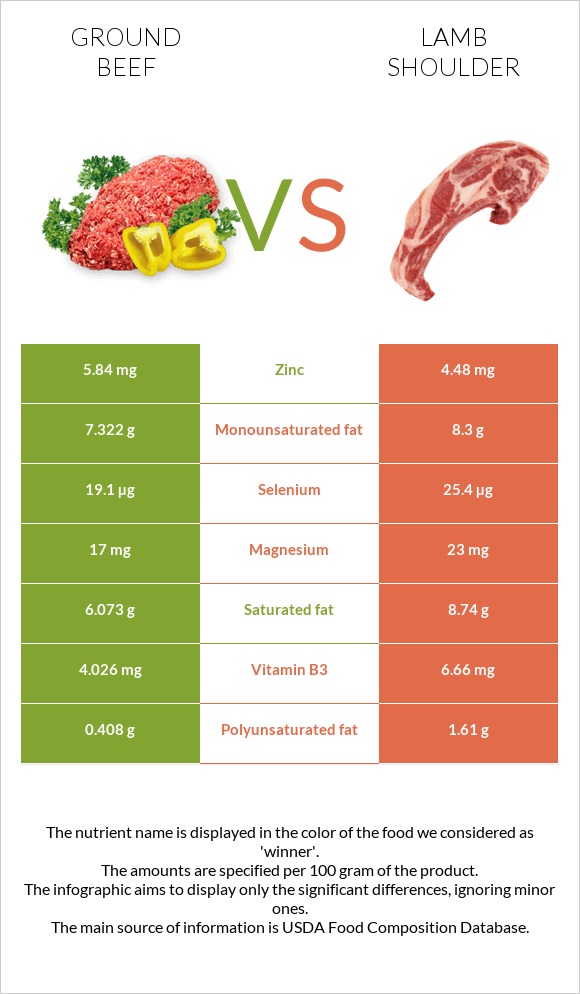
For the boldest flavor, use 100% ground lamb shoulder, which has enough fat (around 20%) to stay moist during grilling. This cut delivers a rich, authentic taste that shines with simple seasoning. However, if you are new to lamb or serving guests who prefer milder flavors, consider a lamb-beef blend, typically 1 lb lamb to 0.5 lb beef. This combination enhances juiciness while softening the gaminess of pure lamb.
Avoid lean ground leg or loin cuts, as they dry out quickly under high heat. Always check packaging or ask your butcher for shoulder meat. If making your own mix, grind chilled lamb shoulder at home or request it freshly ground for optimal freshness and texture.
Prevent Bouncy or Tough Texture
One common issue with lamb burgers is a rubbery, sausage-like consistency. This happens when the meat is overworked or salted too early. To prevent this, mix ingredients by hand just until combined; do not knead or compress. If adding salt directly into the meat, cook immediately. Otherwise, season the exterior of formed patties about 30 minutes before grilling to preserve tenderness.
Also, avoid pressing the patties flat with your palm. Gently shape them, leaving a light touch to maintain a loose, airy structure that cooks evenly without becoming dense.
Add Binders for Stability

Use Egg and Panko Together
Lamb fat renders faster than beef, increasing the risk of patties breaking apart on the grill. Combat this by adding one egg and 1/4 cup panko breadcrumbs per pound of meat. The egg binds the proteins, while panko absorbs excess moisture without weighing down the burger. Some recipes also use oats as an alternative, but panko gives a lighter, crispier texture when seared.
These binders are especially crucial in spiced variations like curried or Greek-style burgers where additional ingredients (onion, herbs) increase moisture and weaken structural integrity.
Chill Patties Before Grilling
After forming, refrigerate patties for at least 30 minutes, up to 24 hours if prepped ahead. Chilling firms up the fat, helping the burger hold its shape during the initial sear. It also prevents sticking and reduces flare-ups caused by melting fat hitting the flames.
Place patties on a tray lined with parchment paper and cover loosely with plastic wrap. This step is non-negotiable for maintaining patty cohesion, especially with high-fat lamb blends.
Season Smartly for Maximum Flavor

Pick a Flavor Profile
Lamb pairs exceptionally well with bold, aromatic spices. Choose one dominant theme to keep flavors balanced:
- Mediterranean/Greek: Fresh mint, parsley, oregano, garlic, lemon zest, cumin
- Middle Eastern: Coriander, paprika, sumac, garlic, onion
- Curried: Curry powder, cumin, coriander, turmeric
- Mexican Fusion: Cumin, roasted poblano, lime, queso fresco
- Minimalist: Salt, pepper, pinch of cumin to enhance natural richness
Avoid mixing too many competing spices. Stick to 3–4 core ingredients for clarity of taste.
Mix or Season Externally?
There are two effective approaches:
- Internal seasoning: Blend dry spices and wet mix-ins (like grated onion or Dijon) directly into the meat. Ideal for kefta-style burgers where flavor permeates throughout. But cook immediately to avoid texture degradation.
- External seasoning: Form plain patties, then generously sprinkle both sides with kosher salt and pepper just before grilling. Preserves a tender, loose bite and prevents overworking.
For best results, combine both: mix in herbs and spices gently, then finish with a final salt layer right before cooking.
Build the Perfect Patty
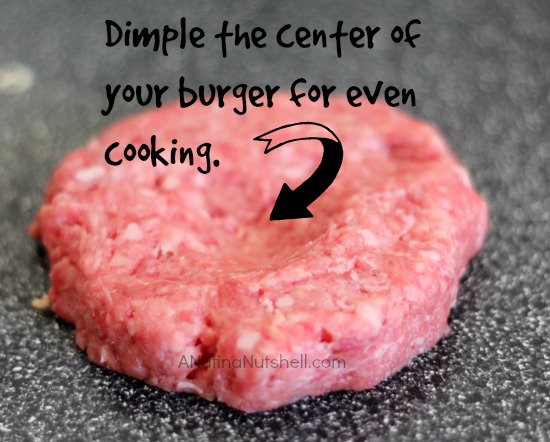
Form with a Center Dimple
To prevent burgers from puffing up into a ball during cooking, press a deep indentation into the center of each patty with your thumb. As the edges contract, the dimple evens out the thickness, ensuring uniform doneness and a flat surface for topping stacking.
Aim for patties about 1/2 inch thick and 4–5 inches wide. Uniformity ensures even cooking with no underdone centers or burnt edges.
Don’t Overhandle the Meat
Overmixing activates proteins, leading to a dense, tough burger. Use your fingertips to lightly fold ingredients together until just combined. If the mixture feels sticky, chill it briefly before shaping. Work quickly and avoid repeated handling once formed.
Keep tools minimal; your hands are the best instrument for maintaining texture.
Preheat and Prep the Grill
Set Up Two-Zone Heat
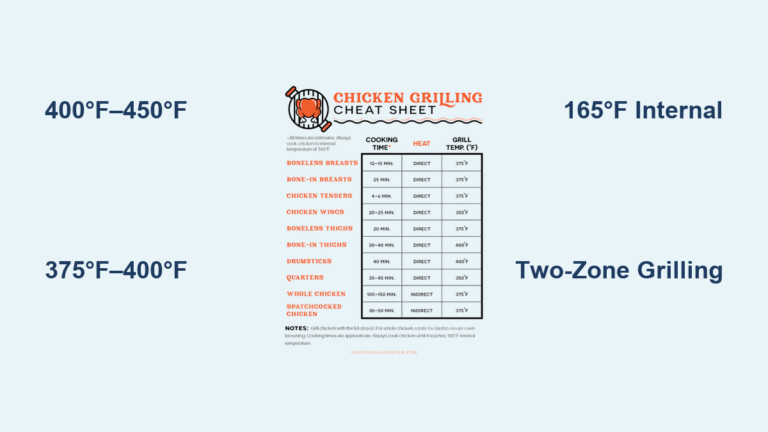
Start with a clean grill grate, then preheat to medium-high (350°F–400°F). For better control, set up a two-zone fire: one side hot for searing, the other cooler for finishing or holding cooked burgers.
This setup helps manage flare-ups caused by dripping lamb fat. If flames surge, move the patty temporarily to the cooler side without interrupting cook time.
Oil Grates and Patties
Use tongs and a folded paper towel dipped in high-smoke-point oil (like avocado or canola) to lightly coat the grates. Too much oil causes flare-ups; a thin film prevents sticking.
Right before placing patties on the grill, lightly brush or spray them with oil. This creates a protective barrier and promotes browning.
Grill to Safe, Juicy Doneness

Cook to 155°F for 160°F Finish
The USDA mandates 160°F internal temperature for ground lamb due to bacterial risks from surface exposure during grinding. However, pulling the burger at 155°F and letting it rest under foil allows carry-over cooking to reach 160°F safely without drying out.
Use an instant-read thermometer inserted sideways into the thickest part. Avoid guessing; visual cues alone are not reliable.
Time Per Side: 4 Minutes Typically
For standard 1/2-inch-thick patties, grill 4 minutes per side over medium-high heat. Thicker burgers may need 5 minutes per side. Flip only once; early flipping disrupts crust formation and increases breakage risk.
Never press down with a spatula. That sizzle looks tempting, but you are squeezing out precious juices and increasing flare-ups.
Rest and Toast for Best Results
Let Burgers Rest 3–5 Minutes
After grilling, transfer patties to a plate and tent loosely with foil for 3–5 minutes. This pause lets juices redistribute through the meat instead of spilling out on first bite. Skipping rest time leads to dry burgers, even if perfectly cooked.
Resting also completes the final temperature rise to 160°F, meeting safety standards while preserving moisture.
Toast Buns on the Grill
While burgers rest, place halved buns cut-side down on the hot grill. Toast for 30–60 seconds until golden. This adds crunch, prevents sogginess from sauces, and enhances flavor.
Brushing buns lightly with olive oil or butter boosts browning. Watch closely; burnt buns ruin the balance.
Serve with Bold Sauces and Toppings

Pair with Tzatziki or Herb Aioli
No lamb burger is complete without a cooling, creamy sauce to balance its richness. Tzatziki, made from Greek yogurt, drained cucumber, garlic, lemon, and dill, is the gold standard. For a punchier option, try herb aioli (mayo, lemon, garlic, mint, parsley).
Make sauces ahead: flavors deepen after chilling for 1–2 hours. Always drain excess water from grated cucumber to prevent watery sauce.
Top with Fresh, Crisp Elements
Balance richness with freshness:
- Onions: Thin red onion slices (raw or grilled)
- Tomatoes: Ripe slices or grilled wedges
- Greens: Romaine, butter lettuce, or arugula
- Cheese (optional): Crumbled feta or queso fresco
- Peppers: Roasted poblano strips or charred bell peppers
Layer sauce on both top and bottom buns to lock in flavor and moisture.
Pick the Right Bread Vessel
Use Buns, Pita, or Naan
Traditional brioche or potato buns work well, but Mediterranean styles shine on pita pockets or naan bread. These hold up better to wetter fillings and complement spiced lamb.
For lower-carb options, serve in butter lettuce cups or as a “burger bowl” over Greek salad or quinoa.
Mini whole wheat pitas are great for sliders at parties. Warm them slightly before serving for best texture.
Prevent Common Grilling Mistakes
Stop Patties from Falling Apart
If your lamb burgers keep crumbling:
- Add egg + panko (1 egg + 1/4 cup per lb meat)
- Chill patties thoroughly before grilling
- Don’t overmix; gently combine ingredients
- Use two-zone heat to manage flare-ups
- Flip only once with a wide, sturdy spatula
Grilled lamb kebabs or meatballs follow similar rules; binders and chilling are key.
Avoid Dry, Overcooked Burgers
Even at 160°F, lamb can stay juicy if you:
- Use fatty lamb shoulder (not lean cuts)
- Include moisture-rich mix-ins: grated onion, Dijon, olive oil
- Remove at 155°F and rest to 160°F
- Never press the patty
- Rest 3–5 minutes before serving
Blending with beef (50/50) also boosts moisture retention.
Try Popular Recipe Variations
Greek Lamb-Beef Burger with Tzatziki
Combine 1 lb lamb and 1/2 lb beef with minced shallot, garlic, oregano, cumin, paprika, salt, and pepper. Form patties, chill 30 minutes. Grill 4 minutes per side to 155°F. Serve in toasted pita with tzatziki, romaine, tomato, and red onion.
Tzatziki: Mix 1 cup Greek yogurt, 1/2 cup drained cucumber, 1 tbsp lemon juice, 1 minced garlic clove, 1 tbsp dill, salt, and olive oil.
Curried Lamb Burger with Dual Sauces
Mix 1 lb lamb with 1 egg, 1/4 cup panko, 1 tbsp curry powder, salt, and pepper. Form dimpled patties, chill. Grill 4–5 minutes per side to 155°F. Serve on buns with feta, tomato, and both tzatziki and fresh mint sauce.
Mint Sauce: Blend 1/2 cup mint, 1/4 cup parsley, 2 tbsp lemon juice, 1 garlic clove, 1/4 tsp red pepper flakes, salt, and 3 tbsp olive oil.
Mexican-Style with Poblano and Queso Fresco
Add 1 roasted, peeled, diced poblano and 1/2 cup crumbled queso fresco to 1 lb lamb. Season with cumin, garlic, onion, salt, and pepper. Form patties with deep dimples. Use two-zone grilling to manage smoke. Top with grilled tomato, onion rings, and lime wedge.
Roast poblanos over open flame until blackened, steam in a bowl covered with plastic, then peel and dice.
Minimalist Purist Lamb Burger
For high-quality meat, keep it simple: season 1 lb lamb with salt, pepper, and a pinch of cumin just before forming. Dimple center. Grill 4 minutes per side to 155°F. Serve on toasted bun with lemon garlic aioli (mayo, pressed garlic, lemon juice, parsley) and thin red onion slices.
This approach focuses on clean lamb flavor enhanced by quality ingredients.
Store and Reheat Like a Pro
Keep Components Separate
Store leftovers properly to preserve texture:
- Cooked patties: Cool completely, then refrigerate in airtight container for up to 3 days
- Sauces: Last up to 5 days in fridge; flavors improve overnight
- Toppings: Store veggies separately to prevent sogginess
- Buns: Keep wrapped at room temp or freeze
Never store assembled burgers; they turn soggy and reheat unevenly.
Reheat Without Drying Out
Best methods:
- Oven (ideal): 350°F for 8–10 minutes until warmed through
- Grill: 2–3 minutes per side for smoky revival
- Skillet: Medium heat with a splash of water or oil
- Microwave (last resort): 60–90 seconds, covered
Always re-toast buns and add fresh toppings after reheating.
Make-Ahead Tips for Easy Grilling
Prep Sauces and Patties Early
Save time by preparing key components in advance:
- Tzatziki, aioli, chimichurri-style sauces: Make up to 5 days ahead
- Vegetables: Slice onions, tomatoes, and peppers up to 1 day ahead (store in containers)
- Raw patties: Form and chill for up to 24 hours or freeze with parchment between layers for longer storage
If mixing spices into meat, do so no more than a day ahead and avoid early salting to prevent texture changes.
Freeze for Future Cookouts
Uncooked lamb patties freeze well:
- Form and dimple
- Place on tray, freeze 1 hour until solid
- Wrap individually in plastic, then store in freezer bag up to 3 months
Grill from frozen; add 1–2 minutes per side. No need to thaw.
Frequently Asked Questions About Grilling Lamb Burgers
What temperature should lamb burgers be cooked to?
Ground lamb must reach 160°F internal temperature for food safety. To keep burgers juicy, remove them from the grill at 155°F and tent with foil. Residual heat will carry the temperature up to 160°F during the rest period.
Why do my lamb burgers fall apart on the grill?
Lamb fat renders quickly, which can cause crumbling. Add one egg and 1/4 cup panko per pound of meat as binders, chill patties for at least 30 minutes before grilling, and avoid overmixing. Using a two-zone fire also helps manage flare-ups that can break patties apart.
How long should I grill lamb burgers?
For standard 1/2-inch-thick patties, grill 4 minutes per side over medium-high heat (350°F–400°F). Thicker patties may need 5 minutes per side. Flip only once and never press down with a spatula.
Can I use lean ground lamb for burgers?
Lean cuts like leg or loin dry out quickly under high heat. Stick to lamb shoulder, which has around 20% fat content, or blend lamb with beef (1 lb lamb to 1/2 lb beef) for better moisture retention.
Should I season lamb burgers before or after forming patties?
Both methods work. Internal seasoning infuses flavor throughout but requires immediate cooking to avoid a sausage-like texture. External seasoning (sprinkling salt and pepper on formed patties just before grilling) preserves a looser, more tender bite. You can also combine both approaches for maximum flavor.
What sauces go best with lamb burgers?
Tzatziki (Greek yogurt, cucumber, garlic, dill, lemon) is the classic pairing. Herb aioli (mayo, lemon, garlic, mint, parsley) and fresh mint sauce also complement lamb’s richness beautifully. Always drain cucumber well before mixing tzatziki to prevent a watery sauce.
Key Takeaways for Grilling Juicy Lamb Burgers Every Time
Grilling lamb burgers comes down to three essentials: choosing fatty shoulder meat, using proper binders (egg and panko), and respecting the 160°F safety temperature while leveraging carry-over cooking. Gentle handling preserves texture, while chilling patties before grilling ensures they hold together on the grates.
Your next step is simple: pick a flavor profile that excites you, prep your sauces and patties ahead of time, and fire up the grill with confidence. Whether you go Greek, curried, or minimalist, these techniques will help you serve lamb burgers that are safe, succulent, and packed with flavor at your next cookout.